Sep
Beauty, Skincare, Trends & Opinions
Your Skin Wants Pumpkin This Fall and Here Is Why It Works
If you click on links we provide, we may receive compensation.
A 2021 study found that topical pumpkin extract significantly reduced three major pro-inflammatory markers – TNF-alpha, IL-6, and COX-2 – in human skin tissue, putting this orange squash in genuinely rare company when it comes to seasonal skincare ingredients with real science behind them. Most fall beauty trends lean on warm spice aesthetics and little else. Pumpkin earns its place differently. It contains naturally occurring fruit enzymes that dissolve the protein bonds holding dead cells together, a suite of vitamins A, C, and E that support collagen production and antioxidant defense, zinc that helps regulate oil without stripping the skin, and beta-carotene that converts in the skin to a form of vitamin A with documented anti-aging properties. That combination hits multiple skin concerns at once – dullness, uneven texture, inflammation, moisture loss – all of which tend to intensify in fall when the air dries out and cell turnover slows. Used with some consistency, pumpkin-based products can produce a real change in how your skin looks and feels through the cooler months. The trick is knowing how to work them into your routine without over-exfoliating or skipping the steps that lock in the gains.
What Makes Pumpkin So Good for Your Skin?
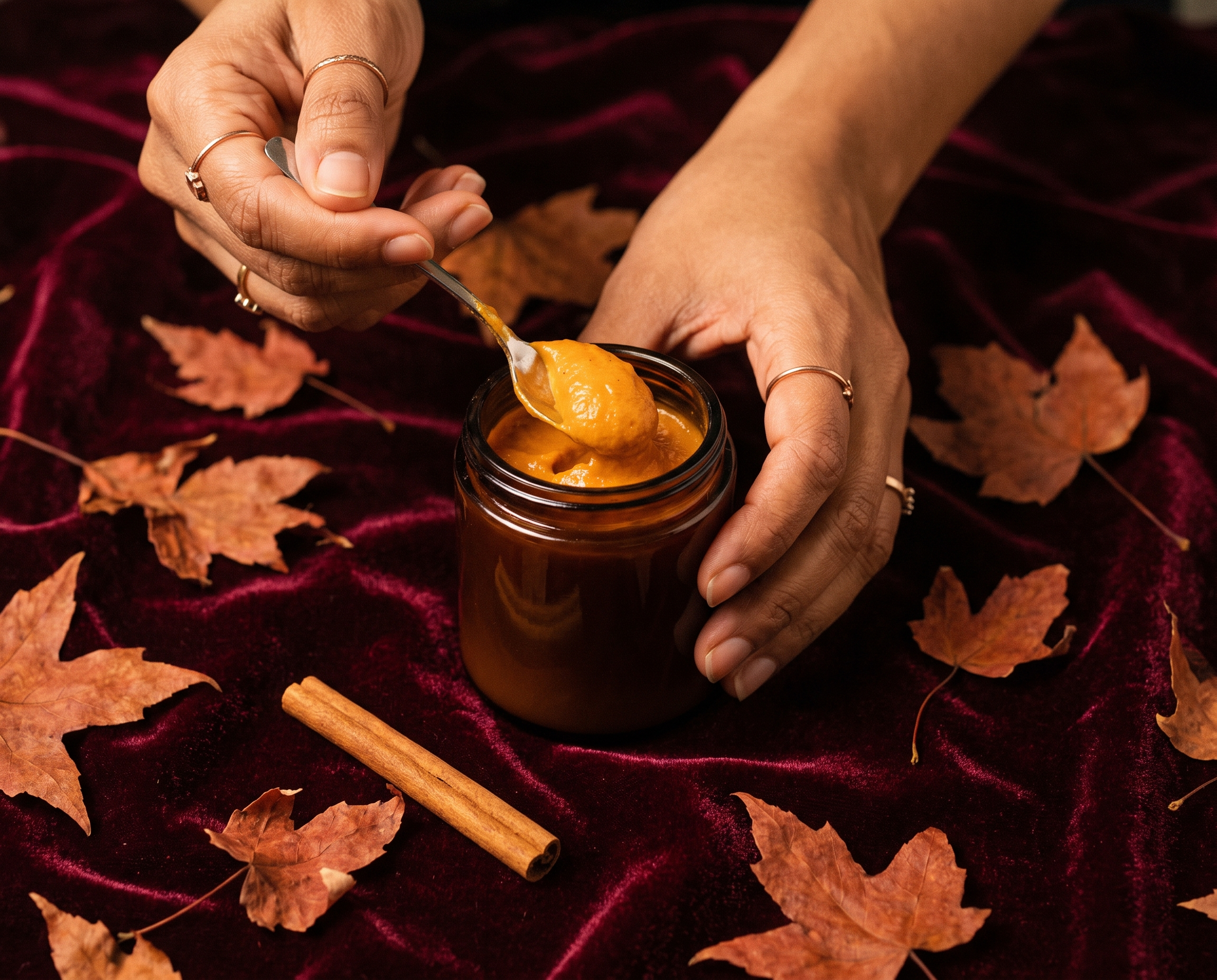
Pumpkin contains beta-carotene, vitamins A, C, and E, zinc, and naturally occurring fruit enzymes – and each of those components does something specific and measurable on your skin rather than just sounding impressive on a label. Beta-carotene is the pigment that makes pumpkin orange, and it converts to vitamin A in the skin, where it stimulates the fibroblasts responsible for building collagen. Vitamin C supports that same collagen pathway while also providing antioxidant protection against the free radicals generated by UV exposure and pollution. Vitamin E adds a layer of moisture retention and additional antioxidant activity that helps the barrier stay intact in cooler, drier weather. Zinc plays a quieter but important role – it calms inflammation, moderates sebum output, and helps regulate the hormonal signaling that drives breakouts, which makes pumpkin useful across skin types rather than just for dry or mature complexions. Research published in Lipids in Health and Disease confirmed that pumpkin’s nutrient profile directly supports collagen synthesis, which explains why regular use tends to show cumulative results over weeks rather than overnight.
The enzyme component is what makes pumpkin especially well-timed for fall. Pumpkin contains proteolytic enzymes that break down keratin – the protein that holds dead skin cells in the outermost layer of the skin – allowing them to slough off without the need for aggressive physical or chemical intervention. Dead cells accumulate faster in cooler, drier weather, when reduced humidity slows the skin’s natural shedding cycle and indoor heating further strips moisture from the surface. According to the International Dermal Institute, pumpkin’s fruit enzymes and alpha-hydroxy acids smooth skin, brighten tone, and increase cell turnover without the harshness that can accompany synthetic chemical exfoliants at higher concentrations. That combination of enzymatic and mild chemical exfoliation in a single natural ingredient is what sets pumpkin apart from typical fall skincare marketing claims. A study on topical proteolytic enzymes found that these enzymes do not simply improve surface texture – they can also increase the firmness and thickness of the dermis, the middle skin layer where structural proteins live. (Source: https://www.skininc.com/science/ingredients/news/21889376/the-effectiveness-of-pumpkin-enzymes-in-skin-care)
Are Pumpkin Enzymes Really Better Than Chemical Exfoliants?
The honest answer is that pumpkin enzymes and synthetic chemical exfoliants do overlapping but not identical work, and the right choice depends on your skin type and what you are trying to achieve. Synthetic AHAs like glycolic or lactic acid are precise in their concentration and pH – you know exactly what percentage you are applying and can calibrate the strength accordingly. Pumpkin enzymes are gentler, naturally occurring, and come packaged with a matrix of supporting vitamins and antioxidants that most synthetic acid formulas do not include. That makes them better suited for frequent use, and a much more reasonable starting point for anyone new to chemical exfoliation who wants real results without risking a damaged barrier. The trade-off is that the exfoliation depth is lighter – you will not see the kind of dramatic resurfacing that a 10% glycolic acid product can deliver in a single session. For many skin types, and especially for mature skin, that lighter touch is actually the right approach. Aggressive exfoliation on older skin – which produces less natural oil and has a thinner epidermis than skin in its twenties – can lead to persistent sensitivity, redness, and a compromised barrier that takes weeks to recover.
Many estheticians now combine pumpkin enzyme treatments with mild chemical exfoliants as a layering strategy, using the enzymes on their own two to three times per week and adding a glycolic or lactic toner on alternate evenings to amplify results without stressing the skin. That approach makes particular sense in fall, when the skin is already adjusting to lower humidity and may be dealing with the aftermath of summer UV exposure. The anti-inflammatory benefit of pumpkin enzymes also matters in that context – the 2021 study showing reductions in TNF-alpha, IL-6, and COX-2 suggests that pumpkin actively calms the skin while it exfoliates it, addressing two concerns simultaneously. Inflammation is also a recognized driver of accelerated aging – researchers call this process inflammaging, referring to the low-grade chronic inflammation that erodes skin structure over time. An ingredient that exfoliates and calms inflammation in the same application has a more complete profile than an exfoliant that does only one of those things. (Source: https://www.zensaskincare.com/blogs/news/from-patch-to-pores-the-skin-benefits-of-pumpkin)
How Do You Actually Use Pumpkin in a Skincare Routine?
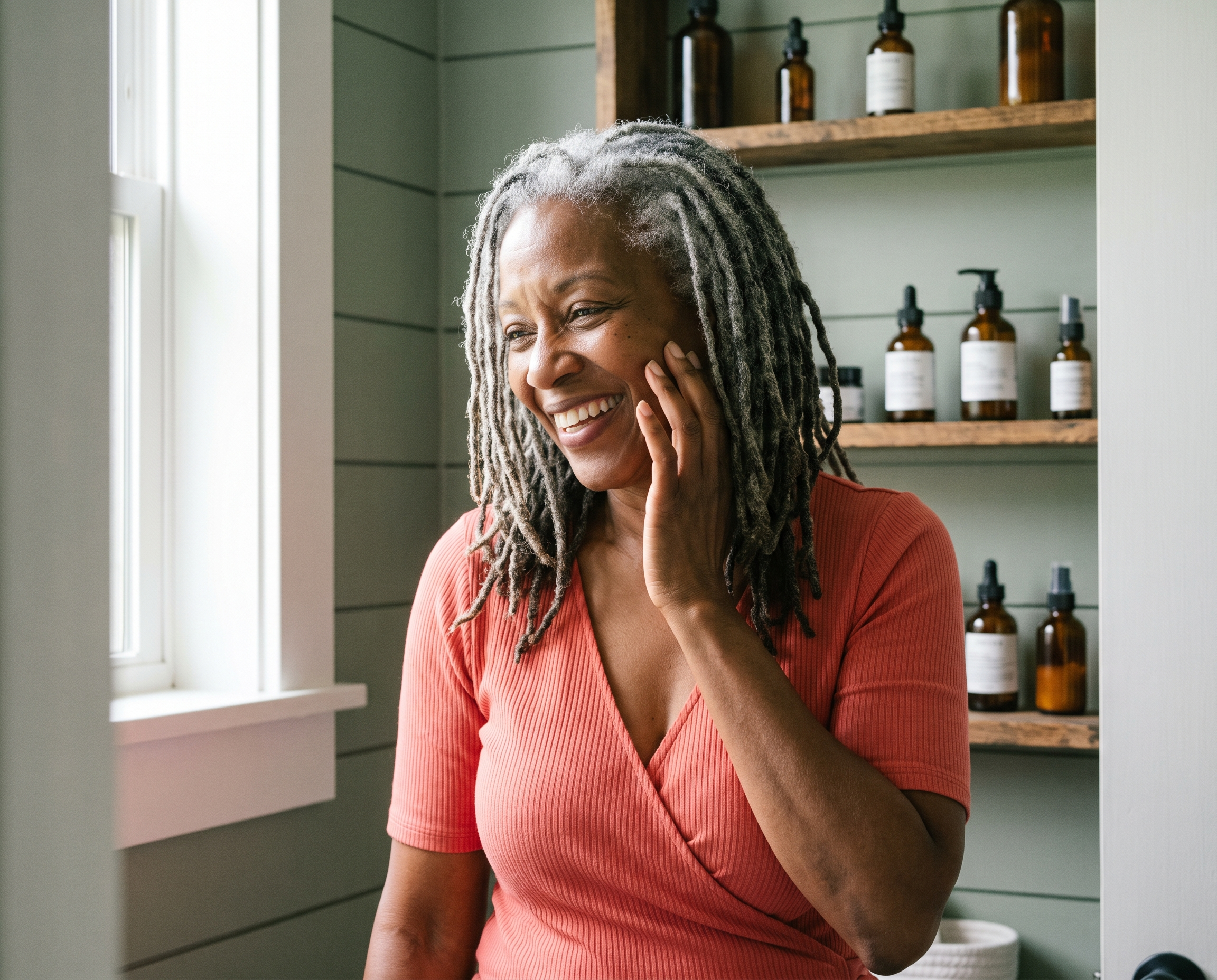
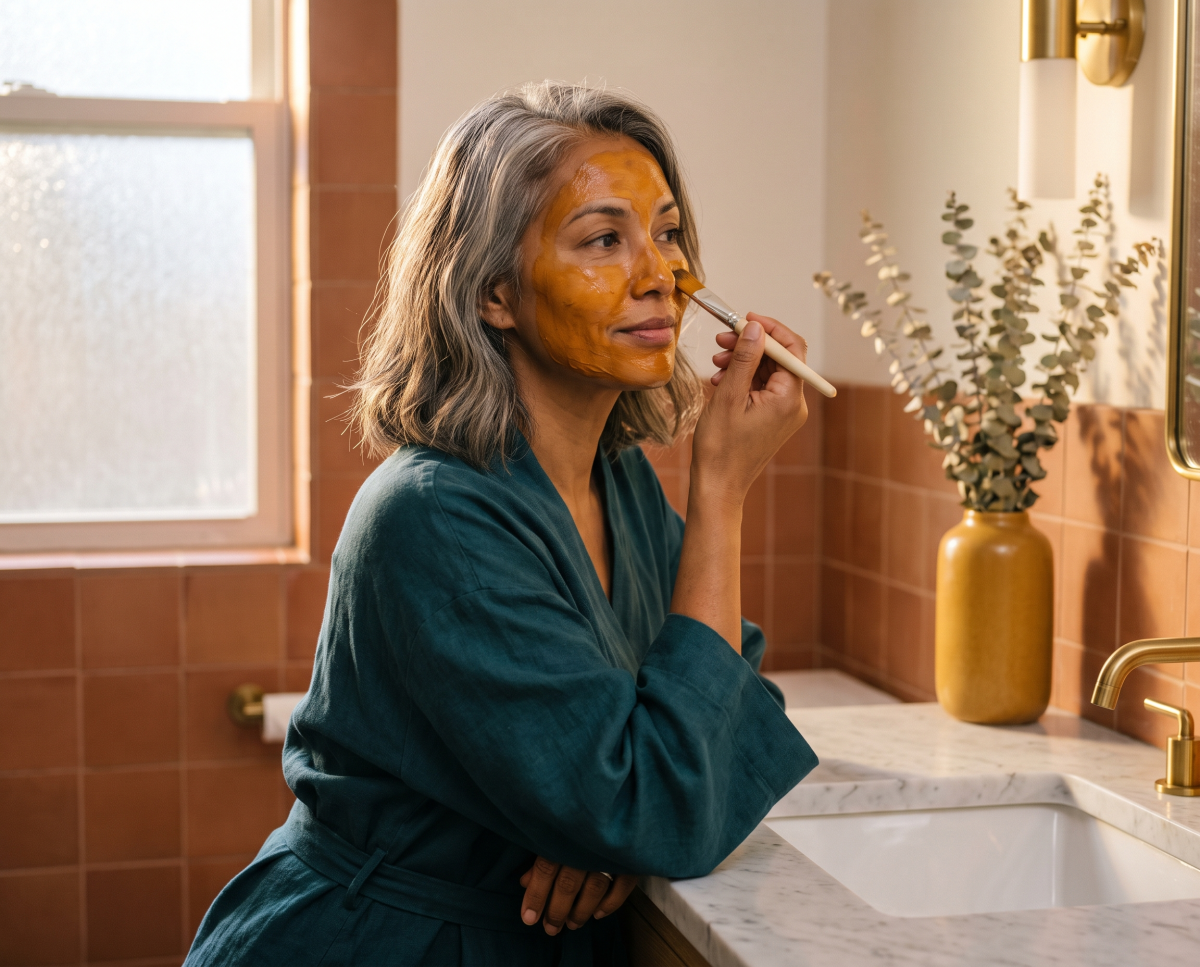
The simplest entry point is a pumpkin enzyme mask used two to three times per week. Masks are the most popular format in this category because they allow the enzymes real contact time with the skin – most formulas recommend three to seven minutes before rinsing. Apply to clean, slightly damp skin, massage gently in circular motions if the formula includes a physical exfoliant component, then rinse with lukewarm water and follow immediately with a toner or essence to restore the skin’s pH. Fall skincare routines benefit from heavier moisturizers than you would reach for in summer, and pumpkin masks prime the skin to absorb those products far more efficiently than unexfoliated skin can manage. The dead-cell buildup that makes fall skin look dull is the same buildup that sits between your moisturizer and the live skin underneath, preventing full absorption. Remove it with an enzyme mask and that same moisturizer suddenly works better. Estheticians note that the real improvement in texture and tone from pumpkin masks builds over four to six weeks of regular application rather than from a single use, so consistency matters more than intensity. (Source: https://www.waterstonespa.com/fall-skincare-pumpkin-benefits/)
If you want to work pumpkin more broadly into your routine, look for it in cleansers and serums as well as masks. A pumpkin enzyme cleanser gives you mild daily exfoliation as part of your normal face-washing step without adding extra time or steps. Apply a generous amount to damp skin, let it sit for thirty to sixty seconds longer than a regular rinse-off cleanser before rinsing, and you give the enzymes just enough time to start loosening surface debris and softening congestion. Garden of Wisdom’s Fall Into My Pumpkin Cleanser is a popular version of this approach – it uses pumpkin enzyme as its primary active and is formulated for daily use without over-stripping. Pumpkin serums work differently from masks and cleansers in that they stay on the skin, making them ideal for delivering the vitamins and antioxidants at a sustained level overnight. Layering a pumpkin serum under a moisturizer before bed gives beta-carotene and vitamin C a long, uninterrupted window to support collagen production while the skin goes into its natural nighttime repair cycle. Between a morning enzyme cleanse, an evening pumpkin serum, and two or three mask sessions per week, you have a complete pumpkin-integrated fall routine covering exfoliation, antioxidant defense, and overnight renewal. (Source: https://gardenofwisdom.com/products/fall-into-my-pumpkin-cleanser)
One precaution worth knowing: because pumpkin does contain AHAs, it can increase photosensitivity, especially at higher concentrations. Always apply SPF 30 or higher the morning after any pumpkin exfoliation treatment. This rule applies year-round but matters especially in fall, when many people drop their sunscreen routine because the summer heat has passed. UV exposure continues through autumn and winter – the UVA rays responsible for collagen breakdown are present regardless of how bright or warm the sun appears – and freshly exfoliated skin is more vulnerable to that damage than skin with its full surface layer intact. Keeping sunscreen in your fall routine is not optional if you are actively exfoliating; it is the step that ensures your investment in pumpkin products actually translates to lasting improvement rather than new UV-triggered pigmentation. (Source: https://njvvc.com/benefits-of-pumpkin-for-your-skin/)
What Does Pumpkin Do for Mature and Aging Skin?
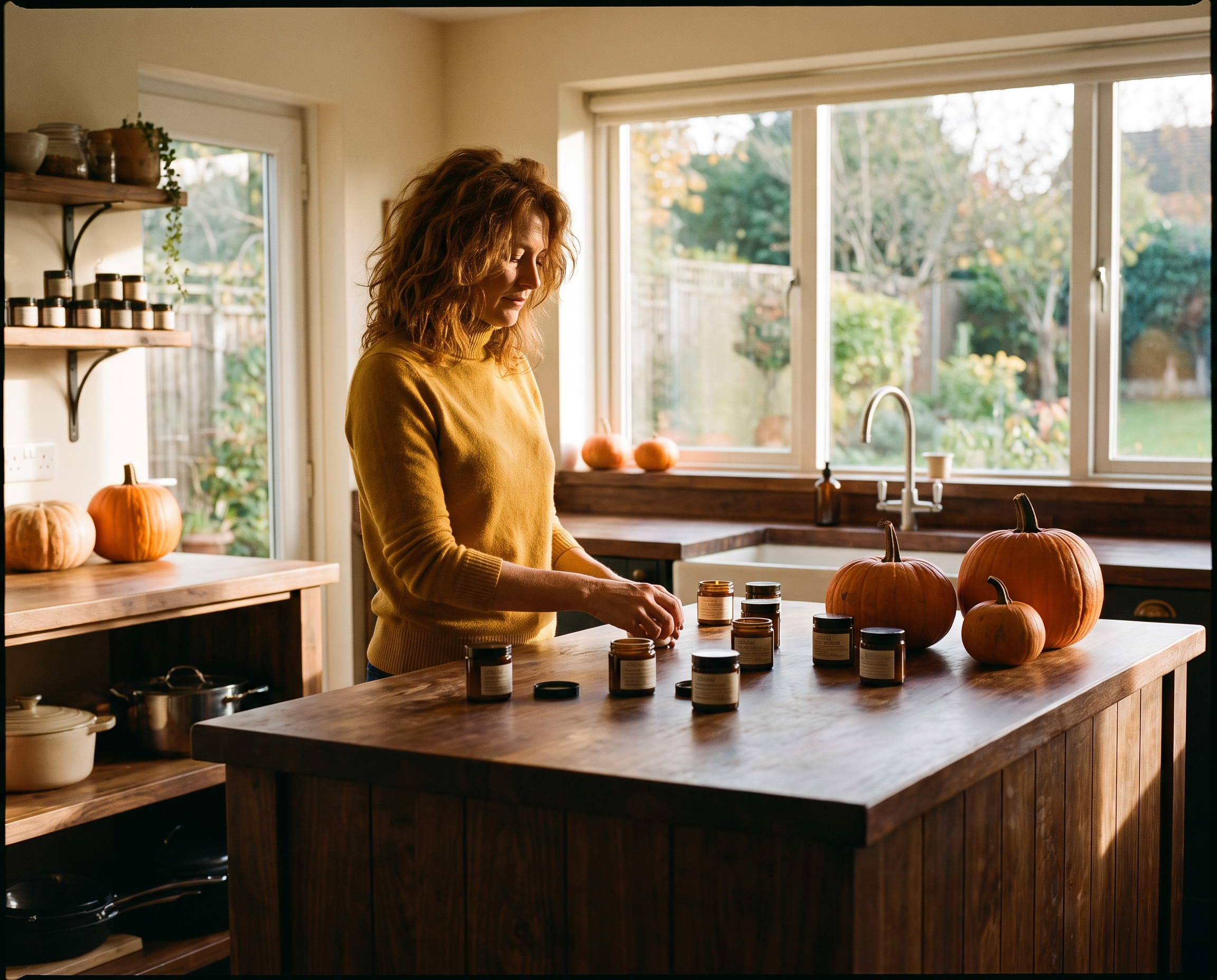
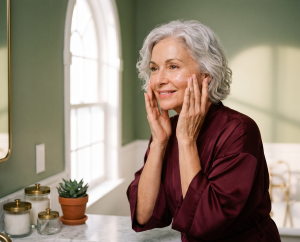
For skin in its fifties, sixties, and beyond, pumpkin’s nutrient profile addresses several of the main structural shifts that come with age in a way that most seasonal ingredients simply do not. Collagen production slows significantly after the age of thirty and continues declining year on year – research estimates that skin loses approximately 1 percent of its structural collagen annually after the mid-twenties, with that rate accelerating through perimenopause and beyond. Vitamin A from beta-carotene and vitamin C from pumpkin flesh both stimulate fibroblast activity, nudging those collagen-producing cells to maintain output even as the natural signal to do so weakens with age. That stimulation does not fully reverse age-related collagen loss, but it supports firmness and elasticity in the areas where they tend to diminish first – the jaw, cheeks, brow, and neck. Prime Women reports that pumpkin skincare is particularly well-suited to mature skin because enzymatic exfoliation is gentle enough not to compromise an already-thinner epidermal barrier, while the accompanying vitamin content actively supports the skin’s regenerative capacity. (Source: https://primewomen.com/beauty-and-fashion/skin-care-and-makeup/pumpkin-skincare-products/)
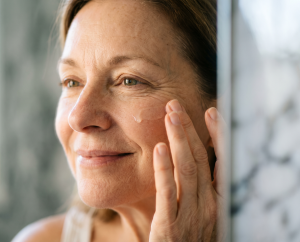
There is also a hydration dimension in pumpkin skincare that often gets less attention than the exfoliation story. Mature skin has fewer functioning sebaceous glands and produces less natural oil, which means it dries out faster – particularly in the transition from humid summer air to the low-humidity environment of fall and the heated indoors of winter. The enzyme exfoliation that pumpkin provides removes the dead-cell buildup that physically blocks moisturizer from reaching the live skin beneath it, which means that whatever serum or moisturizer you apply after a pumpkin treatment actually penetrates and performs better. Vitamin E, present in meaningful amounts in pumpkin, further supports the skin’s natural moisture barrier by helping it retain water rather than simply adding water from the outside. For mature skin dealing with age-related dryness, sun-induced hyperpigmentation, or the rough, uneven texture that comes from years of accumulated UV exposure, a pumpkin enzyme mask two to three times per week paired with a peptide serum and a rich ceramide moisturizer is one of the most practical and evidence-grounded fall protocols available without a prescription. Results are not instant – but consistent use over a season produces visible changes in tone, texture, and radiance that hold up.
Dermatologists at Integrated Dermatology of Tidewater note that professional pumpkin peels are among the few in-office fall treatments that address collagen, exfoliation, and inflammation simultaneously in a single session, making them efficient for patients with multiple concerns and limited appointment time. Professional-grade versions use higher enzyme concentrations than over-the-counter products and may be combined with mild salicylic or glycolic acids for deeper resurfacing. If you are already using pumpkin products at home and finding them beneficial, a professional pumpkin peel in October or November can amplify those results substantially and help the skin enter the driest months of the year in better structural condition. (Source: https://www.idtidewater.com/blog/fall-beauty-spotlight-pumpkin-peel/)
Which Pumpkin Skincare Products Are Worth Buying?

The Peter Thomas Roth Pumpkin Enzyme Mask Enzymatic Dermal Resurfacer is the most widely recognized product in this category and has maintained bestseller status at Sephora for good reason. It contains 16% pumpkin puree alongside alpha-hydroxy acids and aluminum oxide microcrystals, creating a triple-exfoliation effect – enzymatic, chemical, and physical – that single-ingredient masks cannot replicate. The recommended approach is a three-to-seven-minute application with a brief circular massage before rinsing, and the mask has earned consistent reviews for delivering noticeably smoother, brighter skin from the first use. It has a warm, pleasant scent without being overwhelming, a thick, rich texture that feels substantive on the skin, and a formula that works across skin types from dry to oily. For anyone looking for one pumpkin product to start with, this is the one most professionals point to first. (Source: https://www.sephora.com/buy/pumpkin-skincare)
Eminence Organic Skin Care produces two pumpkin standouts worth knowing about. The Yam and Pumpkin Enzyme Peel (8.4 oz) contains a 5% enzyme concentration along with pumpkin pulp puree, beta-carotene, amino acids, and antioxidants – a formula developed for the professional esthetics world and now available for home use. It targets pigmentation, fine lines, and sun damage with consistent application and has a strong track record at treatment-focused spas. The Pumpkin Latte Hydration Masque is a different approach – it leans into pumpkin’s moisturizing properties alongside its enzymatic action and is particularly suited to dry or mature skin that needs hydration and gentle resurfacing in the same step rather than having to choose between them. Both products are available through Amazon and professional skincare retailers. (Source: https://www.amazon.com/Eminence-Organic-Skincare-Enzyme-Pumpkin/dp/B00T5MYNYI)
DERMA E’s Pumpkin Enzyme Scrub pairs pumpkin enzyme with fine bamboo microbeads for a dual-action formula that is gentle enough for sensitive skin and available at accessible price points at Ulta and Amazon. For daily use without a dedicated mask step, Garden of Wisdom’s Fall Into My Pumpkin Cleanser delivers mild enzymatic exfoliation every time you wash your face – a low-commitment way to keep skin clear and prepped through the season. 100% Pure produces a range of pumpkin-infused masks and serums using organic pumpkin as a primary active in formulas free from synthetic fragrances and dyes, making them a practical option for anyone with reactive or allergy-prone skin who still wants to access pumpkin’s benefits without unnecessary additives. All of these products are widely available online and in major beauty retail, so there is no shortage of entry points into pumpkin skincare regardless of your budget or how committed you are to a full routine. (Source: https://dermae.com/blogs/featured/5-uses-and-benefits-of-pumpkin-for-skincare)
FAQs
Can I use pumpkin skincare every day?
It depends on the format. A pumpkin enzyme cleanser at low concentration is generally well tolerated daily for most skin types. Masks and peels designed to sit on the skin for several minutes are better suited to two or three times per week, and if your skin is sensitive or reactive, start with once a week and assess how you respond before increasing frequency. If you notice redness, stinging, or peeling that lasts beyond a few hours after application, dial back the frequency and follow each use with a soothing, barrier-supporting moisturizer to help the skin recover.
Is pumpkin skincare safe if I am already using retinol?
Both pumpkin enzymes and retinol promote cell turnover, so applying them on the same night can over-exfoliate the skin and compromise the moisture barrier. A practical approach is to alternate – use your pumpkin mask on the nights you skip retinol, and use retinol on the nights you skip the pumpkin treatment. If you are using a pumpkin enzyme cleanser at low concentration, it is generally safe to follow with retinol in the evening, but patch test first and build slowly, especially if your skin has any history of sensitivity to either ingredient.
Does pumpkin skincare help with dark spots?
Yes, particularly with consistent use. The AHAs in pumpkin accelerate the turnover of pigmented surface cells, which gradually lightens sun spots, post-acne marks, and uneven tone. Vitamin C adds to that brightening effect by inhibiting tyrosinase, the enzyme that drives melanin production. Visible improvement typically takes four to eight weeks of regular use – not overnight, but the results are real and tend to be well-maintained if you keep sun protection in your routine.
What skin types can use pumpkin skincare?
Pumpkin is among the more versatile active ingredients because the exfoliation is enzymatic rather than purely acidic. Dry skin benefits from cell renewal and vitamin E. Oily and combination skin benefits from zinc-driven oil regulation and pore-clearing enzyme action. Mature skin benefits from the collagen-supporting vitamin A and C content and the gentle exfoliation that does not compromise a thinner barrier. Sensitive skin can generally tolerate pumpkin at low concentrations, though a patch test before full-face application is always the right first step.
Can I make a pumpkin mask at home?
You can. Plain canned pumpkin puree – not pumpkin pie filling, which contains added sugar and spices – mixed with a small amount of plain yogurt creates a functional enzyme mask. The yogurt adds lactic acid, which complements the pumpkin enzymes, and the combination is gentle enough for most skin types. Apply for five to ten minutes and rinse. The enzyme concentration will be lower than a commercial product, but it is a reasonable way to test your skin’s response to pumpkin before committing to a full-size purchase. Keep any unused mixture refrigerated and use within a week.
Fall is the right time to take exfoliation more seriously, and pumpkin is the right ingredient to do it with. Your skin is navigating a genuine shift right now – less humidity, more indoor heating, a slower cell cycle, and a barrier working harder to hold moisture in. Pumpkin addresses each of those shifts: its enzymes clear the surface, its vitamins support the structures beneath, and its anti-inflammatory compounds keep the process calm rather than reactive. A single enzyme mask added to your weekly routine is a real upgrade. A fuller pumpkin-integrated protocol covering cleanser, serum, and mask makes a visible difference by the time winter sets in. For mature skin in particular, that combination of gentle exfoliation and collagen support is exactly the kind of quiet, sustained care that pays off – not as a trend, but as a seasonal habit worth keeping.
Related Posts