Jul
Beauty, Skincare, Trends & Opinions
The Age to Start Anti-Aging Skincare Will Probably Surprise You
If you click on links we provide, we may receive compensation.
Your skin begins losing collagen at around age 25 – roughly 1% of its total collagen supply every single year from that point forward. By your 40s and 50s, that slow, steady attrition becomes impossible to ignore, showing up as fine lines that no longer disappear when you stop squinting, skin that feels less springy to the touch, and a brightness that seems to require more effort to maintain. According to the Skin Cancer Foundation, photoaging – the damage caused by UV exposure – accounts for an estimated 80 to 90% of visible skin changes, meaning much of what we call aging is actually preventable. And yet most people wait until they spot a problem before reaching for an anti-aging product. Dermatologists almost universally say that is a mistake, and the research increasingly backs them up.
Does anti-aging skincare really need to start in your 20s?
The short answer is that some form of it absolutely should, though not necessarily the intensive treatments most people picture when they hear the phrase anti-aging. In your early 20s, your skin is still producing collagen at a healthy clip, cell turnover is brisk, and the structural proteins that keep skin firm and plump are largely intact. What dermatologists recommend at this stage is not aggressive intervention but intelligent prevention. A daily broad-spectrum sunscreen with SPF 30 or higher, a gentle cleanser, and a good moisturizer are genuinely all you need to lay a foundation that protects your skin from the damage that accumulates invisibly over years. Think of it as maintenance rather than repair – the difference between regularly servicing a car and waiting until the engine seizes.
By the mid-to-late 20s, the picture begins to shift slightly. Collagen production is starting its slow decline, and some people begin to notice faint lines around the eyes or a slight change in skin texture after a run of late nights. This is the moment dermatologists often point to as the ideal time to introduce antioxidants into a routine. Vitamin C serums neutralize free radicals from UV exposure and pollution before they can degrade collagen and elastin. They also help prevent the formation of dark spots by interfering with melanin production. Applying a vitamin C serum in the morning, before sunscreen, gives the skin a meaningful layer of chemical protection on top of the physical barrier SPF provides. For most people in their mid-to-late 20s, this simple routine – antioxidant serum, moisturizer, sunscreen – is both sufficient and genuinely effective at slowing the aging process.
What is actually happening beneath the surface of your skin as you age?
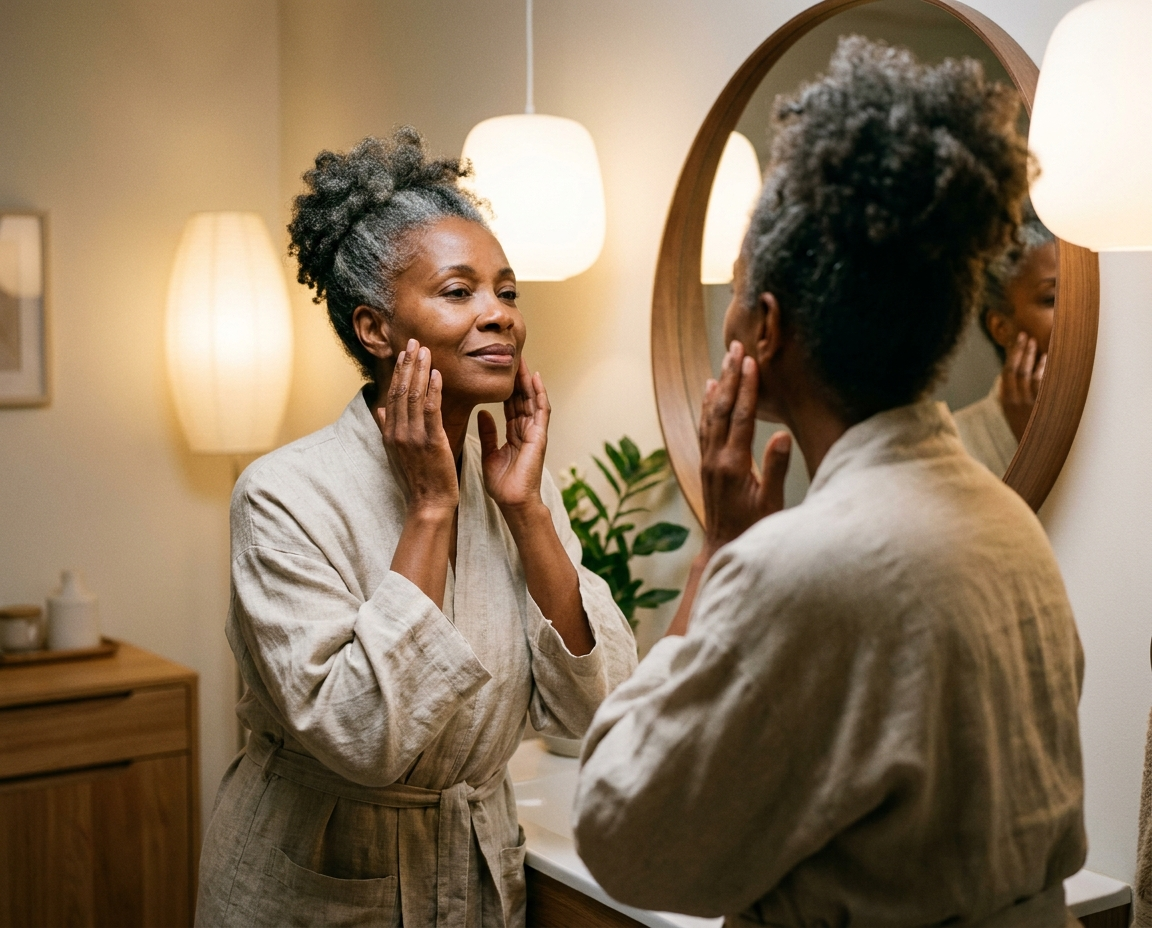
Skin is one of the most structurally sophisticated organs in the body, and aging affects it on multiple levels simultaneously. The dermis – the deep layer responsible for skin’s thickness and firmness – is rich in collagen and elastin fibers produced by cells called fibroblasts. Research published by the National Institutes of Health has shown that collagen production by these fibroblasts decreases with age, and that the fibers themselves become more fragile and brittle over time, reducing the skin’s structural support and contributing to sagging and wrinkle formation. At the same time, cell turnover in the outer layer of the skin slows, meaning dead skin cells take longer to shed and fresh ones take longer to rise to the surface. The result is skin that looks duller, feels rougher, and has a harder time bouncing back from environmental stress. (Source: https://pmc.ncbi.nlm.nih.gov/articles/PMC1606623/)
Hormones add another layer of complexity. Estrogen plays a significant role in maintaining skin thickness and hydration, which is why the hormonal changes that come with perimenopause and menopause can feel like a sudden acceleration of the aging process. Research suggests women can lose up to 30% of their skin collagen in the five years immediately following menopause – a rate of loss far greater than the 1% annual decline of earlier decades. This is not an inevitability that cannot be managed, but it does underscore why dermatologists are so insistent about laying the groundwork early. The habits you build in your 20s and 30s create a reserve of healthier, denser skin that makes the hormonal shifts of later decades more manageable. Starting is never a bad idea, but starting early is a genuinely better one. (Source: https://nchstats.com/collagen-loss-by-decade/)
Why is sunscreen the single most important anti-aging product?

No ingredient in any bottle, serum, or cream does as much for your skin’s long-term appearance as a daily broad-spectrum sunscreen. Studies suggest that up to 80 to 90% of visible skin aging is caused by UV exposure – not the passage of time alone. UV radiation damages collagen and elastin fibers through a process involving enzymes called matrix metalloproteinases, which break down the structural scaffolding of the dermis. It accelerates the formation of sunspots, deepens existing lines, and contributes to the uneven tone that makes skin look older than its years. All of this damage builds up silently over decades, which is why a woman in her 50s who wore sunscreen faithfully in her 20s and 30s will typically have noticeably better skin than one who did not. (Source: https://www.skincancer.org/blog/photoaging-what-you-need-to-know/)
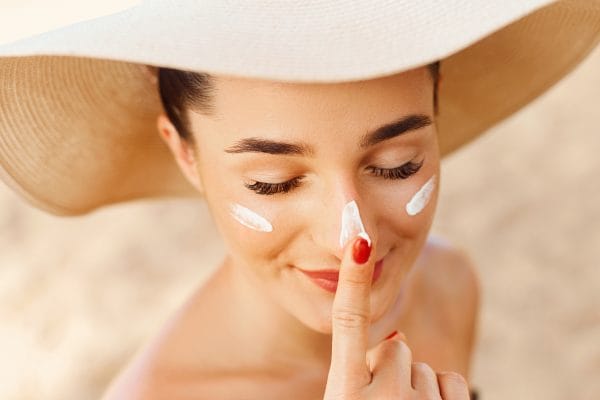
Applying sunscreen every single day – not only on beach days or when the sun feels strong – is the recommendation from virtually every major dermatology body in the world. UV rays penetrate cloud cover and glass, meaning the damage can accumulate during a daily commute or while sitting near an office window. The American Academy of Dermatology recommends SPF 30 as a minimum for everyday use, with SPF 50 preferable when prolonged outdoor time is expected. The formulation matters less than consistent application – a mineral sunscreen with zinc oxide, a chemical sunscreen with avobenzone, or a hybrid formula are all effective as long as they cover both UVA and UVB wavelengths. Getting into the habit of applying it as the last step in your morning routine, every morning, is the single most impactful skincare decision most people can make at any age. (Source: https://www.aad.org/public/everyday-care/skin-care-secrets/anti-aging)
What role does retinol play, and when should you start using it?
Retinol – a vitamin A derivative – is the most clinically studied anti-aging ingredient in existence and, for most dermatologists, the gold standard in topical anti-aging skincare. It works by increasing the rate of cell turnover, signaling skin cells to divide and reach the surface more quickly, which improves texture and brightness. Retinol also stimulates collagen production in the dermis and inhibits the enzymes that break collagen down, giving it a direct effect on the structural integrity of the skin. Long-term clinical studies have shown that consistent retinol use visibly reduces fine lines and wrinkles, improves skin tone and texture, and can help reverse some of the early signs of photoaging. It is, by a significant margin, the most evidence-backed anti-aging ingredient available without a prescription. (Source: https://torontodermatologycentre.com/an-age-by-age-guide-to-using-retinol/)
Most dermatologists recommend introducing retinol in the mid-to-late 20s, starting with a low concentration – typically 0.25% to 0.3% – used once or twice a week to allow the skin to build tolerance. This cautious start matters because retinol can initially cause redness, flaking, and increased sensitivity to sunlight, side effects that are manageable with a gradual approach but unpleasant if you skip the ramp-up phase. As the skin adapts, frequency and concentration can be slowly increased over a period of months. By the 30s, a concentration of 0.5% to 1% applied several nights a week is appropriate for most people. Retinol is applied at night – it degrades in sunlight and should never be skipped over in favor of a morning application – and should always be followed the next morning by sunscreen, as it increases UV sensitivity. For those with particularly sensitive skin, bakuchiol, a plant-derived alternative, offers gentler effects with meaningful, if somewhat less dramatic, results.
Advertisement
How should your skincare approach shift in your 30s and 40s?

The 30s are when most people notice the first real changes in their skin – fine lines that seem a little more settled, a loss of the plumpness that made moisturizer feel optional in your 20s, and perhaps the first appearance of dark spots from cumulative sun exposure. This is the decade to make sure a complete routine is firmly in place. Alongside sunscreen and a vitamin C serum, adding a retinol and a quality peptide serum can make a measurable difference. Peptides are short chains of amino acids that signal fibroblasts to produce more collagen, effectively nudging the skin to rebuild what age is beginning to chip away. Using a peptide serum in the morning and retinol at night is a schedule that many dermatologists recommend for efficiency and a low risk of irritation. Layering too many actives at once is a common mistake – keeping the routine streamlined and consistent yields far better results than cycling through trending products.
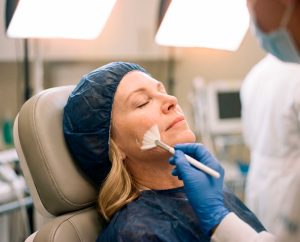
In your 40s, the changes become more pronounced. Skin may feel drier as sebaceous glands become less active, and the gradual loss of fat in the deeper layers of the face can make the skin look less supported overall. Hyaluronic acid becomes a genuinely important addition at this stage, as it draws water into the skin and helps maintain the surface hydration that keeps fine lines from looking more pronounced than they are. Higher-strength retinoids – including prescription-strength tretinoin, which is more potent than over-the-counter retinol – can offer more substantial results for those whose skin can tolerate them. This is also the decade when regular in-office treatments like chemical peels, laser resurfacing, or microneedling can meaningfully complement a home skincare routine, as the deeper structural changes in the skin may benefit from more targeted intervention. Working with a board-certified dermatologist to assess which options suit your skin type is well worth the conversation.
What does skin in your 50s and 60s actually need?

For women in their 50s and 60s, the combination of hormonal changes, cumulative sun damage, and the natural deceleration of cellular processes means the skin has genuinely different needs than it did even a decade earlier. Dryness is often the dominant complaint at this stage – the skin’s natural moisturizing factors decline, the lipid barrier becomes thinner, and transepidermal water loss increases, all of which can leave skin feeling tight and looking dull. Rich, barrier-repairing moisturizers become less of a luxury and more of a practical necessity. Look for formulas that contain ceramides, which restore the lipid barrier, alongside humectants like glycerin and hyaluronic acid that pull moisture into the skin. Applying moisturizer to slightly damp skin after cleansing helps trap additional hydration and amplifies the effect of even a basic formula.
Retinoids remain highly relevant for mature skin, though tolerance can shift as the skin’s barrier thins. If full-strength retinol causes irritation at this stage, stepping down to a retinol ester or using it every other night is a sensible adjustment rather than abandoning the ingredient altogether – the evidence for its benefits at any age is too strong to give it up entirely. Peptides take on even greater importance in your 60s, as the skin’s natural collagen production has slowed considerably, and peptides offer one of the most reliable topical tools for continuing to support it. Niacinamide is another underrated ingredient for mature skin – it strengthens the skin barrier, brightens uneven tone, and reduces the appearance of pores and fine lines without the irritation risk of retinoids. And sunscreen, always sunscreen. A lifetime habit of daily SPF use remains one of the single most important things a woman in her 60s can do for the appearance and long-term health of her skin.
It is also worth saying plainly: your 50s and 60s are absolutely not too late to start. If you arrive at this decade without having had a consistent skincare routine, you will still see real improvement from introducing sunscreen, a quality retinoid, good hydration, and antioxidants. Skin is a living organ and responds to the right signals regardless of when they arrive. The improvements may not be as dramatic as if you had started decades earlier, but they are real, visible, and worth every bit of the effort. There is also genuine satisfaction in taking care of your skin at any age – not from a place of anxiety about appearance, but from the confidence of knowing you are giving your body what it needs to look and function well.
Are there lifestyle factors that speed up skin aging?
The ingredients you put on your skin matter enormously, but so does the environment your skin lives in every day. Smoking is among the most damaging habits for skin health – it constricts blood vessels, reducing the oxygen supply to skin cells, and generates free radicals that attack collagen and elastin fibers over time. Research in dermatology has linked smoking to premature wrinkling, particularly around the mouth and eyes, as well as a dull, sallow complexion that no topical product can fully correct. Chronic sleep deprivation impairs the skin’s ability to repair itself overnight, when cell turnover and collagen synthesis are at their peak. Stress elevates cortisol levels, which at chronically high concentrations can break down collagen and trigger inflammatory skin conditions like acne and rosacea that compound the visible effects of aging.
Diet plays a role that is often underestimated in the skincare conversation. A high-sugar diet accelerates a process called glycation, in which sugar molecules bind to collagen and elastin fibers, making them stiff and prone to breakage and contributing to accelerated wrinkling and loss of elasticity. Conversely, a diet rich in antioxidants – colorful vegetables, berries, oily fish, nuts – provides the raw materials skin needs to defend itself against oxidative damage. Adequate hydration supports the skin’s natural functions, though the evidence that drinking more water directly plumps the skin is more nuanced than the wellness industry often suggests. What is clear is that overall metabolic health – stable blood sugar, an anti-inflammatory diet, consistent movement – supports skin function at a cellular level in ways that no topical product can fully replicate on its own.
Frequently Asked Questions
Is it too late to start anti-aging skincare in my 50s or 60s?
Absolutely not. Skin responds to effective care at any age, and introducing sunscreen, a retinoid, and good hydration at 55 or 65 will produce genuine improvements in texture, tone, and moisture levels. The timeline for seeing results may be slightly longer than if you had started in your 30s, but the changes are real and measurable. Dermatologists point out that even modest improvements in photoprotection at this stage can significantly slow further damage going forward, which matters a great deal for the years ahead.
What is the very first anti-aging product I should buy?
Sunscreen – every time, at every age. A broad-spectrum SPF 30 or higher, applied every morning regardless of the weather or season, is the most impactful anti-aging purchase anyone can make. If you want to add a second product, a vitamin C serum applied under your sunscreen amplifies protection against UV-induced damage and helps even skin tone over time. These two products together form the most cost-effective and evidence-backed anti-aging routine available.
Can I use retinol if I have sensitive skin?
Yes, with care and patience. Start with the lowest available concentration – around 0.25% – and use it just once a week for the first month before slowly increasing frequency. Applying retinol over a layer of moisturizer can reduce irritation without significantly diminishing effectiveness. If standard retinol still proves too harsh, look for retinol esters like retinyl palmitate, or consider bakuchiol, which has shown meaningful anti-aging effects in clinical studies with considerably less risk of irritation for sensitive skin types.
Do I need different products at 40 compared to 25?
Your core routine – sunscreen, antioxidant serum, moisturizer, retinoid – remains relevant at both ages, but the specific formulations benefit from adjustment as the years pass. In your 40s, richer moisturizers, higher-strength retinoids, and targeted ingredients like hyaluronic acid and peptides make differences that may be less noticeable at 25 when the skin’s natural systems are doing more of the heavy lifting on their own. The goals shift from pure prevention toward prevention plus active support of skin processes that are beginning to slow down.
Does what I eat affect how quickly my skin ages?
It does, in meaningful ways. A high-sugar diet speeds up glycation, a process that stiffens collagen and contributes to deeper, earlier wrinkles. An antioxidant-rich diet of colorful vegetables, berries, and omega-3 fatty acids supports the skin’s cellular repair processes and helps combat oxidative damage from the inside out. Quitting smoking and moderating alcohol are among the most impactful lifestyle changes for skin health, with effects that show up within months and compound over years.
The truth about anti-aging skincare is that the biggest returns come not from the most expensive products but from the simplest habits started earliest and maintained longest. Sunscreen worn every day in your 20s has more anti-aging impact than almost any serum started in your 50s, though that serum will still help – and help meaningfully. The ideal routine looks different at 25 than at 65, but the underlying logic is the same at every age: protect what you have, support what your skin can no longer do on its own, and do both consistently. Your skin is with you for every decade of your life, and investing in it thoughtfully now is always time and money well spent.
Related Posts