Jul
If you click on links we provide, we may receive compensation.
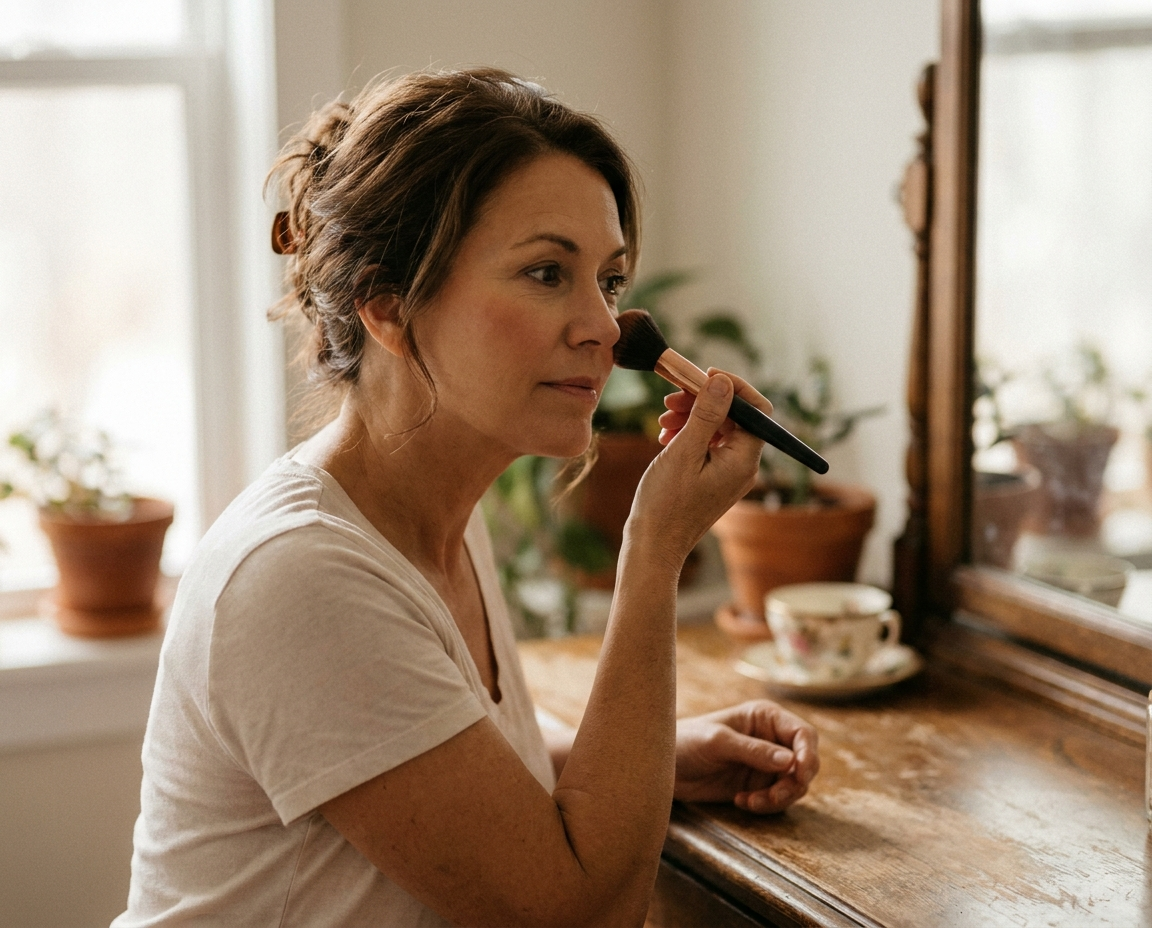
Women over 40 lose roughly a third of their skin’s natural oil production every decade – a documented decline that quietly reshapes how every product on the face behaves. That single fact explains something that baffles a lot of people: applying blush beautifully in the mirror, stepping back to admire it, and then catching a glimpse of yourself twenty minutes later to find it’s basically gone. It feels like a product failure. It feels like you did something wrong. But neither is true. What you’re experiencing is a perfectly logical response to a biological shift in your skin, and once you understand it clearly, you have real, practical options for fixing it.
Is It the Blush or Is It Your Skin?
When powder blush disappears quickly, the instinct is to blame the product. You might reach for a so-called long-wear formula, press harder with the brush, or layer on more colour hoping it will stick. But the problem is usually not the pigment or the formula – it’s the surface those products are landing on, and how that surface has changed. Skin in your 40s, 50s, and beyond is genuinely different from skin in your 20s. It holds less oil, has a different texture at the microscopic level, and often has a compromised barrier function that changes how any topical product behaves on it. The fix, therefore, has to start with the skin itself.
Makeup science is well established on this point. Powder products – pressed blush, setting powder, bronzer – rely on mechanical adhesion to stay on skin. They need something to grip. That grip comes from a combination of microscopic surface texture and natural skin oils that act as a binding agent. When either of those things is reduced, powder makeup slips off rather than anchoring to the face. The good news is that both are directly addressable, once you know what’s going on. Understanding the cause is more than half the solution.
Why Does Powder Need Something to Grip?
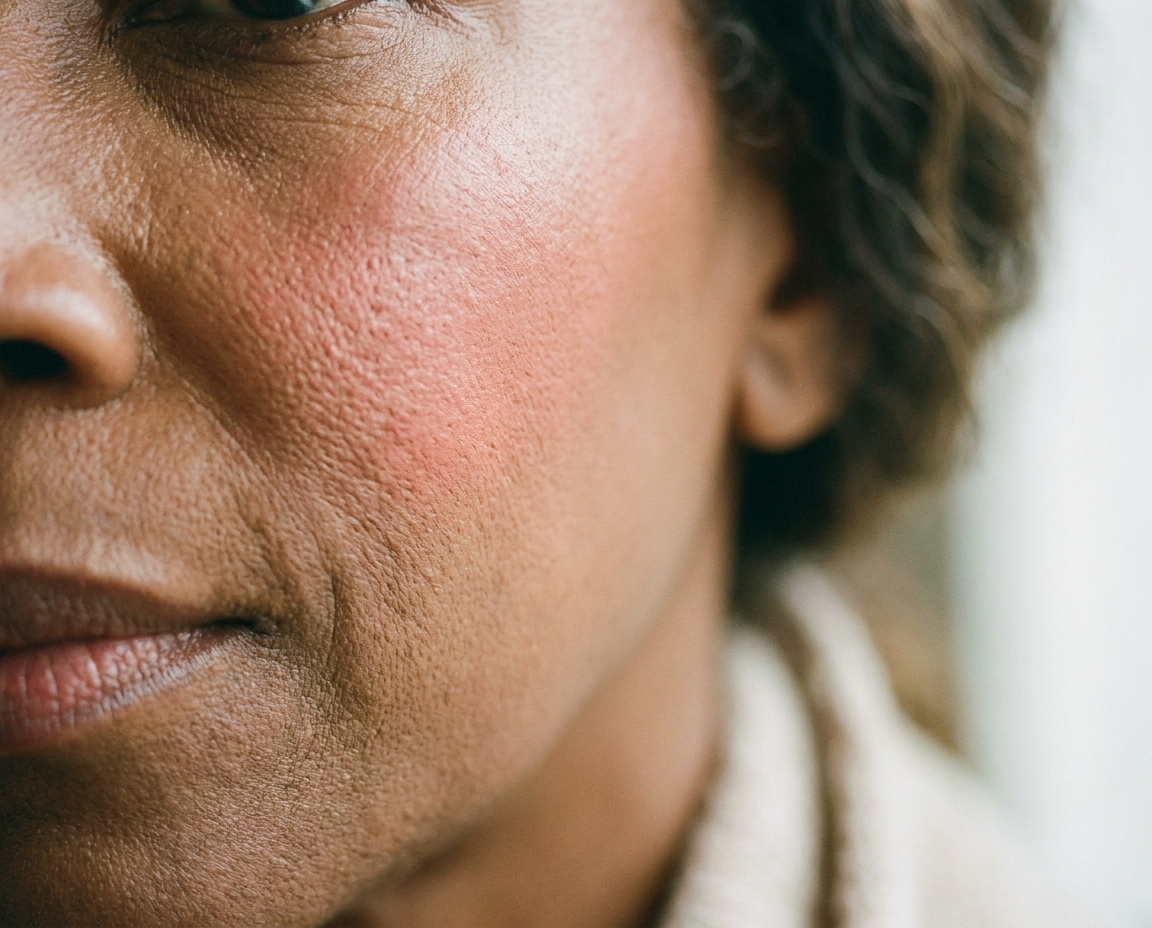
Think of it this way. Hanging a painting on a slightly textured plaster wall is easy – there’s enough surface variation for a nail to find purchase. Trying to hang that same painting on a polished marble surface is a different project entirely. Young skin has a naturally slightly textured outermost layer – the stratum corneum – with fine pores, gentle surface variation, and a slightly rough cellular arrangement that gives powder pigments somewhere to hold on. Mature skin changes that equation in ways that are measurable, specific, and worth knowing about.
Research published in the International Journal of Molecular Sciences shows that the stratum corneum undergoes significant structural shifts with age. Keratin fibres stiffen, intercellular lipid organisation changes, and the skin’s surface alters in ways that affect how topical products adhere and behave. The same review notes that aged skin displays compromised barrier homeostasis and reduced stratum corneum hydration – both of which directly affect how makeup wears throughout the day. Source: https://pmc.ncbi.nlm.nih.gov/articles/PMC8624050/. The cellular desquamation process also slows, which can create a dull surface appearance that doesn’t help powder products look or behave their best.
Paradoxically, this smoothing doesn’t always make skin look smoother to the naked eye. It often looks duller or more uneven because of accumulated surface cells and slower turnover. But from a makeup physics standpoint, the microscopic surface texture that powder used to grip has been altered. The tiny irregularities that once anchored blush in place are different. Powder pigment that used to stay put now disperses or slides. The result looks the same whether your skin is visibly rough or visibly smooth: your blush goes nowhere and stays there.
What Happens to Your Skin’s Natural Oil After 40?
Sebum – the natural oil your skin produces – acts as a quiet, behind-the-scenes primer. It helps powder bind to the skin surface and stay there. In your teens and twenties, sebum production is robust. You might have struggled with shine, mid-afternoon oiliness, or blush that slid off for a completely different reason: too much oil emulsifying the powder on contact. Then, gradually and reliably, the picture changes. Research on sebaceous secretion rates estimates that women experience a decline of around 32% per decade in natural oil production starting in adulthood – a significant reduction that accelerates around menopause as oestrogen and progesterone levels fall. Source: https://skinkeeps.com/skin-types/oily-skin-age-sebum/
Post-menopause, the hormonal environment shifts further. Progesterone decline reduces sebum output, and lower testosterone has a parallel effect on sebaceous gland activity. A study published in the journal Dermatology found significant declines in sebum excretion rates during the first decade after menopause in women not receiving hormone replacement therapy – a real, documented change with real makeup consequences. Source: https://pubmed.ncbi.nlm.nih.gov/11834844/. Understanding that this is a hormonal shift, not a skincare failure, changes how you approach the problem.
This matters for blush in a very specific way. There are actually two different oil-related blush problems that feel similar from the outside. The first is the oily-skin version: too much sebum emulsifies powder on contact, breaking it down. The second – and the one most common in women over 40 – is the opposite. Too little sebum means there’s nothing for powder to bind to. Both show up as “my blush doesn’t last,” but the cause and the fix are completely different. If your skin runs dry rather than oily, adding the right kind of slip at the right stage is often part of the answer, not a problem to be avoided.
Advertisement
Could Your Skincare Be Making It Worse?
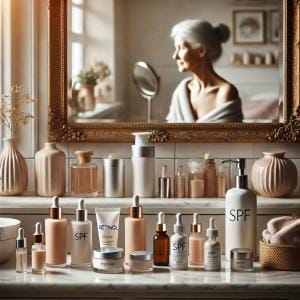
Here’s a cause that surprises most people. Silicone-based skincare products – and many modern formulations contain them – create a smooth, low-friction film on skin that powder makeup simply cannot grip. Dimethicone and similar silicone polymers are common ingredients in moisturisers, primers, sunscreens, and serums. They’re there because they feel extraordinary: silky, smoothing, comfortable, and elegant. But they’re doing to your cheeks exactly what polished marble does to a nail. Powder blush applied over a significant silicone base will shift, fade, or vanish within minutes, regardless of how good the product is.
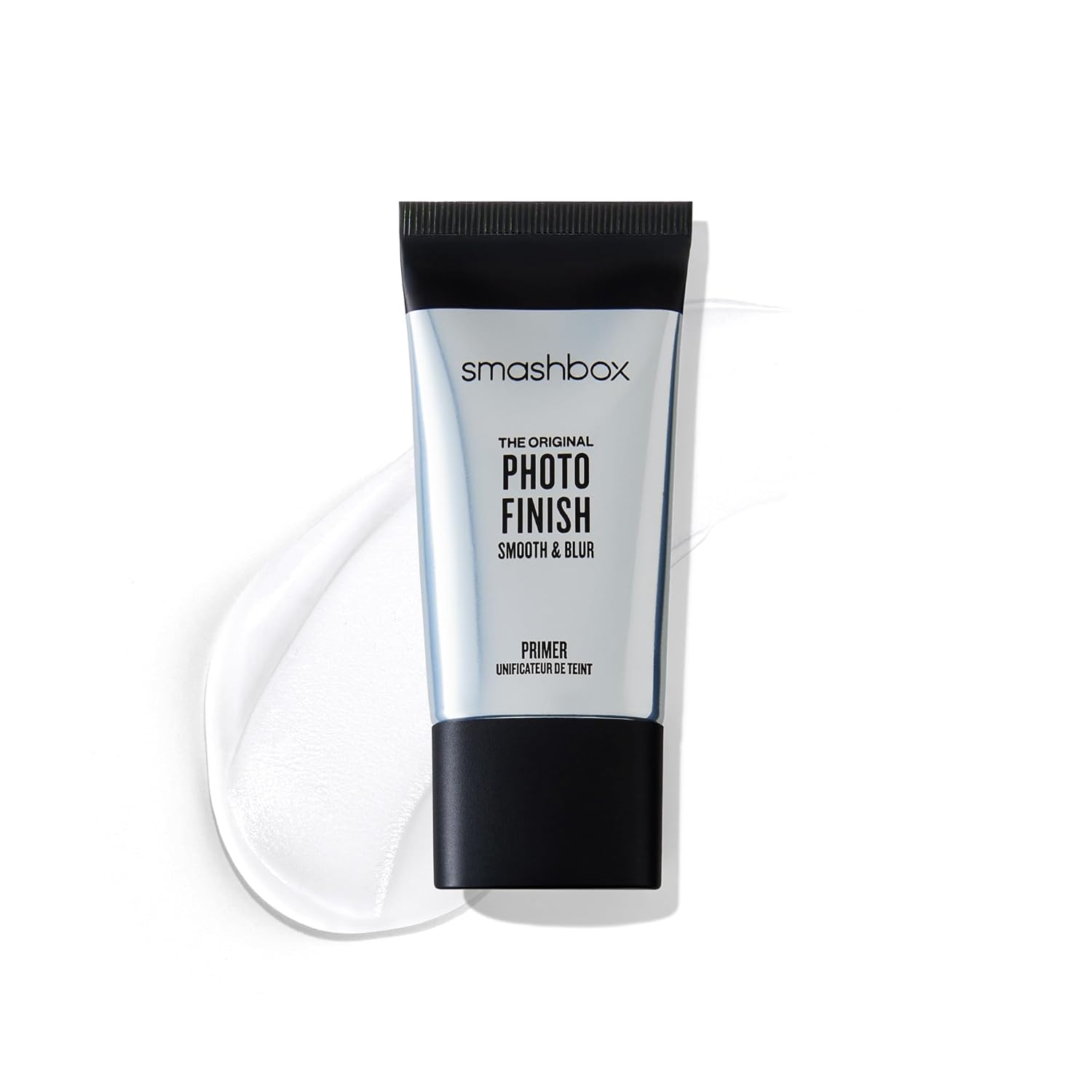
The specific culprits to watch for include dimethicone-heavy moisturisers, facial oils applied immediately before makeup, and heavy SPF formulations that haven’t been given enough time to fully absorb. Some well-known makeup primers are also part of this problem – ironically, a few products marketed specifically as makeup-extending primers are silicone-rich and actually hasten blush disappearance rather than preventing it. Flipping your moisturiser over and scanning for ingredients ending in ‘-cone’ or ‘-siloxane’ near the top of the list will tell you a great deal about why your blush isn’t staying put. This is fixable without giving up the products that work for your skin.
The fix isn’t to abandon the skincare that works for you – mature skin needs moisture, full stop, and that’s non-negotiable. The fix is sequencing and timing. Allowing your moisturiser and SPF to fully absorb – a minimum of five minutes, ideally ten – before you apply any powder dramatically changes the result. A light blot of the cheeks with a clean tissue before blush removes residual surface slip without stripping hydration. These feel like small adjustments, but the payoff in blush longevity is often larger than you’d expect from such simple changes.


How Does Volume Loss Change Where Blush Should Land?
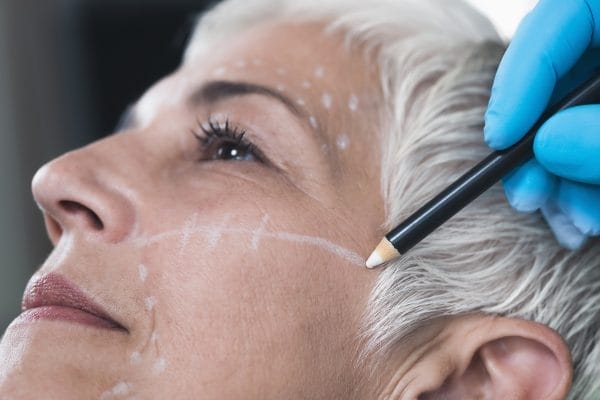
Facial structure changes with age in ways that go well beyond skin texture. The malar fat pads – the deep cushions that sit on your cheekbones and give young faces their rounded, lifted appearance – shrink and descend over time. Research on facial anatomy in aging shows that deep facial fat deflates and shifts downward through the 40s and 50s, creating hollowing in the mid-cheek while adding volume to the lower face. Source: https://drturner.com.au/blogs/facial-fat-pads-changes-40s-50s/. This structural shift matters for blush in a practical, specific way that almost no one explains.
The classic technique of applying blush to the “apples of your cheeks” – the rounded area that puffs up when you smile – worked brilliantly at 25, when those apples sat high and full. On a face where the fat pads have descended, that same technique places colour lower on the face, sometimes directly in or near what is now a hollow. Blush that sits in a hollow looks flat, doesn’t catch light, and appears to disappear. The placement technique isn’t wrong because you’ve lost skill. It’s wrong because the face architecture it was designed for has changed beneath it.
Moving blush placement upward immediately solves a significant part of the problem. Applying colour along the cheekbone rather than below it, blending toward the temple rather than the nose – this simple shift changes what the blush is doing on the face. The “draping” technique, which sweeps colour from the upper cheekbone across toward the hairline in a soft arc, has gained popularity specifically because it works with a more sculpted, mature face rather than against it. A higher placement also creates a subtle visual lifting effect. It’s a technique upgrade, not a concession.
What Are the Most Effective Techniques for Making Blush Stay?

The application method itself matters as much as product choice. A large, fluffy blush brush is ideal for oily, textured skin with plenty of natural grip – it buffs and disperses pigment evenly over a surface that can hold it. On smooth, dry, low-oil skin, that same sweeping motion disperses pigment rather than depositing it. The powder goes everywhere and stays nowhere. Switching to a denser, more tapered kabuki-style or domed blush brush, and using a firm press-and-pat motion rather than a sweep, genuinely changes how much colour lands on the skin and stays there. It’s a small adjustment with a visible difference.
Setting spray is another tool that earns its place in this routine. A fine mist applied over the face after blush – holding the bottle about eight inches away and misting in an X or T pattern – slightly reactivates the surface of the powder and helps it bond more effectively to skin. The moisture from the spray does something dry application alone cannot: it bridges the gap between the powder’s surface and the skin’s. Affordable options like NYX Matte Finish Setting Spray, e.l.f. Stay All Night, or MAC Fix+ work as well as premium versions for this purpose. A very light dusting of translucent setting powder directly over blush is also a reliable option for locking colour in place.

Layering is the third technique worth adopting. Applying blush, waiting thirty seconds for it to settle, and then applying a second thin layer builds longevity without making the colour look heavy or overdone. The approach many makeup artists refer to as the cream-and-powder sandwich – a thin layer of cream blush pressed in first, then a coordinating shade of powder blush applied on top to set it – is widely considered the most reliable method for lasting colour on mature skin. Each layer alone is good. Together, they last significantly longer than either would on its own.
Is Cream Blush Really That Different for Mature Skin?
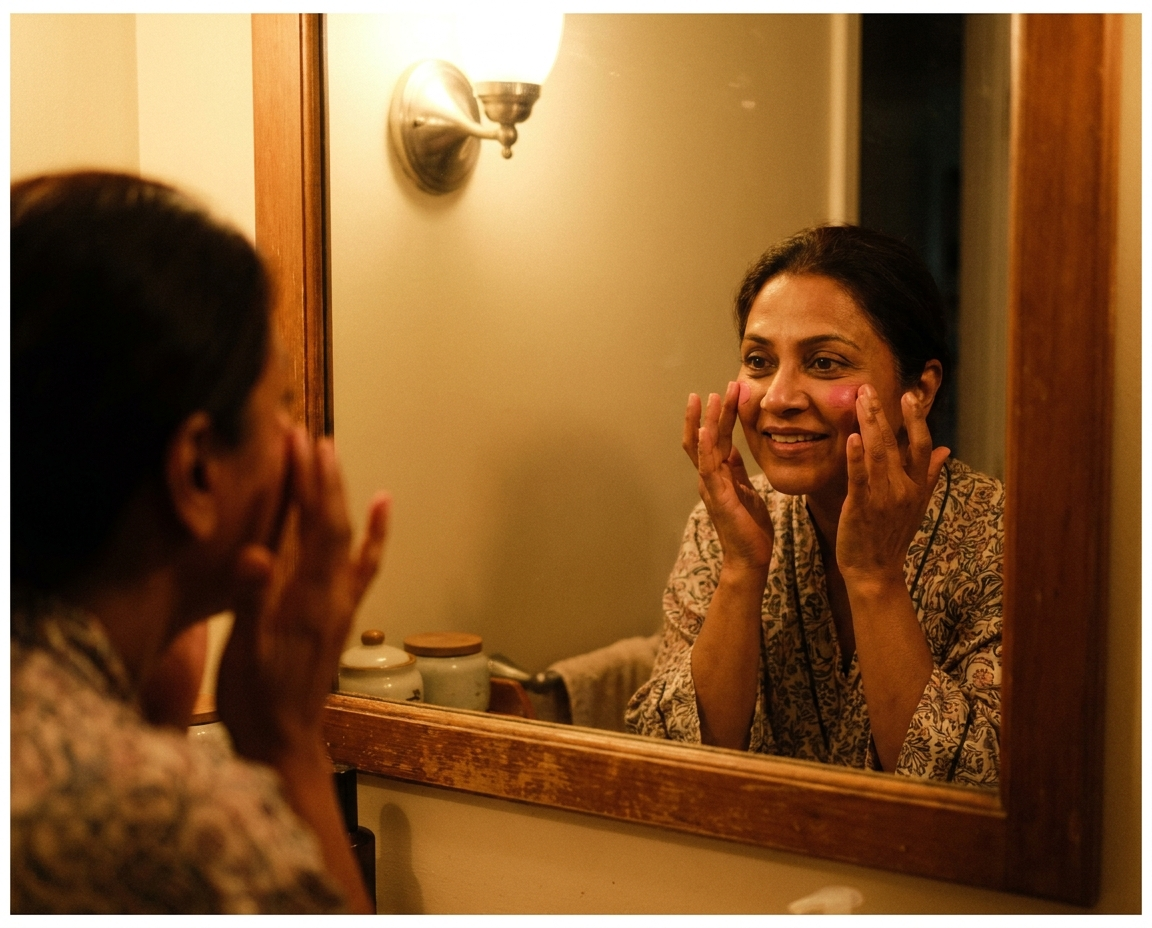
This is the formulation switch that makes the most immediate, visible difference – and it’s worth being direct about why. Cream and liquid blush formulations don’t rely on surface texture to adhere. They blend into the skin and bond with its natural moisture content. They work with the skin’s chemistry rather than requiring a particular surface type. On dry, smooth, lower-oil mature skin, cream blush performs reliably in conditions where powder blush fails. The difference isn’t subtle. It’s the kind of result that makes people wonder why no one told them sooner. Source: https://koreancosmetics.cy/cream-vs-powder-blush-which-is-best-for-mature-skin/
Application method matters here. Cream blush applied with fingertips – pressing and patting rather than swiping – warms the product and helps it melt into skin with the most natural, seamless finish. A damp beauty sponge is the second-best option, giving slightly more control over placement. The key is speed and restraint: cream and liquid blush set quickly on mature skin, which is actually an advantage when you work with it rather than against it. Apply, blend within about fifteen seconds, and then leave it alone. Over-blending after the initial set breaks up the colour and reduces how long it lasts.

Liquid blushes have built a devoted following specifically among women over 40 in recent years, and the reason is purely practical. Products like Rare Beauty Soft Pinch Liquid Blush have cult status partly because they last reliably on skin that doesn’t hold powder well. Blush sticks – NARS Orgasm Blush Stick, Ilia Multi-Stick – offer a similar benefit with an even easier application. Affordable options including e.l.f. Putty Blush, Milani Cheek Kiss, and NYX Butter Blush perform well above their price point for the same reason: they bond to skin rather than sitting on top of it and waiting for gravity to win. Tower 28 Beam Dream and Milk Makeup Cooling Water Jelly Tint are two more worth exploring if you want something lightweight and buildable.
For those who prefer powder and don’t want to switch formulations entirely, baked blush offers a genuine middle ground. Baked blushes are compressed with oils during manufacturing, giving them better adhesive properties than standard pressed powder. Hybrid cushion and blurring powder formulations also tend to behave more like cream against the skin. In terms of shade choice, warm peachy-coral tones tend to show better and look more natural on mature skin than stark cool pinks, and matte or satin finishes consistently outperform frost and shimmer for longevity on smooth surfaces.
What Does All of This Mean for Skin Over 50?
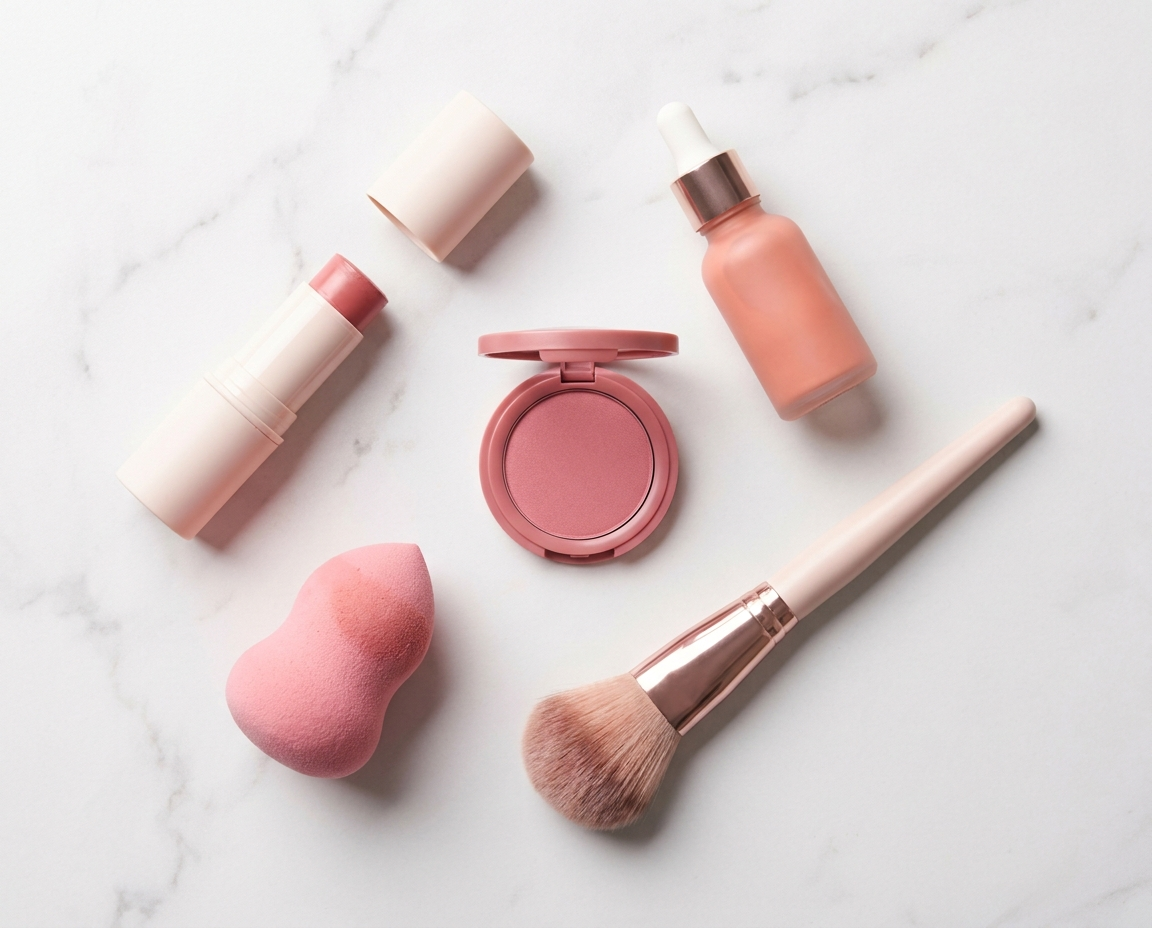
At 50 and beyond, volume loss and skin dryness become the two most significant variables affecting how blush wears. Cream and liquid formulations aren’t just a preference at this stage – they’re functionally more effective on skin that has changed substantially from its younger baseline. The draping technique, with colour placed high on the cheekbone and blended toward the temple, is particularly flattering because it works with the face’s current architecture rather than imposing a younger one on it. What used to be a youthful trick becomes a genuinely intelligent response to a genuinely different face.
Hydration matters more than at any earlier stage, both for skin health and for how makeup performs. Well-moisturised, plump skin holds blush more reliably and looks more natural beneath product. Applying a hydrating serum before moisturiser, allowing full absorption before makeup, and not skipping SPF all contribute to a better makeup result in addition to genuine long-term skin benefit. Don’t rush the skincare-to-makeup transition. That ten minutes of absorption time is doing real work. It is, in a sense, the most important step in your blush routine even though it has nothing to do with blush.
One important shift in mindset at this stage: less colour is more flattering, not because age calls for restraint, but because a natural flush genuinely looks younger and more alive than a heavy application. A sheer, buildable wash of warm coral or soft peach – placed high and blended well – reads as healthy skin rather than applied makeup, and that’s exactly the goal. Don’t over-blend cream blush on mature skin; let it settle for a moment after pressing it in, and trust that it’s doing its job. Less fussing, better result. Your skin has changed, and that’s not a problem. It’s information.
FAQs
Is cream blush really better than powder for women over 40?
For most women over 40, yes – and the reason is tied directly to how aging skin changes. Powder blush relies on surface texture and natural skin oil to adhere. As both of those decrease with age, powder becomes progressively less reliable. Cream and liquid formulations bond with the skin’s moisture instead, making them more effective on the dry, smooth, lower-oil surface of mature skin. The practical difference is significant: cream blush typically lasts considerably longer than the same shade in powder form on dry mature skin. That said, the cream-then-powder sandwich technique – cream first, a light dusting of matching powder on top to set it – gives the best of both formulas.
What’s the best primer for making blush last longer?
The primer choice matters a great deal, and the answer is counterintuitive. Silicone-based primers – including several well-known ones – actually accelerate blush disappearance on mature skin because they create a slippery surface that powder can’t grip. For better blush hold, look for water-based primers with a slightly tacky finish. Options that consistently perform well include Milk Makeup Hydro Grip Primer, e.l.f. Poreless Putty Primer, and Charlotte Tilbury Flawless Filter. Apply the primer specifically to the cheek area, let it set for thirty seconds, then apply blush directly on top. The slight tackiness is exactly what gives powder something to hold on to.
Why does my blush look great at home but disappear by lunchtime?
A few things are usually at play simultaneously. The most common culprit is skincare that hasn’t fully absorbed before makeup application – silicone and oil ingredients in your moisturiser or SPF create a slippery base that powder simply can’t grip. Other factors include application technique (sweeping rather than pressing), a formulation mismatch between powder blush and dry mature skin, and placement that doesn’t account for changed facial structure. The fix is usually a combination: allow more absorption time after skincare, consider switching to a cream or liquid blush, use a denser brush with a pressing motion, and finish with a light mist of setting spray over the whole face.
Where exactly should I apply blush now that my face has changed shape?
The classic apples-of-the-cheeks placement most people learned is often too low for a face with descended fat pads – it places colour in or near the mid-cheek hollow, where it looks flat and disappears. Instead, place blush higher: along the cheekbone itself, starting roughly level with the iris, and blend upward toward the temple. The draping technique takes this further, sweeping colour from the upper cheekbone across toward the hairline in a gentle C-shape. This works with the face’s current structure and creates a subtle visual lift. A small amount at the bridge of the nose, blended softly, adds a natural sun-kissed dimension as an optional final step.
Does setting spray actually help blush last longer?
Yes – and it works in a specific, practical way. Setting spray adds a fine mist of moisture over dry powder, slightly reactivating the surface and helping it bond more effectively to skin. On mature skin, which is often too dry to grip powder naturally, that extra moisture makes a genuine difference to wear time throughout the day. Apply it after your full makeup is complete, holding the bottle about eight inches from your face. It doesn’t need to be expensive – NYX Matte Finish, e.l.f. Stay All Night, and Urban Decay All Nighter are all effective. If you use cream blush, setting spray locks it in even further and is well worth the extra thirty seconds.
The reason your blush disappears isn’t that you’ve forgotten how to apply it, or that you need a more expensive product. It’s that your skin has changed – in specific, measurable, scientifically documented ways – and the technique and tools that worked perfectly at 25 need updating to match. A shift in placement, a switch to cream formula, a different primer, five extra minutes for your moisturiser to absorb: these are small changes with genuinely large returns. Your skin is not working against you. It just needs you to catch up with it.
Related Posts