Oct
Beauty, Skincare, Trends & Opinions, Wellness
Whatever Happened to All Those CBD Skincare Brands?
If you click on links we provide, we may receive compensation.
In February 2019, analysts at the investment bank Cowen predicted the U.S. CBD market could reach $16 billion by 2025. That forecast lit a fire. Within months, CBD was in gummies, coffee, bath bombs, dog treats, mascara, and a whole lot of face cream. Sephora gave it a shelf. Celebrities gave it their names. And in skincare, it was sold as the next miracle ingredient, the thing that would calm redness, quiet acne, and soothe skin that had seen too much. I remember the moment well, because almost every product pitch that crossed my desk in 2020 seemed to have a cannabis leaf on the box!
Now look around. The CBD sections are gone or shrunk to a shelf. Many of the brands that launched with fanfare have closed, pivoted, or moved quietly to Canada. Searches for CBD skincare collapsed. So what happened? The short answer is that CBD skincare ran into four walls at once. The science was thin. The rules were murky. The business was hard. And shoppers got tired of paying a premium for an ingredient nobody could prove was doing much. The longer answer is more interesting, and it says a lot about how beauty trends rise and fall.
How did CBD become skincare’s favorite ingredient so fast?

It started with a law. The 2018 Farm Bill removed hemp, defined as cannabis with no more than 0.3 percent delta-9 THC, from the federal list of controlled substances. Overnight, CBD extracted from hemp looked like a legal, mainstream ingredient. Investors poured in. Wellness culture was already booming, and CBD fit the mood perfectly. It sounded natural. It sounded calming. And it carried a little bit of rebellion, which never hurts in beauty marketing.
The money followed the mood. In 2019, the cannabis company Cronos Group paid $300 million for Lord Jones, a luxury CBD brand known for its body lotion and bath salts. Source: https://www.beautyindependent.com/lord-jones-shutters-us-operations/. Lord Jones became Sephora’s first CBD partner and grew to roughly 170 retail doors. Other brands launched with famous faces attached, including Kristen Bell’s Happy Dance in 2020. Indie brands like Saint Jane, Cannuka, Wldkat, and The Feelist built their whole identity around the ingredient. For a few years, adding CBD to a serum felt like a sure way to get attention, press, and a higher price tag.
The timing helped too. The pandemic hit in 2020, and people were stressed, stuck at home, and looking for small comforts. Self-care became a sales category. A CBD face oil promised calm for your skin and, by implication, for you. That emotional pitch did a lot of the work. But emotion can only carry a product so far. Sooner or later, people want to see a difference in the mirror.
What did CBD promise to do for skin?
The pitch went something like this. Your skin has an endocannabinoid system, a network of receptors involved in oil production, inflammation, and itch. CBD interacts with that system. So CBD should calm inflamed skin, reduce redness, help with acne, and soothe sensitivity. That chain of logic is not crazy. Lab and animal studies do show CBD has anti-inflammatory and antioxidant activity, and some research suggests it can reduce oil production in skin cells grown in a dish. The trouble is the gap between a petri dish and a face.
A 2025 review in the journal Biomolecules looked at CBD across a long list of skin concerns, from acne and eczema to psoriasis, itch, and wound healing. The authors found plenty of promising preclinical data. But they also wrote plainly that there is a limited number of clinical studies on CBD in skincare. Source: https://pmc.ncbi.nlm.nih.gov/articles/PMC12467061. Many of the human trials they cited were small pilot studies with 15 to 40 people, and the results were mixed. The review also noted that CBD is very oil-loving, which makes it hard to formulate in a way that gets it where it needs to go in the skin. In plain terms, CBD might do something useful. We just do not have strong evidence that the creams on the shelf in 2020 did it.
Compare that to the ingredients dermatologists reach for every day. Retinoids have decades of controlled trials behind them. Niacinamide, ceramides, and sunscreen filters all have solid human data. CBD was sold at a premium price with a fraction of that evidence. Some shoppers noticed their skin felt soothed, and I do not doubt them. But in many of those formulas, the comfort likely came from the carrier oils, butters, and humectants around the CBD. Those are good ingredients. They are also cheap and widely available without a cannabis leaf on the label.
Why did the CBD brands start disappearing?
The closures came in a steady drip. Happy Dance shut down in January 2023, less than two and a half years after launch. Its parent company, Cronos Group, said it was shifting focus to THC products with psychoactive effects. When Glossy covered the closure, it cited data showing searches for CBD skincare had dropped 86.9 percent, and that Sephora’s CBD skincare selection had shrunk to 12 products from five brands. Source: https://www.glossy.co/beauty/kristen-bells-cbd-skin-care-brand-happy-dance-shutters-as-it-turns-out-people-just-want-to-get-high/. The headline put it bluntly. It turned out people mostly wanted cannabis that did something they could feel.
Lord Jones followed a few months later. In mid 2023, Cronos announced it was ending the brand’s U.S. operations and moving it to Canada’s adult-use cannabis market. U.S. revenue had been falling, and industry observers said the $300 million price looked inflated next to what the brand was selling. Then in December 2023, Cannuka, a brand that paired CBD with Manuka honey, announced on Instagram that it was closing. Source: https://www.beautyindependent.com/cbd-manuka-honey-infused-skincare-brand-cannuka-closes/. Wldkat had already dropped CBD for mushroom ingredients, which helped it land at Target, and it later closed anyway. The pattern was hard to miss.
A lot of this came down to plumbing, not product. CBD brands often could not run normal ads on Facebook and Google. Payment processors charged them more or refused them outright. Banks were nervous. Big-box retailers like Target would not stock CBD at all. Cannuka was about 97 percent dependent on brick-and-mortar stores, and when the pandemic closed those stores, it could not easily pivot online the way other beauty brands did. So even a brand with a good product was fighting with one hand tied behind its back. That is a tough way to compete against a moisturizer that can advertise anywhere.
Did confusing rules make it worse?
Yes, and the confusion never really cleared. The FDA has approved exactly one CBD product, a prescription drug for certain seizure disorders. It never created a clear framework for CBD in foods or supplements. In January 2023, the agency said its existing rules were not a good fit for CBD and asked Congress to create a new pathway. Source: https://www.cov.com/news-and-insights/insights/2023/01/fda-concludes-new-regulatory-pathway-for-cbd-in-food-and-supplements-is-needed. Cosmetics sat in a gray zone. A CBD face cream could be sold, but the moment a brand claimed it treated acne, eczema, or pain, it risked an FDA warning letter for selling an unapproved drug.
States added their own twists. In 2021, California’s public health department updated guidance that effectively barred hemp-derived CBD from cosmetics sold in the state, before new state legislation later that year opened the door again. Source: https://www.ofimagazine.com/news/california-effectively-bans-hemp-derived-cbd-in-cosmetics. Imagine running a small brand through that kind of whiplash. Retailers saw the same mess and many decided the category was not worth the legal risk. Every hesitant buyer and every pulled shelf made it harder for brands to reach customers.
Then there was the trust problem. In 2022, Johns Hopkins researchers tested 105 topical CBD products, including lotions, creams, and patches. Among products that listed a CBD amount, only 24 percent were accurately labeled. Source: https://www.hopkinsmedicine.org/news/newsroom/news-releases/2022/07/study-shows-widespread-mislabeling-of-cbd-content-occurs-for-over-the-counter-products. THC showed up in 35 percent of the products, and some labeled THC free still contained it. When you cannot be sure what is in the jar, a high price gets harder to justify. Shoppers did not need to read the study to sense something was off.
Is hemp seed oil the same thing as CBD?
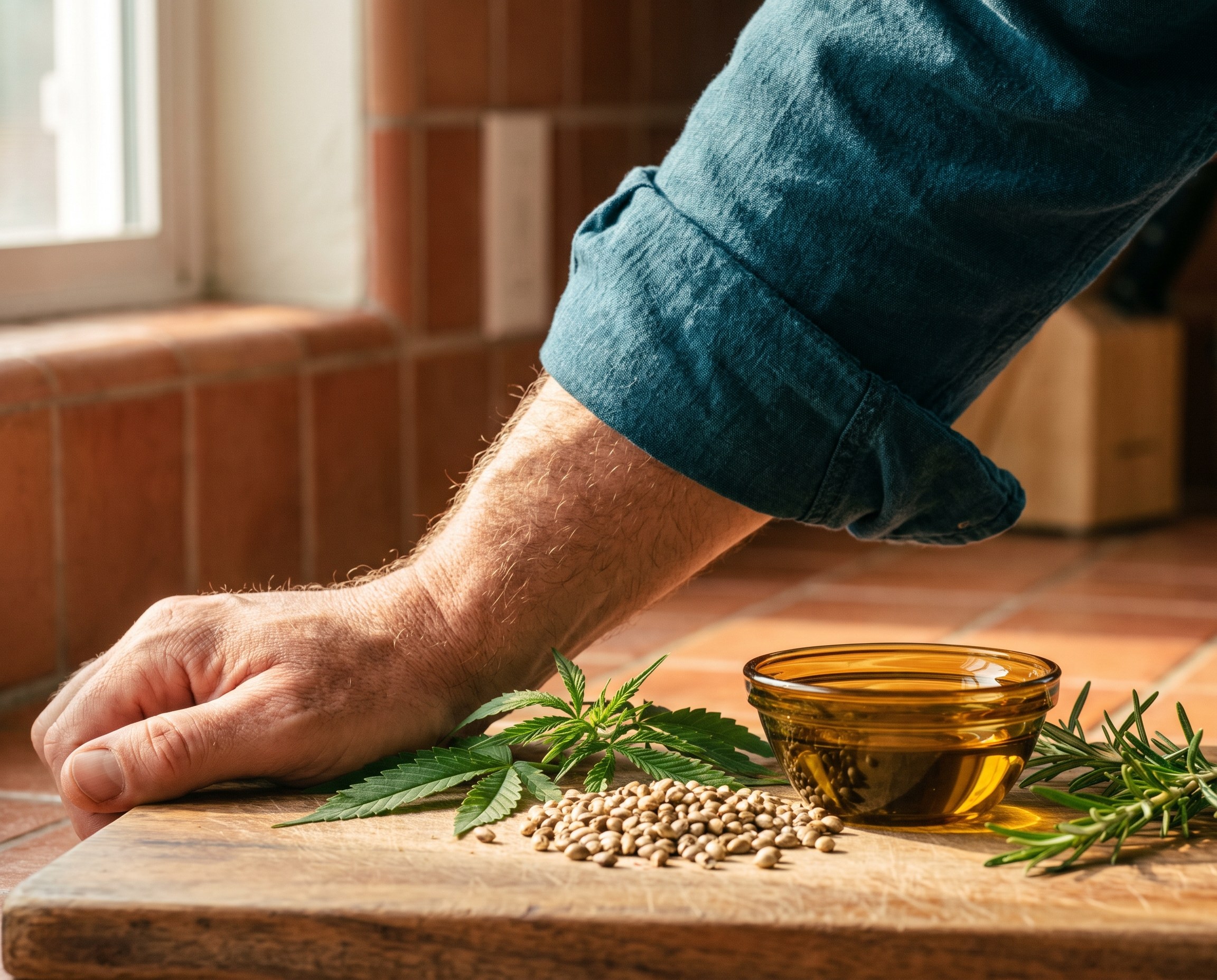
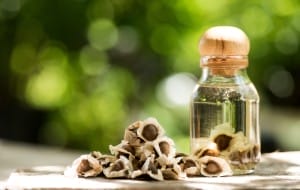
No, and this mix-up fueled a lot of the boom. Hemp seed oil is pressed from the seeds of the cannabis plant. It contains little to no CBD. On an ingredient list, it shows up as cannabis sativa seed oil. CBD, or cannabidiol, comes from the flowers and leaves and is listed as cannabidiol or as a hemp extract. During the hype years, plenty of products put a green leaf on the box and leaned on the word hemp while containing only seed oil.
That is not a knock on hemp seed oil. It is a good emollient, rich in linoleic acid, and it can help support a dry or stressed skin barrier. It just is not CBD, and it never had to deal with the same regulatory baggage. In fact, hemp seed oil has quietly survived the bust in a way CBD has not. You will still find it in plenty of moisturizers and facial oils today, usually without any fuss. If you liked a hemp product during the boom and it worked for you, check the label. There is a fair chance the seed oil was doing the work all along.
Who is still selling CBD skincare in 2026?

Some brands stayed in the game by changing their story. Saint Jane, one of the most polished CBD beauty brands, began talking in 2022 about luxury active florals rather than CBD alone. Its founder said she did not see it as a pivot, but the brand launched a CBD-free sunscreen so it could reach shoppers who avoided cannabinoids, including pregnant women. Source: https://www.glossy.co/beauty/beauty-wellness-briefing-whats-next-for-cbd-brands/. That sunscreen sold out quickly and helped the brand land at Goop, a retailer that does not carry CBD. The lesson was clear. CBD worked better as one ingredient among several than as the whole identity.
Federal law is about to shake things up again. In November 2025, Congress rewrote the definition of hemp in a government funding bill, capping hemp-derived products at 0.4 milligrams of total THC per container. That is a tiny amount, and most full-spectrum CBD products contain more. The change was set to start in November 2026, but in September 2026 Congress passed and the President signed a delay that pushed it to December 11, 2026. Source: https://www.marijuanamoment.net/trump-signs-bill-to-delay-hemp-thc-product-ban-giving-lawmakers-more-time-to-craft-regulations-instead-of-prohibition/. Lawyers at Venable read the law as aimed mainly at ingestible and inhalable products, with topicals and cosmetics likely remaining viable. Source: https://www.venable.com/insights/publications/2025/11/federal-funding-bill-overhauls-hemp-definition-thc. Still, that reading has not been tested, and Congress may change the rules again before the deadline.
So CBD skincare is not dead. It is smaller, quieter, and more cautious. You can still buy CBD balms, body lotions, and facial oils from specialty brands and online shops. What you will not see is the 2020 frenzy, with a new CBD launch every week and a celebrity behind half of them. Honestly, I think that is a healthier place for the ingredient. It can now be judged on what it does, not on the buzz around it.
What should mature skin take away from the CBD story?
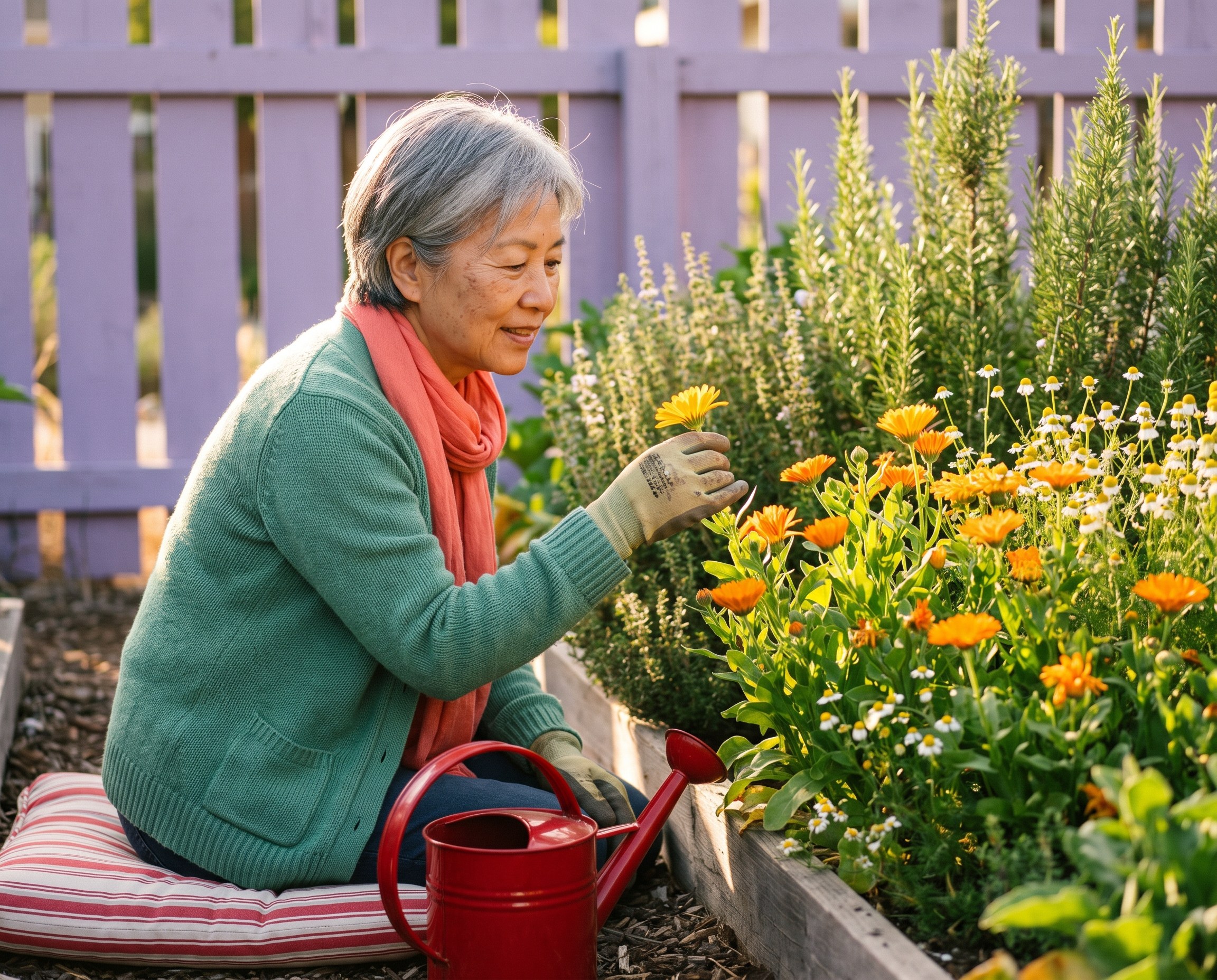
If you are in your 50s, 60s, or beyond, you were probably a prime target for CBD marketing. Brands pitched it for dry, sensitive skin and for achy joints, and older shoppers bought plenty of CBD body lotions and balms for both. Mature skin does tend to be thinner, drier, and more reactive, so the idea of a calming ingredient made sense. But the CBD story is a good reminder to look past the hero ingredient and read the rest of the label. The most helpful parts of many of those formulas were the oils, butters, glycerin, and ceramides that every aging skin barrier needs.
There are a few practical points worth keeping in mind if you still use CBD products. Fragrance and essential oils were common in this category, and they are frequent triggers for irritation in older skin, so fragrance-free options are the safer bet. Because labeling has been unreliable, buy from brands that post third-party lab results, often called a certificate of analysis, for each batch. If you take drug tests for work or volunteering, remember that trace THC turned up in more than a third of the topicals Johns Hopkins tested. And if you are using a CBD balm for joint pain, talk with your doctor, because a cream that eases the skin is not the same as a treatment for arthritis. None of that means CBD is harmful on skin. It means you should treat it like any other unproven ingredient.
Is CBD skincare worth buying now?
Here is my honest take. If you love a CBD product, your skin is happy, and the price feels fair, keep using it. Nothing in the research says topical CBD is dangerous for most people. But I would not pay extra for CBD alone, and I would not swap it in for ingredients with real evidence behind them. For calm, comfortable skin, a gentle cleanser, a barrier-supporting moisturizer, and daily sunscreen will do more than any cannabinoid. For lines and texture, retinoids, peptides, and vitamin C have far more data.
If you want to try CBD skincare anyway, be a careful shopper. Look for the word cannabidiol or a hemp extract with a stated milligram amount, not just hemp seed oil. Check for a recent certificate of analysis from an independent lab. Skip anything that promises to treat a medical condition, because that claim is not allowed and it tells you something about the brand. And patch test on your inner arm for a few days before putting a new product on your face. Those habits will serve you well with every trendy ingredient, not just this one.
FAQs
Is CBD skincare still legal in the United States?
Yes, for now. Hemp-derived CBD cosmetics are still sold, though they cannot claim to treat medical conditions. A new federal THC limit takes effect December 11, 2026, and some legal experts think topicals will be largely unaffected, but final interpretation is still unclear.
Does CBD in a face cream really reach the skin cells that matter?
That is one of the open questions. CBD is very oil-loving, which makes it hard to deliver into the skin in useful amounts. Researchers are testing new delivery methods, but most of the strong data so far comes from lab and animal studies, not people.
Why did so many CBD beauty brands close?
Thin science, unclear rules, mislabeled products, and business barriers all played a part. Many brands could not advertise normally, faced higher payment fees, and were kept out of big retailers. When consumer interest cooled, they had little room to survive.
Is hemp seed oil just as good as CBD for skin?
They are different ingredients. Hemp seed oil is a nourishing emollient that supports the skin barrier and contains little or no CBD. For dry skin, it can be a solid choice on its own, and it usually costs less.
Can a CBD lotion make me fail a drug test?
It is unlikely but not impossible. In a Johns Hopkins study, THC showed up in 35 percent of topical CBD products, and some were labeled THC free. If drug testing matters for you, choose products with batch lab results that show no detectable THC, or skip CBD altogether.
The CBD skincare boom tells a familiar beauty story. A real ingredient with real potential got buried under hype, money, and big promises before the science could catch up. The brands that bet everything on one trendy word mostly paid for it. The ones that survived treated CBD as one part of a thoughtful formula, not a miracle in a jar. And shoppers came out a little wiser. That may be the most useful thing the CBD era left behind. The next time a miracle ingredient shows up wearing a celebrity endorsement, you will know which questions to ask first.
References
Source: https://www.cannabisbusinesstimes.com/article/cowen-co-analysts-cbd-market-16-billion-2025/
Related Posts