Jun
Beauty, Skincare, Trends & Opinions, Wellness
What Happens in Your Brain When You Smell Lavender
If you click on links we provide, we may receive compensation.
In a six-week clinical trial, a pharmaceutical-grade lavender oil extract reduced anxiety scores by 45% – results so close to lorazepam, a prescription benzodiazepine, that researchers described the two treatments as statistically equivalent. The lavender group had fewer side effects and no risk of dependency. This wasn’t a small pilot study run at a wellness center – it was a multi-center, double-blind, randomized controlled trial published in Phytomedicine and indexed on PubMed (https://pubmed.ncbi.nlm.nih.gov/19962288/). And it is one of dozens of rigorous studies that have, over the past three decades, quietly built a compelling scientific case for something people have been doing instinctively for thousands of years.
Aromatherapy is the therapeutic use of aromatic plant compounds – primarily essential oils extracted from flowers, bark, roots, and leaves – to support physical, emotional, and mental wellbeing. It sounds like something you’d find at a spa or in the back pages of a wellness catalog. But the mechanisms are real, the research is growing, and the practice is easier and more versatile than most people assume. If you’ve already read about the olfactory-limbic pathway and why smell is the most emotionally direct of all the senses, you have a head start. Aromatherapy takes that natural connection and uses it deliberately. This is the tool; the science is the manual.
Where Did Aromatherapy Come From?
The history of using plant aromas therapeutically runs so deep it’s almost archaeological. Ancient Egyptians used aromatic resins – frankincense, myrrh, cedarwood – in religious ceremonies, medicine, and embalming. Traditional Chinese medicine incorporated aromatic herbs for at least four thousand years. Hippocrates, writing in ancient Greece, prescribed aromatic baths and fumigations for health and disease prevention. The word “perfume” itself comes from the Latin per fumum – “through smoke” – because aromatic smoke was one of the earliest delivery methods for plant medicine.
The term “aromatherapie” was coined in 1937 by Rene-Maurice Gattefosse, a French perfume chemist. The story goes that he burned his hand in a laboratory explosion, plunged it into the nearest liquid – which happened to be lavender essential oil – and was struck by how quickly the burn healed with minimal scarring. Whether this incident was quite so dramatic is a matter of historical debate, but Gattefosse was unquestionably the first person to systematically study the therapeutic properties of essential oils and publish them in a medical context. The modern resurgence of aromatherapy as a formal wellness practice dates to the 1980s and 1990s, when his work was rediscovered and expanded by practitioners in the UK and France. Today, the National Association for Holistic Aromatherapy (NAHA) provides professional guidelines and education, and the practice is increasingly studied in clinical settings (https://naha.org).
How Does Aromatherapy Actually Work?
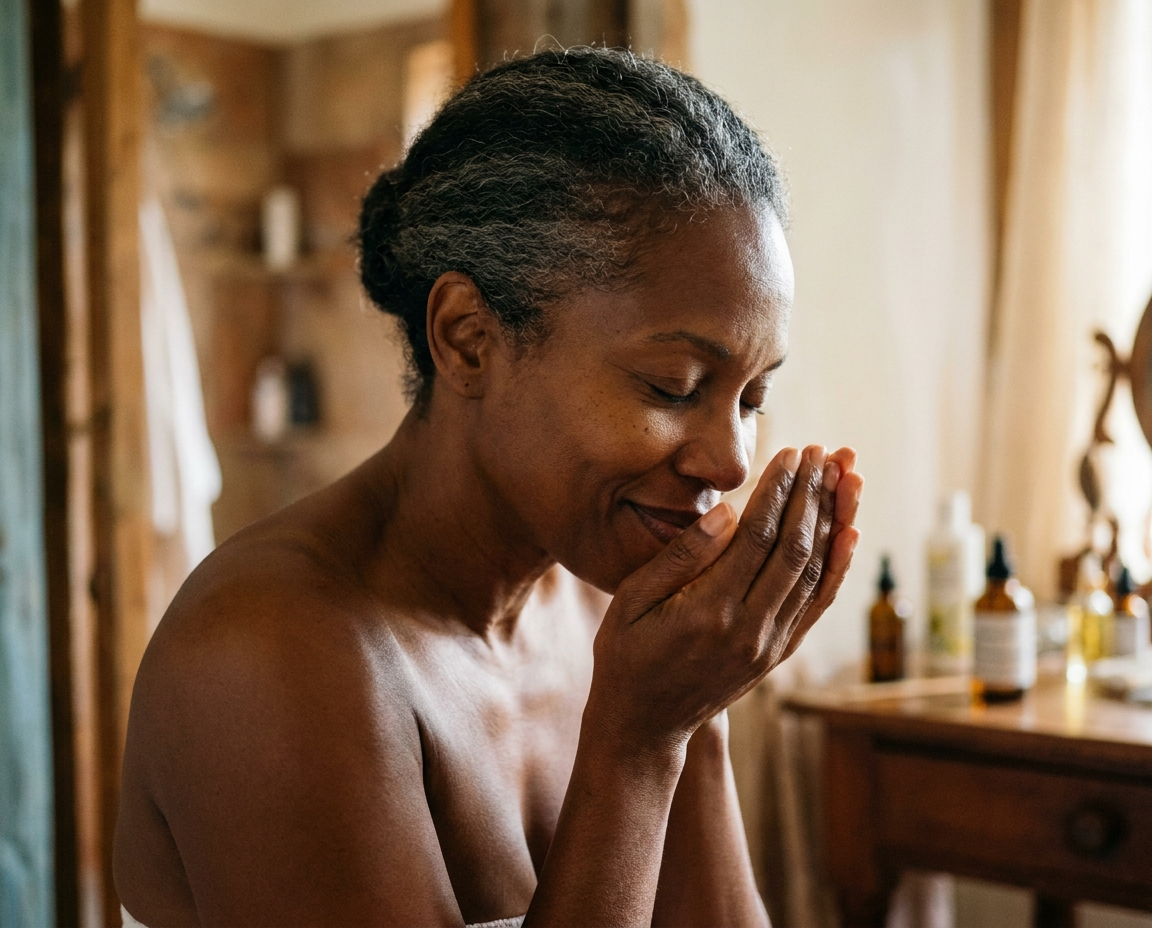
There are two main routes by which aromatherapy affects the body, and both are worth knowing because they explain why different applications – inhaling from a diffuser versus rubbing a diluted oil onto your wrists – produce different kinds of results. The first and fastest route is inhalation. When you breathe in aromatic compounds, molecules travel through the nasal cavity and interact with olfactory receptors in the nasal epithelium. These receptors connect directly to the olfactory bulb, which sits right at the front of the brain and feeds signals immediately into the limbic system – the brain’s emotional and memory center.
The amygdala processes the emotional response. The hippocampus handles memory associations. The hypothalamus, which regulates hormonal output and the autonomic nervous system, gets a signal too. This is why a familiar scent can shift your emotional state within seconds; it’s not a metaphor, it’s a direct neurological pathway with no intermediary stops. Some aromatic compounds, like 1,8-cineole from rosemary, are absorbed into the bloodstream through the lungs and can cross the blood-brain barrier, meaning they have pharmacological effects in addition to the psychological ones.
The second route is topical absorption. Essential oils applied to the skin – always diluted in a carrier oil – are absorbed through the skin’s lipid barrier and enter the bloodstream. The absorption rate varies depending on the compound’s molecular size and the skin’s condition, and it is generally slower than inhalation. This route is particularly relevant for localized effects: applying diluted peppermint oil to the temples for a tension headache, or diluted tea tree oil to a blemish, works through direct skin contact as well as via inhalation of the vapors. It is worth being clear from the start that aromatherapy is a complementary wellness practice, not a replacement for medical treatment. The evidence supports real physiological effects, but it does not position aromatherapy as a cure for clinical conditions. Think of it as a tool that works well alongside other approaches – because that is exactly what the best research shows.
What Does Aromatherapy Do for Stress and Anxiety?
Lavender is the most studied essential oil in the world, and its effects on anxiety are by far the best-documented benefit in the entire field. The clinical work on Silexan – a pharmaceutical-grade oral preparation of lavender essential oil standardized to 80mg – is particularly strong. In the multi-center double-blind RCT mentioned at the start of this piece, Silexan produced anxiety reductions statistically comparable to lorazepam (https://pubmed.ncbi.nlm.nih.gov/19962288/). A 2019 network meta-analysis drawing on five randomized controlled trials with 1,320 participants found Silexan outperformed both paroxetine and lorazepam for generalized anxiety disorder (https://www.nature.com/articles/s41598-019-54529-9). Silexan is currently sold as a licensed pharmaceutical product in Germany – which tells you something important about the mechanism: there is genuine pharmacological activity here, not just a placebo effect.
Inhaled and topically applied lavender also has solid study support. Multiple controlled trials have found that lavender aromatherapy reduces self-reported anxiety, lowers heart rate, and decreases salivary cortisol – the body’s primary stress hormone. Bergamot, the citrus oil that gives Earl Grey tea its distinctive scent, shows particularly interesting evidence on the cortisol front. A study of 41 healthy women found that inhaled bergamot essential oil significantly decreased salivary cortisol levels, increased heart rate variability (a marker of parasympathetic nervous system activity), and improved mood states (https://pubmed.ncbi.nlm.nih.gov/25824404/). A separate controlled trial in pre-surgical patients found that bergamot inhalation reduced both anxiety scores and salivary cortisol compared to placebo. Chamomile, too, has some clinical trial support for anxiety reduction, and is generally considered one of the gentler, more approachable options for people new to the practice.
Advertisement
Can Aromatherapy Really Help You Sleep Better?
The evidence for lavender and sleep quality is among the most consistent in aromatherapy research. A double-blind randomized controlled trial with college students who reported sleep difficulties found that lavender inhalation combined with basic sleep hygiene significantly improved sleep quality scores compared to sleep hygiene alone, with participants in the lavender group also reporting waking feeling more refreshed and with greater energy (https://conservancy.umn.edu/items/4997d48e-d1fa-4df3-abc5-19496620e49a). This result is not trivial – the effect persisted at follow-up, suggesting it wasn’t just a novelty response to something new. In clinical settings, a 2024 randomized controlled trial in postoperative patients found that lavender essential oil inhalation improved sleep quality, reduced anxiety, and shortened the duration of postoperative delirium (https://www.ncbi.nlm.nih.gov/pmc/articles/PMC12358394/). These are not the ideal populations from which to draw sweeping conclusions, but the consistency of the finding across very different contexts is meaningful.
Cedarwood oil, particularly its main constituent cedrol, has also attracted some research attention for sedative properties. Animal studies have shown cedrol reduces locomotor activity and extends sleep time; human research is more limited but includes evidence for reduced heart rate and respiratory rate, consistent with a calming physiological effect. If lavender isn’t working for you or you find the scent overpowering, cedarwood is a grounded, woody alternative worth trying. Using either in a diffuser running for 30 minutes before sleep – or applying a diluted blend to the inner wrists or the edges of a pillowcase – appears to be the most effective delivery method for sleep applications, based on the available evidence.
Does Aromatherapy Have Benefits for Mood and Mental Wellbeing?
Beyond acute stress and sleep, several essential oils show promise for supporting general mood and emotional wellbeing, though the evidence here ranges from solid to preliminary depending on the oil and the outcome being measured. Bergamot consistently shows up as a mood-supporting oil across multiple study designs – diffusing bergamot in mental health waiting rooms improved self-reported positive feelings among people awaiting appointments (https://pmc.ncbi.nlm.nih.gov/articles/PMC5434918/). Ylang-ylang has shown some evidence for reducing blood pressure and improving subjective feelings of calm. Clary sage has been studied for its effects on cortisol in menopausal women. Jasmine, interestingly, has evidence suggesting it may have an alerting, mood-brightening effect – the opposite of lavender’s calming one – making it potentially useful for situations that require engagement and presence rather than relaxation.
It is worth being direct about one thing: no aromatherapy oil is a treatment for clinical depression. The evidence does not support that claim, and positioning it that way would be misleading. What the research does support is that certain oils create measurable changes in the neurochemical environment – reducing cortisol, influencing autonomic nervous system tone, modulating the limbic response to stress – and that these effects can meaningfully contribute to emotional wellbeing when used as part of a broader self-care practice. For anyone managing depression with medication or therapy, aromatherapy as an adjunct is entirely compatible and potentially supportive. It is simply not a substitute, and any practitioner or product that suggests otherwise is overreaching.
What About Pain Relief and Headaches?
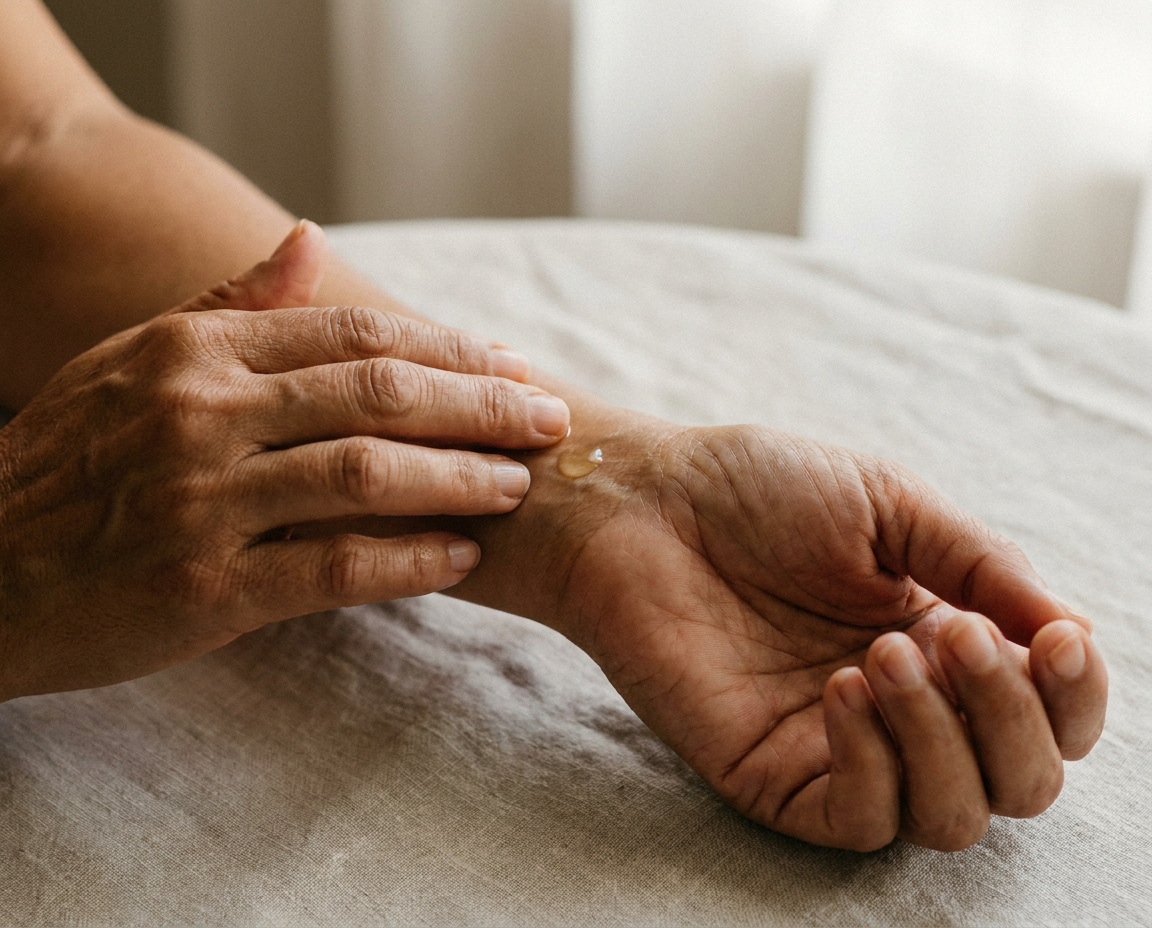
One of the most practically useful and better-studied applications of aromatherapy is topical peppermint oil for tension headaches. A double-blind, randomized crossover study of 164 headache attacks across 41 patients with tension-type headaches found that a 10% solution of peppermint oil in ethanol applied to the forehead and temples was as effective as 1,000mg of acetaminophen in reducing pain intensity over a one-hour observation period – with significantly fewer adverse effects (https://pubmed.ncbi.nlm.nih.gov/8805113/). The combination of peppermint oil and acetaminophen actually performed better than either alone, suggesting an additive effect. Peppermint oil contains menthol, which has direct effects on pain receptors – specifically TRPM8 channels – in the skin, providing both a cooling sensation and a mild analgesic effect. For people who frequently reach for over-the-counter pain medication for tension headaches, this is genuinely useful information.
Lavender inhalation has also been studied for migraine specifically, with a small Iranian trial finding that inhaled lavender oil reduced headache severity in acute migraine attacks compared to placebo. Eucalyptus oil has evidence for reducing pain and inflammation in musculoskeletal contexts – a controlled trial found that inhaling eucalyptus for 30 minutes reduced self-reported pain and blood pressure following total knee replacement surgery. The mechanisms involve eucalyptus’s high 1,8-cineole content, which has demonstrable anti-inflammatory properties in the research literature. These are real effects, even if the evidence base is less extensive than what exists for lavender and anxiety.
Can Aromatherapy Sharpen Your Focus and Memory?
Rosemary’s association with memory is so old it is in Shakespeare – “There’s rosemary, that’s for remembrance” in Hamlet. It turns out the folk belief has something to it. Mark Moss and colleagues at Northumbria University’s Brain Performance and Nutrition Research Centre found that plasma concentrations of 1,8-cineole – the primary bioactive compound in rosemary – directly correlated with performance on speed and accuracy tests following exposure to rosemary aroma (https://pubmed.ncbi.nlm.nih.gov/23983963/). Participants in rosemary-scented rooms also performed significantly better on prospective memory tasks – the kind of remembering that involves doing things at a particular time – than those in unscented rooms. The effect was pharmacological rather than purely psychological: 1,8-cineole was measurably absorbed into the bloodstream through inhalation and crossed the blood-brain barrier.
Dr. Moss later replicated similar findings with children, finding significantly improved memory test scores with rosemary aroma exposure. Peppermint has complementary evidence for alertness and reaction time – researchers at Wheeling Jesuit University found that peppermint aroma significantly improved sustained attention, virtual recognition memory, working memory accuracy, and reaction time. The combined picture is clear: if you need to focus or retain information, rosemary is your working-memory oil and peppermint is your alertness oil. Diffusing either – or both – during periods of focused work or study is one of the better-supported applications in the field, and it happens to make a room smell wonderful at the same time.
Can Aromatherapy Help With Nausea?
This is one of the areas where the clinical evidence is most practically convincing. A 2025 systematic review and meta-analysis published in the Journal of Clinical Medicine evaluated peppermint oil inhalation for postoperative, chemotherapy-induced, and pregnancy-related nausea and vomiting, finding it significantly more effective than placebo across all three contexts (https://www.ncbi.nlm.nih.gov/pmc/articles/PMC12294836/). Earlier meta-analyses had already established peppermint as one of the most consistently effective essential oils for nausea across patient populations, with inhaled application producing fast-acting results that can be felt within minutes. For postoperative nausea specifically, multiple hospital protocols now include aromatherapy as a first-line complementary intervention because the evidence base is strong enough to warrant it.
Ginger – whether inhaled or used topically over the abdomen – also has strong support, particularly for pregnancy nausea. A Cochrane review found ginger to be an effective and safe option for pregnancy-induced nausea and vomiting, noting it as a reasonable alternative to antiemetic medications that can cause sedation. A 2024 meta-analysis confirmed that both peppermint and ginger were among the most promising essential oils for nausea, with ginger particularly effective for pregnancy-related symptoms and peppermint showing the broadest clinical applicability. For anyone with a tendency toward motion sickness, post-surgical recovery, or first-trimester nausea, keeping a personal inhaler stick loaded with peppermint or ginger is a practical, evidence-backed choice.
Are There Real Skin Benefits from Essential Oils?
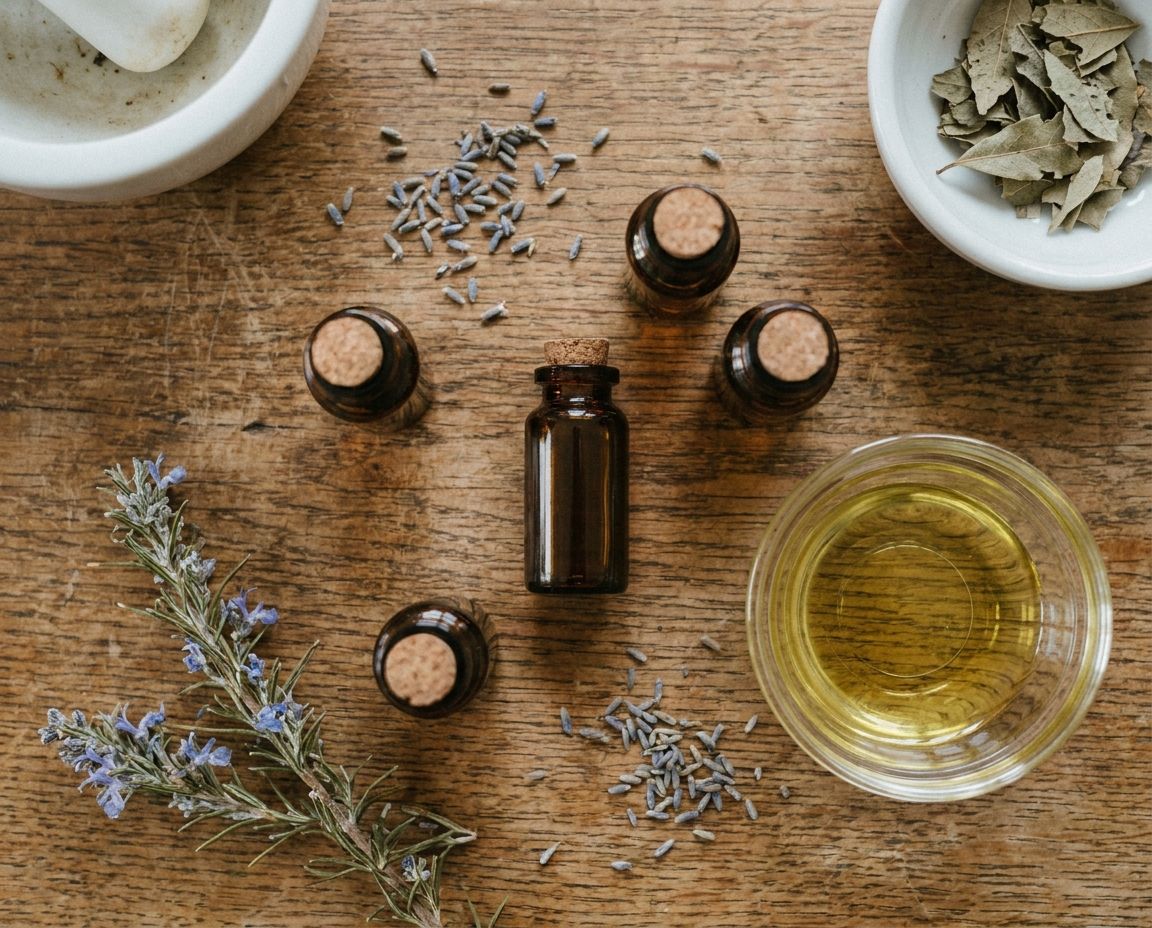
Here is where aromatherapy intersects directly with skincare – and it is an area that deserves honest treatment because it is also where the most exaggerated claims tend to cluster. Tea tree oil is the standout. A randomized controlled trial compared 5% tea tree oil gel to 5% benzoyl peroxide lotion in 124 patients with mild-to-moderate acne vulgaris, finding that both significantly reduced lesion counts, with tea tree oil producing fewer adverse effects – 44% of tea tree patients reported side effects versus 79% for benzoyl peroxide – while being somewhat slower in onset (https://pubmed.ncbi.nlm.nih.gov/2145499/). This is real, RCT-level evidence for a botanical ingredient. Tea tree oil is antimicrobial, anti-inflammatory, and demonstrably effective for acne at the right concentration; it is simply not as immediately aggressive as benzoyl peroxide, which is often preferable for skin that does not respond well to harsher treatments.
Frankincense, derived from Boswellia resin, has some evidence for anti-inflammatory and skin-supporting properties, with boswellic acids showing inhibition of inflammatory pathways relevant to skin aging. Rosemary brings meaningful antioxidant protection when incorporated into carrier formulations, thanks to its rosmarinic acid content. Helichrysum has traditional use for bruising and tissue repair with supporting evidence for anti-inflammatory activity, though the research base is smaller than for tea tree. The critical caveat for all topical essential oil use – and this genuinely cannot be overstated – is that essential oils must always be diluted in a carrier oil before applying to skin. Undiluted application can cause chemical burns, sensitization, and in some cases permanent allergic reactions. This applies even to lavender and tea tree, which are sometimes labeled as safe to use “neat” – they are not.
What Are the Safety Considerations You Should Know?
Aromatherapy is generally safe when used as directed, but there are real risks that deserve clear attention before you start building a collection. Phototoxicity is a significant concern with bergamot and other cold-pressed citrus oils – compounds called furanocoumarins in these oils become activated by UV light and can cause severe burns, blistering, or permanent hyperpigmentation if you apply them topically and then go into the sun. If you use bergamot topically, use only the bergapten-free (FCF) version, and avoid direct sun exposure for at least 12 hours afterward. In a diffuser, there is no phototoxicity risk at all – the concern is purely topical.
Pregnancy requires extra caution: several oils including clary sage, rosemary, and basil are considered contraindicated in the first trimester because of potential uterotonic effects, and the NAHA recommends consulting a qualified aromatherapist before using essential oils therapeutically during pregnancy. Pet owners should know that many essential oils are toxic to cats – tea tree, eucalyptus, and peppermint among them – and that diffusing in enclosed spaces where cats cannot leave is genuinely risky. For young children, eucalyptus and peppermint should not be used near the face because menthol and 1,8-cineole can cause respiratory distress in infants and toddlers. Quality also matters enormously: the term “essential oil” has no legal definition in most jurisdictions, meaning synthetic fragrance oils are sometimes marketed under the same label. To ensure you’re getting actual plant-derived essential oils, look for brands that publish GC/MS (gas chromatography/mass spectrometry) test reports by batch, which is the gold standard for purity verification. Patch testing before full application – a small amount of diluted oil to the inner arm, waiting 24 hours – should be standard practice for any new oil.
Why Is Aromatherapy Particularly Worth Exploring in Midlife and Beyond?
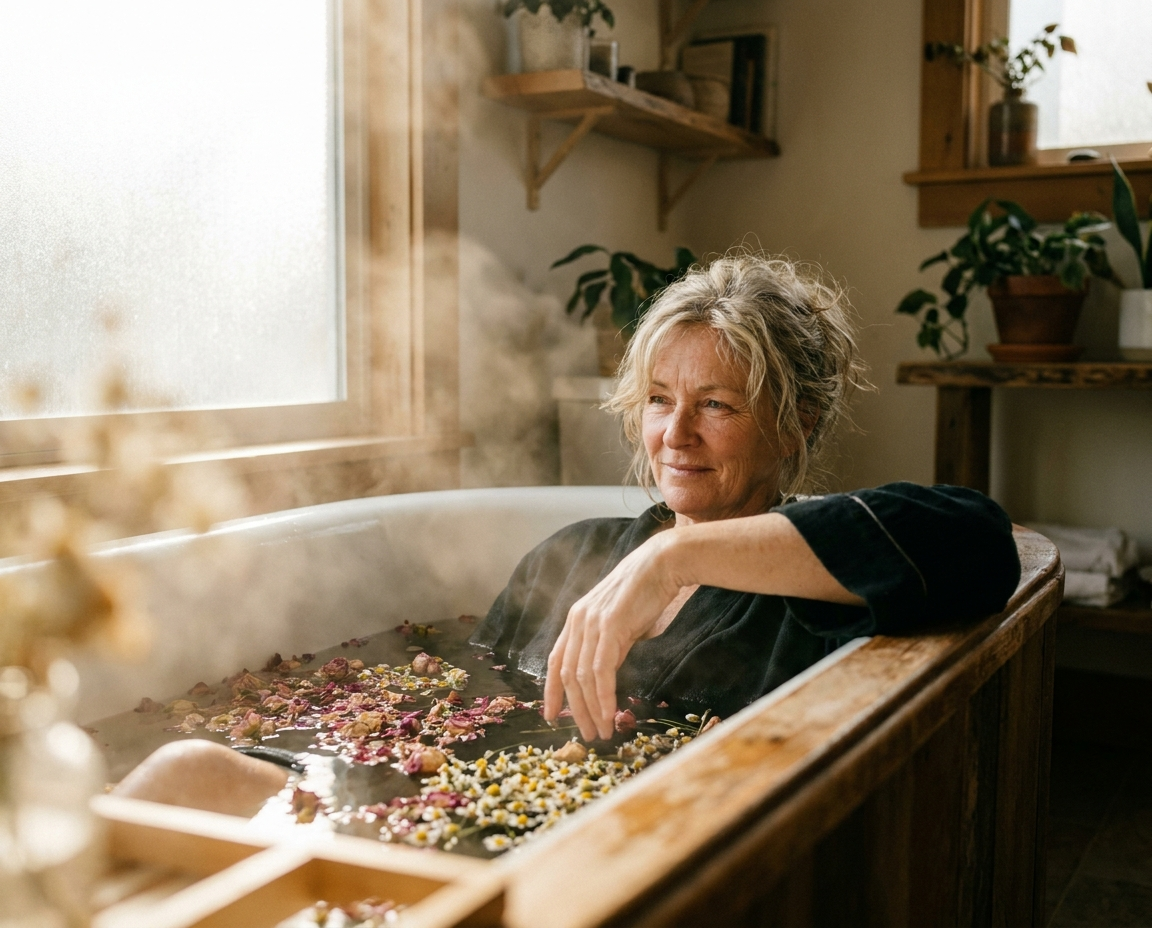
There is something particularly well-suited about aromatherapy for women navigating the hormonal shifts of perimenopause and menopause. The main concerns of this life stage – disrupted sleep, elevated anxiety, joint discomfort, mood fluctuations, and hot flashes – are precisely the areas where aromatherapy has its best evidence. Lavender and clary sage have both been studied for menopausal symptom relief: one Iranian trial found that inhaling clary sage reduced cortisol and increased serotonin levels in menopausal women, producing a calming effect measurably different from lavender and rosemary controls. Multiple studies across this population have found lavender reduces the frequency and severity of hot flashes as well as improving sleep – two of the most quality-of-life-affecting symptoms of this transition.
Beyond the specific physiological symptoms, there is something to be said for the ritual dimension. Midlife is often when self-care practices either deepen or disappear – when the chaos of earlier stages has settled but the habits of genuine self-attention have not always filled the space. Building a daily sensory ritual – five minutes with a diffuser in the morning, a diluted oil worked into your nighttime facial routine, a few drops of lavender on your pillow – creates a consistent anchor that activates the parasympathetic nervous system, signals the brain that the day is shifting into a different gear, and delivers compounding benefits over time. This is not wishful thinking; it is how the olfactory system and the limbic response to scent actually work. Your brain is wired to respond to these signals. Aromatherapy is simply a way of giving it good ones.
For mature skin specifically, dilution ratios become even more important. Skin in midlife and beyond can be more sensitive to irritation even as the barrier becomes thinner and more permeable. Stick to 1% dilution for facial applications – approximately 6 drops per ounce of carrier oil – and no more than 2% for body use. Jojoba oil, which closely mimics the skin’s own sebum, is an excellent carrier for mature skin: it is shelf-stable, non-comedogenic, absorbs cleanly, and is well-tolerated even by reactive complexions. Sweet almond oil is a lovely second choice for a richer feel. Fractionated coconut oil works well for body blends where a lighter texture is preferred and quick absorption matters.
Where Should You Start? Five Oils Worth Having
The sheer number of available essential oils can make getting started feel overwhelming. It doesn’t need to be. Five oils cover a remarkable range of benefits, are widely available, and are versatile enough to be genuinely useful rather than decorative. Lavender is the obvious first choice, and its reputation is entirely deserved. It covers stress, sleep, anxiety, headache support, and minor skin soothing – one oil, many applications, and the most evidence behind it of any essential oil in the world. For a first-quality lavender, Plant Therapy’s Lavender Fine (Bulgarian origin, GC/MS tested by third-party labs, batch reports available on their website) and Rocky Mountain Oils’ True Lavender are both consistently recommended in the evidence-based aromatherapy community at a mid-tier price that doesn’t require you to join a multi-level marketing scheme.
Peppermint earns its place as the second cornerstone for sheer practical range – tension headaches, nausea, mental alertness, cooling in summer heat. Once you have it you’ll reach for it constantly. Both Plant Therapy and Rocky Mountain Oils produce excellent peppermint from pesticide-free sources with the same batch-testing transparency. Rosemary brings the brain benefits: diffuse it during focused work, studying, or any situation requiring retention. Look for rosemary labeled ct. cineole (chemotype cineole) for cognitive applications, indicating a high 1,8-cineole content. Rocky Mountain Oils’ Rosemary is a reliable and affordable option.
Bergamot is the mood oil – the one that lifts without stimulating, that makes a tense afternoon feel genuinely lighter without pushing you toward alertness you don’t need. In a diffuser it is entirely safe and beautiful; in a blend with lavender in the evening it is one of the nicest aromatic combinations in the practice. For topical use, choose bergapten-free (FCF) versions only. Tisserand Institute, founded by Robert Tisserand – widely considered the leading authority in modern aromatherapy – offers a bergamot that is widely available and carried by many independent health retailers. Tea tree rounds out a practical starter collection for its antimicrobial and skin-clarifying properties, useful for blemishes, minor cuts, and as a natural household surface spray at very high dilution. Plant Therapy is again a strong and accessible choice. With these five oils and a basic ultrasonic diffuser, you have the foundation of a genuine aromatherapy practice that is grounded in the science, safe when used with care, and pleasurable enough to sustain without any effort at all.
Frequently Asked Questions About Aromatherapy
How long does it take for aromatherapy to work?
For inhaled aromatherapy, effects on mood and stress can be noticed within minutes because the olfactory pathway connects directly to the limbic system without intermediary processing. Sleep benefits typically show meaningful improvement within one to two weeks of consistent use, which is when several clinical trials began seeing measurable differences in sleep quality scores. Pain applications like peppermint oil for tension headaches can provide noticeable relief within 15 to 30 minutes of topical application.
Do I need a diffuser, or can I just smell the oil from the bottle?
A diffuser gives you sustained, room-filling diffusion, which is ideal for sleep and extended stress applications. But personal inhaler sticks – small tubular inhalers filled with cotton wicks saturated with essential oil – are excellent for targeted, portable use, and simply cupping a few drops in your palms and inhaling deeply is a perfectly legitimate method for acute effects like nausea or tension headaches. The evidence for effectiveness does not require expensive equipment.
Are expensive essential oils significantly better than affordable ones?
The key quality markers are purity, sourcing transparency, and independent testing – not price. Brands like Plant Therapy and Rocky Mountain Oils sit at a mid-tier price point and consistently score well on quality benchmarks compared to much more expensive multi-level marketing brands. What you want to see: GC/MS test reports published per batch, botanical name and country of origin on the label, and no added synthetic fragrance. If a brand doesn’t publish batch-specific test results, move on.
Is it safe to use essential oils every day?
Yes, with a few practical caveats. Vary the oils you use to avoid sensitization – using the exact same oil daily for months can occasionally trigger an allergic response even in people who tolerated it well initially. Give bergamot a rest if you’re using it topically and in the sun. Always dilute for skin application, no exceptions. And if you’re pregnant, on medications, or managing a health condition, a conversation with your healthcare provider or a qualified aromatherapist is worthwhile before establishing a daily practice.
Can aromatherapy interact with medications?
Some essential oil compounds can theoretically influence drug metabolism. Lavender has mild sedative properties and could have additive effects with other sedatives. The oral Silexan formulation – a pharmaceutical product – should absolutely be discussed with a doctor if you are taking other medications. For standard inhaled or topical aromatherapy at normal concentrations, significant interactions are uncommon, but if you have a complex medical history it is always worth mentioning your aromatherapy practice to your healthcare provider, just as you would with any supplement.
Aromatherapy’s greatest advantage is also its most underestimated quality: it is a practice that is genuinely pleasant to maintain. Most wellness interventions require discipline and willpower; this one requires only a diffuser on a nightstand and a few minutes of intentional attention. The science has done the work of validating the mechanism – the olfactory pathway, the limbic response, the measurable cortisol reductions, the RCT-proven sleep improvements. What you bring to it is the ritual. And for something that works through your oldest, most direct sensory pathway, the ritual is more than just pleasant. It is part of why it works.
Related Posts