Oct
If you click on links we provide, we may receive compensation.
You’ve probably noticed it before your teenager mentioned it. Maybe it was the hoodie in July, or the way they changed for the pool in the bathroom instead of the cabana. Maybe it was a few faded orange spots on the good white towels. Body acne is one of those things teens rarely bring up, and it can bother them a lot more than they let on. So when a parent goes looking for “the best body wash,” what they really want is something that works, doesn’t wreck the laundry, and doesn’t turn the shower into a science project. I get it, and the good news is that the answer is simpler and cheaper than the skincare aisle makes it look!
Why does body acne show up on teenagers in the first place?
Body acne starts the same way face acne does. Puberty raises androgen levels, and those hormones push the oil glands into overdrive. The upper back, chest and shoulders are packed with those glands, so they get the same oily, clogged-pore trouble as the forehead and chin. Add sweat from practice, a tight jersey or a backpack strap rubbing all day, and you’ve got heat, friction and trapped oil in one spot. The bacteria that live on everyone’s skin, called Cutibacterium acnes, feed on that oil and set off the red, tender bumps you see. None of this means your kid isn’t showering enough, and that’s worth saying out loud at home.
It’s also very common. A 2025 analysis in the British Journal of Dermatology, drawn from Global Burden of Disease data across 204 countries, put acne prevalence among people aged 10 to 24 at about 9.8 percent at any given time in 2021, up from about 8.6 percent in 1990. Teens aged 15 to 19 had the highest rates, and the 10 to 14 group saw the biggest rise over those three decades. Source: https://pubmed.ncbi.nlm.nih.gov/39271178/ That’s a snapshot, not a lifetime figure, so the share of teens who deal with breakouts at some point is far higher. Your teenager has plenty of company, even if it doesn’t feel that way in the locker room.
So what is the best body wash for teen body acne?
Here’s the honest answer. The best body wash is the one with the right active ingredient, used the right way, every day. Brand matters much less than people think. For most teens with red bumps and whiteheads on the back and chest, that ingredient is benzoyl peroxide. It kills acne bacteria, helps clear clogged pores, and bacteria don’t build resistance to it the way they can with antibiotics. You’ll find it in plain drugstore washes for well under twenty dollars, and the store brand often has the same percentage as the name brand next to it.


The American Academy of Dermatology suggests starting with a 5.3 percent benzoyl peroxide foaming wash, which is less likely to dry out or irritate skin. If that isn’t enough after a fair trial, a 10 percent wash is the strongest you can buy without a prescription. Source: https://www.aad.org/public/diseases/acne/diy/back-acne Higher isn’t always better, though. Plenty of teens do fine on 4 or 5 percent and never need more. Starting gentle keeps them using it, and a wash they actually use beats a stronger one that stings so much it sits on the shelf.


Salicylic acid is the other ingredient worth knowing. It’s a beta hydroxy acid that dissolves into oil and loosens the gunk inside pores, so it’s good for blackheads and small rough bumps. It’s usually sold at 2 percent in body washes and tends to feel gentler than benzoyl peroxide. It doesn’t kill bacteria the same way, so it’s often a better fit for milder, clogged-pore acne than for angry red breakouts. Some families keep one of each and alternate, which is a reasonable plan if one wash alone feels like too much. If your teen’s acne is mostly inflamed, though, I’d start with benzoyl peroxide.
How should your teen actually use an acne body wash?

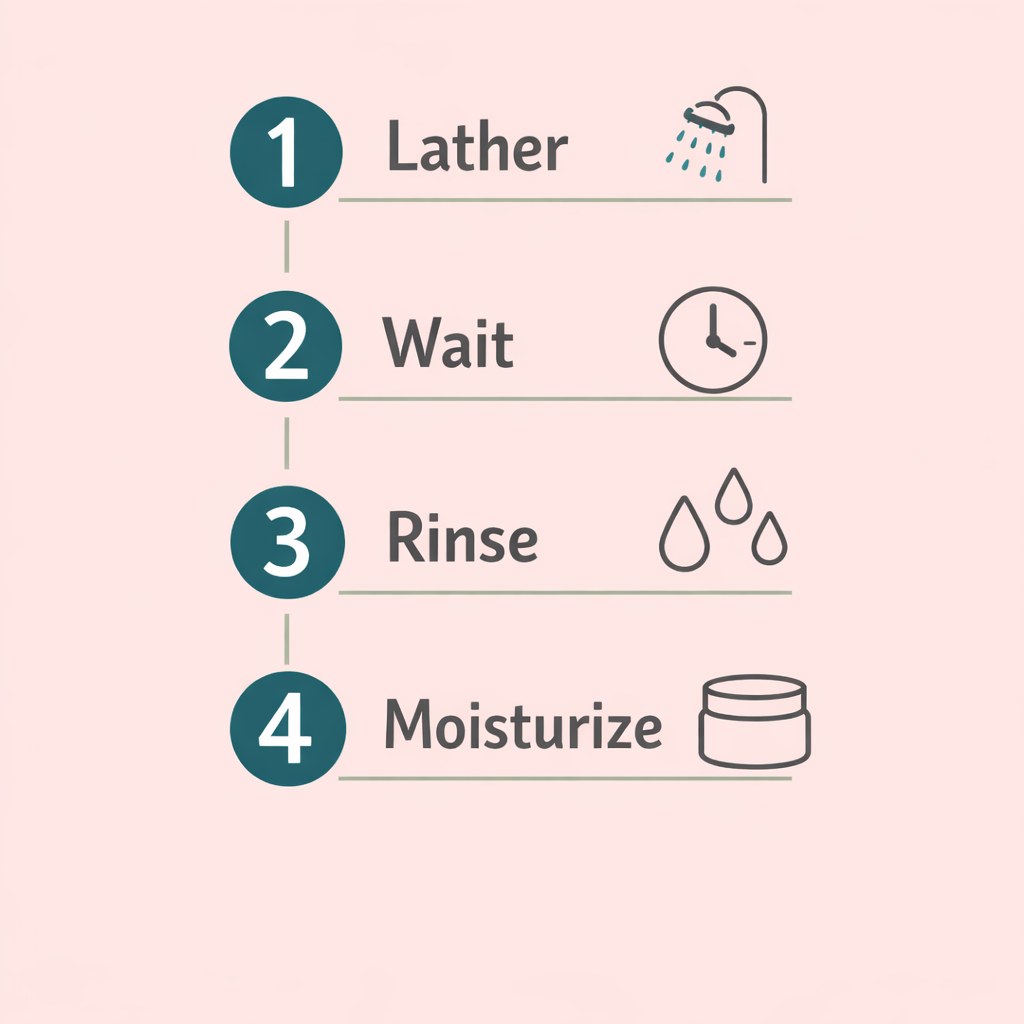
This is where most body washes fail, and it isn’t the product’s fault. Acne washes need time on the skin to do anything. The AAD notes that benzoyl peroxide works best when it stays on the back for two to five minutes before rinsing. A quick lather and rinse sends most of the active straight down the drain. A simple trick is to wash the hair first, then lather the wash onto the back, chest and shoulders, then shave or brush teeth while it sits. By the time that’s done, the contact time is covered.
Order matters in the shower, too. Shampoo and conditioner run down the back, and some conditioners leave a film that can clog pores. Rinsing hair first and washing the body last clears that residue away. Teens should use their hands or a soft cloth, not a rough scrub brush or loofah. Scrubbing irritates inflamed skin and can make red marks last longer. After drying off, a light, oil-free lotion helps if the wash leaves skin tight or flaky.
Then there’s the laundry. Benzoyl peroxide bleaches fabric, which explains those orange or white spots on dark towels and sheets. Rinsing well helps, and switching to white towels and pillowcases saves a lot of frustration. A white undershirt to sleep in protects colored sheets if the teen uses a leave-on product at night. It sounds like a small thing, but ruined towels are one of the top reasons families give up on a wash that was working. Expect real change in about six to eight weeks, not six days.
Advertisement
Is benzoyl peroxide safe after the benzene headlines?
You may remember the scary headlines from 2024 about benzene, a known carcinogen, showing up in some benzoyl peroxide products. The FDA looked into it. In March 2025, the agency reported it had tested 95 acne products containing benzoyl peroxide and found elevated benzene in six, which led to a small number of retail-level recalls. Source: https://www.fda.gov/drugs/drug-safety-and-availability/limited-number-voluntary-recalls-initiated-after-fda-testing-acne-products-benzene-findings-show The FDA also said the cancer risk from these products is very low, even with daily use over decades. That’s a much smaller problem than the early coverage suggested.
There are still a few sensible habits. The FDA recommends checking products and tossing anything past its expiration date. Benzoyl peroxide can break down with heat, so I wouldn’t leave a bottle in a hot car or a gym bag baking in the sun all summer. Keep it in the bathroom and buy a size your teen will finish in a few months. A wash that rinses off within minutes also has less skin contact time than a leave-on gel. For most families, the bigger risk is giving up on a treatment that works because of a headline.
What if the acne body wash isn’t working?
Give it a fair shot first. Six to eight weeks of daily use is the usual test, and some teens see the first change around week three or four. If nothing has budged by then, it’s time to look closer. Sometimes the bumps aren’t typical acne at all. A common look-alike is Malassezia folliculitis, often called fungal acne, which is caused by a yeast that lives on the skin. DermNet describes it as small, itchy, same-sized bumps on the upper back and chest, without the blackheads that come with regular acne. Source: https://dermnetnz.org/topics/malassezia-folliculitis
It’s most common in teen and young adult males, and it loves heat, sweat and humidity. Benzoyl peroxide won’t do much for it because it isn’t caused by the same bacteria. Antifungal washes such as selenium sulfide or ketoconazole shampoo, used on the body and left on for a few minutes, often help. Weekly use afterward may keep it from coming back. If the bumps itch a lot and all look alike, that’s worth mentioning to a doctor before trying a fourth acne wash. A quick visit can settle the question.
A dermatologist is also the right call for deep, painful bumps, cysts, or anything leaving dark marks or pitted scars. Body acne scars tend to stick around, and the back is hard to treat later. Prescription options include topical retinoids, different antibiotic combinations and, for severe cases, oral medicines. Getting help early can save your teen a lot of grief down the road. I’d rather see a parent book that appointment a month too early than a year too late.
What else helps besides the body wash?
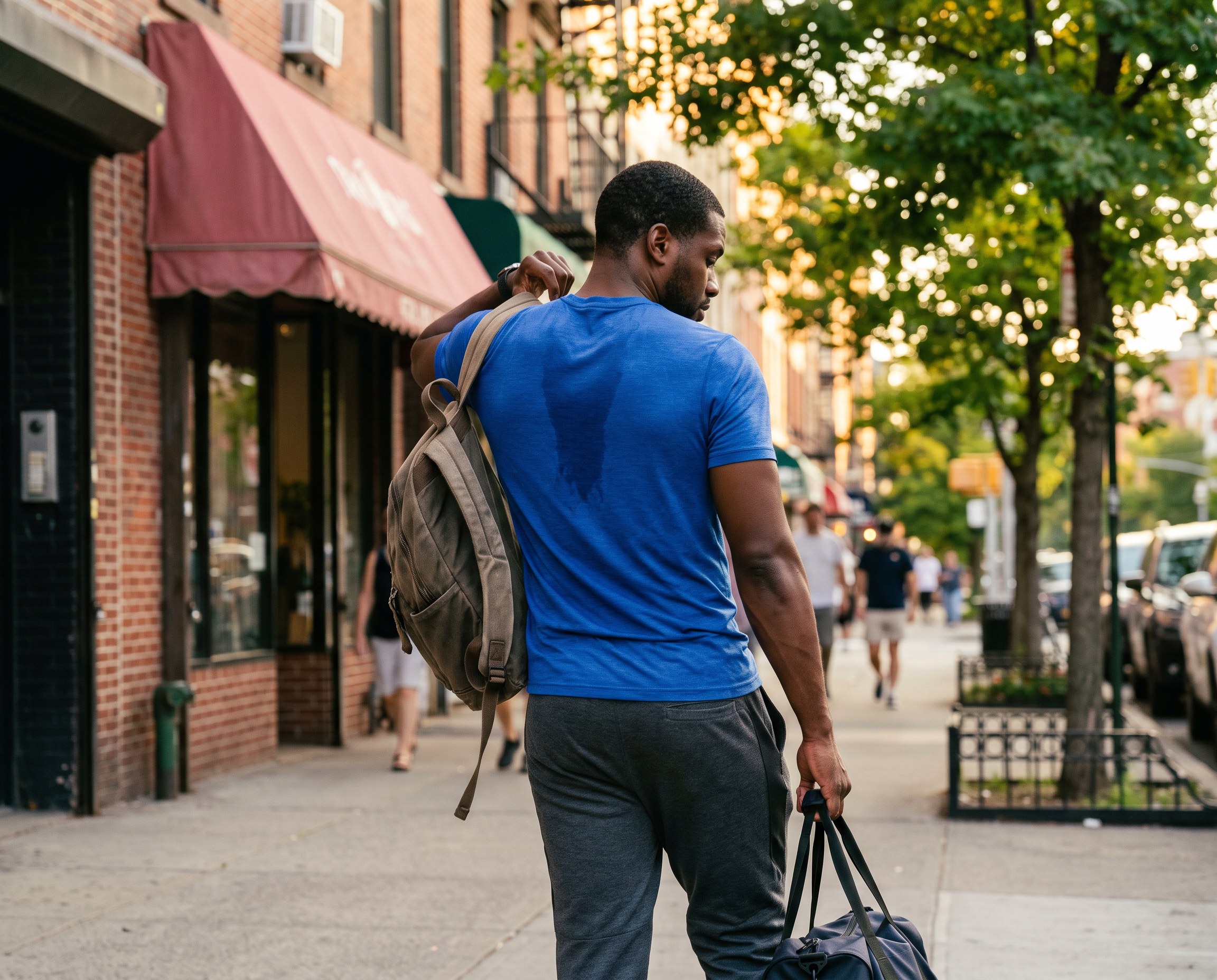
The wash does the heavy lifting, but daily habits decide how well it works. Sweat sitting on the skin is a big trigger, so showering soon after practice or the gym makes a real difference. If that’s not possible, an oil-free cleansing wipe across the back and chest is a decent stand-in until they get home. Loose cotton or sweat-wicking shirts are better than tight synthetic layers that trap heat. Workout clothes should get washed after every use, not tossed back in the locker for round two. Sports pads and helmets that rub the skin should be cleaned often, too.
Friction counts more than most people realize. The AAD points to backpacks as a common culprit because straps press sweat and oil into the shoulders all day. A lighter load, wider straps or a bag that isn’t always on the same spots can help. Teens who use heavy body lotions, hair oils or thick sunscreens on the back may want to switch to oil-free versions. Sheets and pillowcases should be changed regularly, especially in summer. And the old advice holds – picking and squeezing make things worse, even when the temptation is strong.
Can parents use their teen’s acne body wash on mature skin?

This comes up more than you’d think. Plenty of adults, especially women in their 40s, 50s and through menopause, find breakouts on the chest or back that they haven’t seen since high school. Hormone shifts can do that. It’s tempting to grab the teenager’s 10 percent benzoyl peroxide wash and call it a day. But mature skin is usually drier and thinner, and its barrier recovers more slowly. A wash built for a sweaty sixteen-year-old’s oily back can leave older skin raw, flaky and itchy.
If you want to try it, go gentle. Start with a lower strength, around 2.5 to 5 percent, and use it only on the areas that break out. Leave it on for a minute or two, rinse well, and follow with a fragrance-free moisturizer while the skin is still damp. A few times a week may be plenty. Salicylic acid washes are another option for clogged pores, though they can also dry out mature skin if they’re overused.
It’s also worth knowing that not every bump on adult skin is acne. Itchy red spots on the chest and back in people over 50 can be a condition called Grover’s disease, which is more common in men and often flares with heat and sweating. Rough little bumps on the upper arms are usually keratosis pilaris. Neither one responds well to acne washes. If something new shows up, sticks around, or itches more than it hurts, have a dermatologist look at it. That’s good advice for any age, and it’s especially true as skin changes over time.
How do you talk to a teenager about body acne?
The way you bring it up matters almost as much as the wash you buy. Teens are already self-conscious about their bodies, and a comment at the wrong moment can sting for a long time. Try to keep it matter-of-fact and private. Something like “I picked up a wash that’s supposed to help with back breakouts, it’s in the shower if you want it” lands better than a big talk at dinner. Letting them own the routine gives them a sense of control. And control is a lot of what teens want with their skin.
It also helps to explain the why. Teens are more likely to stick with a two-minute wait if they know the product needs time to work. Share the laundry tip so they don’t feel blamed when a towel gets bleached. If the acne is clearly bothering them, or if it starts affecting what they wear or whether they want to swim, that’s a good reason to bring in a doctor. Body acne is very treatable. The goal is to get them back to not thinking about it.
FAQs
What percentage of benzoyl peroxide is best for teen body acne?
Most dermatologists suggest starting with a wash around 4 to 5.3 percent. If there’s no improvement after six to eight weeks of daily use, moving to 10 percent is reasonable. Higher strengths can dry and irritate the skin more, so stronger isn’t automatically better.
Is salicylic acid or benzoyl peroxide better for body acne?
Benzoyl peroxide is usually the first choice for red, inflamed bumps because it kills acne bacteria. Salicylic acid is better for blackheads and clogged pores and tends to be gentler. Some teens do well using both on alternating days.
How long should an acne body wash stay on the skin?
The AAD says benzoyl peroxide works best when left on for two to five minutes before rinsing. Washing hair first and letting the body wash sit while doing something else is an easy way to get there.
Why are there bleach spots on our towels?
Benzoyl peroxide bleaches fabric. Rinse the skin well, switch to white towels and sheets, and have your teen wear an old white T-shirt to bed if they use a leave-on treatment.
Can diet cause body acne in teenagers?
Research suggests that diets high in sugary, high-glycemic foods and possibly skim milk may play a role for some people. Diet isn’t the main cause for most teens, though. Hormones, oil, sweat and friction usually matter more.
When should a teen see a dermatologist for body acne?
If there’s no improvement after six to eight weeks, if the bumps are deep and painful, or if they’re leaving scars or dark marks, it’s time. A doctor can also check whether itchy, uniform bumps are actually fungal folliculitis.
Teen body acne feels like a big deal when you’re the one living with it, and it can feel like a mystery when you’re the parent trying to help. But the fix is mostly simple. A benzoyl peroxide or salicylic acid wash, left on long enough, used every day, with a few smart habits around sweat and laundry, clears up most cases. It doesn’t need to be expensive, and it doesn’t need to be complicated. Give it a couple of months, watch for signs that something else is going on, and bring in a dermatologist when the plan stalls. Your teen will probably never thank you for the white towels, and that’s fine.
Related Posts