Jun
Trends & Opinions, Wellness
What Really Happens When You Swim in a Mountain Lake This Summer
If you click on links we provide, we may receive compensation.
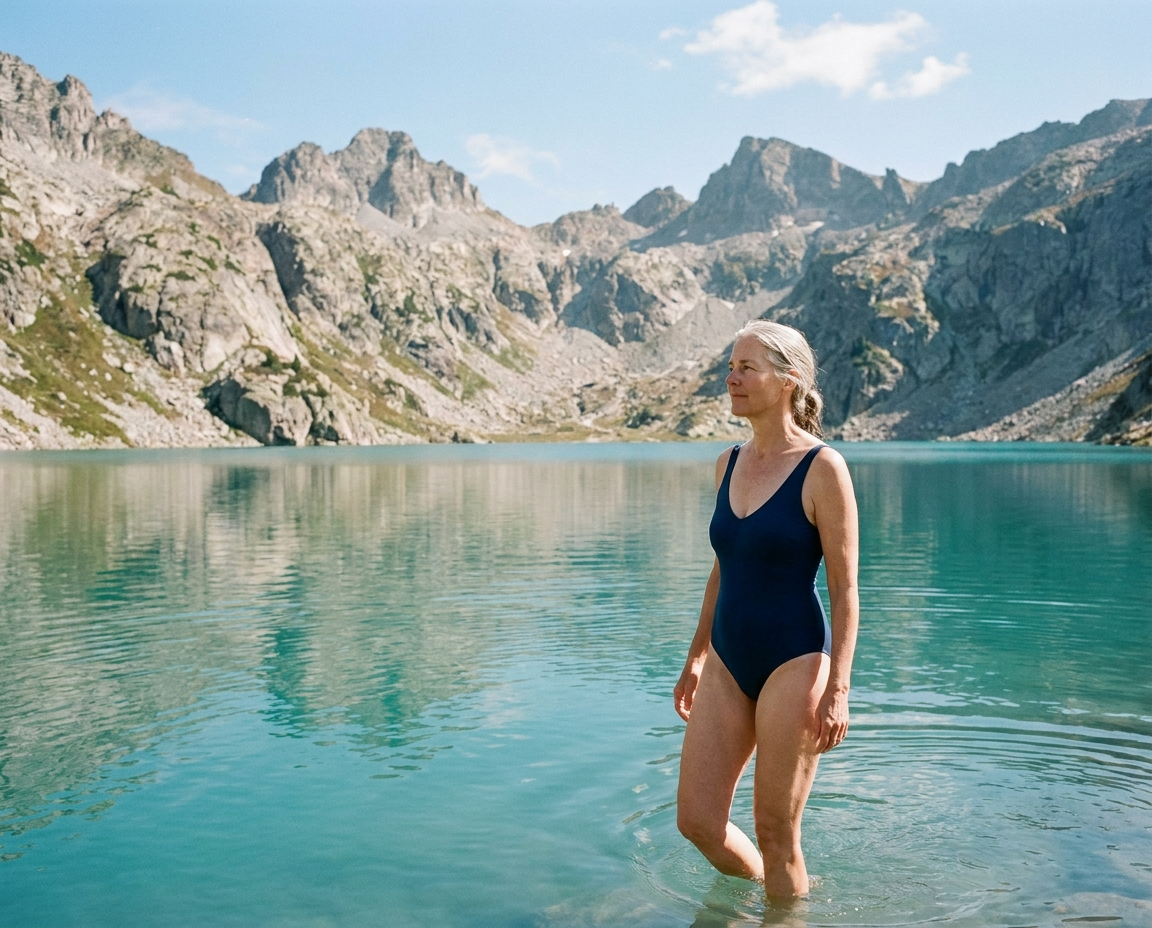
202 people accidentally drowned in UK inland and coastal waters in 2025 – and nearly half of coastal deaths that year involved people who had not planned to enter the water at all (University of Portsmouth: https://www.port.ac.uk/news-events-and-blogs/news/portsmouth-expert-warns-of-inland-water-dangers-as-new-data-reveals-202-accidental-drowning-deaths-last-year). Mountain lakes are a different story in many ways – quieter, cleaner, far from the rip currents and breaking waves that claim most coastal lives. The growing cold water therapy movement, with its Wim Hof devotees and weekend wild swimmers, has made the glacial plunge feel less eccentric and more like a legitimate wellness ritual. The hiking community has always known that reaching a remote alpine lake and stepping in is one of the best rewards available at the end of a long trail. But those same beautiful, remote bodies of water come with specific hazards that do not show up in the social media reels – and knowing what those hazards are is exactly what allows you to enjoy them safely.
Why Do People Keep Coming Back to Mountain Lakes?
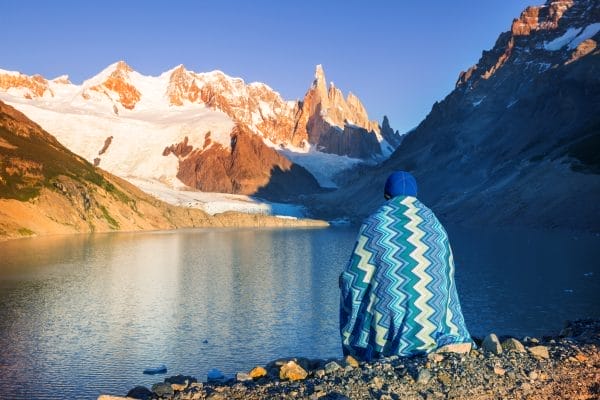
There is something about the combination of altitude, effort, and cold water that no spa can replicate. You hike for two hours, your legs ache, your pack is heavy, and then the lake is right there – blue-green and clear to the bottom, ringed by rock and sky. The experience of getting in feels earned in a way that a hotel pool simply does not. Research published in PLOS One and Frontiers in Physiology confirms that cold water immersion triggers a measurable spike in norepinephrine, dopamine, and beta-endorphin – neurochemicals tied to mood elevation, reduced pain perception, and a sense of focused calm (https://pmc.ncbi.nlm.nih.gov/articles/PMC11778651/). A documented case study from BMJ Case Reports followed a patient who gradually reduced her antidepressant medication after taking up cold water swimming, reporting immediate mood improvement after each swim and a sustained reduction in depression symptoms over time (https://pmc.ncbi.nlm.nih.gov/articles/PMC7730683/). That said, the current research base is still limited – most studies are small and non-randomized, and the medical community is careful to say that cold water immersion is promising rather than proven as a therapeutic tool. What is not disputed is the experience itself: the shock, the clarity afterward, the specific kind of tiredness that follows, and the fact that most people who try it want to do it again.
What Happens to Your Body the Moment You Enter Cold Water?
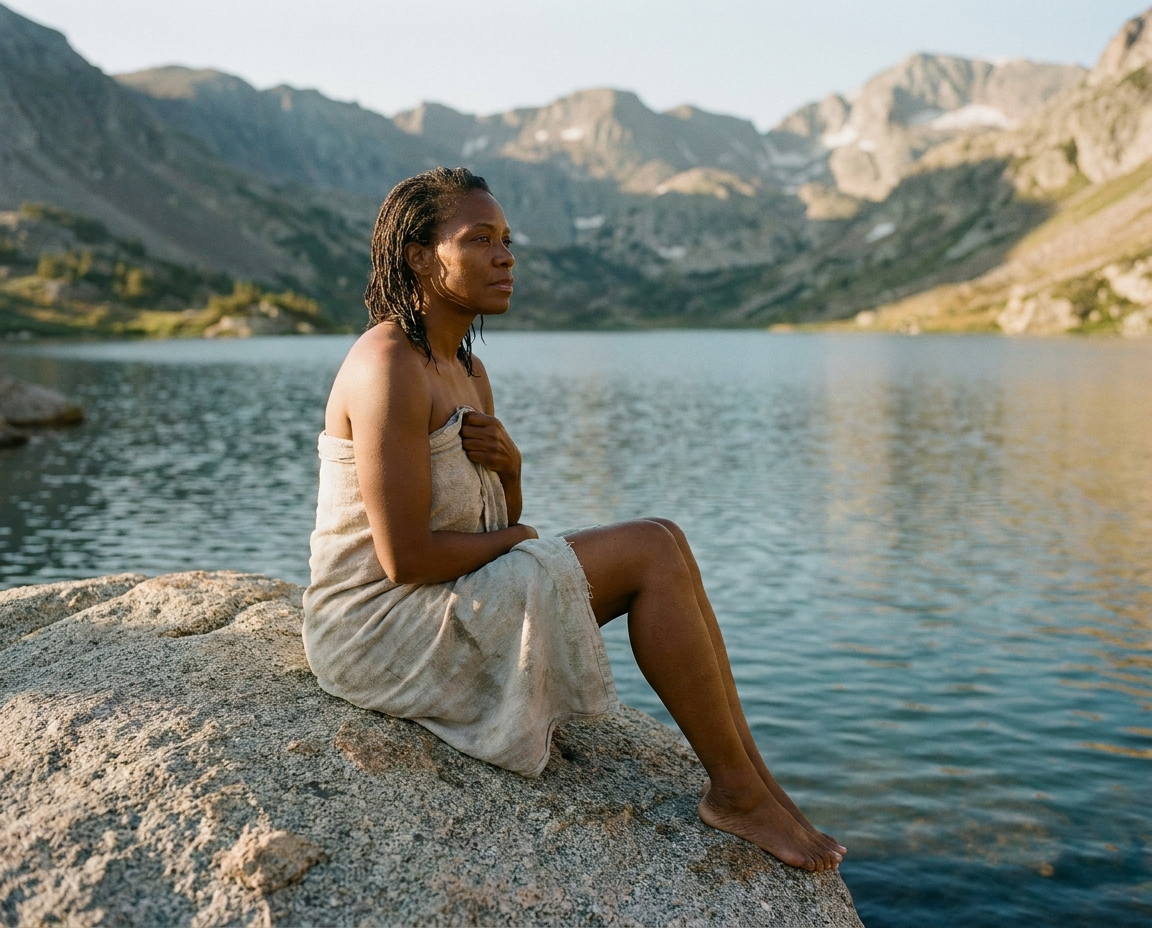
The most important piece of information any mountain lake swimmer can carry is what happens in the first 60 seconds of cold water immersion – because this is where the majority of wild swimming deaths actually occur. Cold shock is the body’s involuntary response to sudden immersion: an uncontrolled gasp reflex, followed by hyperventilation that can increase breathing rate up to ten times above normal, along with a spike in heart rate and blood pressure. This happens before you have had any time to feel cold, and it happens even to fit, experienced swimmers who have been in cold water before. The RNLI defines cold water shock risk as any water below 16°C (60.8°F), and many mountain lakes sit well below that temperature even in peak summer – snowmelt feeds constantly, solar heating is minimal at depth, and the surface temperature you test with your foot bears no relationship to what you will feel at chest or shoulder depth. The critical thing to know – and this is the RNLI’s Float to Live message – is that cold shock passes within 60 to 90 seconds if you stay calm. Lean back, spread your limbs, and let the water support you. The instinct is to thrash, swim hard, and fight toward shore; that instinct significantly increases your risk of drowning during those first terrifying seconds (https://rnli.org/news-and-media/2017/may/25/coastal-deaths-rnli-says-fight-your-instincts-not-the-water-to-help-survive). Float first. Swim second.
What Is the 1-10-1 Rule and Why Should You Know It?
Dr. Gordon Giesbrecht, professor of thermophysiology at the University of Manitoba, developed the 1-10-1 principle to describe the three critical time windows of cold water immersion, and it is the most practically useful framework a wild swimmer can have. The first number is one minute – the window during which cold shock is most intense and your breathing is out of control. Your goal in that minute is not to swim; it is to stay calm, float on your back, and let the reflex pass. The second number is ten – the approximate number of minutes before cold water incapacitation begins to set in even before clinical hypothermia develops. Muscle function in the arms and legs degrades surprisingly fast in cold water; your ability to make meaningful swimming strokes can be significantly impaired by the ten-minute mark, even if your core temperature is still normal and you feel alert (https://bicorescue.com/1-10-1-principle/). The third number is one hour – roughly how long a person can remain conscious even in very cold water before hypothermia causes loss of consciousness. The hour-long window is actually longer than most people assume, which is good news for rescue scenarios. The dangerous gap is the middle phase: the swimmer who enters a mountain lake and can’t understand why their arms have stopped working properly six or eight minutes in is experiencing cold incapacitation, not weakness. Entering the water slowly – feet first, pausing at knee, waist, and shoulder depth – gives your body a chance to adapt and reduces the severity of both cold shock and the incapacitation that follows.
What Is Actually Living in That Beautiful Clear Water?
Mountain lakes look pristine – and most of the time, they largely are. But there are specific biological hazards that clear water conceals perfectly, and the most dangerous of them has become more common in recent years due to warming temperatures. Harmful algal blooms (HABs), caused by cyanobacteria (blue-green algae), are proliferating at higher elevations as summer temperatures rise – and the toxins they produce can cause skin rash, eye and throat irritation, vomiting, stomach cramps, and in cases of significant exposure, acute liver damage (https://www.health.state.mn.us/diseases/hab/hab.html). A 2025 scientific review in a dermatology journal specifically linked climate change to increasing rates of cyanobacterial skin disease, noting that the geographic range of HABs is expanding beyond traditionally warm lowland lakes. Visual signs to check before you enter include a blue-green, olive, or brownish-green tint to the water; a paint-like sheen on the surface; visible surface scum, foam, or floating mats; and dead fish near the shoreline. An affected lake sometimes smells musty or earthy in a way that feels wrong for clear alpine water. Most countries with significant mountain lake access maintain public HAB alert databases – the EPA and CDC jointly provide US resources at https://www.epa.gov/cyanohabs, and equivalent monitoring systems exist across the EU, UK, Canada, Australia, and New Zealand. Check them before you hike in, not after you arrive.
Leptospirosis is the second hazard worth understanding – a bacterial infection caused by Leptospira bacteria carried in the urine of infected animals including rodents, deer, and cattle. The CDC reports 100 to 200 cases per year in the United States, with most occurring in late summer and early fall and most linked to freshwater recreation including swimming, wading, and kayaking (https://www.cdc.gov/leptospirosis/about/index.html). Symptoms typically appear two days to four weeks after exposure and range from mild flu-like illness to serious multi-organ complications affecting the kidneys, liver, and heart. The bacteria enter the body through cuts, skin abrasions, eyes, and mucous membranes – which is why any open wound on your feet, ankles, or legs from a rocky shoreline significantly raises your exposure risk. In lakes frequented by grazing animals or with visible wildlife activity near the water, this risk is real enough to take seriously. Swimmer’s itch – cercarial dermatitis – rounds out the trio of biological concerns. It is an allergic skin reaction to microscopic parasites released from freshwater snails, and it produces itchy red papules that typically appear within 12 hours of swimming and peak around day two or three before fading over one to two weeks (https://my.clevelandclinic.org/health/diseases/21783-swimmers-itch-cercarial-dermatitis). The parasites are most concentrated in warm, shallow, weedy shoreline areas where snails live. Entering from a rocky ledge rather than a marshy edge, and drying off vigorously with a towel immediately after leaving the water, are the two most effective prevention steps you can take.
What Does Mountain Lake Water Actually Do to Your Skin?
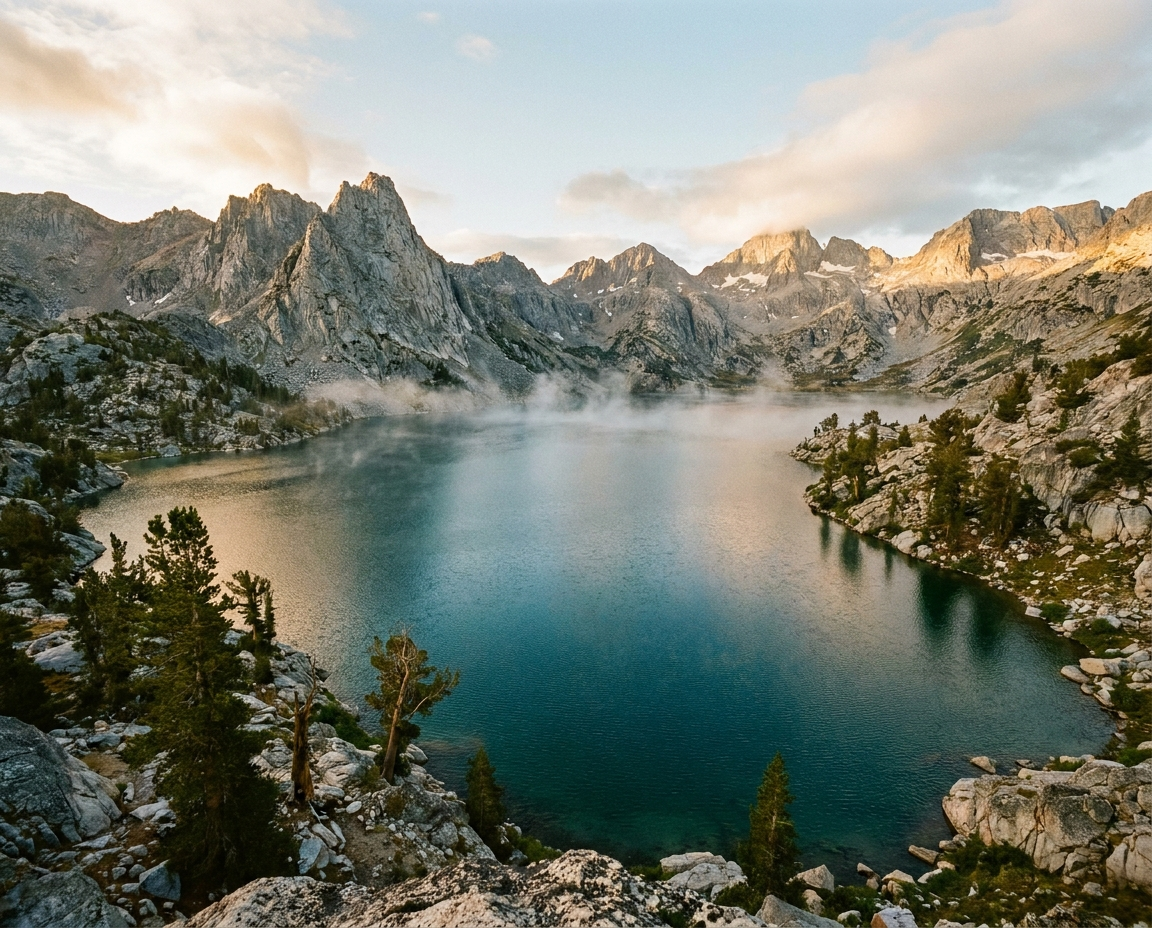
The immediate effect of cold water on skin is not bad – vasoconstriction contracts blood vessels, which temporarily reduces puffiness and gives the complexion a bright, flushed appearance that many wild swimmers describe as an instant facial. The challenge is cumulative, and it starts with the nature of mountain lake water itself. Alpine lakes are often high in dissolved minerals from glacial and snowmelt sources – hard water that disrupts the skin’s acid mantle and strips the lipid layer from the surface with sustained exposure. Combined with the UV conditions at altitude – which can be 25 to 36 percent more intense than at sea level at elevations of 2,500 to 3,000 meters, since UV radiation increases approximately 10 to 12 percent per 1,000 meters of elevation gained (https://www.hko.gov.hk/en/education/weather/sunshine-and-uv/00120-ultraviolet-radiation-at-high-altitude.html) – your skin is under meaningful stress even during what feels like a brief, refreshing swim. Lake surfaces also reflect UV upward, adding to total exposure. Any sunscreen applied at the trailhead hours earlier has likely been partially worn off by sweat and friction, and reapplication after your swim is not optional at altitude. Broad-spectrum mineral formulas using zinc oxide are the better choice here – they remain active on damp skin where chemical UV filters can lose efficacy.
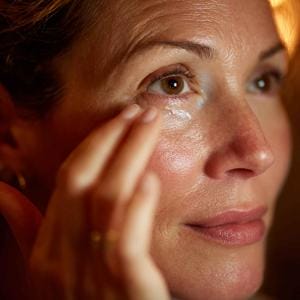
The post-swim restoration routine matters more than most people think. Rinsing lake water off as soon as possible removes residual mineral salts, any microbial matter from the water, and the stress load your barrier has been absorbing. If you are hiking in a group with a water filter and extra water to spare for rinsing, use it. Follow with a lipid-rich moisturizer applied while skin is still slightly damp – a ceramide cream, a facial oil, or a barrier-repair balm – to replace the lipids the cold water stripped. For anyone prone to rosacea or reactive skin, the combination of cold shock flushing, altitude UV, and hard mineral water is a genuine trigger for flare-ups, and a physical SPF product worn continuously throughout the hike offers real protection. Pay particular attention to any cuts or abrasions on your legs and feet from the rocky lake floor – clean them promptly and thoroughly, because leptospirosis bacteria can enter through even small breaks in the skin. A small tube of antibiotic ointment in your trail kit costs almost nothing and covers a real risk.
Does Altitude Change the Danger?
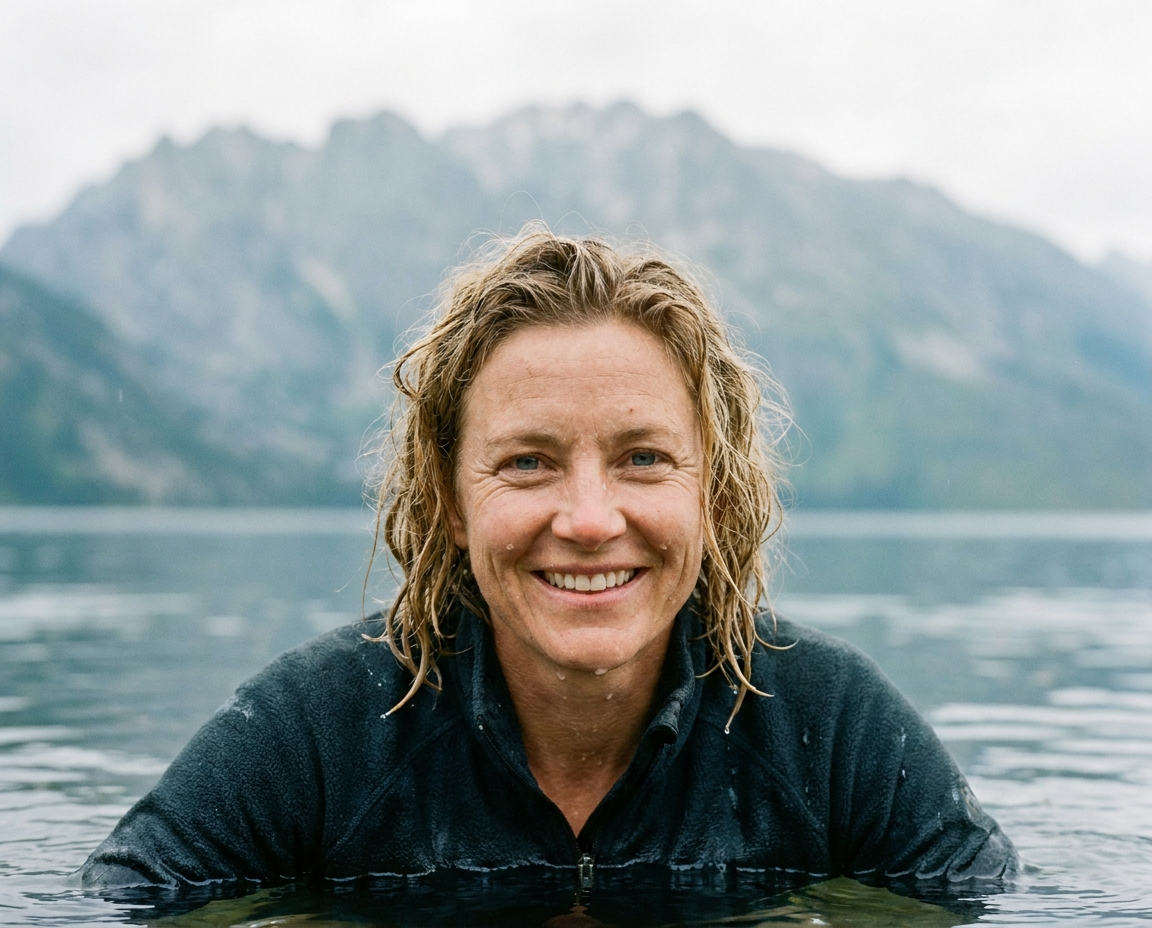
Above roughly 2,500 meters (about 8,200 feet), the thinner atmosphere and lower partial pressure of oxygen affect aerobic performance in ways that are directly relevant to swimming. You will feel winded faster than you would at the same exertion level at sea level, and your body’s capacity to manage the combined stress of cold immersion, reduced oxygen availability, and vigorous movement is genuinely diminished. For a gentle wading swim in a shallow area close to shore, this matters relatively little. For an energetic open-water swim or any attempt to cover significant distance in a mountain lake, the reduced margin for error at altitude is real. Altitude sickness – which can include headache, nausea, fatigue, and impaired judgment even in healthy, fit adults – develops over hours at altitude, and impaired judgment while making decisions about cold water entry is a compounding risk. If you have ascended quickly (driven or ridden to altitude rather than hiked up over multiple days) and feel any altitude symptoms, postpone the swim and acclimatize first. The lake will still be there tomorrow. The UV risk at altitude also catches many swimmers off guard because cool air temperature creates a false sense of protection – the atmosphere does not signal sunburn risk the way hot beach air does. A full-face, water-resistant SPF worn throughout the day, including during the hike in and out, is not an optional extra at altitude.
What Else Could Go Wrong That Most People Do Not Consider?
The lake floor in most mountain lakes is rocky, uneven, and often coated with fine algae that becomes extraordinarily slippery. Depth in alpine lakes can be genuinely deceptive from the surface – many look like gentle, shallow basins but drop sharply within a few meters of the shoreline. Entry by stepping – never by jumping or diving – is the only sensible rule in any mountain lake you have not entered before. Submerged logs, boulders, and branches are common features in glacially carved and snowmelt-fed lakes, and thermoclines – distinct bands of water at dramatically different temperatures – mean that the surface can feel swimmable while a few feet below, the water is cold enough to trigger cold shock in someone who entered slowly and felt comfortable at first. Mountain lake weather is a separate, often underestimated variable. Afternoon thunderstorms develop rapidly in alpine terrain during summer and they develop fast – what looks like a fine morning can produce a full electrical storm by early afternoon. Lightning over open water is immediately dangerous. The 30-30 rule gives you a workable guide: if you see lightning and hear thunder within 30 seconds, the storm is less than ten kilometers away, and you should exit the water and move away from the shoreline immediately – then wait 30 minutes from the last thunder before going back in. Morning swims are safer for exactly this reason.
Remoteness is the factor that elevates all the other risks. A mountain lake has no lifeguard, no emergency services within close range, and often no cell signal. Emergency rescue in alpine terrain can take hours from the moment the alarm is raised. This context makes the “never swim alone” rule not just a precaution but the single most meaningful safety decision you make at a mountain lake. A swimming partner who knows the 1-10-1 rule and can get help if something goes wrong is the most important piece of safety equipment you can bring. Always tell someone your destination before you hike in – the trailhead parking lot does not count; tell a person who will notice if you do not return by a specific time. Bring a dry change of clothes and a warm insulating layer for immediately after your swim – wet swimwear at altitude loses heat fast, and mild hypothermia can set in on the hike out faster than you expect, especially if the wind picks up.
What Should You Know If You Are Swimming in a Mountain Lake in Your 50s or Beyond?
Cold shock does not discriminate on fitness, but it does intensify with age. Research consistently shows that older adults – including fit, healthy women in their 50s and 60s – experience a more pronounced cardiovascular response to cold water immersion than younger people: heart rate and blood pressure spikes are larger, and the recovery to baseline takes longer. For anyone with managed or undiagnosed cardiovascular conditions, the cold shock response is a real consideration, and a brief conversation with your doctor before making mountain lake swimming a regular practice is genuinely worthwhile. This is not a reason to avoid it – many of the most dedicated wild swimmers are in their 60s and 70s, and the physiological benefits of cold immersion do not diminish with age. It is simply about going in with accurate information about your own body. If your doctor gives the all-clear, enter more slowly than a younger swimmer would, pause longer at each depth increment, and pay attention to any chest tightness, dizziness, or shortness of breath that does not resolve in the first minute.
Skin in midlife and beyond also needs more deliberate care after a mountain lake swim. The barrier thins over time, which makes it more vulnerable to both lipid stripping from hard mineral water and reactive events like HAB exposure and swimmer’s itch. If you develop a rash after swimming that does not begin to clear within a few days, or if it is accompanied by anything beyond mild itching, see a dermatologist – what looks like swimmer’s itch occasionally needs prescription treatment, and reactions to cyanobacterial toxins can be more intense on more reactive skin. Post-swim moisturizing is maintenance, not luxury, for skin that needs more barrier support than it did in your 30s. Use something with ceramides or fatty acids – a barrier-repair cream applied within a few minutes of rinsing off, while the skin is still slightly damp, makes a real difference in overnight recovery. And on the SPF front: the thinner the skin barrier, the more UV damage accumulates per session. Mineral SPF 50 applied over moisturizer on every exposed surface before you start the hike is the right protocol, not an afterthought.
Entering slowly is more important at this life stage than at any other. Take a full two to three minutes from knee-depth to waist-depth to shoulder-depth, pausing at each level to let your breathing settle and your body register the temperature. Cold shock is most severe when the immersion is sudden – deliberate, gradual entry changes the experience dramatically and reduces the cardiac stress. If anything feels wrong on the way in, do not push through it. The mountain lake will be there on your next visit.
FAQs
Is it safe to drink water from a mountain lake?
No – not without treatment. Even very clear mountain lake water can contain Giardia, a microscopic parasite from animal fecal contamination that causes cramping, bloating, and diarrhea with a delay of two to four weeks after exposure. It can also carry leptospirosis bacteria and, in affected lakes, cyanotoxins from algal blooms that no amount of boiling will neutralize. Carry purified or filtered water for drinking, or use a quality portable filter or purification tablets on any backcountry water you collect.
What does swimmer’s itch look like, and how do I treat it?
Swimmer’s itch typically appears within hours of your swim as small red pimples or papules on exposed skin. It looks similar to an insect bite rash and can be intensely itchy. Symptoms peak around day two or three and fade over one to two weeks. Apply over-the-counter hydrocortisone cream to affected areas to reduce inflammation, and take an oral antihistamine like cetirizine or loratadine to manage the itch (https://my.clevelandclinic.org/health/diseases/21783-swimmers-itch-cercarial-dermatitis). Cool compresses offer immediate relief. Toweling off vigorously and immediately on leaving the water is the most effective prevention step – the parasites burrow in while water is evaporating from the skin surface.
How do I spot a harmful algal bloom before I swim?
Look for a blue-green, olive, or brownish-green color to the water; a surface sheen that resembles paint or oil; visible foam, scum, or floating mats along the shoreline; or dead fish. A musty or earthy odor stronger than you would expect from clear alpine water is also a warning sign. If any of these are present, do not enter the water. Check your regional environmental health authority’s HAB alert database before you hike in – the EPA and CDC jointly maintain a US resource at https://www.epa.gov/cyanohabs (https://www.health.state.mn.us/diseases/hab/hab.html).
Do I need sunscreen for a cold mountain lake swim?
Yes – and more than you would apply at the beach. UV radiation increases approximately 10 to 12 percent for every 1,000 meters of altitude, meaning that at 3,000 meters you are receiving 30 to 36 percent more UV than at sea level, with no warning from the air temperature. Sunscreen applied at the trailhead is often partially worn off by the time you reach the water. Apply a broad-spectrum mineral SPF 30 or higher before the hike, and reapply after your swim. Water-resistant formulas with zinc oxide stay active on damp skin better than chemical UV filters.
What do I do if I get into trouble in the water?
Follow the RNLI’s Float to Live guidance: flip onto your back, spread your arms and legs, and let the water support you (https://rnli.org/news-and-media/2017/may/25/coastal-deaths-rnli-says-fight-your-instincts-not-the-water-to-help-survive). Do not try to swim powerfully toward shore immediately – cold shock will work against you. Control your breathing first. This takes about 60 to 90 seconds. Once your breathing settles, make a calm, deliberate move toward your exit point. Shout for help if anyone is in range. This is exactly why swimming alone in a mountain lake is the risk that matters most – a partner who can raise the alarm is the difference between a bad situation and a fatal one.
Mountain lakes in summer are one of the genuinely great experiences that are available to anyone willing to hike to get there. The cold is part of what makes them extraordinary – the shock, the clarity that follows, the mood you carry back down the trail. The hazards covered here are not reasons to stay on the shore. They are practical information: how to read the water before you get in, what your body is doing in the first minute, how to protect your skin before and after, and how to come home in the same good shape you started in. Go in slowly. Bring a friend. Check the bloom report the night before. Slather on the SPF. And then get in.
Related Posts