
Jun
Skincare, Trends & Opinions
Make These 5 Summer Skincare DIYs From Your Kitchen This Weekend
If you click on links we provide, we may receive compensation.
Studies suggest that UV exposure accounts for up to 90 percent of visible skin aging, and summer is when most of that damage accumulates – quietly, sun by sun, pool day by pool day. But summer is also the season when the best raw ingredients for your skin are sitting right in your kitchen. Fresh aloe vera, green tea, oatmeal, watermelon, yogurt, turmeric – these are not Pinterest props. They are real ingredients with real science behind them, and putting them to work on your face and body is one of the most satisfying ways to spend a slow Saturday afternoon. This article gives you five DIY skincare recipes that are grounded in clinical evidence, use safe concentrations of proven actives, and actually do something useful for summer-stressed skin. We will also be honest about what does not work – because some very popular DIY ingredients belong nowhere near your face.
What makes summer skin different from the rest of the year?
Your skin in summer is dealing with a genuinely different set of stressors than it faces the rest of the year. Heat and humidity increase oil production, which can clog pores and shift the balance of your skin’s microbiome, while sweat mixes with sunscreen and environmental particles to create a film that can irritate even calm, well-behaved skin. UV exposure triggers a cycle of inflammation that shows up as redness, uneven tone, and the kind of slow-building dullness that is hard to shake without some targeted care. Chlorine from pools and salt from the ocean strip the skin barrier, leaving it reactive and prone to stinging from products it would normally tolerate easily. And if you are spending any real time outdoors, your skin is in a mild, chronic state of oxidative stress even when you cannot yet see the effects. This is actually good news for DIY skincare, because many of the ingredients that address these exact summer concerns – antioxidants, anti-inflammatory compounds, barrier-supportive humectants – are the same ingredients that show up in your produce aisle or pantry shelf.
Should you trust DIY skincare, or is it a minefield?
The honest answer is: it depends entirely on which ingredients you use. Some DIY skincare ingredients have solid clinical backing and a long history of safe topical use – colloidal oatmeal, for instance, has been an FDA-approved active ingredient in over-the-counter skin protectant products since 2003, meaning it went through the kind of regulatory review most Pinterest recipe ingredients have never seen. Others are genuinely harmful and circulate online largely because they sound natural and therefore trustworthy. Lemon juice applied undiluted to facial skin has a pH of around two, far too acidic, and it makes skin photosensitive – meaning it actively increases the risk of sun damage, the exact opposite of what summer skincare should do. Baking soda has a pH of around nine, which disrupts the skin’s acid mantle and can cause long-term barrier damage with repeated use. Undiluted essential oils, no matter how beautifully they smell, can cause chemical burns and sensitization reactions that are difficult to reverse. Apple cider vinegar is another one to skip on your face. The DIYs in this article use only ingredients with established safety profiles and avoid every one of these problematic actives. Before trying any new recipe, always patch test on a small area of skin – inner wrist or behind the ear – and wait 24 to 48 hours before applying to your face.
What happens when you mist aloe and green tea on sun-stressed skin?
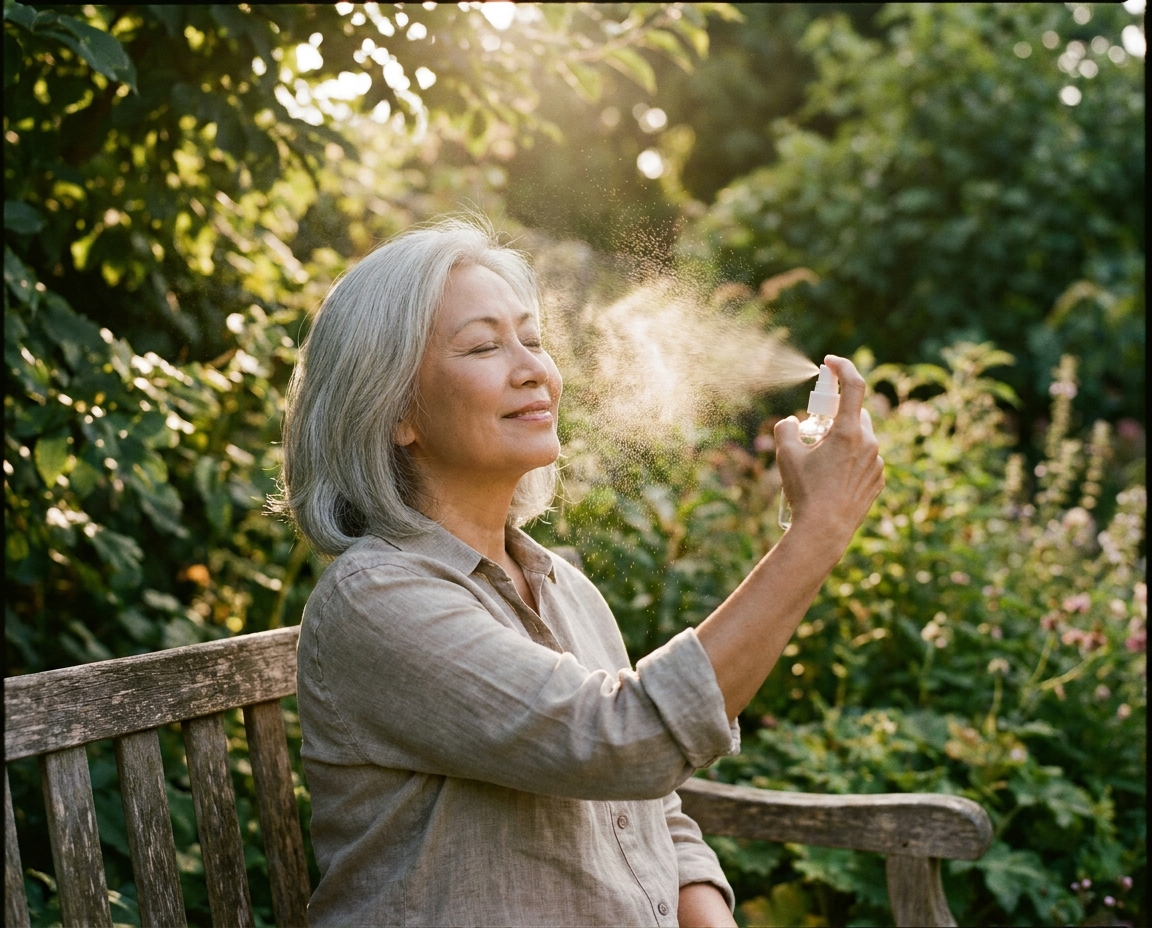
This is the summer skin recipe. A chilled spray bottle of green tea and aloe vera is genuinely cooling on a hot day, genuinely soothing on sun-exposed skin, and genuinely useful as a hydrating prep layer under SPF – and it costs almost nothing to make. Green tea is rich in epigallocatechin gallate, better known as EGCG, a polyphenol with powerful antioxidant and anti-inflammatory properties studied specifically for its effects on UV-induced skin inflammation. A randomized controlled trial found that topical green tea catechins reduced UV-induced inflammation compared to control, and published NIH research has documented EGCG’s ability to inhibit inflammatory leukocyte infiltration and prostaglandin production in sun-exposed skin (https://www.ncbi.nlm.nih.gov/pmc/articles/PMC4548173/). A further study in human skin fibroblasts confirmed that EGCG decreased reactive oxygen species, inhibited NF-kB, and reduced UV-triggered inflammatory markers including TNF-a and IL-6 (https://www.ncbi.nlm.nih.gov/pmc/articles/PMC10830905/). Aloe vera contains acemannan, a polysaccharide that functions as a humectant, a wound-healing compound, and an anti-inflammatory agent, with well-documented use in soothing minor burns and sun-irritated skin. Together, these two ingredients create a mist that addresses redness, delivers antioxidants, and keeps skin feeling refreshed throughout even the hottest day.
To make it, brew two bags of green tea in one cup of boiling water, let it steep for five minutes, and allow it to cool completely before using it – hot tea on skin is obviously not the goal. Stir in two tablespoons of pure aloe vera gel, making sure you are using a product that contains actual aloe as its primary ingredient and not mostly water and glycerin. If you like, add two tablespoons of rose water, which is pH-appropriate for skin and adds a lovely sensory dimension without introducing anything that could irritate. Pour the mixture into a clean spray bottle and store it in the refrigerator, where it will keep for five to seven days – the cold bottle makes the mist feel even better on a hot day. Because this recipe contains no preservatives, make small batches and use them up, or toss and start fresh. This mist works beautifully for all skin types, and it is especially good for anyone prone to redness or who has spent time in the sun.
Can a kitchen mask actually soothe a sunburn?
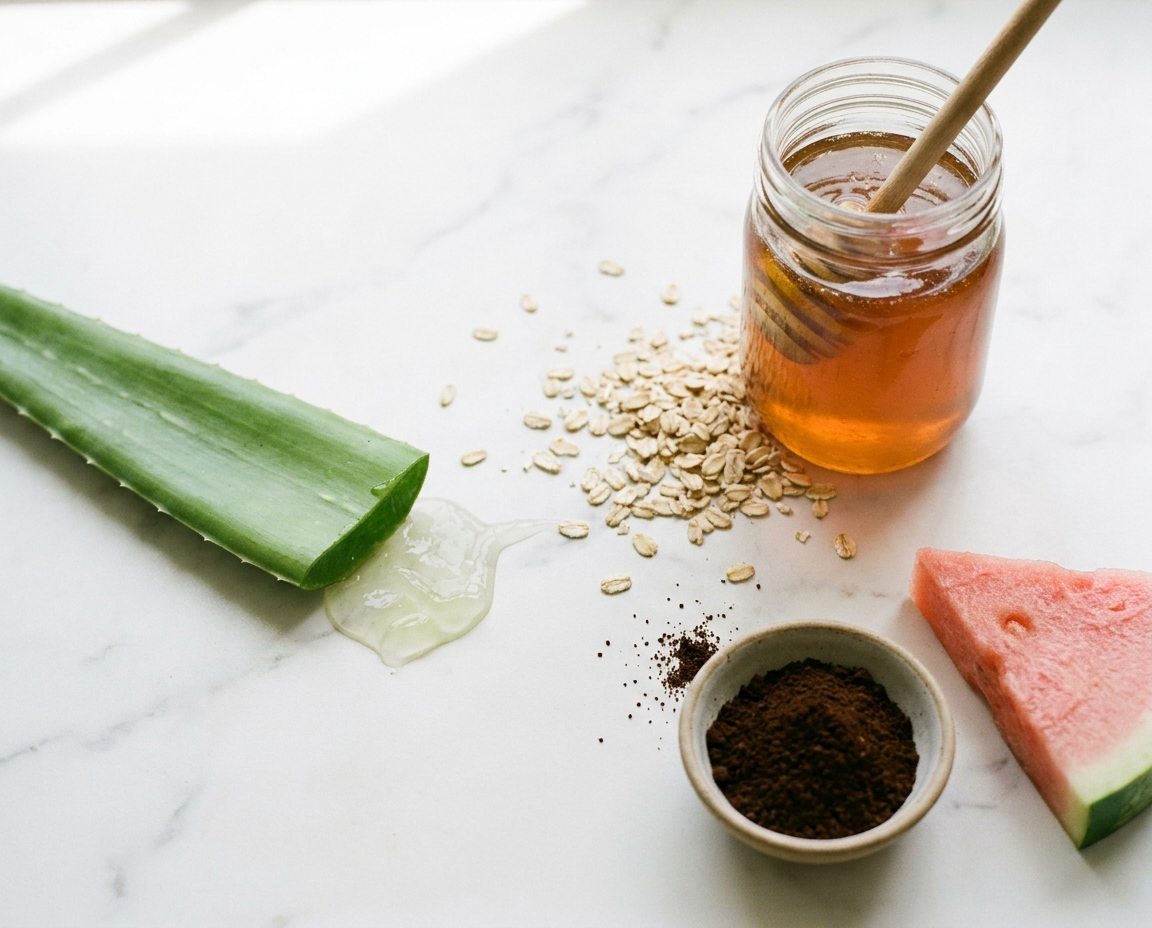
When your skin is reactive – from sun, from chlorine, from heat, from summer in general – the instinct to pile on actives is exactly wrong. What reactive skin needs is a calm, barrier-supportive intervention, and colloidal oatmeal is one of the best options we have. Colloidal oatmeal is classified by the FDA as a Category I active ingredient in over-the-counter skin protectant products, recognized as generally safe and effective for relieving minor skin irritation and itching (https://www.federalregister.gov/documents/2003/06/04/03-13751/skin-protectant-drug-products-for-over-the-counter-human-use-final-monograph). The anti-inflammatory compounds responsible are called avenanthramides, a group of phenolic amides found uniquely in oats, shown in multiple studies to reduce itching, redness, and irritation at the cellular level. The key is grinding your oats fine enough to approximate colloidal oatmeal – a blender or food processor works well – because large coarse particles are just rough physical exfoliants, and that is not what irritated, post-sun skin needs. This mask is especially appropriate after a day of chlorine, salt water, or more sun than you planned for.
Raw honey brings its own credentials to this mask. It is a humectant that draws moisture to the skin, has natural antimicrobial properties, and contains small amounts of naturally occurring hydrogen peroxide that contribute to its wound-healing reputation. Manuka honey is especially well-regarded for skin applications, though good raw local honey works beautifully too. Adding a tablespoon of plain full-fat yogurt rounds out the recipe: the lactic acid in yogurt offers a very mild alpha hydroxy acid effect that can help with surface texture, while the fat content adds richness and a pleasant cooling sensation. To make it, blend half a cup of rolled oats until fine as flour, then mix two tablespoons with one tablespoon of raw honey and, if you like, one tablespoon of plain full-fat yogurt. Apply to clean skin and leave on for ten to fifteen minutes before rinsing with cool water – not warm, which can further aggravate redness. This mask is gentle enough for eczema-prone skin, ideal after sun exposure, and well-suited to anyone dealing with heat rash or sensitivity from outdoor summer activities. Check for oat or honey allergies before using.
Is a coffee scrub actually worth the mess?
Let us be honest: this is the messiest of the five DIYs, and it earns the mess. A coffee scrub does two things well. First, it physically exfoliates the surface of body skin with a texture that feels genuinely satisfying – there is nothing quite like the combination of grit and oil for making rough elbows and dull legs feel new again. Second, it delivers caffeine, which temporarily constricts blood vessels at the skin’s surface in a way that can reduce the visible appearance of cellulite and surface puffiness. That ‘temporarily’ is doing real work in that sentence: caffeine does not eliminate cellulite structurally, but the short-term vasoconstrictive effect is real, and in the context of getting your skin ready for a summer dress or swimwear, temporary is useful enough. Beyond the caffeine angle, coffee grounds are rich in antioxidants, and they pair well with coconut oil, which is one of the most emollient and deeply moisturizing ingredients available for body skin – note body skin, specifically, because coconut oil is comedogenic and should not go on your face. Brown sugar adds a little extra exfoliation and dissolves pleasantly in water at the end of your shower.
Mix one cup of used coffee grounds with half a cup of melted coconut oil and, if you like, two tablespoons of brown sugar. Add three to four drops of peppermint or vanilla essential oil if using – diluted into the coconut oil, not applied directly to skin – and stir everything together. Take this into the shower with you, and put a rubber mat down first: coconut oil on a wet shower floor is genuinely slippery and a fall is not the summer skincare experience anyone is going for. Massage the scrub onto dry or damp skin in circular motions, focusing on rough spots like elbows, knees, and the backs of heels. Rinse thoroughly with warm water. Do not use this scrub on broken, sunburned, or irritated skin – physical exfoliation on compromised skin is painful and sets back healing. Used coffee grounds from your morning brew work perfectly, which makes this feel like a wonderfully practical form of zero-waste skincare. The scrub keeps for about a week stored in a sealed jar at room temperature.
Does turmeric actually do anything for uneven skin tone?
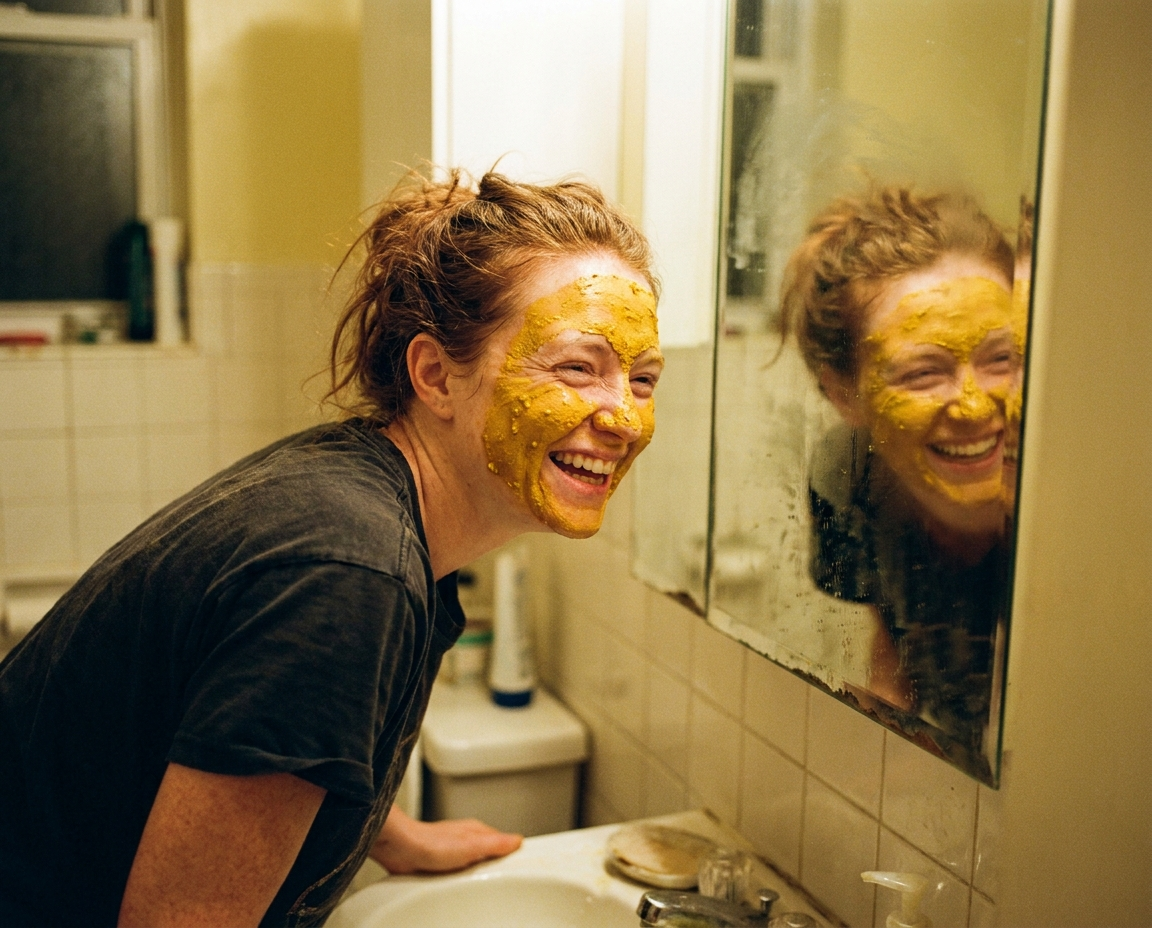
The answer is yes – with some caveats, one of which involves your towels, your sink, and any item of clothing you happen to be wearing when you make this. Turmeric contains curcumin, its primary bioactive compound, which has been studied for its antioxidant and anti-inflammatory properties and – more relevant here – its ability to inhibit tyrosinase, the enzyme that drives melanin production. Research published in PubMed confirms that curcumin inhibits melanogenesis in human melanocytes (https://pubmed.ncbi.nlm.nih.gov/21584871/), working along the same biochemical pathway as many clinical skin-brightening actives including kojic acid and arbutin. A further study on curcumin derivatives noted the compound’s potential for reducing hyperpigmentation via tyrosinase suppression (https://www.ncbi.nlm.nih.gov/pmc/articles/PMC8145596/). The effect from a DIY mask is gentler and slower than a prescription-strength treatment, but it is real and cumulative – consistent use over several weeks produces a visible improvement in evenness and radiance. Summer creates ideal conditions for both post-inflammatory hyperpigmentation and UV-triggered melanin overproduction, and turmeric addresses both the underlying cause and the visible result.
Yogurt brings lactic acid to the recipe, a gentle alpha hydroxy acid that exfoliates the surface layer of skin and helps brightening compounds work more effectively. To make the mask, combine two tablespoons of plain full-fat yogurt with a very small pinch of turmeric – genuinely start with less than you think you need, because the pigment is intense. Add a teaspoon of raw honey if you like. Use a bowl you do not cherish, wear clothes you are prepared to sacrifice, and have an old towel at hand, because turmeric permanently stains fabric and surfaces. Apply to clean skin and leave on for ten to fifteen minutes, then rinse thoroughly with warm water. Some temporary yellowing of the skin is completely normal and fades within a few hours, or can be removed with a gentle swipe of micellar water. If you are adding a small amount of lemon juice, keep it to a few drops well diluted in the yogurt mixture – this adds a modest amount of citric acid for mild brightening, but apply the mask at night rather than before going outside, since any citrus element increases photosensitivity. Patch test for turmeric sensitivity before your first use.
Why is the part of the watermelon you throw away actually good for your eyes?
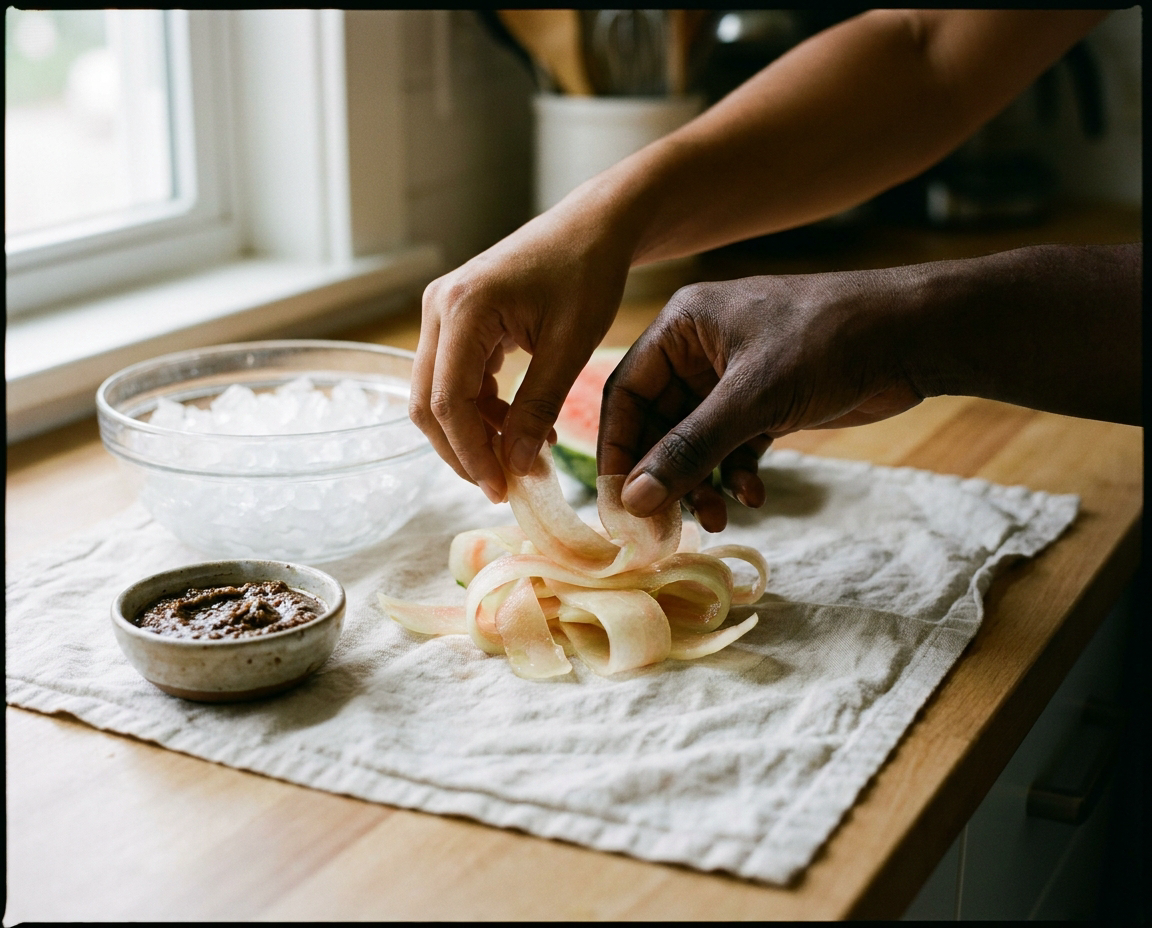
Here is a genuinely satisfying fact: the white rind of a watermelon – the part most people discard immediately – contains citrulline in higher concentrations than the red flesh itself. Research published in the Journal of Chromatography documented citrulline levels of up to 28 mg per gram of dry weight in watermelon rind (https://www.sciencedirect.com/science/article/abs/pii/S0021967305009453), and citrulline’s role as a vasodilatory precursor has been the subject of multiple peer-reviewed studies examining circulatory effects (https://www.ncbi.nlm.nih.gov/pmc/articles/PMC10051172/). In the body, citrulline converts to arginine, which serves as a precursor to nitric oxide – a signaling molecule that regulates blood flow and vessel dilation. When chilled rind is placed on the delicate skin around the eyes, it reduces morning puffiness through two simultaneous mechanisms: the active compounds help calm and gently constrict blood vessels at the surface, while the cold temperature itself narrows vessels through simple thermal vasoconstriction. The rind also contains lycopene, the antioxidant that gives watermelon its red color and has been associated with protection against UV-induced oxidative damage.
The recipe here is almost not a recipe. Cut thin slices of the white rind from a watermelon and refrigerate them for at least an hour before use. Lie back, place two slices over your closed eyes, and rest for ten to fifteen minutes. That is everything. It feels extraordinary on a hot summer morning, costs nothing beyond what you were already planning to eat, and uses something you would otherwise throw away. The high water content of the rind keeps it hydrating against the skin, and the natural coolness is particularly soothing for puffiness that builds overnight – a common issue in summer when many people sleep warmer and wake looking more swollen than usual. This treatment works for all skin types and has essentially no contraindications. If you notice any tingling or stinging, switch to slices cut from a section with more white rind and less pink flesh to reduce the sugar contact with delicate eye-area skin.
What do mature and aging skin types need to know about these DIYs?
For skin that has accumulated some years – and some sun – these recipes deserve a few thoughtful adjustments. Mature skin is thinner, has a slower rate of cellular turnover, and a compromised moisture barrier is much more common, which means the coffee scrub calls for a lighter hand and fewer passes than you might use on younger body skin – always follow up immediately with a rich body moisturizer while skin is still slightly damp. The oatmeal and honey mask is an especially well-matched recipe for mature skin: avenanthramides are genuinely soothing to skin that tends toward dryness and sensitivity, and the barrier-supportive properties of oatmeal address one of the central challenges of aging skin. The brightening mask is perhaps the most valuable recipe for skin 50 and over, because post-inflammatory hyperpigmentation and UV-triggered dark spots take significantly longer to fade as cell turnover slows with age, and the consistent use of tyrosinase-inhibiting ingredients like curcumin combined with the gentle lactic acid in yogurt can make a meaningful visible difference over several weeks. The aloe and green tea mist is an ideal mid-day hydration refresh for mature skin that tends to feel and look tight in summer heat, and layering it under SPF adds a lightweight boost of antioxidant protection right where sun exposure hits hardest. And the watermelon rind eye treatment is worth building into a morning ritual for anyone whose under-eye area takes a while to de-puff – as skin loses some of its natural elasticity with age, fluid that accumulates overnight simply takes longer to drain, and the combination of citrulline and cold temperature helps move that process along.
Which DIY skincare ingredients are actually hurting your skin?
Some of the most widely shared DIY skincare ideas online are, without exaggeration, damaging. Lemon juice applied directly to skin as a brightener is one of the most common and one of the most harmful – with a pH of around two, undiluted lemon juice is far too acidic for facial skin, disrupts the skin’s acid mantle, and makes the skin significantly more photosensitive, actively increasing the risk of sun damage and post-inflammatory hyperpigmentation. The opposite of the intended effect. Baking soda is another staple DIY ingredient that belongs firmly in your kitchen and not on your face: its pH of around nine actively disrupts the skin barrier and can cause long-term sensitivity, dryness, and breakouts with repeated use. Undiluted essential oils – even the ones described as gentle, like lavender and tea tree – can cause chemical burns and sensitization reactions that make skin permanently reactive to those compounds. Apple cider vinegar, often recommended as a natural toner, has a pH that sits squarely in the damaging range for repeated skin use. When any ingredient is described as ‘natural’ or ‘gentle’ in a DIY recipe, it is worth pausing to ask: what is the actual pH, what is the concentration, and has it been studied specifically for topical skin use at that level. The DIYs in this article were built with those questions already answered.
Frequently Asked Questions
How long do these DIY skincare recipes keep?
The aloe and green tea mist should be used within five to seven days and kept refrigerated, since it contains no preservatives. The coffee scrub will last about a week in a sealed jar at room temperature. The oatmeal mask, the turmeric and yogurt mask, and the watermelon rind treatment are best made fresh each time – they take only minutes and the mixed ingredients do not keep well.
Can I use these if I have sensitive skin?
The oatmeal and honey mask is specifically designed with sensitive skin in mind – colloidal oatmeal is one of the most studied and dermatologist-recommended ingredients for reactive skin. The aloe and green tea mist is also extremely gentle. Always patch test before applying anything new to your face, and introduce one recipe at a time so you can identify any reaction easily.
Will the turmeric mask stain my skin yellow?
Temporarily, yes. The yellow tint turmeric leaves on skin fades within a few hours or can be removed with micellar water on a cotton pad. It will not stain permanently. Turmeric will, however, stain fabric, countertops, and sinks permanently, so use old towels and work carefully around surfaces you care about.
Is it safe to use the coffee scrub every day?
No. Physical exfoliation is best done one to two times per week at most. Over-exfoliating disrupts the skin barrier and can cause redness, sensitivity, and breakouts. The coffee scrub is also for body use only – not for the face – and should never be used on broken, sunburned, or irritated skin.
Can these recipes replace my regular skincare?
Think of them as targeted additions, not replacements. Your SPF is non-negotiable and nothing in this article substitutes for it. These recipes work alongside your regular routine to address specific summer concerns – soothing, brightening, refreshing, exfoliating – and they are most effective when your skin barrier is already in reasonable health from your daily routine.
I use prescription retinoids or acids. Can I still try these?
The aloe and green tea mist and the watermelon rind eye treatment are gentle enough to use alongside most prescription skincare. The brightening mask with yogurt and any citrus adds exfoliating elements that could interact with retinoids or acids – if you are on active prescription skincare, check with your dermatologist before adding recipes that contain lactic acid or citrus components.
The best thing about a summer DIY ritual is that it gives you an excuse to actually slow down. Lying back with watermelon rind over your eyes and a green tea mist chilling in the fridge is not a skincare routine in the traditional sense – it is a twenty-minute permission slip to do absolutely nothing. The science makes it worthwhile. The sensory experience makes it memorable. But the real gift might simply be the twenty minutes itself. Use ingredients you can pronounce, trust the ones with research behind them, skip the ones that just sound good on social media, and enjoy the fact that your kitchen is already stocked for the best skin of the summer.
Related Posts