
Sep
Beauty, Skincare, Trends & Opinions
Everything I Wish I Had Known About Skincare in My Twenties
If you click on links we provide, we may receive compensation.
Up to 90% of visible skin aging – the lines, the dark spots, the loss of firmness – is caused by UV radiation, not genetics or the simple passage of time. That figure, drawn from decades of dermatological research and widely cited by the American Academy of Dermatology, would have changed everything for me if I had encountered it at 25. Instead, I spent my twenties and thirties largely ignoring sunscreen, scrubbing my face with bar soap borrowed from the shower shelf, and assuming that moisturizer was something my grandmother needed, not me. I was wrong on every count. And I am far from alone in that.
The skincare industry did not make things easy. It was crowded with contradictory advice, products promising the impossible, and a culture that treated a sun-kissed complexion as a sign of health rather than a pattern of accumulated damage. Looking back, I can see clearly what mattered, what was noise, and what I wish I had started much sooner. None of it is complicated. Most of it costs less than a decent dinner. But consistency – that word everyone uses and almost no one practices in their twenties – turns out to be the whole game.
What follows is not a ten-step routine. It is not a product haul or a sponsored endorsement of anything. It is simply what I know now, and what I wish I had known then – advice grounded in the research, filtered through two decades of trial, error, and the kind of clarity that only hindsight provides. If any of it sounds obvious, that is actually the point. The most important skincare habits are unglamorous, repeatable, and almost entirely unglamorous. They just work.
Is Sunscreen Really the Most Important Step in Any Routine?
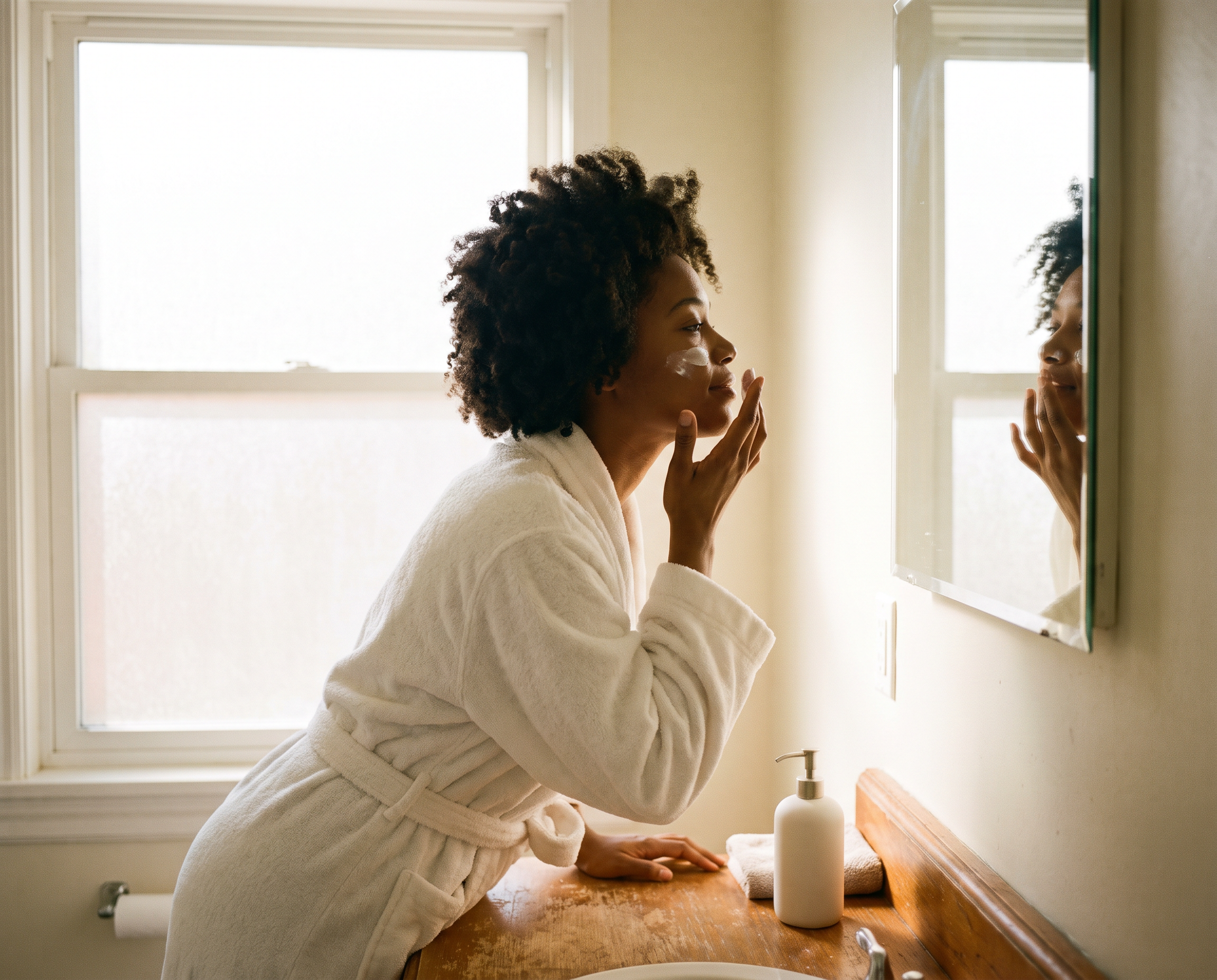
It is. No qualification, no asterisk. Sunscreen is the single most evidence-backed intervention in skincare, and the case for it is not even close. Research published in the Annals of Internal Medicine found that regular daily sunscreen use significantly slowed signs of photoaging in adults compared with those who used it only occasionally. UVA rays – the type that penetrate window glass and are present year-round, even on overcast days – make up roughly 95% of all UV radiation reaching Earth’s surface, according to the Cleveland Clinic ( https://my.clevelandclinic.org/health/diseases/10985-ultraviolet-radiation ). They go deep into the dermis and degrade collagen and elastin over years and decades, in ways that are largely invisible until, suddenly, they are not.
I wore SPF 15 a few times each summer and considered that reasonable. It was not. Dermatologists recommend a broad-spectrum product with SPF 30 at minimum, applied every morning to the face, neck, and any exposed skin, year round. The neck and chest age at almost the same rate as the face when left unprotected, and these are the areas most people never think about until the damage is visible. My younger self skipped them constantly. She also reapplied never, spent long stretches in afternoon sun without a hat, and had convinced herself that her slightly olive complexion meant she was too dark to burn. That, it turns out, is simply not how UV damage works. Melanin provides some photoprotection, but it does not prevent the cumulative collagen degradation that drives long-term photoaging.
The encouraging part is that it is never too late to begin. Studies have consistently shown that people in their forties, fifties, and sixties who start using daily broad-spectrum SPF see measurable improvements in skin texture and tone over time. Protection, even partial and late, is better than none at all. My younger self would have rolled her eyes at this lecture. My current self wishes she could have made her truly listen.
When Is the Right Time to Start Using Actives?
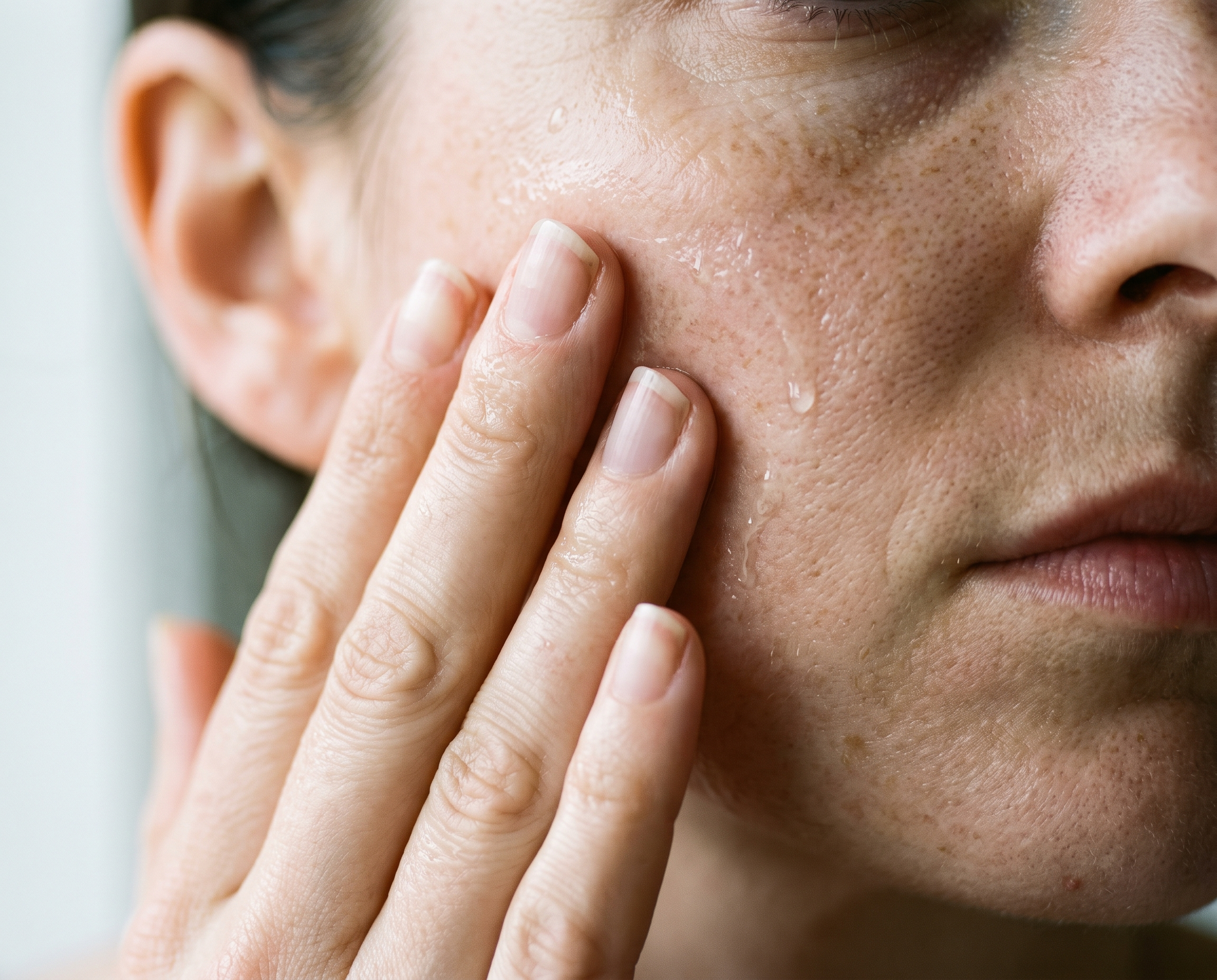
Earlier than most people think. The word actives covers a family of ingredients – retinoids, vitamin C, alpha hydroxy acids, niacinamide, and peptides – that work at a cellular or molecular level to change how skin actually behaves, rather than simply sitting on the surface. Retinoids, derived from vitamin A, are the most studied of the group. Research summarized at https://pmc.ncbi.nlm.nih.gov/articles/PMC10669284/ confirms that topical retinoids increase cell turnover, stimulate collagen production, and reduce visible fine lines and uneven pigmentation. They are not just a treatment for aging that has already appeared – they are prevention for aging that has not yet arrived.
Most dermatologists now suggest introducing a low-concentration retinol in the mid-to-late twenties, used once or twice a week initially to let the skin acclimatize before building frequency. I did not start until my late thirties, by which point I had years of sun damage and declining collagen production working against me. That is not a catastrophe – retinoids work at any age, and the improvement is genuine regardless of when you begin. But the earlier the start, the less catching up required. If I could hand my 27-year-old self one single product, it would be a gentle 0.025% retinol, applied every third night. She would have complained about the initial dryness and flaking. I would have told her to use a good moisturizer afterward, give it six weeks, and keep going.
Vitamin C serum is the other active I wish I had found sooner. Applied in the morning before SPF, a stable form – usually L-ascorbic acid at around 10 to 20% – neutralizes free radicals generated by UV and environmental pollution, brightens uneven tone, and supports collagen synthesis. It works hand in hand with sunscreen in a way that feels almost unfairly simple. Morning vitamin C, evening retinoid, daily SPF. That is a regimen most dermatologists would call genuinely effective, and it does not require a multi-step routine or an impressive budget. It requires repetition, and not much else.
Does the Way You Cleanse Your Skin Actually Matter?
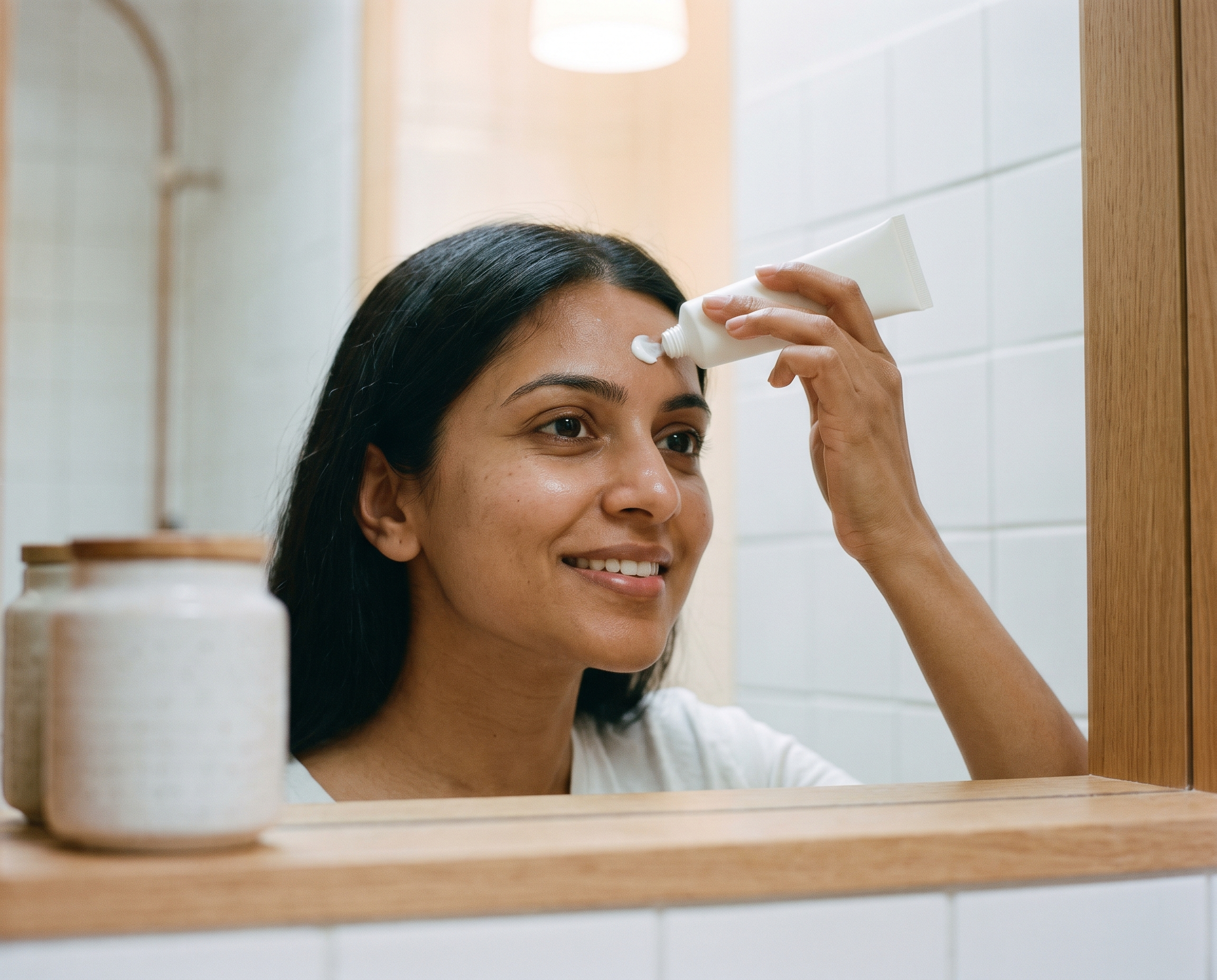
More than most people realize, and in ways the skincare industry rarely explains clearly. I spent years washing my face with whatever bar soap was in the shower – a product with a pH somewhere around 9 or 10, applied with rough hands, rinsed with near-scalding water, and followed by nothing. Research published in the International Journal of Cosmetic Science and available at https://pubmed.ncbi.nlm.nih.gov/14728695/ found that alkaline soaps can cause nearly ten times more disruption to the skin barrier than a pH-balanced facial cleanser. That is not a rounding error. The stratum corneum – the outermost layer of skin – maintains a naturally acidic pH of around 4.5 to 5.5. Repeatedly disrupting it with high-pH cleansers weakens the barrier, accelerates moisture loss, and makes the skin more reactive to everything applied afterward.
The fix is genuinely straightforward. A gentle, low-pH cleanser – a milky, gel, or soft foam formula designed for the face – does the job without stripping. Lukewarm water rather than hot. Fingers rather than a rough cloth or scrubbing pad. And no more than twice daily, with many people finding that a single evening cleanse to remove sunscreen, makeup, and the day’s accumulation is all that is truly needed – a morning rinse with water alone is often enough. I spent years chasing that tight, squeaky-clean feeling after washing, believing it meant my cleanser was doing its job well. It meant exactly the opposite.
What you do immediately after cleansing matters almost as much as the cleanser itself. Damp skin absorbs serums and moisturizers more effectively than dry skin does. The old advice to pat completely dry and wait several minutes before applying products is largely counterproductive. Apply your next step while the skin is still slightly damp from rinsing and you will get noticeably better absorption from the same products. That one small change – timing, not ingredients – costs nothing and makes a real difference.
Why Is Hydration More Complicated Than Simply Drinking Enough Water?
Internal hydration matters. Drinking adequate water is genuinely good for you. But the relationship between water intake and visible skin condition is less direct than wellness culture tends to suggest, and chasing glowing skin through the water glass alone is a strategy that will disappoint. Skin hydration is primarily a function of the skin barrier – specifically, whether that barrier is intact enough to hold moisture in rather than letting it evaporate through the day. This is where ceramides and hyaluronic acid earn the attention they receive.
Ceramides are lipid molecules that make up roughly 50% of the skin’s barrier structure. As we age, natural ceramide production slows, which is one of the main reasons skin tends to feel drier and more fragile over time. Hyaluronic acid is a naturally occurring molecule in skin tissue that can hold many times its own weight in water – drawing moisture from the environment and from deeper skin layers into the outermost cells. Used together in a moisturizer, ceramides and hyaluronic acid address both dimensions of skin hydration: retaining what is already there and actively pulling in more. Research available at https://www.vanicream.com/skin-basics/skin-hydration confirms that regular use of ceramide-and-HA-based moisturizers supports skin smoothness and helps preserve elasticity over time.
My younger self treated moisturizer as optional – something to reach for when skin felt really dry after a long flight or a bad winter week. She was wrong at a practical level and wrong at a scientific one. Daily moisturizing, applied morning and evening to clean, slightly damp skin, is maintenance, not a luxury. It does not need to be expensive, either. Some of the most clinically reliable formulas carry modest price tags. The cost of a moisturizer has almost nothing to do with its efficacy relative to the ingredient list, which is about as far as you can get from what the marketing suggests.
What Does Skincare Really Look Like After Sixty?

This is where the picture shifts most noticeably. After sixty, the skin carries decades of UV history, a natural collagen decline that began in the late twenties, and – for women around and after menopause – a significant drop in estrogen that accelerates collagen depletion and thins the dermis. The goal is no longer prevention in any pure sense. It is repair, support, and honest preservation. The good news is that the skin remains far more responsive to these interventions than most people over sixty expect.
Daily SPF remains non-negotiable – more so now than in youth because the skin’s own repair mechanisms are slower and recovery from UV damage takes longer. A retinoid, if the skin can tolerate it, continues to be the most evidence-backed tool for stimulating collagen synthesis and cell turnover. Many dermatologists recommend starting with the lowest available concentration in this age group and increasing frequency very gradually. Rich, ceramide-heavy moisturizers become more important as natural lipid content declines and the barrier becomes less efficient at holding moisture. And neck and chest care – neglected for decades by most people – benefits enormously from the same regimen given to the face, because the skin there ages along nearly identical timelines.
One thing that consistently surprises people who begin a proper routine after sixty is how much visible improvement is still achievable. Collagen production can still be stimulated. Pigmentation can still fade. Texture can still improve. The timeline is longer – six months of consistent habits may be needed before meaningful change is visible rather than six weeks – but the change is real and documented. I find that genuinely encouraging. The research does, too, and so do the people I have watched make these changes late and still see results.
FAQs
Do I really need separate products for my face and body?
For most people, yes – though the distinction matters more as skin ages. Facial skin is thinner, more exposed, and more prone to congestion than body skin, so applying a heavy body lotion to the face can lead to breakouts or an uncomfortably greasy feeling. A gentle face moisturizer with hyaluronic acid or ceramides is better suited to that area. For the body, a richer lotion or cream is fine. What matters most is consistency: moisturize both, every day, after bathing while skin is still slightly damp.
Is SPF in foundation or tinted moisturizer enough?
Probably not on its own. Most foundations and tinted moisturizers with SPF are applied in amounts too thin to deliver the labeled protection, and they are rarely reapplied throughout the day. They contribute to your overall protection, and they are better than nothing, but they should not replace a dedicated SPF product applied as the last step of your morning skincare routine and the first layer before makeup. Think of the SPF in makeup as a bonus rather than your primary defense.
Can retinol and vitamin C be used in the same routine?
Generally, not at the same time of day. Vitamin C is best used in the morning because of its antioxidant function – it works directly with daytime UV exposure to neutralize free radicals. Retinol is best used at night because it increases photosensitivity. Using them in separate AM and PM routines means you get the full benefit of both without interference or unnecessary irritation. This is one of the rare cases where keeping them apart is genuinely good advice, not overcaution.
How long does it take to see results from a new skincare routine?
The standard answer is six to twelve weeks, and it is accurate. Skin cell turnover cycles run about four to six weeks, so any ingredient working at the cellular level needs at least that long to produce visible change. Retinoids often take three months of consistent use before significant improvement in tone and texture is visible. The most common and costly mistake in skincare is changing products every few weeks because nothing seems to be happening. Patience is not optional – it is part of the mechanism.
What was the single most damaging habit?
Skipping sunscreen. Everything else contributed – the harsh cleansers, the neglected moisturizer, the late start on actives. But the cumulative UV exposure was the foundation of most of the visible damage. That 90% figure is not marketing copy or an exaggeration. It is backed by decades of controlled research and peer-reviewed dermatology, and it makes the strongest possible argument for starting one simple daily habit as early as you can. SPF in the morning. Every morning. That is the starting point for almost everything else.
If I could sit across from my 25-year-old self right now, I would not hand her a ten-step routine or a bag full of expensive products. I would hand her a tube of broad-spectrum SPF 30 and ask her to put it on every morning before leaving the house. Then I would mention a gentle cleanser. Then a simple ceramide moisturizer. Those three things, done every day without skipping, would have made a measurable difference in her skin over the next twenty years. The retinoids, the vitamin C, the more sophisticated actives – those can come when she is ready. But the sunscreen has to come first, and it has to come now. That is the advice I wish I had been given, and the one I most wish I had actually followed.
Related Posts