Jul
Beauty, Skincare, Trends & Opinions
Your Drugstore Is Hiding Some of the Best Skincare Money Can Buy
If you click on links we provide, we may receive compensation.
A 2024 US News and World Report survey of 122 dermatologists ranked CeraVe and Neutrogena at the very top of their over-the-counter skincare recommendations – beating out dozens of prestige brands that charge five to ten times as much. That finding tells you something important: the price gap between the drugstore aisle and the Sephora shelf is often more marketing than science. Cosmetic chemist Perry Romanowski, who has formulated products for both mass-market and prestige brands and co-hosts the Beauty Brains podcast, has said plainly that more expensive products do not work better than less expensive ones and that products available at Target or Walmart work just as well as those from department stores. His reasoning is simple. Active ingredients are active ingredients. The chemistry doesn’t change because the bottle is prettier. That said, there are real exceptions – and knowing exactly where they are is how you build a routine that is both smart and genuinely effective.
The global skincare market is now worth over $180 billion, and a significant portion of that figure is built on the idea that expensive means better. Luxury brands can carry ingredient-to-retail markups of 10 to 20 times, according to industry pricing analyses – and the biggest single expense for most cosmetics companies is not the formula inside the bottle, it is marketing. What you are often paying for at a premium price point is brand prestige, beautiful packaging, a pleasant fragrance, celebrity endorsement, and the psychological pleasure of owning something luxurious. None of those things are worthless. But none of them are skincare either. The question worth asking is not whether a product is expensive, but whether the specific active ingredients it contains are present in meaningful concentrations and formulated in a way that keeps them stable long enough to work.
Are expensive skincare ingredients actually different from drugstore ones?
The short answer is no – and the longer answer is mostly no, with a few important exceptions. Hyaluronic acid is hyaluronic acid regardless of the label on the bottle. Niacinamide at 10% concentration in a $7 serum from The Ordinary is functionally the same as niacinamide at 10% in a $65 serum from a boutique brand. Glycerin, ceramides, and peptide fragments are sourced from the same handful of ingredient suppliers worldwide, and those suppliers sell to mass-market and prestige brands alike. L’Oreal, for instance, owns both CeraVe and SkinCeuticals – two brands at completely opposite ends of the price spectrum – and both use rigorous formulation science. That corporate reality is part of why the price gap often tells you more about positioning than it does about what is actually inside the tube.
What can legitimately differ between a drugstore and a luxury product is the concentration of an active ingredient, the stability of the formula, the delivery system used to help ingredients penetrate the skin, and the overall elegance of the texture and sensory experience. Sometimes those differences matter. More often than most consumers realize, they do not. A cleanser that rinses off your face in 45 seconds does not need a sophisticated delivery system. A basic moisturizer whose job is to hold water in the skin and repair the barrier does not need to cost $90 to do that job well. The honest framework is this: think about what each product is actually trying to do, and then ask whether the premium price is buying you better chemistry or just better branding.


Where does your money actually go when you buy a $150 serum?
Cosmetic chemists who have analyzed luxury formulations consistently note that the raw material cost of even a high-end serum is typically a small fraction of its retail price. Marketing, retail margins, packaging design, fragrance sourcing, and brand-building campaigns account for the lion’s share of the cost. That is not inherently dishonest – a premium brand creates a premium experience, and some people value that experience highly enough to pay for it. The texture of a well-formulated luxury moisturizer can be genuinely superior. The sensory ritual of applying something that smells beautiful and feels rich has real value to real people. The issue arises when marketing language implies that these luxuries are producing biological effects that the ingredients do not actually support at the concentrations listed.
There is also a pattern worth knowing: some luxury brands use more sophisticated delivery systems, encapsulated actives, or proprietary technology that genuinely improves how an ingredient behaves on skin. These innovations are real, and they occasionally justify a higher price. Encapsulated retinol, for example, releases more slowly and causes less irritation than bare retinol – a meaningful benefit for sensitive skin. Time-release delivery systems for vitamin C can maintain stability in formulas that would otherwise oxidize quickly. The challenge for consumers is that brands rarely explain exactly what their delivery technology does, or whether the science behind it holds up to scrutiny. When a brand is vague about how its magic ingredient works, that vagueness is a useful signal.
Which skincare categories should you always buy at the drugstore?
Cleansers are perhaps the clearest win for drugstore products. A cleanser is on your face for 30 to 60 seconds and then rinsed down the drain. No matter how sophisticated the formula, there is a hard limit on what it can accomplish in that time. CeraVe Hydrating Cleanser, Neutrogena Ultra Gentle Daily Cleanser, and La Roche-Posay Toleriane Hydrating Gentle Cleanser are all dermatologist staples – genuinely excellent products at prices between $10 and $20. Compare their ingredient lists to a $65 luxury cleanser and the formulations are often strikingly similar. The one partial exception is cleansers containing active ingredients like salicylic acid or glycolic acid, where the acid concentration matters – but even here, drugstore versions perform well and cost far less than prestige alternatives.


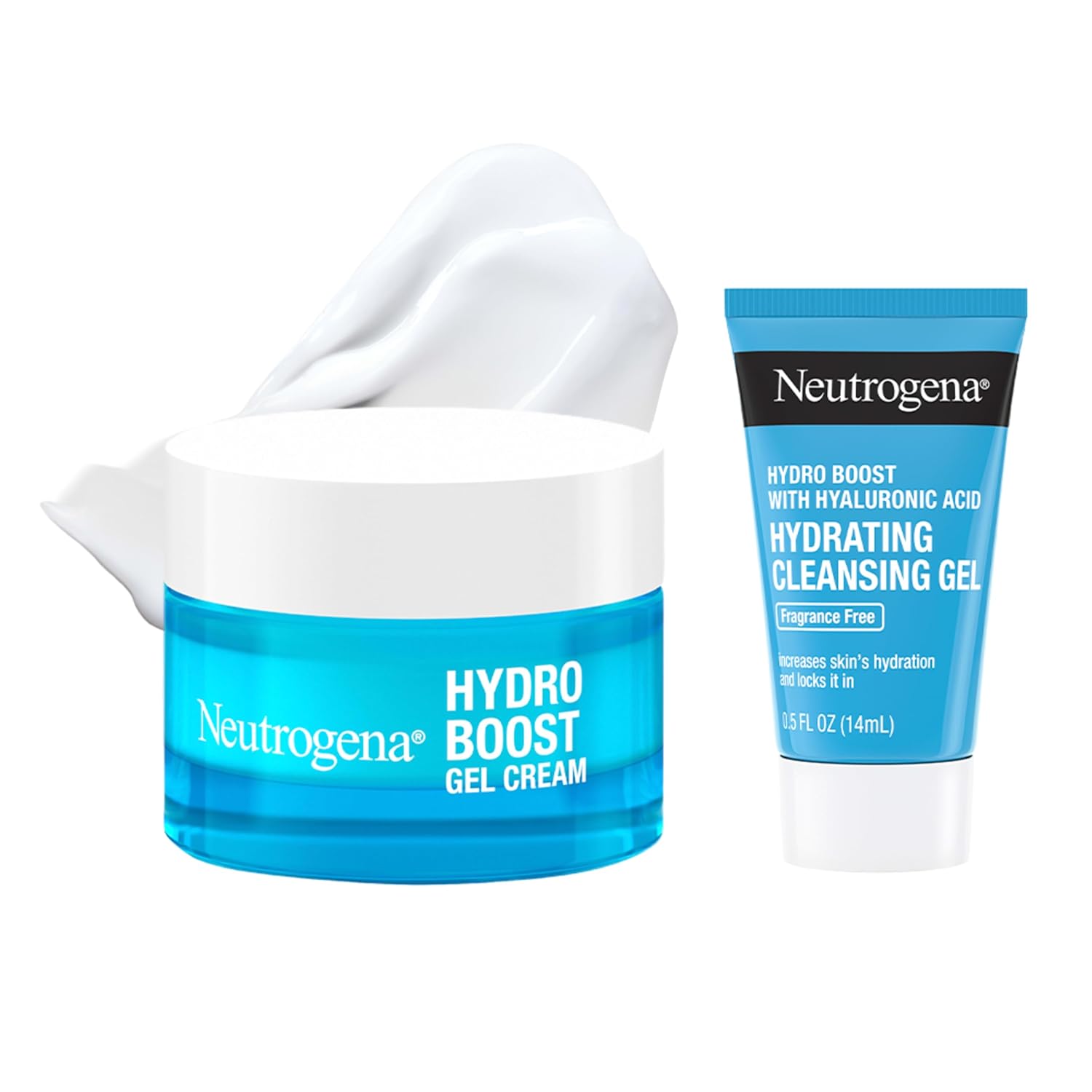
Basic moisturizers built around barrier-repair ingredients are another strong suit for the drugstore. CeraVe Moisturizing Cream, with its combination of ceramides, hyaluronic acid, and glycerin, became the number-one dermatologist-recommended skincare brand in the United States not because of clever marketing but because the formula is genuinely effective and has decades of clinical endorsement behind it. Neutrogena Hydro Boost uses sodium hyaluronate to deliver real, measurable hydration. Vanicream, formulated without common irritants, remains the gold standard for sensitive and reactive skin. These products contain the same core ingredients as moisturizers at triple the price. If your skin needs barrier repair and basic hydration, the drugstore has everything it needs.

Sunscreen may be the most important product in any skincare routine – consistent daily SPF use is the single most evidence-backed strategy for preventing visible skin aging – and drugstore options are excellent. La Roche-Posay Anthelios, EltaMD UV Clear (a mid-range option beloved by dermatologists), and Neutrogena Invisible Daily Defense all offer reliable broad-spectrum protection. It is worth noting that European and Asian pharmacy brands, available through online retailers, sometimes formulate with UV filters such as Tinosorb S, Tinosorb M, and Mexoryl that are not yet FDA-approved in the United States. These filters provide superior photostability and often feel lighter on skin. Luxury SPF products rarely outperform well-formulated pharmacy options – and given that most people already under-apply sunscreen, spending less on a formula you actually enjoy using is a practical win.

For salicylic acid and chemical exfoliants, the drugstore is once again a genuine contender. Stridex Maximum Strength pads, one of the most recommended acne-focused products by dermatologists, cost under $10. The Ordinary has disrupted the exfoliant category by offering pharmaceutical-grade acid concentrations at prices most consumers cannot believe. The Ordinary’s parent company Deciem was acquired by Estee Lauder at a $2.2 billion valuation in 2024, a figure that reflects just how much the brand changed consumer expectations about ingredient transparency and accessible pricing.

When does luxury skincare actually earn its price tag?
Vitamin C is where the conversation gets genuinely nuanced. L-ascorbic acid – the most bioavailable and well-studied form of vitamin C – is notoriously unstable. It oxidizes quickly when exposed to light, air, or water, turning the serum from clear to orange and losing its effectiveness. Formulating a stable, high-potency L-ascorbic acid serum requires real expertise: the right pH, the right concentration, the right combination of supporting antioxidants, and packaging that limits light and air exposure. SkinCeuticals C E Ferulic ($166) has earned its reputation for a reason. The formula – 15% L-ascorbic acid, 1% vitamin E, and 0.5% ferulic acid – is protected by a patent, has been studied in multiple peer-reviewed clinical trials, and has shown a 36% reduction in the appearance of wrinkles and a 44% increase in radiance in clinical settings. That is a real argument for a real product. It is one of the few luxury skincare items where the price reflects proprietary technology rather than branding alone.
For consumers who want effective vitamin C without the SkinCeuticals price, there are solid alternatives. Stable vitamin C derivatives such as sodium ascorbyl phosphate, ascorbyl glucoside, and ascorbyl tetraisopalmitate do not require the same low-pH conditions as L-ascorbic acid and degrade far more slowly. La Roche-Posay Pure Vitamin C10 Serum offers a good example of a pharmacy brand that formulates this category thoughtfully. The trade-off is that derivatives are generally considered slightly less potent than L-ascorbic acid – but a stable derivative that is still active is more useful than an unstable L-ascorbic acid serum that has already oxidized on your shelf.
Peptides represent a genuinely interesting case for luxury investment – with some important caveats. Peptides are fragments of proteins that signal the skin to produce collagen or perform specific repair functions. They are expensive to source, which means drugstore products rarely use them in meaningful concentrations. The Ordinary Buffet is a notable exception at under $15, offering a peptide complex that punches well above its price. But brands like Medik8, Drunk Elephant, and SkinCeuticals that use higher concentrations of well-characterized peptides such as Matrixyl 3000, argireline, and palmitoyl tripeptide-1 do have a scientific basis for their higher prices. The honest caveat is that peptide research is still evolving. Skin penetration data for larger peptide molecules is mixed, and the degree to which topical peptides translate into visible collagen stimulation varies between individuals.
Growth factor products occupy a separate, genuinely specialized category. Ingredients like epidermal growth factor, TGF-beta, and proprietary growth factor complexes are used in medical aesthetics and physician-dispensed skincare for a reason. Brands such as SkinMedica TNS Advanced+, Alastin Skincare, and iS Clinical have clinical data supporting their formulations, and they are sold through dermatology offices and medspas rather than Sephora precisely because they are positioned as physician-grade tools. A published systematic review confirmed that topical EGF has demonstrated meaningful effects on skin repair and rejuvenation (https://pmc.ncbi.nlm.nih.gov/articles/PMC8423211/). These are not products where you are paying for marketing – you are paying for bioactive technology that is expensive to source and formulate, and the evidence, while still developing, is more substantive than for many luxury products.
What makes retinoids the exception worth knowing about?
Retinoids deserve their own section because they are both the most evidence-backed anti-aging ingredient category and the one where the conventional wisdom about price is most interesting to examine. Prescription tretinoin – the original Retin-A – has more peer-reviewed clinical data behind it than any other topical anti-aging ingredient. It is estimated to be roughly 20 times more potent than OTC retinol because it does not require conversion by the skin before it becomes active. Generic tretinoin through GoodRx runs approximately $15 to $30 per month, making it the most cost-effective high-performance retinoid available anywhere at any price point. If you have access to a dermatologist and can tolerate tretinoin, no OTC product at any price beats it.
For those who cannot or choose not to use prescription tretinoin, the OTC retinoid landscape has improved substantially. Differin Adapalene Gel 0.1% is a genuine prescription-to-OTC transition success story. Adapalene was a prescription retinoid for decades before becoming available without a prescription in 2016, and it remains more effective than retinol for acne and more tolerable for sensitive skin. It costs about $15. RoC Retinol Correxion products have a long track record in the drugstore and use stabilized retinol formulations that perform reliably over time. Paula’s Choice Clinical 1% Retinol Treatment sits in the mid-range and is formulated with genuine care for stability and delivery.
The luxury retinol market – products like SkinCeuticals Retinol 0.3 or Drunk Elephant A-Passioni – uses encapsulation and carefully controlled concentrations that do minimize irritation compared with bare retinol. That can be genuinely valuable for sensitive skin that cannot tolerate more aggressive formulas. But the honest summary is this: for most people, starting with Differin at the drugstore, moving to prescription tretinoin if tolerated, and using a mid-range retinol as a bridge is a more effective and more affordable strategy than spending $100 on a luxury retinol serum. The prescription route, combined with a good dermatologist consultation, outperforms the Sephora shelf at a fraction of the cost.

Does your skin age differently after 50 and does that change what you should buy?
After 50, skin becomes thinner, loses collagen more quickly, and is more reactive to irritants – including fragrance, alcohol, and certain acids at high concentrations. This changes the cost-benefit calculation in a few ways. Formulation stability matters more because compromised skin has less tolerance for products that have degraded or contain high levels of irritating ingredients. Fragrance-free formulations become more important, and notably, many luxury brands are not fragrance-free – beautiful scent is a selling point in the prestige market, but fragrance is one of the most common contact sensitizers in skincare. When evaluating a luxury product for mature skin, fragrance in the top five ingredients is a reason to look elsewhere regardless of price.
The ROI on proven actives remains high at every age. A consistent routine with prescription tretinoin (or a well-formulated retinol if tretinoin is not tolerated), a stable vitamin C serum, and daily SPF addresses the main biological mechanisms of visible skin aging – cell turnover slowdown, free radical damage, and UV-induced collagen degradation. These fundamentals work whether the products are from the drugstore, the pharmacy, or Sephora. What changes at this life stage is that the case for targeted investment in growth factor products and higher-concentration peptide serums becomes more defensible. Skin in its 50s and 60s has less biological reserve to draw on, and the additional stimulus from bioactive ingredients may produce more noticeable results than it would in younger skin.
Mature skin also benefits enormously from consistency and simplicity. A five-step routine done without fail every morning and evening outperforms a twelve-step luxury routine that gets abandoned because it takes too long. CeraVe Moisturizing Cream or La Roche-Posay Toleriane Double Repair Moisturizer as a daily base moisturizer, Differin or prescription tretinoin at night, a stable vitamin C in the morning, and a reliable SPF is a routine that dermatologists genuinely recommend across all budgets. Adding one carefully chosen luxury product – a good peptide serum or a growth factor treatment – is a reasonable and targeted investment. Building an entire routine around luxury products is not necessary to get the results mature skin needs.
How do you read a skincare label the way a cosmetic chemist does?
Ingredients are listed in descending order of concentration on every cosmetic label – this is a regulatory requirement. An ingredient near the top of the list is present in a meaningful amount. An ingredient buried at position 25 of 30 is likely present at less than 1% concentration, which is below the threshold at which most actives produce measurable effects. When you see a product advertised around a particular hero ingredient, find it on the label. If it appears after the preservatives, the preservatives are likely present in higher concentrations than the active you are paying for. This is one of the most reliable ways to evaluate whether a product’s price is justified by what is actually inside it.
The ingredients worth looking for – at meaningful positions on the label – are hyaluronic acid or sodium hyaluronate for hydration, ceramides for barrier repair, niacinamide for sebum regulation, pigmentation, and barrier support, retinol or retinaldehyde for cell turnover, L-ascorbic acid or a stable vitamin C derivative for antioxidant protection and brightening, glycolic acid or lactic acid for chemical exfoliation, salicylic acid for acne and clogged pores, azelaic acid for redness and pigmentation, and zinc oxide or titanium dioxide for physical sun protection. These are the ingredients with the strongest clinical evidence behind them. A product that contains several of these in high positions on its ingredient list – at a price you can sustain long-term – is almost always the smarter choice over an expensive product with proprietary ingredient names you cannot research.
One more practical move: search any active ingredient name followed by the word ‘concentration’ or ‘study’. The scientific literature on cosmetic ingredients is largely public. You will quickly learn that niacinamide is most studied at concentrations of 2% to 5%, that retinol shows effects at 0.1% and above, that L-ascorbic acid requires at least 10% to produce photoprotective benefits. That knowledge makes you a more informed buyer than any influencer review can. The best skincare routine is the one built around proven actives at effective concentrations, maintained consistently over time. Whether those actives come from a $12 drugstore purchase or a $120 Sephora bottle matters far less than whether they are actually there.

FAQs
Is CeraVe actually as good as expensive moisturizers?
For most people and most skin concerns, yes. CeraVe Moisturizing Cream uses a MultiVesicular Emulsion technology that delivers ceramides in a way that mimics the skin’s natural barrier structure, and it is formulated without fragrance, dyes, or known irritants. It is the number-one dermatologist-recommended skincare brand in the United States and consistently tops independent dermatologist rankings. For basic hydration and barrier repair – the primary jobs of a moisturizer – it is difficult to improve on meaningfully regardless of budget.
What drugstore products do dermatologists actually use themselves?
In surveys and interviews, dermatologists consistently name CeraVe, La Roche-Posay, Neutrogena, and Vanicream as personal staples. Many dermatologists use CeraVe AM Facial Moisturizing Lotion with SPF 30 as their daily moisturizer and sunscreen. Differin Adapalene Gel appears frequently in dermatologist-recommended routines for anti-aging and acne prevention alike. The pattern is telling: the people who know the most about skin formulation tend to reach for the evidence-backed, fragrance-free drugstore options.
Is The Ordinary really as good as it seems?
Largely, yes – with the caveat that the brand rewards educated consumers. The Ordinary offers pharmaceutical-grade concentrations of actives like niacinamide, glycolic acid, retinol, and peptides at prices that are genuinely disruptive to the market. Its parent company Deciem was acquired by Estee Lauder at a $2.2 billion valuation in 2024, which tells you how seriously the prestige beauty world takes the brand. The important thing to know is that The Ordinary’s products are single-actives or simple combinations – they work best when you understand what you are using and why. Layering too many actives without knowing whether they are compatible can cause irritation.
When is it actually worth splurging on skincare?
The categories where a higher price can be genuinely justified are: a stable L-ascorbic acid vitamin C serum (SkinCeuticals C E Ferulic remains the benchmark), growth factor or biotech anti-aging treatments if post-50 skin rejuvenation is a priority, and certain peptide serums where the concentration of well-studied peptides is verifiably high. A mid-range retinol with encapsulation technology is worth considering for sensitive skin that cannot tolerate standard retinol. Beyond these categories, spending more is largely a quality-of-life choice – and there is nothing wrong with that. The texture, scent, and ritual of a luxury product can make you more consistent with your routine, which is genuinely valuable.
How do I know if an ingredient is present in a meaningful concentration?
Position on the ingredient list is your primary guide. Ingredients appear in descending order of concentration, so a higher position means a higher amount. Preservatives typically appear toward the end of a list at around 0.5% to 1% – any active ingredient listed after the preservatives is likely present at well below 1%. For most actives, effective concentrations are publicly available in the literature: niacinamide at 2% to 5%, retinol at 0.1% and above, L-ascorbic acid at 10% minimum, glycolic acid at 5% to 10% for regular use. Brands that disclose exact percentages on the label – as The Ordinary and Paula’s Choice consistently do – are showing transparency that is worth rewarding.
The real takeaway is simpler than the beauty industry wants it to be. For cleanser, moisturizer, sunscreen, and most exfoliants, the drugstore is excellent and the price premium at Sephora buys you experience, not biology. For vitamin C, consider investing in a genuinely stable formulation. For retinoids, look to your dermatologist first and the prescription pad second – no OTC product at any price matches prescription tretinoin. For peptides and growth factors at 50 and beyond, a targeted luxury purchase is more defensible than anywhere else in the routine. And for everything else, read the label, find the actives, check their position, and buy whatever fits your budget. Your skin cannot tell the difference between a beautiful bottle and a plain one. It can only tell the difference between ingredients that work and ingredients that do not.
Related Posts