Jul
If you click on links we provide, we may receive compensation.
The beauty industry spends billions convincing women over 50 that the right serum, peel, or supplement will reverse the clock. And some of those products genuinely help. But one of the most well-documented anti-aging interventions available right now costs nothing, requires no prescription, and is accessible to almost everyone – regular exercise. The research on this is not subtle. It shows up in how your skin looks at the microscopic level, in how your bones hold up after menopause, in how well you sleep, and in how long you stay sharp and independent. The gap between what exercise does for aging skin and how rarely it shows up in beauty conversations is genuinely striking. Here is what the science actually says.
Does exercise actually change what your skin looks like?
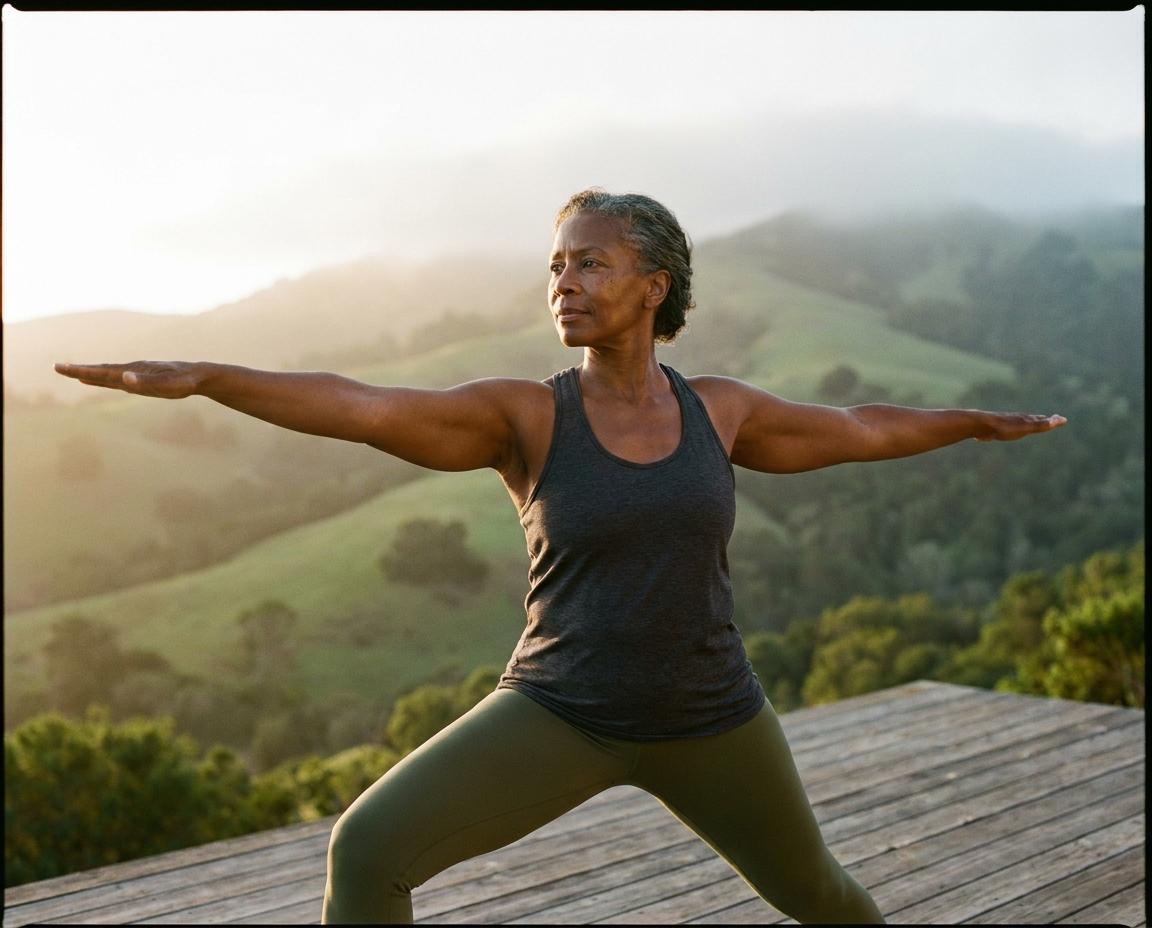
In 2014, researchers at McMaster University published findings that turned quite a few heads in both dermatology and sports science. They examined the skin of people over 40 who exercised regularly and compared it, at the microscopic level, to sedentary people of the same age – and the difference was striking. The exercisers had skin that more closely resembled the skin of people in their 20s and 30s than it did their non-exercising peers. Specifically, the outer layer of the skin – the stratum corneum – was thinner, which is associated with younger-looking skin, while the inner layer – the dermis – was thicker, more elastic, and denser. These are the exact markers that dermatologists use to assess skin age. The study is available at: https://pubmed.ncbi.nlm.nih.gov/24764378/
What made the findings even more interesting was what happened when sedentary older adults were put on an exercise program and re-examined three months later. Their skin composition had shifted measurably toward a younger profile, even though they had spent most of their lives not exercising. The mechanism behind this involves a protein called interleukin-15, or IL-15. Exercise stimulates the production of IL-15, which influences skin cell behavior and mitochondrial activity in the skin. A follow-up study from the same McMaster team, published in 2015, confirmed that IL-15 plays a direct role in regulating skin metabolism and counteracting some of the cellular changes associated with aging. This is not a cosmetic-industry claim – it is peer-reviewed science that happened to produce a very skin-focused result. The follow-up study is at: https://pubmed.ncbi.nlm.nih.gov/25902870/
Why does your skin look better after a workout?
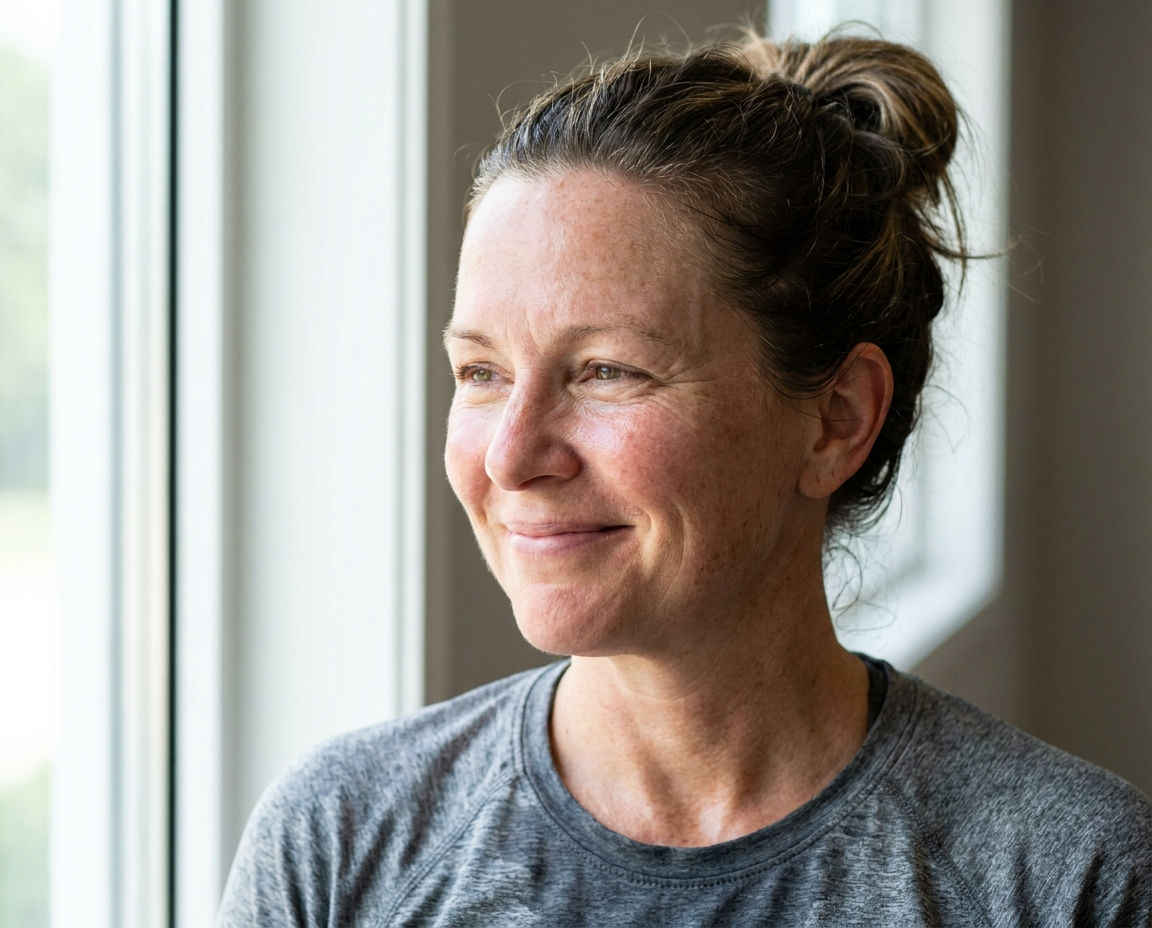
The post-workout glow is not your imagination. When you exercise, your heart pumps faster and blood flow to your skin increases significantly. This delivers more oxygen and nutrients to skin cells while also helping to flush out cellular waste products more efficiently. Skin cells that are well-oxygenated and well-nourished simply look healthier – they have more color, more luminosity, and more life to them. For women over 50, who often notice dull or sallow skin as circulation naturally slows with age, this circulatory boost is particularly noticeable. It does not require intense exercise to trigger – even a brisk 30-minute walk will increase blood flow enough to create a visible flush of color and temporary brightening. The effect is transient, but repeated consistently over weeks and months, improved circulation becomes a lasting benefit to skin tone.
Blood flow also matters for one of the most frustrating skin changes in midlife – the gradual loss of that lit-from-within quality that many women notice fading in their late 40s and 50s. That quality is largely a function of oxygen delivery, cellular turnover, and hydration at the cellular level, all of which benefit directly from good circulation. The dull, slightly flat appearance that develops over time is not just a product gap to fill – it often reflects circulation that has slowed and skin cells that are not receiving the same nutrient delivery they once did. Regular aerobic exercise is one of the most reliable ways to maintain circulatory function as the years pass. And you do not need to be doing vigorous cardio to see the benefit – even moderate, consistent movement creates meaningful improvements in peripheral circulation over time.
What does exercise have to do with collagen production?
Collagen is the structural protein that gives skin its firmness and elasticity. Production of it declines at roughly 1 to 2 percent per year from our mid-20s onward – and that rate accelerates significantly after menopause, when estrogen levels drop. Estrogen plays a direct role in stimulating collagen synthesis, so the hormonal shift of menopause can lead to a relatively rapid and noticeable change in skin texture, firmness, and resilience. This is not inevitable, however, and exercise is part of the reason why. Resistance training in particular has been shown to stimulate collagen synthesis in skin and connective tissue. A 2023 study published in PubMed found that resistance training specifically increased dermal thickness in aging skin, reduced circulating inflammatory markers, and upregulated genes associated with proteoglycan production – proteoglycans being structural components that help maintain the skin’s extracellular matrix. That study is at: https://pubmed.ncbi.nlm.nih.gov/37353523/
What this means practically is that strength training – whether through weights, resistance bands, bodyweight exercises, or Pilates – does more than build muscle. It sends signals throughout your body that encourage the production and maintenance of connective tissue, including the collagen that keeps skin looking firm. The skin does not exist in isolation from the rest of your body’s structural systems, and it benefits from many of the same rebuilding signals that go to tendons and ligaments during resistance work. This is a meaningful distinction from cardio, which benefits skin primarily through improved circulation rather than direct structural signaling. Both matter, but if you are going to prioritize one type of exercise for skin firmness specifically, the evidence points toward strength training.
Is chronic inflammation quietly aging your skin faster than you think?
Inflammation is a word that gets used a lot in wellness conversations, sometimes loosely. But when it comes to skin aging, chronic low-grade inflammation is genuinely one of the primary drivers. It contributes to the breakdown of collagen and elastin, increased skin sensitivity, changes in texture and tone, and a general loss of the structural integrity that makes skin look firm and smooth. This process – sometimes called inflammaging in the research literature – is different from the acute inflammation that comes with a cut or an infection. It is a low-level, constant background hum of inflammatory activity that accumulates over years and decades. Regular moderate exercise is one of the most well-documented ways to reduce it. Studies consistently show that people who exercise regularly have lower circulating levels of inflammatory markers like C-reactive protein and IL-6 compared to sedentary people of the same age.
The nuance worth knowing, particularly if you tend toward all-or-nothing thinking about exercise, is that the relationship between exercise intensity and inflammation is not linear. Moderate, consistent exercise – a few times a week, at a pace where you can still hold a comfortable conversation – reliably reduces systemic inflammation over time. Very high-intensity training without adequate recovery, on the other hand, can temporarily increase oxidative stress and spike inflammatory markers rather than lower them. The sweet spot for skin and overall health is not extreme – it is regular, moderate, and sustainable. If you have avoided exercise because it sounds like a commitment to something punishing, this is genuinely reassuring news: the moderate end of the spectrum is where most of the anti-aging benefit lives.
Is sweating actually good or bad for your skin?
Sweat gets a complicated reputation in skincare conversations, and it deserves a straightforward answer. Sweating during exercise is not inherently bad for your skin – the act of sweating opens pores and can help dislodge surface congestion, functioning as a kind of natural skin flush. The problem comes when sweat is left sitting on your skin for an extended period, particularly when combined with sunscreen, makeup, or other topical products you had on before your workout. Sweat mixed with product residue and environmental debris creates a congested environment on the skin’s surface, which can lead to clogged pores and breakouts. The solution is simple and takes two minutes: wash your face as soon as you can after a workout with a gentle, non-stripping cleanser. You do not need an elaborate post-workout skincare ritual – a quick, thorough rinse takes care of it before any buildup has a chance to settle in. If you exercise outdoors, reapply your SPF after you have cleaned your face, not before.
What is exercise doing for your bones that your doctor worries about?

Bone density is not the most glamorous topic, but it is one of the most important things to understand about the female body after 50. Women can lose up to 20 percent of their bone density in the 5 to 7 years following menopause, primarily because estrogen plays a key role in maintaining bone mass. According to data from the NIH, approximately 1 in 2 women over 50 will experience an osteoporosis-related fracture in their lifetime – a statistic that reframes how you think about exercise. It is not just something good for your skin or your mood; it is a structural investment in your future independence and safety. Weight-bearing exercise – walking, hiking, dancing, stair climbing, and strength training – places mechanical stress on bones that signals them to maintain and even build density. This is one of the few non-pharmaceutical interventions with consistent and strong evidence for maintaining bone mass in postmenopausal women. Mayo Clinic guidelines for osteoporosis management include weight-bearing exercise as a primary recommendation: https://www.mayoclinic.org/diseases-conditions/osteoporosis/in-depth/osteoporosis/art-20044989
The good news is that bones respond to the mechanical signal regardless of when you start sending it. Women who begin resistance training or weight-bearing exercise in their 50s and 60s show measurable improvements in bone density markers, even if they were previously sedentary for years. The key is the mechanical stress – without it, bone remodeling skews toward breakdown rather than formation. A systematic review and meta-analysis published in PubMed Central found consistent positive effects of exercise on bone mineral density in postmenopausal women across multiple intervention studies: https://pmc.ncbi.nlm.nih.gov/articles/PMC10282053/ Starting this habit in your 50s is early enough to make a meaningful difference in what your 70s and 80s look and feel like.
Is muscle loss making your metabolism quietly work against you?
Muscle loss with age – called sarcopenia – is one of those things that happens quietly, without dramatic announcement, and then seems to have arrived all at once. Women can lose 3 to 5 percent of their muscle mass per decade from around age 40 without active intervention to prevent it. By the time most women notice it – in the form of decreased strength, a slower metabolism, or shifts in body composition despite no real change in diet – the loss has already been accumulating for years. Muscle tissue is metabolically active, meaning it burns calories even at rest. Maintaining muscle mass is one of the most effective ways to keep your resting metabolic rate from declining as sharply as it otherwise would through your 50s and 60s. Better body composition – a higher ratio of lean tissue to fat – affects how clothes fit, how you move, your energy levels, and how you look at any given weight.
Strength training is the primary tool for counteracting sarcopenia, and this is the area where the ‘it’s too late to start‘ myth is most worth dispelling. Research including landmark work from Tufts University has shown that women and men in their 70s, 80s, and even 90s can build measurable muscle mass with progressive resistance training. The body retains the ability to respond to strength stimuli far longer than most people assume – the signal just needs to be sent. Two or three sessions per week of resistance work – which does not require a gym membership, heavy weights, or a complicated program – is enough to make a meaningful difference to muscle mass, metabolism, and body composition over time. Resistance bands, bodyweight squats, yoga, and Pilates all count.
Can exercise actually ease menopause symptoms?
The answer, for many women, is yes. Research on exercise and hot flash frequency has produced mixed results – some studies show meaningful reductions in frequency and severity, while others show more modest effects – but the overall picture suggests that regular moderate exercise helps regulate the physiological systems involved in vasomotor symptoms. More consistent is the evidence around cortisol. Exercise is one of the best-studied interventions for reducing chronic cortisol levels, and cortisol matters for menopause in two distinct ways. First, elevated cortisol directly accelerates collagen breakdown and skin aging – it is one of the less-discussed mechanisms behind why chronic stress shows up so visibly in the face. Second, cortisol is implicated in the frequency and intensity of hot flashes, with some research finding that cortisol spikes can actually trigger vasomotor events. By helping regulate cortisol levels overall, regular exercise creates a more stable hormonal environment. Exercise also increases endorphin and serotonin production, which supports the mood stability and reduced anxiety that many women actively seek during the turbulence of perimenopause and early menopause. The University of Rochester Medical Center has a helpful overview of why exercise is considered essential during menopause: https://www.urmc.rochester.edu/news/publications/health-matters/why-exercise-is-essential-during-menopause
Why is sleep the most underrated part of your skincare routine?
Sleep is when your skin does its most significant repair work. During deep sleep, the body releases human growth hormone, which drives cell regeneration and collagen synthesis. Skin cell turnover accelerates. The inflammatory processes that accumulate during waking hours quiet down. Cortisol drops to its lowest levels of the day. If you are not sleeping well – and many women in midlife are not, for reasons that range from hormonal disruption to stress – you are missing a significant portion of your skin’s natural repair window every single night. Poor sleep elevates cortisol, which accelerates the breakdown of collagen and elastin, increases the visibility of fine lines, and reduces the skin’s ability to recover from daily environmental stress. The skin-sleep connection is not metaphorical – it is a clear physiological chain. Exercise is one of the most effective non-pharmacological tools for improving sleep quality in midlife women, with research published in PMC finding that aerobic exercise significantly reduced sleep latency and improved overall sleep efficiency in menopausal women: https://pmc.ncbi.nlm.nih.gov/articles/PMC11824937/ Even moderate daytime exercise – not close to bedtime – has been shown to improve both sleep onset and sleep depth, and the effects compound over weeks of consistency.
What type of exercise is actually worth your time after 50?
The good news is that you do not need to become a gym person, run marathons, or do anything that feels punishing or unrealistic. The framework the evidence supports looks like this: strength training two to three times per week – using weights, resistance bands, bodyweight movements, or Pilates – addresses muscle mass, bone density, collagen synthesis, and metabolism. Moderate aerobic activity covers cardiovascular health, circulation, inflammation reduction, and sleep quality, and the WHO recommends 150 minutes per week of moderate-intensity movement, which works out to roughly 30 minutes five days a week. Walking counts. Hiking counts. Dancing counts. Yoga and flexibility work round out the picture by reducing cortisol, supporting joint mobility, and building the parasympathetic recovery your body needs between harder efforts. The one category worth approaching with some thoughtfulness is very high-intensity training done daily without adequate rest – not because intensity is inherently harmful, but because chronic high-intensity work without recovery can increase oxidative stress and cortisol, working against some of the benefits you are trying to achieve. Consistency and variety beat intensity every time in the research on long-term health outcomes.
What do women with mature skin need to know specifically?
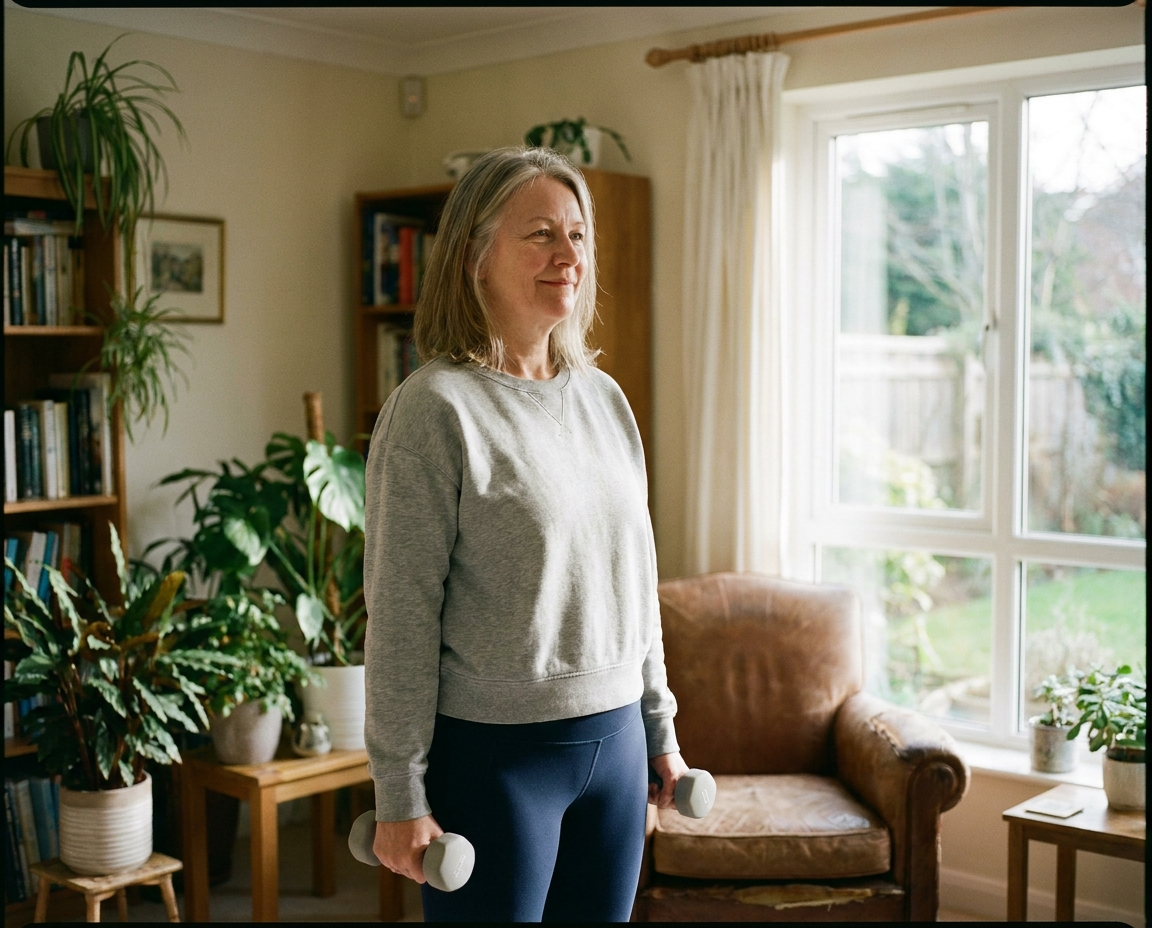
For women 50 and older, the benefits of regular exercise are not just preserved – in some ways they are amplified compared to what younger exercisers experience. The McMaster skin study found that the contrast between exercisers and non-exercisers was most dramatic in the older age groups. Sedentary women in their 60s had skin composition that looked measurably older than their exercising peers – thinner dermis, thicker outer layer, lower collagen density. The exercisers in that same age range had skin that more closely resembled that of people 20 to 30 years younger at the cellular level. And critically, the women who had been sedentary most of their lives and then started exercising still showed measurable skin improvement within three months. It is not a slow process – the body responds relatively quickly once the signal arrives.
If you have joint issues that make high-impact activity uncomfortable – which is not unusual in this age group – there are excellent low-impact options that still deliver most of the benefits: swimming, cycling, water aerobics, Pilates, and yoga all provide meaningful cardiovascular and strength stimuli without the joint stress of running or high-impact aerobics. Warming up for longer than you did in your 30s is also worth factoring in, since joints and connective tissue need more time to reach working temperature, and skipping this step is a common source of unnecessary soreness. Recovery matters more in this decade too – the rebuilding that exercise triggers happens during rest, not during the workout itself, and adequate sleep and rest days are part of the program rather than optional extras. Protein intake is worth a brief mention here as well: adequate dietary protein is necessary for the body to actually use the collagen-synthesis signal that resistance training sends. You do not need to overhaul your diet, but ensuring you get enough protein – especially at breakfast and in the meal after exercise – enhances the results you are working for.
Frequently Asked Questions
How quickly will I see skin changes from exercising regularly?
Skin changes from exercise happen on two timescales. The immediate effects – better circulation, a healthy flush, reduced puffiness – can show up after a single workout. The deeper structural changes – improvements in skin composition, collagen density, and elasticity – take longer. The McMaster research showed measurable changes in skin composition after three months of consistent exercise in previously sedentary adults. Most women notice visible differences in skin tone and texture within 6 to 12 weeks of regular movement. The benefits continue to accumulate over years, which means that the women who start in their 50s and stay consistent are the ones who show the most dramatic difference from their sedentary peers a decade later.
Is strength training or cardio better for skin?
Both help, and for different reasons. Cardio – particularly moderate aerobic exercise – improves circulation, reduces systemic inflammation, and supports better sleep, all of which benefit skin health. Strength training drives collagen synthesis, maintains the dermal thickness that is associated with younger skin, and supports the hormonal signals that keep skin firm. The 2023 research showing increased dermal thickness in older adults who strength-trained makes a compelling case for including resistance work if skin firmness is a priority. The most effective approach combines both, but if you can only commit to one, strength training has a slight edge for the specific skin concerns most common in women over 50.
Can I exercise if I have joint problems?
Yes, with adjustments. Joint pain is common after 50, but it does not require avoiding exercise entirely – in fact, many forms of movement actively support joint health by strengthening the surrounding muscles and maintaining cartilage nutrition through motion. Low-impact options like swimming, cycling, water aerobics, yoga, and Pilates can deliver the same cardiovascular and strength benefits as higher-impact activities without the stress on knees, hips, or ankles. If you have a specific condition like arthritis or a recent injury, a conversation with your doctor or a physical therapist can help you find the right starting point for your situation.
Does exercise help with menopausal hot flashes?
Research on this is more nuanced than a simple yes or no. Some studies show meaningful reductions in hot flash frequency and severity with regular moderate exercise, while others show more modest effects. What is clearer is that exercise reduces cortisol – and cortisol is a known trigger for hot flashes in some women. Exercise also supports better sleep and mood stability during perimenopause, which many women find more impactful in daily life than the hot flash question alone. The BSM Foundation has a useful overview of what the research shows: https://bsmfoundation.ca/menopause-and-exercise-a-potential-tool-for-managing-hot-flashes/ The mechanisms by which exercise supports hormonal regulation make it worth including regardless of its specific effect on vasomotor symptoms for you.
What should my post-workout skincare routine look like?
Keep it simple. Cleanse your face right after a workout with a gentle, non-stripping cleanser to remove sweat, sunscreen, and product residue before any of it has time to settle into pores. If your skin is still flushed and reactive from the effort, avoid applying strong actives immediately – this is not the moment for retinol, AHAs, or high-concentration vitamin C, as sensitized skin absorbs them differently. Follow with a hydrating serum or moisturizer, and if you are heading outside, reapply SPF. A two-step routine takes about three minutes and is genuinely all you need. The sweat itself is not damaging your skin – leaving it to sit combined with other products is what causes problems.
The most useful thing about exercise as an anti-aging tool is not that it is free, or that it is accessible, or even that the science behind it is unusually strong – though all of those things are true. It is that the benefits compound over time in ways that almost nothing you can buy in a bottle does. Skin that has been supported by consistent circulation, collagen synthesis signals, reduced inflammation, and better sleep for years looks different and functions differently from skin that has not had those things. You do not have to become someone who talks about her workout schedule or who is in the gym at 6 a.m. You just have to move, regularly enough for your body to register that you are still using it and to respond accordingly. Start wherever you are. The research is clear that it is not too late, and equally clear that now is better than later.
Related Posts