

Nov
If you click on links we provide, we may receive compensation.
You know the moment. You wash your hands at the kitchen sink on a cold morning, and by the time you’ve dried them, the skin across your knuckles feels tight enough to split. Maybe it already has. A tiny crack at the edge of a fingernail stings every time you squeeze a lemon or pull on a pair of gloves. And the pretty hand cream someone gave you last Christmas seems to disappear the second it touches your skin. I deal with this every single winter, and it’s one of the more annoying parts of the season!
Hands take a beating that no other part of your body does. They get washed a dozen times a day, hit with cold wind, then dried out again by indoor heat. The skin on the back of the hand is thin, and the palms have no oil glands at all, so there’s very little built-in protection. That’s why a body lotion that works fine on your legs often does nothing for your hands. Below are ten hand moisturizers that hold up to winter, from cheap drugstore tubes to a couple of worthwhile splurges. I’ll also cover how to use them so they do their job.
Why do hands get so much drier in winter?

Cold air holds less moisture than warm air. When that air comes inside and gets heated, the humidity in your home can drop low enough to pull water straight out of the top layer of your skin. That outer layer works like a brick wall, with skin cells as the bricks and fats like ceramides and cholesterol as the mortar. Frequent handwashing strips some of that mortar away, and hot water and harsh soap strip it faster. Once the wall has gaps, water escapes more quickly, and the skin turns rough, tight and eventually cracked. Dermatologists call this a damaged skin barrier, and hands show it first because they’re always exposed.
This isn’t a rare problem. In a large Dutch study published in Contact Dermatitis in 2022, about 15 percent of adults said they’d had hand eczema at some point in their lives, and about 7 percent had dealt with it in the past year (source). Not every case of winter dryness is eczema, of course. But rough, chapped hands that never quite heal are often where it starts. Getting ahead of the problem with the right product, used at the right times, is a lot easier than treating cracked, inflamed skin later.
What should you look for in a winter hand moisturizer?
The American Academy of Dermatology keeps its advice simple. Choose a cream or an ointment instead of a lotion, because thicker textures hold more moisture against the skin. Put it on right after washing, while your hands are still a little damp. And skip products with fragrance or alcohol when your skin is already irritated. The AAD also names ingredients that tend to help dry skin, including glycerin, dimethicone, hyaluronic acid, lactic acid, lanolin, mineral oil, petrolatum and shea butter (source). You’ll see those names over and over in the picks below.
It helps to know what each type of ingredient does. Humectants like glycerin, urea and hyaluronic acid pull water into the skin. Emollients like shea butter and plant oils fill in rough spots and make skin feel soft. Occlusives like petrolatum, dimethicone and mineral oil sit on top and slow water loss. The best winter hand creams use some of each, but they lean in different directions, from light and fast-absorbing to thick and greasy. A lighter cream you’ll reapply all day is worth more than a heavy one that sits in a drawer, so I’ve included both kinds.

Why does O’Keeffe’s Working Hands still show up on every list?
O’Keeffe’s Working Hands was made for people whose hands crack from outdoor work, and it shows. It’s a dense, almost waxy cream built on glycerin, with paraffin and mineral oil to seal moisture in and allantoin to soothe rough patches. There’s no added fragrance. The trick is using very little, since too much leaves your hands sticky for a while. A pea-sized amount covers both hands, and it works best after washing and again at bedtime. If your knuckles split every January, this is the first thing I’d try.
Advertisement


Is Neutrogena Norwegian Formula still worth buying?
Neutrogena’s Norwegian Formula has been around for decades, and it’s still one of the best deals in hand care. Glycerin is the second ingredient, backed by petrolatum and dimethicone, and the fragrance-free version is the one to get. The cream is concentrated, so a small dab goes a long way, and Neutrogena says each 2 oz tube holds more than 200 applications. It can feel a little tacky for the first minute before it settles in. One honest note: the formula uses diazolidinyl urea as a preservative, so check the label if you know you react to formaldehyde-releasing preservatives. For most people, though, this tube belongs in a coat pocket all winter.

What makes CeraVe Therapeutic Hand Cream different?
CeraVe’s hand cream is built around barrier repair. It contains three ceramides plus cholesterol, the same fats your skin uses to hold itself together, along with niacinamide to calm redness and hyaluronic acid to hold water. Dimethicone at 1 percent is the listed skin protectant. It soaks in quickly and doesn’t leave a film, which makes it easy to use during the workday when you’re typing or handling paper. It also carries the National Eczema Association’s Seal of Acceptance. If you wash your hands constantly, this is a smart daytime pick.

Why do dermatologists like urea in Eucerin Advanced Repair Hand Cream?
Eucerin Advanced Repair Hand Cream uses 5 percent urea alongside ceramide and a group of natural moisturizing factors like sodium PCA, lactic acid and amino acids. Urea pulls in water and also helps soften rough, thickened skin, which makes it a good fit for hands that feel like sandpaper. The formula is free of fragrance, dyes and parabens. It’s non-greasy and absorbs fast. One caution: urea and lactic acid can sting on open cracks, so use something bland on broken skin until it closes. The Amazon listing is a three-pack of small tubes, which works out well, with one for the car, one for your desk and one for the nightstand.

Is La Roche-Posay Cicaplast Hands good for frequent handwashing?
La Roche-Posay designed Cicaplast Hands for hands that get beaten up at home and at work, from dish duty to cold weather. It’s a shea butter and glycerin cream that feels light going on but stays put, and the brand says it holds up through handwashing. It isn’t greasy, so you can pick up your phone right after applying it. Like CeraVe, it’s accepted by the National Eczema Association. It’s a good middle ground if O’Keeffe’s feels too heavy and a basic lotion feels too thin.

Does oat really help itchy winter hands?
Oat has a long track record for calming itchy, irritated skin, and Aveeno’s Skin Relief Intense Moisture Hand Cream puts it to work. The formula combines oat kernel flour with glycerin, petrolatum and dimethicone, and it’s fragrance-free. The ingredient list is short, which I like for skin that’s already angry. It absorbs well without feeling slick, and Aveeno says it keeps hands moisturized for 48 hours, though in real life you’ll still want to reapply after washing. If your winter hands itch as much as they crack, this is the one to reach for.
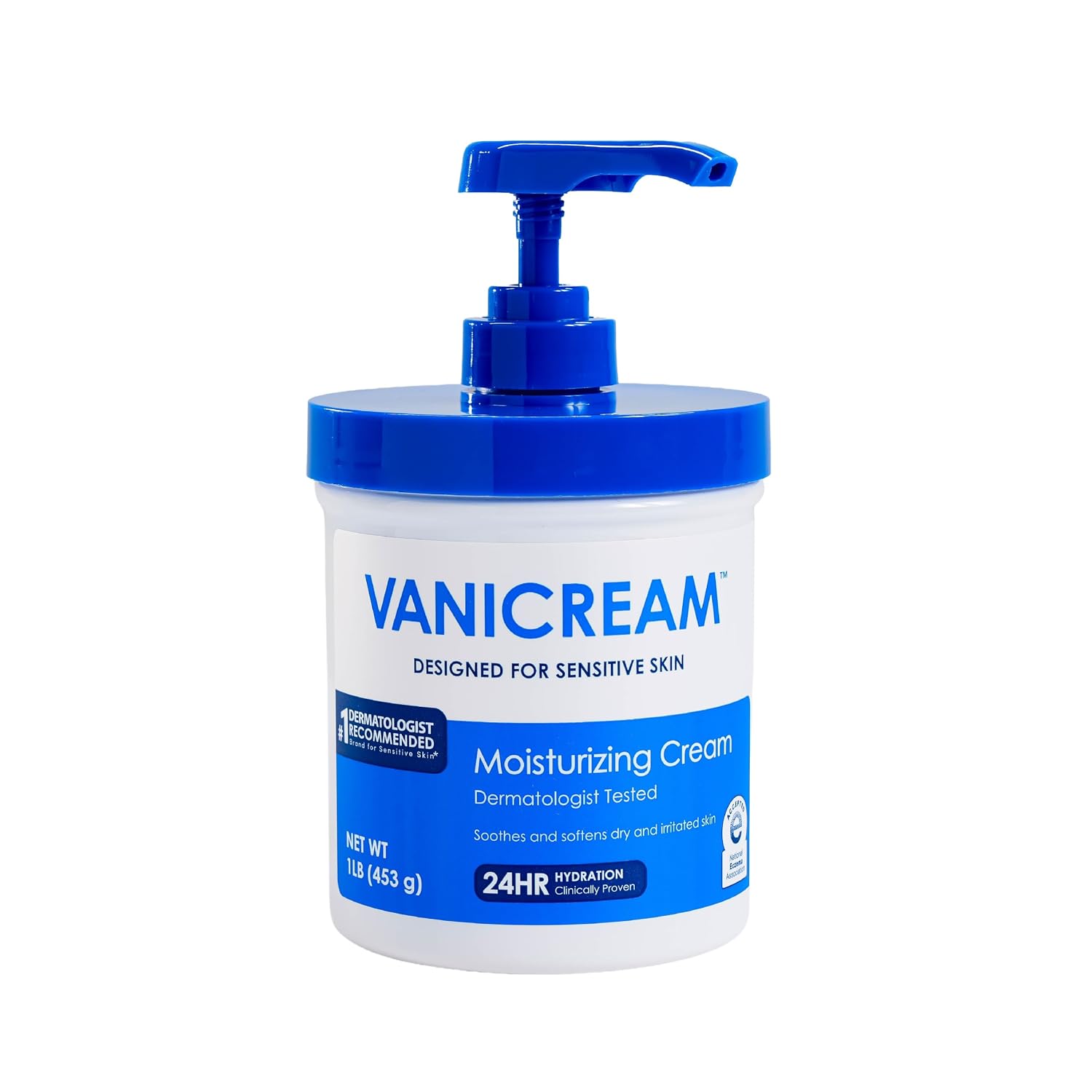
Why put Vanicream Moisturizing Cream by the sink?
Vanicream isn’t technically a hand cream, and that’s part of the appeal. It’s a plain, petrolatum-based moisturizer with no fragrance, dye, lanolin, parabens, botanical extracts or essential oils, which makes it one of the safest choices for very sensitive or eczema-prone skin. The 16 oz pump bottle is the real advantage. Park it next to the bathroom or kitchen sink, and you’ll use it every time you wash, which is when your hands need it. The whole family can share it, and it works on elbows and shins too.

Is Aquaphor the best overnight fix for cracked hands?

When hands are past dry and into cracked, an ointment usually beats a cream. Aquaphor Healing Ointment is water-free and petrolatum-based, with panthenol, glycerin and bisabolol to soothe. It’s too greasy for daytime, but at night it’s hard to beat. Wash your hands, pat them almost dry, rub in a thin layer, and pull on a pair of cotton gloves before bed. Most people notice softer, less painful hands within a few nights. It also works on cracked cuticles and heels, and it contains lanolin alcohol, so skip it if lanolin bothers you.

Is Kiehl’s Ultimate Strength Hand Salve worth the splurge?

Kiehl’s Ultimate Strength Hand Salve costs more than everything above it, but it earns a spot for very dry, hardworking hands. It’s a rich salve made with shea butter, avocado oil and sesame seed oil, and it leaves a protective layer that Kiehl’s compares to wearing a glove. The texture is thick without being sticky, and a little covers a lot. Gardeners, cooks and anyone who works with their hands in cold weather tend to love it. It’s the kind of product you keep on the nightstand and use slowly.

Should you buy L’Occitane Shea Butter Hand Cream?
L’Occitane’s Shea Butter Hand Cream is the one on this list you buy partly for pleasure. It’s 20 percent shea butter, with glycerin and sunflower and coconut oils, and it leaves hands soft with a light, clean scent. That scent comes from added fragrance and essential oils, so it’s not the right pick for cracked or reactive skin. For hands that are dry but healthy, it’s lovely to use, and the small 1 oz tube fits in any bag. It also makes an easy winter gift.
How do you get the most out of any hand cream?

Timing matters more than the product. Apply your hand cream within a minute or two of washing, while your skin is still a little damp, so the cream can lock that water in. Wash with lukewarm water instead of hot, and use a gentle, fragrance-free soap. Keep a tube or pump wherever you wash your hands, because if you have to go looking for it, you won’t use it. And reapply after every wash, not just once in the morning.
Protection matters too. Wear rubber gloves when you wash dishes or clean, and wear warm gloves outside, since cold, dry wind pulls moisture out fast. Run a humidifier in your bedroom if your home’s heat runs dry, and clean it often so it doesn’t grow mold. On rough nights, use the glove trick with a thick cream or an ointment. Your hands do most of their repair work while you sleep, so give them something to work with.
What changes for mature hands in winter?
Dry skin gets more common with age, and it’s not your imagination. A 2023 systematic review and meta-analysis found that about 53 percent of older adults have xerosis, the medical term for abnormally dry skin (source). As we get older, skin produces less oil, the barrier repairs itself more slowly, and the skin on the back of the hand gets thinner. That means cracks take longer to heal and sting more while they’re open. It also means mature hands often need richer formulas and more frequent application than they did twenty years ago.
A few adjustments help a lot. Ceramide and urea creams, like CeraVe and Eucerin, support a weaker barrier, and fragrance-free formulas lower the odds of irritation. If arthritis makes small jars and caps hard to open, a pump bottle like Vanicream or a flip-top tube is easier on stiff fingers. The backs of your hands also show decades of sun, so put sunscreen on them in the morning, even in winter. And if cracks bleed, look infected or don’t heal within a couple of weeks, see a dermatologist, since that can point to eczema or another skin condition that needs real treatment.
Which hand moisturizer should you buy first?
If you only buy one, match it to your problem. For split knuckles and rough, cracked skin, start with O’Keeffe’s Working Hands or Eucerin. For constant handwashing at work, CeraVe or La Roche-Posay soak in fast enough to reapply all day. For itchy or sensitive skin, Aveeno and Vanicream are the gentlest choices. If your hands are already cracked and sore, put Aquaphor on at night and use one of the lighter creams during the day. And if your hands are only a little dry and you want something that feels like a treat, L’Occitane or Kiehl’s will make the season more pleasant.
Frequently asked questions about winter hand care
Is a hand lotion the same as a hand cream?
Not really. Lotions have more water and less oil, so they feel light but don’t last long on dry winter hands. Creams are thicker and hold moisture better, and ointments are thicker still. For winter, dermatologists generally recommend a cream during the day and an ointment at night.
Can I use my face moisturizer on my hands?
You can, but it’s usually not the best use of it. Face moisturizers tend to be lighter and more expensive, and hands need something richer. A dedicated hand cream or a plain, thick moisturizer like Vanicream will do more for less money.
How often should I put on hand cream in winter?
Every time you wash your hands, plus before bed. For most people that’s several times a day. If your hands still feel tight a few hours after applying, switch to a richer formula or add an ointment at night.
Do cotton gloves at night really help?
Yes. A thick cream or ointment under cotton gloves stays on your skin instead of on your sheets, and it gets hours to work. Many people see a clear difference in two or three nights.
When should I see a dermatologist about dry hands?
See one if your hands crack and bleed, itch intensely, blister, look infected, or don’t improve after two weeks of steady moisturizing. Those can be signs of hand eczema or another condition that needs prescription treatment.
Winter hands don’t have to be a given. Most of the fix comes down to a decent cream, kept where you’ll actually use it, and applied after every wash. Add an ointment and a pair of cotton gloves on the bad nights, and protect your hands from water and wind when you can. You don’t need all ten of these products. Pick the one that fits your hands and your routine, and stick with it until spring.
Related Posts
 What the Stars Might Actually Be Telling You About Your Skin
 What Your Skin Biome Actually Does and Why It Gets More Important With Age
 The Five Vitamins That Time Forgot and What They Actually Do for Your Skin
 What Rubbing Minerals on Your Skin Actually Does
 Is Your Skin Hooked on Moisturizer? What the Science Says
 Your Skin Has an Immune System and It Changes With Age
 Is It Rosacea or Just Sensitive Skin? Why Your Redness Deserves a Closer Look
 The Perimenopause Skin Changes Nobody Warns You About
 Can Bad Sleep Really Show Up on Your Skin? Here’s What the Research Shows
 Swim, Bike, Run and Bring Your Skin Across the Finish Line
 Why Is Grandma’s Skin So Flaky
 Why Your Skin Makes Dark Spots and the Ingredients Proven to Fade Them
