Sep
If you click on links we provide, we may receive compensation.
Your skin is carrying approximately 1.5 trillion microorganisms right now. That number sounds alarming at first, but those microbes are not your enemies – they are your allies. The collection of bacteria, fungi, viruses, and other microscopic life that lives on your skin is called the skin microbiome, and scientists have spent the last decade learning just how central it is to every aspect of skin health. Research published in peer-reviewed journals now links microbiome imbalance to conditions ranging from eczema and acne to early skin aging and rosacea. And here is the thing most people do not realize: your daily skincare choices are actively shaping this invisible ecosystem, for better or worse. Source: https://loaskin.com/blogs/loa-skin-care/skin-microbiome
What Exactly Is the Skin Microbiome?
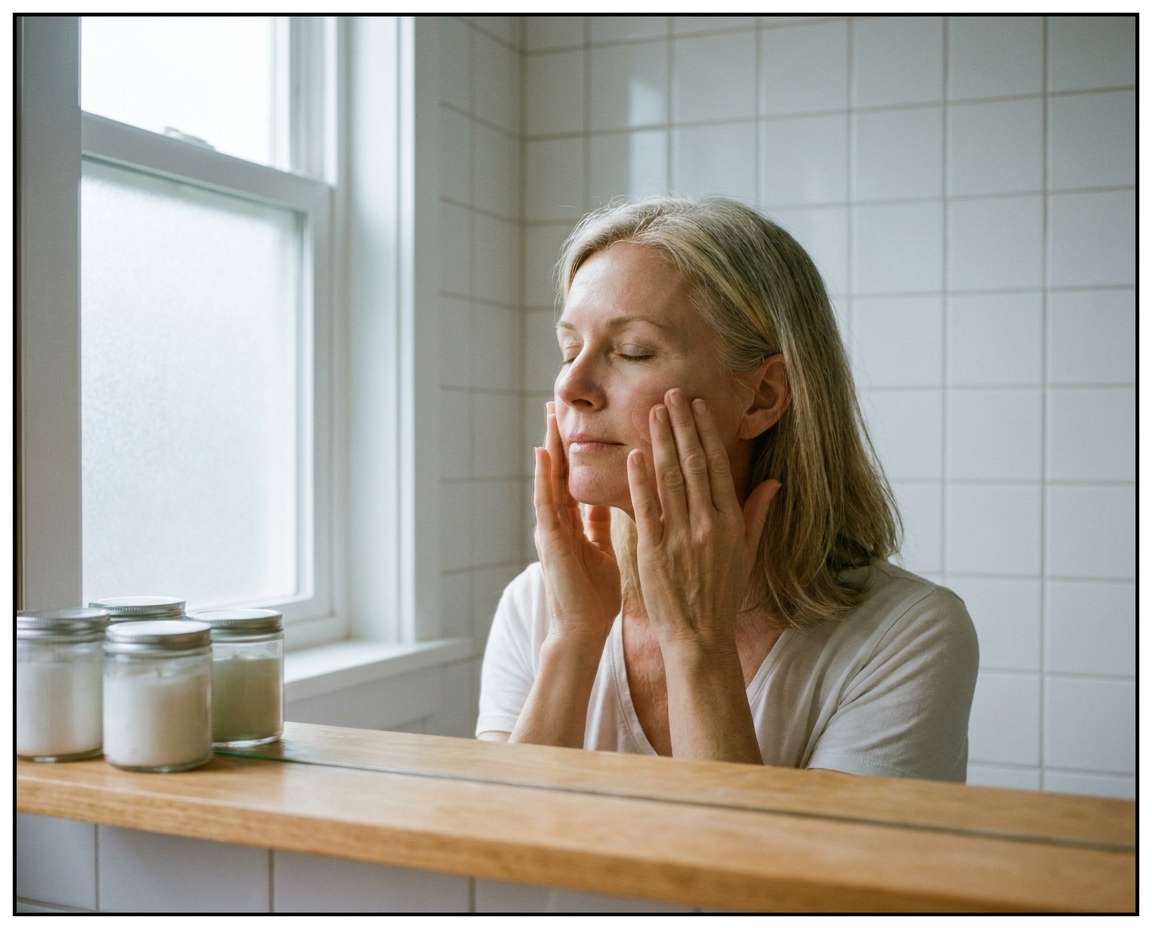
Think of your skin as an entire habitat. Every square centimeter of its surface hosts anywhere from one thousand to one million individual microorganisms, and across your entire body that adds up to somewhere between one trillion and 1.5 trillion tiny residents. These are not random invaders – they are a carefully structured community made up of more than five hundred different species of bacteria, alongside fungi, viruses, archaea, and even microscopic mites called Demodex. This microbial community is not uniformly distributed. It varies dramatically depending on the location on your body, its temperature, moisture level, and the amount of sebum produced there. The moist folds of skin near your elbows or behind your knees harbor entirely different communities than the dry skin on your forearms, or the oil-rich zones across your forehead and nose.
The dominant players vary by site, but certain genera come up again and again in healthy skin. Cutibacterium (formerly known as Propionibacterium), Staphylococcus, Corynebacterium, and Malassezia – a fungus – are among the most commonly found. Cutibacterium acnes in particular thrives in sebum-rich zones and, when kept in balance, actually produces fatty acids that maintain the skin’s slightly acidic pH. That acidity, typically somewhere between pH 4.5 and pH 5.5, is not arbitrary – it is the exact range that beneficial bacteria prefer and that many potential pathogens find inhospitable. The entire system is exquisitely calibrated, and it did not arrive by accident. Our microbiome co-evolved with us over hundreds of thousands of years, and its presence is as fundamental to our skin as collagen or lipids.
Why Does a Balanced Skin Biome Matter So Much?
The most straightforward job of the skin microbiome is competitive exclusion – beneficial bacteria occupy space and use up nutrients so pathogens have less opportunity to take hold. But that is only the beginning. The microbiome also trains and regulates the immune system. Commensal bacteria communicate with skin immune cells, teaching them to distinguish between harmless microbes and genuine threats. When this communication works properly, the immune system stays calm and tolerant. When the balance is off, the immune system can become hyperreactive – responding to harmless stimuli with the kind of inflammation that shows up as sensitivity, redness, or flare-ups of chronic conditions. Source: https://pmc.ncbi.nlm.nih.gov/articles/PMC11626341/
Beyond immunity, the skin microbiome plays a direct role in maintaining the skin barrier. The stratum corneum – the outermost layer of skin – is often described as a brick-and-mortar wall, where skin cells are the bricks and lipids are the mortar. Microbiome bacteria contribute to that mortar by producing ceramide-supporting compounds and helping maintain the acid mantle. A healthy microbiome signals to skin cells to produce more of the structural proteins and lipids that keep water in and irritants out. This is why people with conditions like atopic dermatitis – which involves significant microbial imbalance – almost always have a compromised skin barrier too. The two problems are deeply intertwined, not coincidentally co-occurring.
Which Skin Conditions Are Tied to Microbiome Imbalance?

When the skin microbiome falls out of balance – a state called dysbiosis – the consequences can show up in very visible ways. Atopic dermatitis (commonly called eczema) is one of the most-studied examples. Research consistently shows that in eczema-affected skin, microbial diversity drops sharply and a single species – Staphylococcus aureus – expands to dominate the landscape. S. aureus produces toxins that damage the skin barrier, trigger immune responses, and drive inflammation in a self-reinforcing cycle. Treating eczema effectively now often means addressing this microbial imbalance directly, not just suppressing inflammation with steroids. Source: https://pmc.ncbi.nlm.nih.gov/articles/PMC8468136/
Acne is another condition with clear microbiome roots, though the story is more nuanced than older research suggested. It is not that C. acnes causes acne by simple overgrowth – healthy skin also carries significant amounts of it. Rather, it is specific strains of C. acnes, combined with changes in the broader microbial community and in sebum chemistry, that create conditions for breakouts. Psoriasis similarly involves altered microbial communities on affected skin, with Staphylococcus species more prevalent in psoriatic lesions. And rosacea – a condition that disproportionately affects women over 40 – has increasingly been linked to disturbances in both the skin microbiome and the gut-skin axis. The science in this area is still developing, but the direction of travel is clear: the microbiome is deeply involved.
What Habits Are Quietly Damaging Your Skin Biome?
Many of the things we do in the name of good skincare are actually working against the microbiome. Harsh cleansers with high pH or strong surfactants strip away the acid mantle along with beneficial bacteria. Over-exfoliation – even with gentle chemical exfoliants used too frequently – disrupts the microbial habitat by removing the superficial layer of skin cells that many commensal bacteria call home. Antibacterial soaps are a particular problem because they do not distinguish between harmful and beneficial bacteria – they eliminate everything. And yet, for decades, these products have been marketed as the route to clean, healthy skin. Source: https://www.sequential.bio/post/what-disrupts-the-skin-microbiome
The list of disruptors goes beyond skincare products. Oral and topical antibiotics – even when medically necessary – can knock out significant portions of the skin microbiome for weeks or months after treatment ends. Chronic psychological stress activates the hypothalamic-pituitary-adrenal axis, flooding the body with cortisol, which in turn triggers inflammation and immune dysregulation in the skin. Poor diet, particularly one high in refined sugar, can shift the microbial landscape in ways that favor opportunistic species over beneficial ones. And environmental factors – UV exposure, air pollution, extreme heat or cold – all place stress on the microbial community in ways researchers are still working to fully quantify. Recognizing these disruptors is the first step toward building habits that protect what you have.
Advertisement
How Does the Skin Biome Change As We Get Older?

For anyone in their fifties, sixties, or beyond, the skin microbiome shifts that come with age are worth paying close attention to. A 2025 study of a UK adult cohort published in Frontiers in Aging found significant, site-specific changes in the microbiome as people aged, describing a shift from a robust, well-networked microbial community to a more fragile, hyperdiversified one. Total microbial diversity actually increases in older skin – which might sound positive, but is not. A proliferation of many weak or unfamiliar species replacing a stable core community is a sign of ecosystem fragility, not health. Source: https://www.frontiersin.org/journals/aging/articles/10.3389/fragi.2025.1644012/full
One of the most significant specific changes is the decline of Cutibacterium acnes in older skin. This bacterium, long vilified as the cause of teenage acne, actually plays an important protective role in mature skin. It produces short-chain fatty acids that keep the skin’s pH in the beneficial acid range and help maintain the barrier. Research published in PLOS ONE found that as C. acnes levels drop in older adults, levels of Staphylococcus and Corynebacterium tend to rise – a shift associated with reduced skin elasticity and increased wrinkle formation. And this compositional shift is not random. It is driven by the very physiological changes that define aging skin: reduced sebum production, decreased hydration, and the immune system changes that come with age – a process called immune senescence. Source: https://www.ncbi.nlm.nih.gov/pmc/articles/PMC11596587/
The practical upshot is that mature skin is more vulnerable to microbial imbalance and its consequences – dryness, sensitivity, slower healing, and a greater likelihood of flare-ups of chronic conditions. But there is a real opportunity here. Because we now understand more about what the microbiome needs to stay healthy, we can make more informed choices about how to support it. This is particularly meaningful for women in their sixties and beyond, whose skin has often been subjected to decades of products and habits designed for a very different skin environment than the one they have now. Microbiome-aware skincare is not just for younger consumers – if anything, it matters more as we age. The evidence is clear on that front.
Immune senescence – the gradual decline in immune function that comes with aging – compounds the microbiome challenge. As immune surveillance weakens, the skin’s ability to keep opportunistic microbes in check diminishes, making the maintenance of a healthy baseline community even harder. Meanwhile, skin pH tends to rise with age, shifting toward a less acidic environment that is less hospitable to beneficial bacteria and more welcoming to potentially problematic ones like S. aureus. Hormonal changes, particularly the drop in estrogen that occurs during and after menopause, also reduce sebum production and alter the lipid environment on which much of the microbiome depends. These are interconnected changes, not isolated ones, and understanding them together makes a real difference in choosing the right support strategy.
Can You Actually Rebuild a Disrupted Skin Biome?
The good news is that the skin microbiome is remarkably responsive to the right conditions. A review published in the Annals of Dermatology found that microbiome-targeted interventions – including topical probiotics, prebiotics, and postbiotics – show real promise for restoring microbial balance, strengthening the skin barrier, and reducing visible signs of aging. Topical probiotics introduce live beneficial bacteria to the skin surface. Prebiotics feed those bacteria by providing the nutrient substrates they prefer. Postbiotics are the metabolic byproducts of bacterial activity – compounds like short-chain fatty acids and peptides that have direct beneficial effects on skin cells even without living microbes present. Source: https://anndermatol.org/DOIx.php?id=10.5021%2Fad.25.009
Beyond targeted microbiome skincare, the fundamentals matter enormously. Switching to a gentle, pH-balanced cleanser – ideally one with a pH close to the skin’s natural range of 4.5 to 5.5 – is one of the single most impactful things anyone can do to protect their microbiome. Cutting back on over-exfoliation gives the microbial community time to stabilize. Layering on a good moisturizer supports the barrier that the microbiome depends on. And diet plays a surprisingly direct role – a menu rich in vegetables, fermented foods, and omega-3 fatty acids provides both the internal conditions and potentially some of the dietary substrates that support a healthier skin environment. Researchers suggest consistent changes can begin to show results in the microbiome within one to three months.
The skincare industry has taken notice of all this. Microbiome-friendly formulations are now explicitly designed to avoid disrupting bacterial communities – steering clear of harsh surfactants, artificial fragrances, and preservatives that damage commensal bacteria. Some products now carry microbiome-compatible testing certifications, though the standards behind these vary widely and deserve scrutiny. The science is genuinely exciting, but the marketing language in this space moves faster than the evidence. Focus on ingredients with real backing – like lactoferrin, beta-glucans, inulin, and specific Lactobacillus ferments – rather than vague claims about biome health that could mean almost anything. Read labels, ask questions, and be willing to simplify.
FAQs
Can I actually test my skin microbiome?
Yes, consumer microbiome testing kits now exist, though the science behind personalized recommendations is still in its early stages. Some companies offer skin microbiome analysis using swab-collected samples, returning a profile of which species are present and in what proportions. The tests can be genuinely interesting, but treat the results as informational rather than prescriptive for now. The field is advancing quickly, and more clinically validated interpretation of individual microbiome data is on the horizon. In the meantime, the broad principles of microbiome support – gentle cleansing, barrier protection, prebiotic ingredients – apply to virtually everyone.
Does my gut microbiome affect my skin biome?
The gut-skin axis is a real and increasingly well-documented connection. The gut and skin are both mucosal barriers and both involve complex immune interactions. Research has found links between gut dysbiosis and skin conditions including rosacea, psoriasis, and acne. Diet, probiotics, and gut health interventions can influence skin outcomes, though the exact mechanisms are still being worked out. In the meantime, supporting gut health with a diverse, fiber-rich diet and fermented foods is very likely to benefit your skin as well. It is one of the clearest examples of how skin and body health are not separate systems.
Are products labeled microbiome-friendly actually better?
The term is not regulated, so it requires a critical eye. At minimum, a genuinely microbiome-friendly product should avoid harsh sulfate surfactants, high-concentration alcohol-based preservatives, and artificial fragrances at concentrations that are antibacterial. Better products will actively include prebiotic ingredients like inulin, fructooligosaccharides, or fermented ingredients that feed beneficial bacteria. Look for brands that cite specific microbiome testing methodology rather than just using the phrase as a marketing hook. The label is a starting point for investigation, not a guarantee of quality.
How long does it take to rebuild a damaged skin biome?
This depends on how disrupted the microbiome is and what caused the disruption. Minor disruption from a single harsh product might resolve within days of switching to a gentler routine. Longer-term dysbiosis – from years of antibiotic use or chronic skin conditions – typically takes several months to meaningfully shift. Consistent use of prebiotic and probiotic skincare for one to three months is the timeframe most cited in the literature for measurable changes in comfort, hydration, and microbial balance. Patience is part of the process, and the changes tend to be gradual rather than dramatic.
Does aging mean my skin biome is permanently compromised?
No. While aging does cause real changes to the skin microbiome, these shifts are not fixed or irreversible. The skin microbiome responds to its environment, and providing the right conditions – gentle products, consistent hydration, a barrier-supportive routine, and a nutrient-rich diet – can meaningfully support its resilience at any age. Research into topical bacteriotherapy specifically for older adults is actively ongoing and showing encouraging early results. The goal is not to recreate the microbiome of a twenty-five-year-old but to maintain a stable, diverse, and functional community that serves the skin you have now.
The skin microbiome is not a wellness buzzword or a passing trend – it is an established part of how skin biology actually works. The more clearly we understand it, the more apparent it becomes that treating the skin as a sterile surface to be disinfected was always working against us. Every product you put on your face, every dietary choice you make, and every habit you keep or break is either supporting or undermining the microbial community your skin depends on. The simplest shift is also the most powerful: treat your skin like the living ecosystem it is. Protect it, feed it, and stop stripping it bare. The results tend to speak for themselves.
Related Posts