Sep
If you click on links we provide, we may receive compensation.
A 2022 study published in Frontiers in Pharmacology found that inhaled essential oil molecules travel from the nose directly to the brain’s limbic system – the seat of emotion and long-term memory – which explains why a single breath of cinnamon can take you straight back to a childhood kitchen. That is not sentiment; it is neuroscience. A meta-analysis of randomized controlled trials published in Complementary Therapies in Medicine found that aromatherapy could measurably reduce anxiety in over 70 percent of the study groups tested, regardless of the type of anxiety involved. The effect held across settings from hospital waiting rooms to everyday home use. Fall is arguably the best season to put that research to work: the scent palette is rich, the need for comfort is real, and a well-chosen blend can do more than just fill a room. Source: https://www.frontiersin.org/journals/pharmacology/articles/10.3389/fphar.2022.860043/full
Making your own fall aromatherapy blends is far simpler than it sounds. You need a diffuser, a handful of essential oils, and a basic feel for proportion. The seven recipes collected here cover everything from a classic pumpkin spice diffuser blend to a frankincense body oil built specifically for mature skin. Each one is grounded in the core fall scent families – warm spices, woods, citrus, and earthy resins – with notes on the physiological basis for why the blend works. Some are made for a cool morning; others are designed to carry a whole quiet evening. None require specialized equipment or a background in perfumery, and most can be made and diffusing within five minutes.
What Makes Fall Scents Work the Way They Do?
The smell of cinnamon in October has a physiological basis, not just a sentimental one. UCLA Health explains that olfactory signals travel from the nose directly to the brain’s limbic system – the region governing emotion, memory, and hormonal regulation via the pituitary gland – making scent one of the fastest routes to a mood shift the body has. Visual and auditory signals must pass through additional relay stations before reaching the same areas; smell does not. A systematic review published in Complementary Therapies in Clinical Practice found that inhalation aromatherapy has genuine potential to reduce both stress and anxiety, with lavender in particular showing reductions in blood pressure and heart rate in clinical settings. Source: https://www.sciencedirect.com/science/article/pii/S1744388123000312. Source: https://www.uclahealth.org/news/article/4-aromatherapy-benefits-older-adults. What works in a hospital ward translates effectively to the home.
The specific chemistry of fall scents adds another layer worth knowing. Cinnamon and clove have both been studied for antimicrobial and anti-inflammatory properties in laboratory conditions. Research published across multiple aromatherapy reviews suggests that warming spice oils may support circulation – a practical bonus during the months when heating systems are fighting the cold. Earthy, resinous oils like cedarwood and frankincense carry a calming, grounding quality that researchers associate with cortisol reduction. Bergamot and sweet orange, the citrus members of the fall palette, have shown uplifting and mildly sedative effects depending on concentration in separate trials. Together they create a palette that is physiologically coherent, not just seasonally fashionable.
Which Oils Belong in a Fall Aromatherapy Kit?
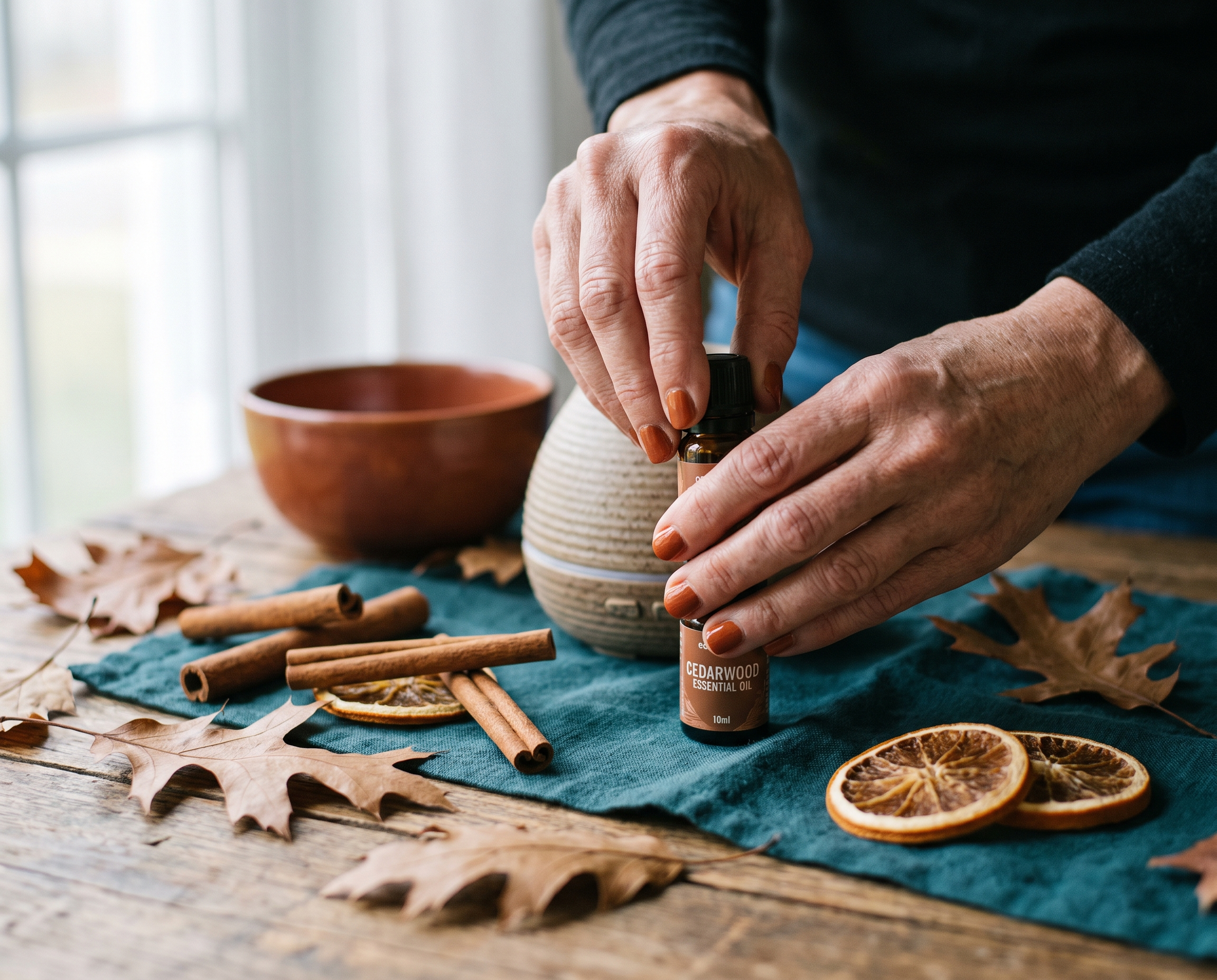
Fall aromatherapy draws on three main oil families. Warm spices – cinnamon leaf or bark, clove bud, ginger, and nutmeg – are the backbone of the season, delivering heat and depth that reads as immediate comfort. Cedarwood, frankincense, fir needle, and sandalwood form the wood family, grounding any blend and preventing it from going sharp or thin. Sweet orange, bergamot, and vanilla absolute bridge the gap, adding brightness and sweetness that stop a spice-heavy blend from turning heavy or one-dimensional. A functional fall kit does not need every oil on that list. If you are starting out, five oils cover most of the recipes here: sweet orange, cinnamon leaf, cedarwood, clove bud, and frankincense. They are widely available, reasonably priced, and predictable to blend together.
One safety note worth keeping front of mind: warm spice oils – especially cinnamon bark, clove, and ginger – can irritate mucous membranes if diffused at high concentrations in a small or poorly ventilated space. Keep diffusion sessions to 30 to 60 minutes at a time and make sure there is some airflow in the room. An open window or a slow-running fan is enough. Cinnamon leaf is gentler than cinnamon bark, which is why several of the recipes below specify leaf rather than bark. If you have asthma or significant respiratory sensitivities, start with lower drop counts than a recipe calls for and check your body’s response before running a full session. These oils work best when they feel genuinely pleasant, not when they fill a sealed room until the air feels thick.
How Do You Build a Balanced Fall Blend?
Blend-building follows the same structure as perfumery. There are three layers: the top note, which arrives first and fades quickest; the heart note, which carries the personality of the blend; and the base note, which lingers and grounds the whole composition. For fall blending, citrus oils and light spices sit in the top layer, deeper spices and florals in the heart, and woods and resins at the base. A standard starting point for a 100ml ultrasonic diffuser is three to five drops total, scaled up or down depending on your machine’s water capacity and the size of your room. The recipes below are calibrated for a standard 100ml reservoir – scale proportionally for larger or smaller units.
The encouraging thing about fall blends is that they are forgiving to work with. Because warm spice oils are chemically compatible with each other, accidental combinations rarely produce something genuinely unpleasant. The more common problem is a blend that goes muddy – all cinnamon and no contrast – or one that becomes oppressive because the spices are too dominant. A single drop of sweet orange solves the first problem instantly by adding brightness. A single drop of cedarwood or frankincense addresses the second by adding weight and calm. Think of each blend as a short conversation between notes rather than a single aroma, and the balancing becomes intuitive fairly quickly.
What Diffuser Recipes Work Best for Cozy Autumn Evenings?
The most requested fall blend is some variation on pumpkin spice, and for good reason – it covers every note of the seasonal palette in one go. A reliable version combines 3 drops of sweet orange, 2 drops of cinnamon leaf, 1 drop of clove bud, and 1 drop of nutmeg in a 100ml diffuser. The orange lifts the composition and prevents the spices from smelling baked or heavy. The clove adds a dark, slightly floral warmth that distinguishes the blend from plain cinnamon tea. Nutmeg contributes a subtle creamy sweetness in the background that rounds the whole thing out. Run this for 45 minutes on a Sunday afternoon and it produces the kind of ambient warmth that makes a room feel instantly lived-in and comfortable.
Advertisement
A second diffuser recipe – slightly more nuanced and a little easier on the senses – is what many aromatherapists call Walk in the Woods. Combine 2 drops of cedarwood, 2 drops of fir needle, 1 drop of bergamot, and 1 drop of frankincense. The cedarwood and fir needle do the heavy lifting, producing that cold-air-on-bark quality immediately recognizable as an autumn forest floor. Bergamot adds a floral citrus brightness that keeps the blend from feeling too dark or resinous. Frankincense brings a quiet, meditative depth that has been used in ceremonial contexts for thousands of years and that turns out to be genuinely calming when studied under clinical conditions. This blend works particularly well in a study, a reading room, or any space where you want focus alongside warmth.
A third option, built for evenings specifically, pairs the well-documented sleep research around lavender with fall’s grounding notes. Use 3 drops of lavender, 2 drops of cedarwood, and 1 drop of sweet orange. Lavender interacts with the neurotransmitter GABA to quiet the nervous system, and several studies have shown it can increase time spent in slow-wave deep sleep. Cedarwood adds a woody groundedness that lavender alone lacks. The sweet orange keeps the blend from reading as clinical and makes it smell like something you actively want to breathe in. Diffuse this for an hour before bed, then switch the unit off when you turn the lights out. The scent will linger long enough to take effect without running through your oil supply overnight.
Which Blends Support Immune Health and Seasonal Wellness?
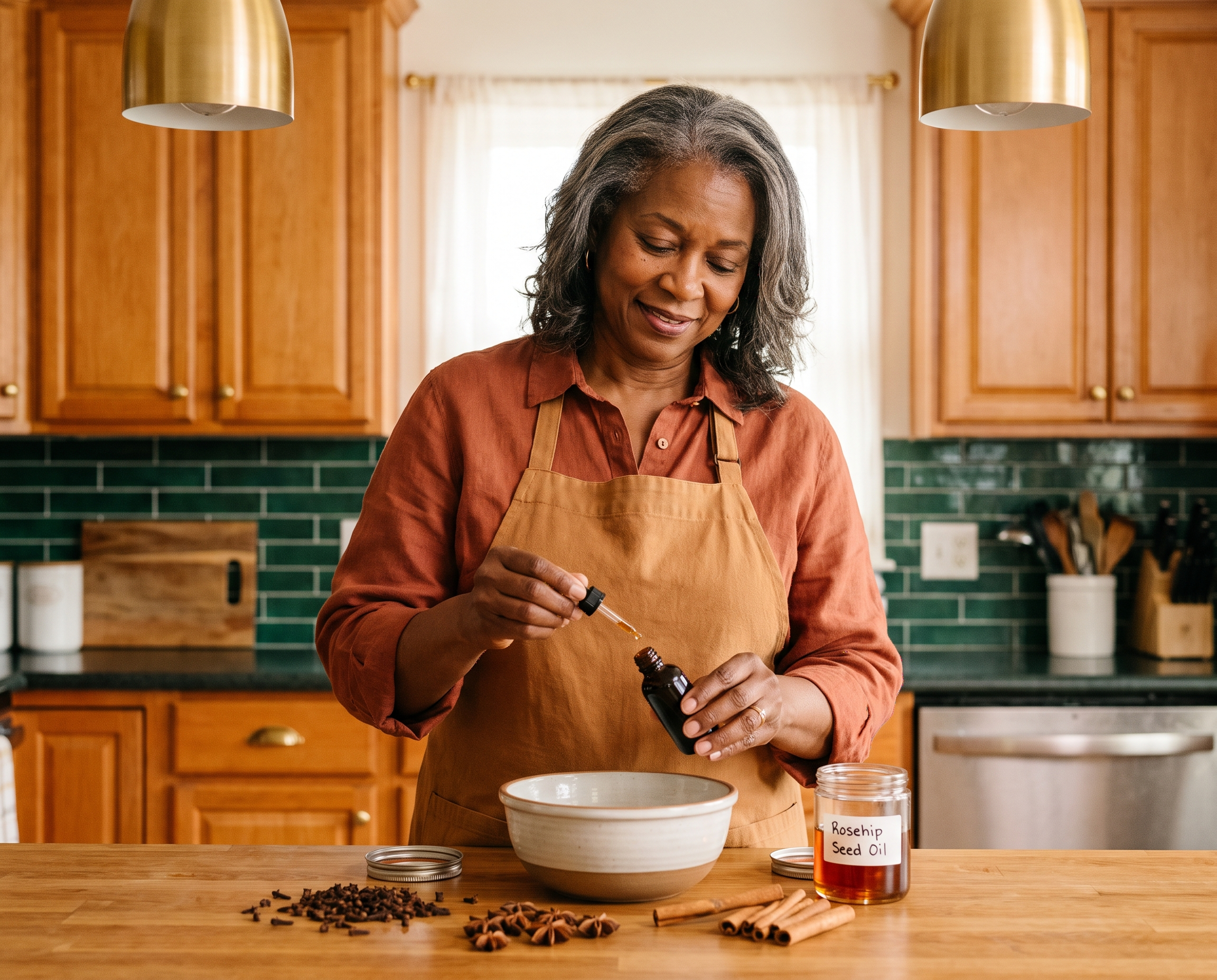
Fall is cold-and-flu season, and several of the most research-cited essential oils happen to be the season’s most popular scents – which makes immune-focused aromatherapy blends both practical and pleasant to use. A well-studied combination draws together sweet orange for its uplifting mood effects, clove for its antimicrobial properties studied in laboratory conditions, ginger for its historically established support of digestive and respiratory health, cedarwood for its grounding effect, and frankincense for its anti-inflammatory reputation. Combine 3 drops of sweet orange, 2 drops of clove bud, 1 drop of ginger, 2 drops of cedarwood, and 1 drop of frankincense in your diffuser. This fills a room with a scent that lands somewhere between a spice market and a forest walk – rich, complex, and genuinely appealing to be around.
A simpler, cleaner option for those new to multi-oil blending is the two-oil pairing of eucalyptus and lemon, pulled back toward the seasonal aesthetic with a drop of cinnamon leaf. These two oils fall slightly outside the classic fall palette but are among the most studied for respiratory support, which makes them worth knowing in October and November. Eucalyptus works via 1,8-cineole, a compound studied for its effects on bronchial airways. Lemon brings a sharp citrus top note that reads as clean and energizing rather than sweet. Add 3 drops of eucalyptus, 2 drops of lemon, and 1 drop of cinnamon leaf to a 100ml diffuser. This is a solid morning blend – clarifying and awakening rather than settling – and it pairs well with strong coffee and an open window.
What Recipes Work for Skin and Body in Fall?
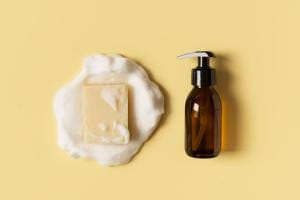
Fall air is drier than summer air, and that dryness affects skin in ways that become noticeable within days of the season changing. A simple fall body oil for general use starts with 30ml of jojoba or sweet almond carrier oil as the base, with 4 drops of frankincense, 3 drops of lavender, and 2 drops of cedarwood essential oil added to it. Shake gently and apply to damp skin after showering, when the barrier is slightly open and absorption is better. Frankincense has been studied for its effect on collagen production and skin elasticity. Jojoba closely mimics the skin’s natural sebum in molecular structure, making it exceptionally well absorbed. The lavender and cedarwood make the application feel ritualistic and calming rather than like a chore – which is the kind of thing that determines whether a new habit actually sticks.
A fall room spray made with distilled water, alcohol, and a blend of essential oils is another useful option for scenting fabrics and upholstery without running a diffuser continuously. Combine 150ml of distilled water with 1 teaspoon of high-proof vodka or rubbing alcohol – the alcohol helps disperse the oils through the water and prevents clumping on the surface – then add 15 drops of sweet orange, 10 drops of cinnamon leaf, and 5 drops of cedarwood. Shake well before each use and store in a dark glass spray bottle. Spray lightly on cushions, curtains, or blankets, not on delicate or dry-clean-only fabrics. The alcohol evaporates quickly, the oils disperse evenly, and the room picks up a gentle, natural version of the fall scent you are after. This recipe also makes a practical gift for anyone who does not own a diffuser.
What Should Mature Skin Know About Fall Aromatherapy?

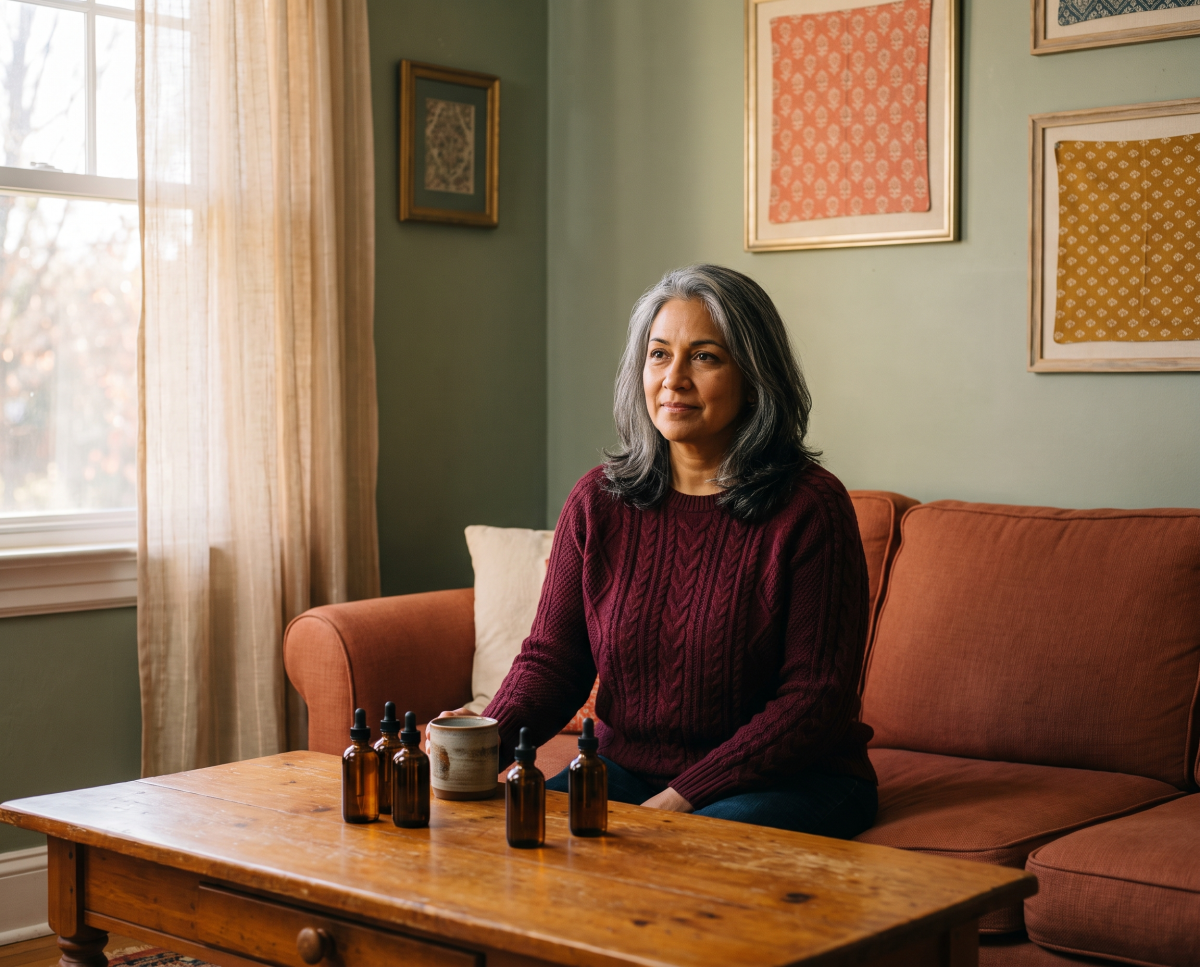
Aromatherapy is particularly valuable for older adults, and not only for ambient mood effects. UCLA Health summarizes research showing that older adults aged 60 to 85 who were exposed nightly to a range of scents showed a 226 percent improvement in cognitive test scores compared to those who received minimal scent exposure – a finding with real implications for treating aromatherapy as a regular practice rather than an occasional indulgence. The same source notes that older adults may find aromatherapy especially helpful for sleep, pain management, and mental health support. The limbic system’s connections to the hippocampus – the region central to memory consolidation – mean that a consistent nightly aromatherapy habit may support cognitive maintenance over time. That is a meaningful reason to diffuse something pleasant every evening rather than only when the mood strikes. Source: https://www.uclahealth.org/news/article/scent-therapies-may-help-preservation-memory
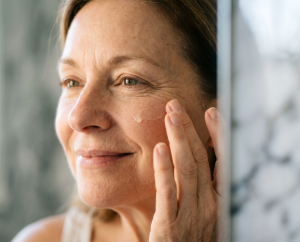
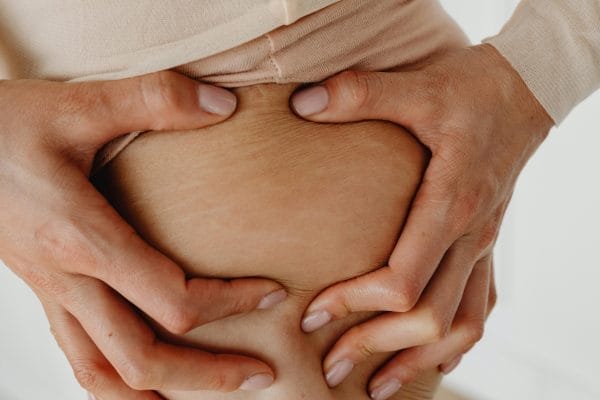
For skin specifically, the fall palette offers several oils with established skin-supporting benefits. Frankincense at 0.5 to 2 percent dilution in a carrier oil has been studied for its effect on fine lines, skin elasticity, and surface-level inflammation. Cedarwood and sandalwood carry skin-soothing properties and blend well into rosehip seed oil, which is itself high in linoleic acid and has published data behind its effect on aging skin. For mature skin that is drier than in earlier decades – which describes most skin after 50, simply because sebaceous gland activity slows with age – a frankincense and cedarwood body oil applied morning and evening covers both the aromatherapy benefit and the moisturizing need in one step. That double function is one of the practical advantages of working with essential oils directly on the skin rather than only through inhalation.
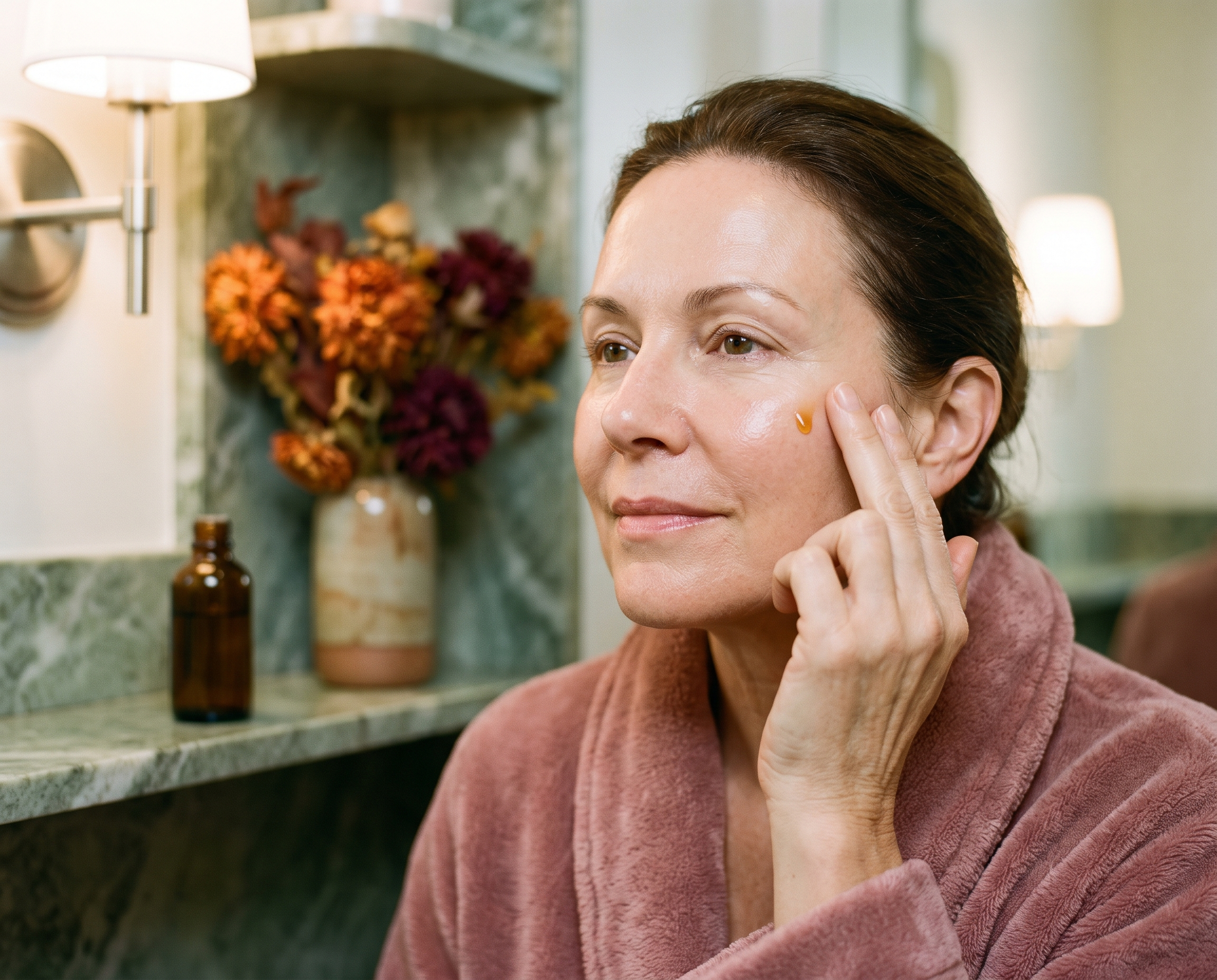
The recipe to make at home for mature skin specifically is a facial serum oil: start with 10ml of rosehip seed oil as the base, then add 2 drops of frankincense and 1 drop of lavender. That gives a roughly 1.5 percent dilution – well within the safe range for facial application and within the concentration window where frankincense has been studied clinically. Apply two to three drops to clean skin morning and evening, patting rather than rubbing to avoid unnecessary mechanical friction on skin that has thinned with age. The scent is warm, resinous, and faintly floral – a genuine aromatherapy experience alongside a practical skincare function. And because rosehip seed oil absorbs relatively quickly compared to heavier face oils, it sits comfortably under sunscreen in the morning without pilling or creating heaviness.
FAQs
Is it safe to diffuse essential oils around pets?
Most essential oils are safe for humans but can pose risks for cats and dogs, who metabolize certain compounds differently. Cats in particular are sensitive to phenol-containing oils – including clove and cinnamon – and to citrus oils. If you have cats, keep diffusion sessions under 30 minutes, use lower drop counts than a recipe suggests, and make sure the animal can leave the room freely at any point. Dogs are generally more tolerant, but strong spice oils should still be used with care. Always diffuse in a ventilated space rather than a sealed room, and if any pet shows signs of respiratory distress or unusual lethargy while the diffuser is running, stop the session immediately and ventilate the space.
Can you blend essential oils into a regular candle wax?
Essential oils work in soy or beeswax candles at around 6 to 10 percent of the total wax weight. The main challenge with fall spice oils is flash point – cinnamon and clove have lower flash points than many other oils, meaning they can lose their scent profile if added to wax that is too hot. Always let wax cool to around 55 to 60 degrees Celsius before adding oils, and stir thoroughly to distribute evenly. The scent throw will be lighter than a synthetic fragrance oil, but the result is a genuinely natural candle that carries the fall aromatherapy benefits intact and without artificial additives.
How long do essential oils last once opened?
Most essential oils keep well for one to three years when stored correctly – in a dark glass bottle, in a cool location away from direct sunlight and heat. Citrus oils oxidize faster than other categories and typically last 12 to 18 months after opening. Resinous oils like frankincense and cedarwood often improve slightly with age and can last five years or more when properly stored. If an oil smells noticeably different from when you bought it – sharper, flatter, or simply off – that is a reliable sign it has oxidized and is no longer at its best for aromatherapy use. Oxidized oils can also be more likely to cause skin irritation, so replacing them rather than pushing through is the better call.
Can essential oils be added to a bath?
Yes, but never add undiluted essential oil directly to bathwater. Essential oils do not disperse in water – they float on the surface and can concentrate on the skin at levels that cause irritation, which is especially risky with spice oils like cinnamon and clove. The correct approach is to mix 5 to 10 drops of essential oil with a tablespoon of full-fat milk, liquid coconut oil, or unscented bath oil first, then add that mixture to the running water while the tub is filling. For a fall bath blend, try 4 drops of sweet orange, 3 drops of cedarwood, and 2 drops of lavender combined in a tablespoon of carrier oil. That gives a safe, gently scented soak with the seasonal warmth of the fall palette without the irritation risk.
Which fall oils are safe to use topically on aging skin?
Frankincense, lavender, cedarwood, and sandalwood are all well-tolerated by mature skin when properly diluted in a carrier oil at one to two percent. Cinnamon and clove should not be used topically on the face even at low dilutions – they are dermis irritants regardless of concentration. Ginger is safe topically at below one percent but is generally better reserved for diffuser use given how easy it is to over-concentrate. For facial application on aging skin, frankincense in rosehip or jojoba oil is the most established fall option with the most published data behind it, and it doubles as a genuinely pleasant scent experience when applied as part of a morning or evening ritual.
Fall aromatherapy rewards consistent small habits more than large occasional gestures. A diffuser running for 45 minutes while dinner cooks, a body oil applied after a shower, a room spray on the cushions before guests arrive – these are the moments where the benefits accumulate. The research suggests that the effects on mood, sleep, and cognitive function build with regular scent exposure over time rather than arriving fully formed from a single session. There is also something straightforwardly satisfying about building a small library of fall oils and spending a few minutes blending something new. The season is long enough to work through every recipe here and probably invent a few of your own. Start with the pumpkin spice – it earns its reputation. Source: https://www.uclahealth.org/news/article/4-aromatherapy-benefits-older-adults
Related Posts