Oct
Beauty
Why Your Conditioner Stopped Working and What a Hair Mask Can Do About It
If you click on links we provide, we may receive compensation.
You run your fingers through your hair after a shower and the ends catch. The color you were so happy with last month looks a little flat. Your conditioner, the same one you’ve bought for years, doesn’t seem to do much anymore. Nothing dramatic happened. Hair just changes over time, from heat and sun and color and plain living, and it doesn’t send a warning first. I think a lot of us keep buying the same bottle and hoping, when the fix might be sitting one shelf over in a wider jar. That jar is a hair mask, and it’s worth knowing what it can do, and what it can’t, before you spend real money on one.
What exactly is a hair mask?
A hair mask is a concentrated conditioning treatment that you leave on your hair for several minutes or longer before rinsing. Some newer versions are leave-ins that stay on overnight or until your next wash. Think of it as conditioner with more of everything in it – more conditioning agents, more oils and butters, and often added proteins or humectants that pull water into the strand. The texture is usually thicker, closer to a cream than a lotion. You use it less often than conditioner, usually once a week or so, and you give it time to work. Brands also call them masques, deep conditioners, repair treatments or hair packs, and the differences between those names are mostly marketing. What matters is the formula and how long it stays on your hair.
How is a hair mask different from regular conditioner?
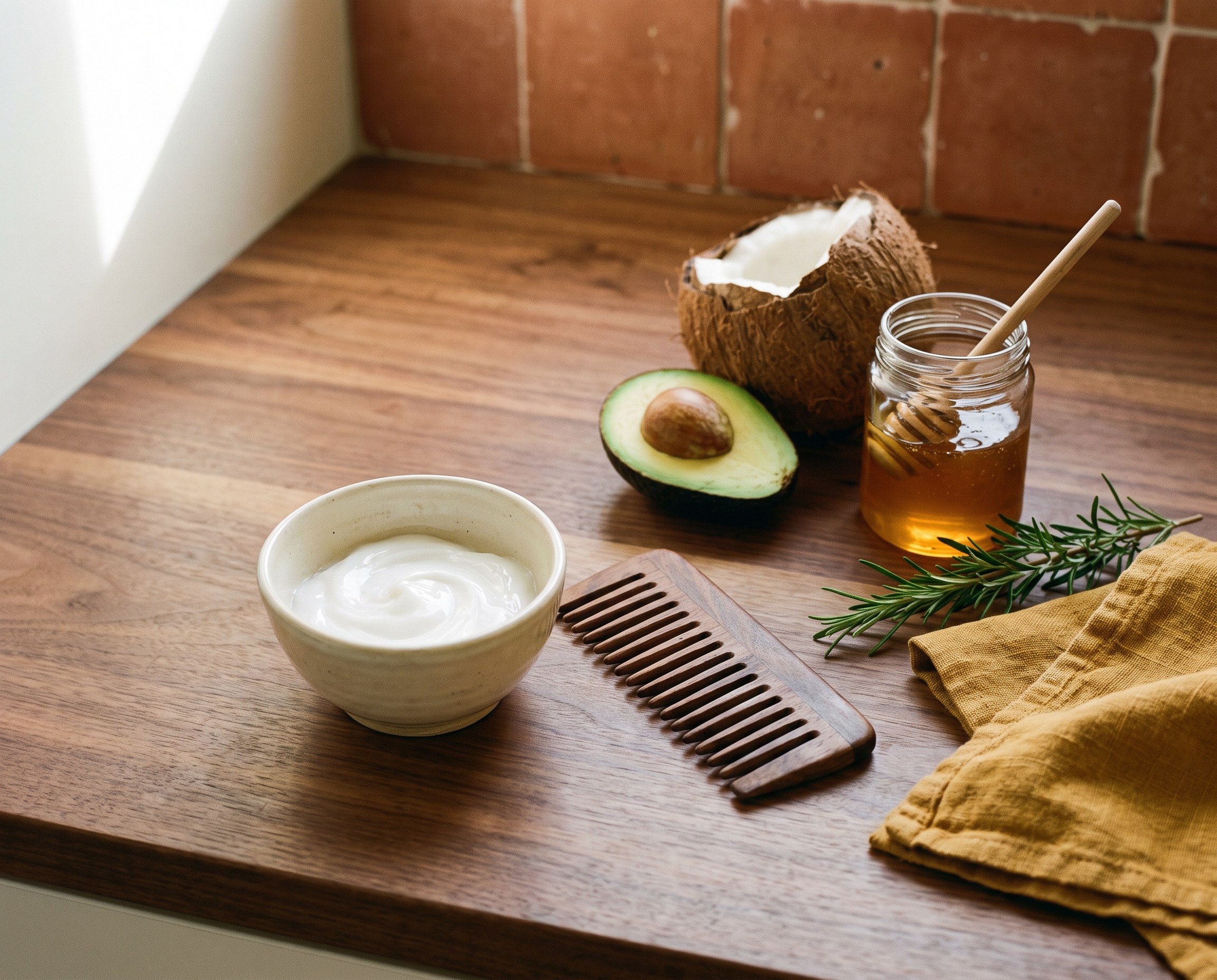
Your daily conditioner is built for speed. It goes on, sits for a minute while you rinse off, and comes out. Its main job is to smooth the surface of the hair after shampoo so you can comb it without a fight. A mask is built for contact time. It carries a higher dose of conditioning ingredients and gives them five, ten or twenty minutes to settle onto the strand instead of thirty seconds. That longer window matters most for hair that’s been colored, bleached, heat-styled or simply lived in for a long time. If your hair is short, healthy and not processed, you may never need more than a good conditioner, and that’s fine. A mask isn’t a step everyone has to add.
What does a hair mask do to your hair?
Here’s how it works. Each strand of hair has an outer layer called the cuticle, made of flat, overlapping scales a bit like shingles on a roof. When those scales lie flat, hair reflects light, feels smooth and holds onto its moisture. Combing, brushing, coloring, perms, straightening and sun all wear that layer down over time. Dermatologists call this hair weathering. It shows up as raised, porous cuticle scales that leave the inner cortex exposed, which leads to dullness, lost elasticity and breakage (Osorio and Tosti, Cutis, 2011: https://mdedge.com/content/hair-weathering-part-1-hair-structure-and-pathogenesis). Since the ends of your hair are the oldest part, they take the most wear.
Conditioning ingredients go straight at that damage. A 2015 review in the International Journal of Trichology explains that hair carries a negative electrical charge on its surface, and damaged or bleached hair carries more of it (https://pmc.ncbi.nlm.nih.gov/articles/PMC4387693/). Conditioners use positively charged ingredients, called cationic surfactants and polymers, which are drawn to those negative spots like a magnet. They neutralize static, cut friction between strands and smooth the cuticle down. Silicones such as dimethicone add a thin protective film that reduces wear from combing and heat. The same review notes that damaged hair has a stronger pull toward these ingredients, so the hair that needs help most is also the hair that picks up the most. A mask simply delivers more of this, for longer.
Oils and proteins add another layer of help. The review describes how small protein fragments, listed on labels as hydrolyzed keratin, collagen, silk or wheat protein, can cling to damaged areas and help seal the cuticle. Oils can slow how much water hair soaks up and lets go of, and that constant swelling and shrinking is a quiet source of breakage. One often-cited study in the Journal of Cosmetic Science tested coconut, sunflower and mineral oil on hair. Only coconut oil significantly reduced protein loss, on both damaged and undamaged hair (Rele and Mohile, 2003: https://library.scconline.org/v054n02/99). The researchers credited coconut oil’s small, straight molecule, which can travel into the hair shaft instead of just coating the outside.
Is a hair mask really good for you?
Yes, within honest limits. A mask can make hair softer, shinier, easier to detangle and less likely to snap, and those changes are real. But hair past the scalp isn’t living tissue. It can’t heal the way skin does, so no mask permanently repairs a strand. What a mask does is patch and protect, and the effect fades with washing, which is why you repeat it. Be skeptical of claims that a mask will regrow hair, thicken it from the root or undo years of bleach in one session. Bond-building products like K18 and Olaplex say they work inside the hair at the level of its internal bonds, and plenty of people like the results, but most of the evidence behind those claims comes from the brands themselves. A mask also does nothing for hair loss that starts at the follicle. That’s a medical issue, and it belongs with a dermatologist.


There’s one more honest point. A mask can be too much of a good thing. Heavy formulas used too often can leave fine hair limp and greasy. A protein-heavy mask used every wash can make some hair feel stiff and brittle instead of soft. If your hair starts to feel coated or straw-like, back off and switch to a lighter, moisture-focused formula. Hair tells you pretty quickly when it’s had enough!
Why does hair need more help after 50?
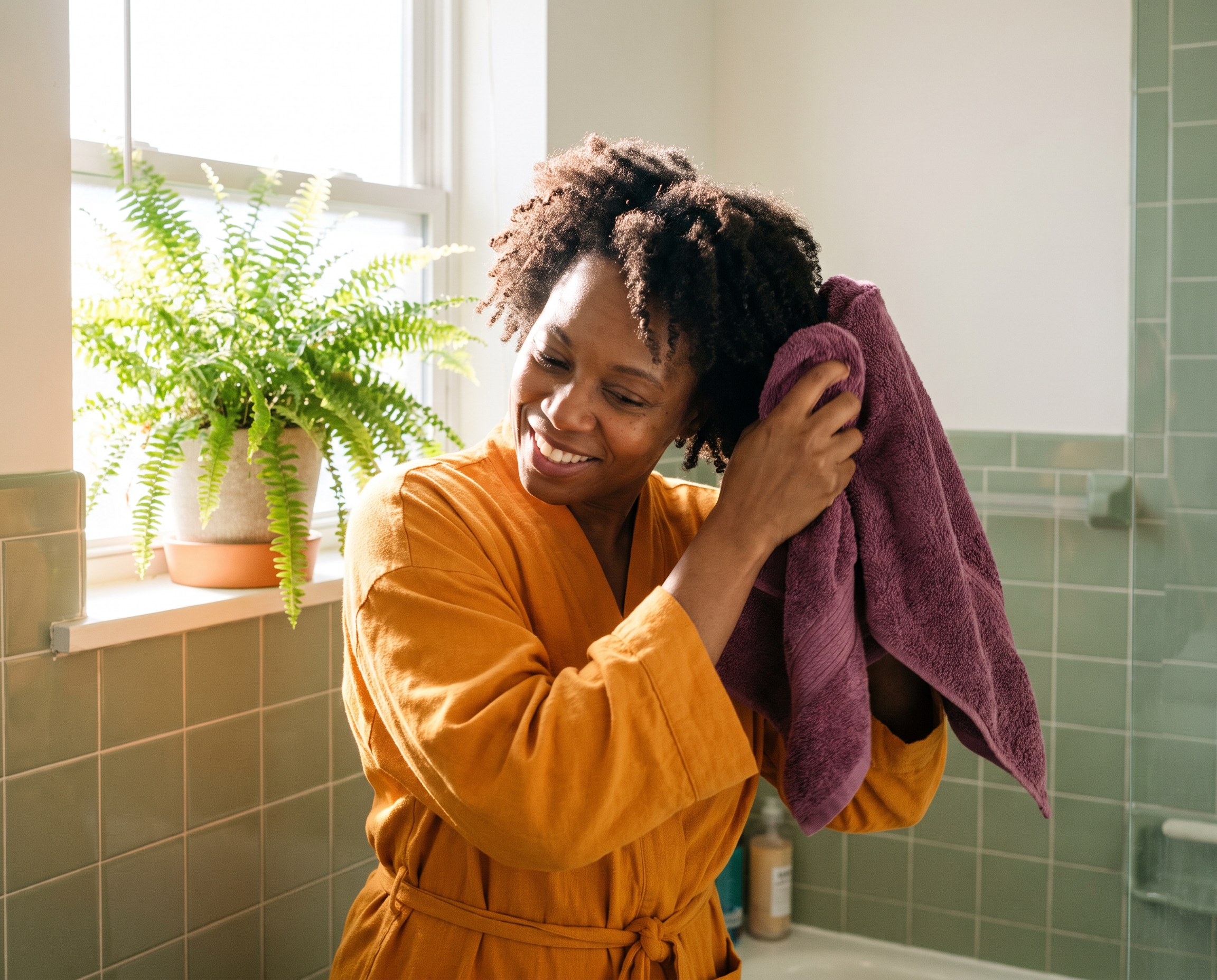
Hair changes with time in ways that make a mask more useful, not less. Dermatologist Janiene Luke, MD, told Healthline that oil production in the scalp drops with age, so hair loses some of its natural shine and softness, and each strand gets finer (https://www.healthline.com/health/beauty-skin-care/how-your-hair-changes-as-you-age-plus-what-to-do-about-it). Less natural oil means less built-in conditioning traveling down the shaft. Finer strands also have less margin for wear before they break. Add decades of color, highlights and blow-drying, and the ends have been through a lot. That’s exactly the hair a weekly mask was made for.
Advertisement
Gray hair brings its own changes. Dr. Antonella Tosti, a hair specialist at the University of Miami, says gray hair often turns thicker and coarser, and it tends to be more fragile and less smooth than pigmented hair (https://news.miami.edu/stories/2024/09/why-do-we-go-gray.html). That’s why silver hair can look wiry and frizzy even when it feels strong. Gray and white hair also picks up a yellow cast from sun, hard water and styling products more easily than darker hair. A regular moisture mask helps with the coarse, frizzy texture. A purple or anti-brass mask now and then can take the yellow back out.

Thinning is common, too. A 2022 study in the journal Menopause found that 52.2 percent of 178 postmenopausal women had female pattern hair loss, and the rate rose with age (https://menopause.org/wp-content/uploads/press-release/prevalence-of-hair-loss-in-postmenopausal-women.pdf). A mask won’t change what’s happening at the follicle. It can help the hair you have break less, look fuller and hold a style better. If your hair is thinning, choose a lightweight mask, keep it on the mid-lengths and ends, and rinse well so it doesn’t weigh down the roots. And if the shedding is new or sudden, see a dermatologist, since thyroid problems, low iron and some medications can all play a part.
How do you use a hair mask the right way?

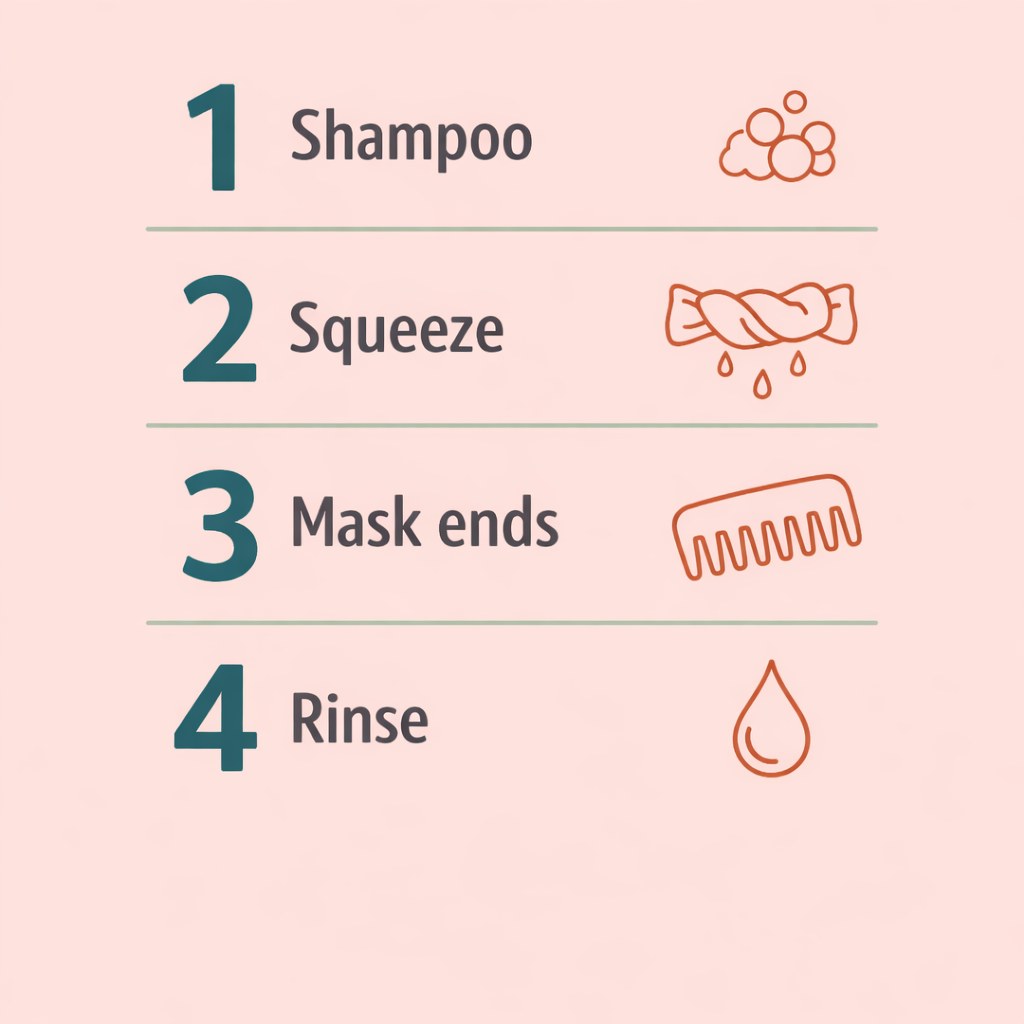
Start with clean hair. Shampoo first so the mask reaches the strand instead of sitting on a layer of oil and old product. Squeeze out as much water as you can, since soaking-wet hair dilutes the mask and lets it slide right off. Apply it from the mid-lengths down to the ends, where the damage lives, and use only a little near the scalp unless the label says otherwise. Comb it through with a wide-tooth comb so every strand gets coated. Then leave it on for the time on the label, usually five to twenty minutes. A warm towel or a shower cap can help it absorb, though you don’t need special gear. Rinse with lukewarm or cool water until your hair feels slick but not coated.
How often depends on your hair. Once a week suits most people. Very dry, coarse, curly or bleached hair may like it twice a week. Fine or oily hair might only need it every other week. Skip your regular conditioner on mask days, since doubling up usually just weighs hair down. If you use an overnight leave-in mask, lay a towel or an old pillowcase down the first time to see how much your hair soaks up.
Which ingredients should you look for on the label?
Match the ingredients to your problem. For dryness and frizz, look for humectants like glycerin and hyaluronic acid, which draw water in, plus butters and oils such as shea butter, avocado oil, argan oil or coconut oil. For breakage and damage from color or bleach, look for hydrolyzed proteins like keratin, collagen, silk or quinoa protein, along with bond-building ingredients. Ceramides help fill gaps in a worn cuticle. Silicones like dimethicone aren’t the villain social media makes them out to be. They smooth hair, protect it from heat and rinse out with regular shampoo for most people. If you’re sensitive to fragrance, read the label closely, since many of the most popular masks are heavily scented.

What are the best hair masks you can buy right now?

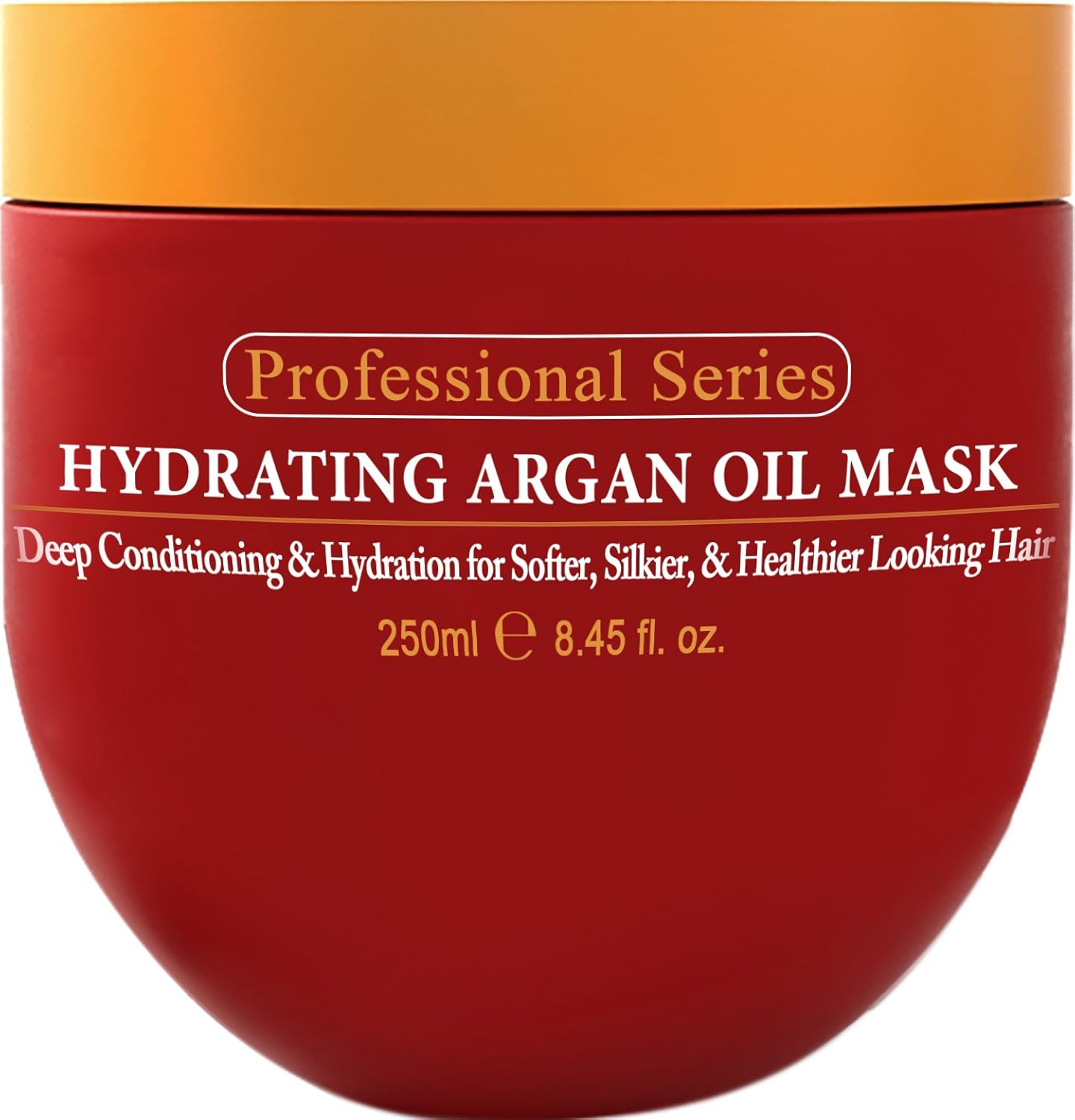
No single mask is right for everyone, but a handful keep coming out on top in testing. In a September 2026 roundup, Fortune’s testers named the Gisou Honey Gloss Ceramide Therapy Hair Mask their top pick overall (https://fortune.com/article/best-hair-masks/). It sells for about $44 and pairs honey with ceramides and hyaluronic acid. Testers found it cut frizz on dry ends without leaving hair greasy. That makes it a good fit for fine or wavy hair that goes flat under heavy masks. It rinses out after five to seven minutes, so it fits into a normal shower.

For hair that’s been bleached or heavily processed, the same Fortune review liked the CLM Supreme Repair Hair Mask, about $48, made with hydrolyzed keratin, avocado oil and glycerin. It’s meant to sit for fifteen to twenty minutes, longer than most, and testers said hair came out silky. If you’d rather leave something in, the K18 Leave-In Molecular Repair Hair Mask, around $75 for a small bottle, earned praise for softness, shine and easier detangling on color-treated and heat-damaged hair. It’s pricey and contains fragrance and drying alcohol, but you only need a little. For an overnight option, the Amika Midnight Mender, about $44, uses plant peptides and quinoa protein and goes on before bed with no rinse.

You don’t have to spend that much. The Elizavecca CER-100 Collagen Coating Hair Essence Cream, a Korean beauty favorite at about $14, was Fortune’s budget pick for dry, frizzy hair. At the drugstore, SheaMoisture Manuka Honey and Mafura Oil Intensive Hydration Hair Masque has a long and loyal following among people with thick, curly and coily hair. It’s rich, so if your hair is fine, use a small amount on the ends only. Briogeo Superfoods Avocado and Kiwi Mega Moisture Hair Mask, about $39 at Sephora, sits in the middle (https://www.sephora.com/buy/hair-masks-for-gray-hair). It’s a solid moisture mask for normal to dry hair without a heavy scent.


Which masks work best for gray, silver or thinning hair?
For gray and silver hair, a purple-toned mask counters yellowing the same way purple shampoo does, only with more conditioning. Kérastase Blond Absolu Anti-Brass Purple Hair Mask, about $70, and Amika Bust Your Brass Toning and Strength Repair Mask, about $44, both work on silver as well as blonde. Use them once every week or two and watch the clock, since leaving a purple mask on too long can tint very light hair lavender. On the other weeks, use a plain moisture mask to soften the coarse texture. For thinning hair, lighter is better. Rossano Ferretti Parma Vita Rejuvenating Hair Mask, about $84, is sold as an anti-aging mask for hair that’s lost body, though it’s expensive and the anti-aging claim is the brand’s own. A lighter formula like the Gisou mask, kept to the ends, often does the same job for less.


Can you make a hair mask at home?
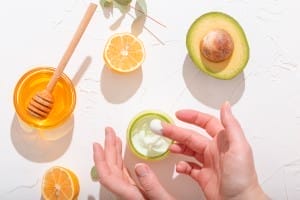
You can, and the coconut oil research gives one simple recipe some backing. Warm a tablespoon or two of coconut oil until it melts, work it through dry or slightly damp hair from the mid-lengths down, and leave it on for thirty minutes or overnight before you shampoo it out. It’s cheap, and it works well on thick or coarse hair. It can be too heavy for fine hair and hard to wash out, so go light and plan on shampooing twice. Kitchen favorites like mashed avocado, honey, yogurt and egg get a lot of attention online. They can make hair feel softer, but they’re messy, they spoil fast, and they don’t have the conditioning chemistry of a formulated mask. Egg in particular needs a cool rinse, or you’ll end up with scrambled bits in your hair!
What do people ask most about hair masks?
Can I use a hair mask instead of conditioner?
Yes, on the days you use a mask. Most people don’t need both in the same wash. On other days, stick with regular conditioner, since a mask every wash can be too heavy. People with very dry or coarse hair sometimes swap in a mask every time, and that can work if your hair doesn’t feel weighed down.
Should I put a hair mask on wet or dry hair?
Most masks go on clean, towel-dried hair right after shampoo. Damp hair takes the product evenly without diluting it. Pure oils like coconut oil are the exception, and they often work best on dry hair before you wash.
Does leaving a mask on longer make it work better?
Only up to a point. Most formulas do their job within the time on the label, and extra time adds little. Overnight is fine for masks designed for it. Protein-heavy masks shouldn’t stay on for hours unless the label says so, since they can leave hair stiff.
Can a hair mask help my hair grow?
No. Growth happens at the follicle, under the skin, and a mask never reaches it. What a mask can do is cut down on breakage, so you keep more of the length you grow. That can look like faster growth even though it isn’t.
Are hair masks safe for color-treated hair?
Yes, and many are made for it. Look for masks labeled color-safe, and wait a few days after a fresh color before using one. Be careful with purple masks on very light or white hair, since they can leave a lilac tint if left on too long.
A hair mask isn’t magic, and it won’t turn back the clock. It’s a stronger dose of the same conditioning science your hair already relies on, given more time to work. For hair that’s dry, colored, coarse, gray or just tired, that can be the difference between ends that snag and hair you enjoy touching again. Start with one mask that fits your hair type, use it once a week for a month, and pay attention to how your hair feels. If it’s softer and breaks less, you’ve found your match. If it feels heavy, go lighter. Your hair will tell you.
Related Posts