Jun
If you click on links we provide, we may receive compensation.
About 2 million Americans are allergic to bee stings – and most of them don’t find out until they get stung. For the rest of us, a sting is painful, swollen, and sometimes maddening in its itch, but entirely manageable at home if you know what you’re doing. The problem is that the internet is full of folk remedies that range from genuinely helpful to completely useless, and sorting through them when you’ve just been stung is the last thing you want to do. This guide cuts through the noise. Here’s what’s happening inside your skin, what actually helps, and what you should skip.
What is actually happening when a bee stings you?
Honeybee venom is more complex than most people realize. It contains at least 60 identifiable components – enzymes, proteins, peptides, and biogenic amines – working together in a way that produces pain, swelling, and heat almost instantly. The main culprit is melittin, a peptide that makes up 40 to 50 percent of the dry weight of bee venom and causes direct cell membrane damage. Right behind it is phospholipase A2, an enzyme that breaks down cell walls and triggers a cascade of inflammatory chemicals.
When a bee stings, it drives a barbed stinger into the skin and injects venom into the tissue beneath. The venom includes histamine, which your immune system then amplifies by releasing even more histamine and leukotrienes from local mast cells. This IgE-mediated response is what produces the classic symptoms: a red, raised wheal surrounded by spreading redness, swelling that peaks within an hour or two, and itching that can last for days. For most people, the reaction stays local. The area is painful, puffy, and irritating, but it stays within a few centimeters of the sting site and resolves on its own within a few days. That said, knowing what to do in the first few minutes still matters enormously.
What should you do in the first few minutes after a sting?

Speed matters more than technique when it comes to stinger removal – but technique matters too. The stinger is not a passive piece of debris. It arrives with a venom sac attached, and that sac continues to pulse and pump venom into the skin even after the bee is gone. Every second the stinger stays in, more venom is delivered. Your priority is getting it out fast. The American Academy of Dermatology (AAD) recommends scraping the stinger out with a flat-edged object – a fingernail, a credit card, or a butter knife held flat against the skin – rather than pinching or pulling with tweezers.
The reason to avoid tweezers or pinching is simple: it compresses the venom sac and forces additional venom into the wound. A quick, firm scrape in the direction against the stinger dislodges it without squeezing anything. Once the stinger is out, wash the area thoroughly with soap and water. This clears surface venom and reduces the risk of any secondary skin infection. Then you’re ready to start treating symptoms. The goal from this point is to reduce inflammation, manage pain and itch, and let the skin heal cleanly. The order in which you do these things matters less than doing them at all.
Which home remedies have real evidence behind them?
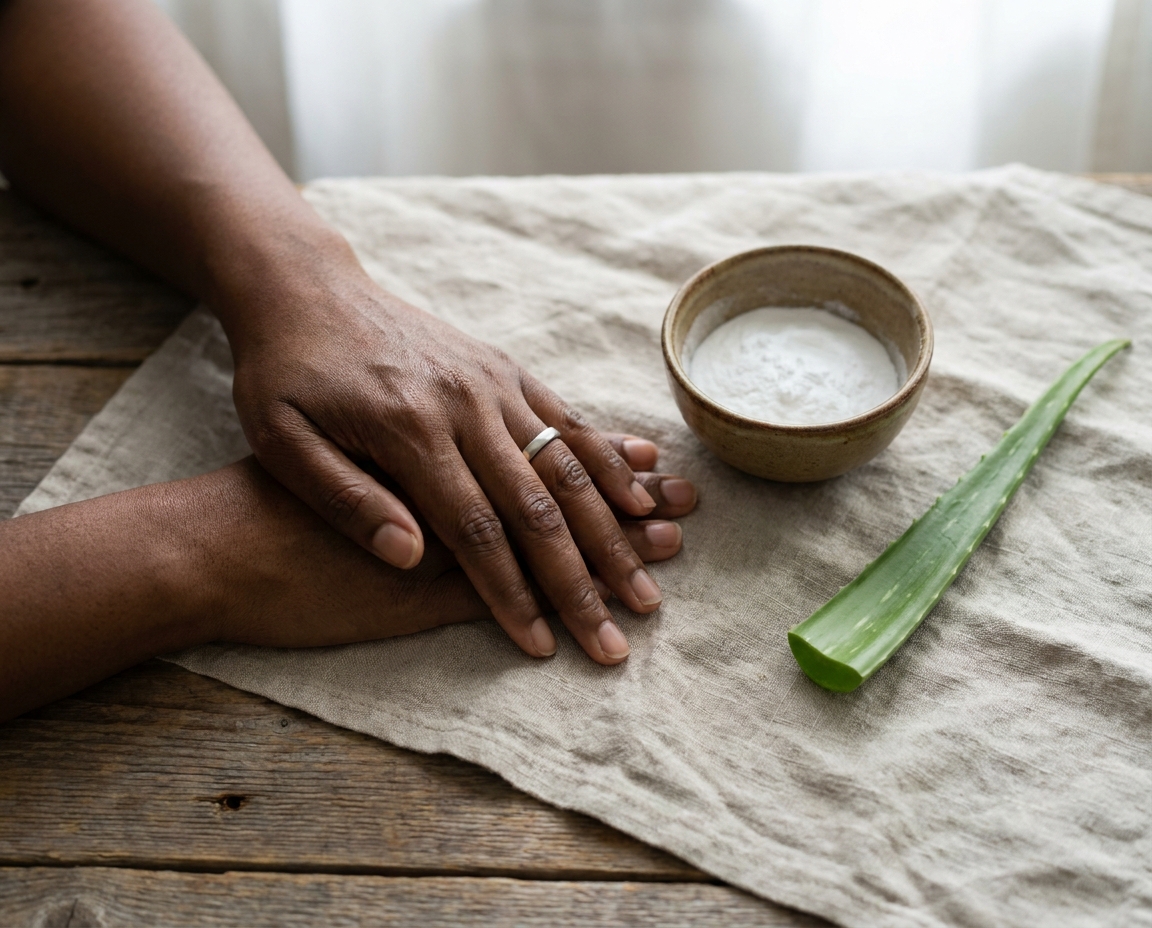
Not all bee sting remedies are created equal. Some have a solid physiological rationale, a few have clinical support, and others are mostly tradition. Here’s an honest look at the main options, starting with the ones that work best.
Ice or a cold compress is the most immediately effective thing you can reach for. Cold causes vasoconstriction – the local blood vessels narrow, which slows the spread of venom through the tissue and reduces the volume of fluid leaking into the area. It also numbs the sting site directly by dulling the pain receptors in the skin. Apply a cloth-wrapped ice pack or a bag of frozen peas for 10 minutes on, 10 minutes off, repeating as needed. Never put ice directly on bare skin. This won’t stop the immune response entirely, but it significantly dampens the acute pain and limits early swelling. It’s also the fastest, cheapest thing in almost any home.
Baking soda paste has a plausible mechanism and a recommendation from the Centers for Disease Control and Prevention (CDC). Bee venom is mildly acidic, and baking soda (sodium bicarbonate) is alkaline. Mixing baking soda with a little water and applying the paste to the sting site is thought to neutralize some of the surface venom and soothe the skin. The evidence is largely anecdotal – there are no large randomized trials on this specific remedy – but the chemistry is reasonable and the risk is essentially zero. Apply a thick paste, let it dry, and rinse. Many people find it meaningfully reduces the stinging and itching.
Raw honey on a bee sting is one of the more ironic remedies, but it has genuine science behind it. Multiple studies have documented honey’s antibacterial and anti-inflammatory properties, largely attributed to its hydrogen peroxide content, low pH, and high sugar concentration. It won’t neutralize venom, but it can soothe the inflamed skin surface and help prevent any secondary infection at the sting site. A small amount of raw honey applied to the area for 20 to 30 minutes is a reasonable choice if that’s what you have on hand. Use raw or medical-grade honey rather than heavily processed varieties, which may have reduced antimicrobial activity.
Advertisement
Aloe vera gel is well-supported for its soothing and anti-inflammatory properties. Fresh aloe – from the leaf itself – contains compounds including acemannan, anthraquinones, and polysaccharides that have demonstrated anti-inflammatory and wound-healing effects in research settings. For bee stings, it’s most useful for cooling the skin and reducing the itch and surface irritation in the hours and days following the sting. Keep a plant in a garden pot if you can – the gel is most potent fresh from the leaf. Store-bought pure aloe gel works too, just look for formulas without added alcohol or fragrances, which can irritate already-sensitive skin.
What about the remedies people debate?
Apple cider vinegar is popular in home remedy circles, but the evidence is mixed and the rationale is a little muddled. Some sources suggest it can neutralize bee venom, but bee venom is already mildly acidic – adding more acid doesn’t help and could theoretically make things worse by further irritating the skin. Where ACV may offer some benefit is as a mild antiseptic on the skin surface. But honestly, it is not among the stronger options. If you have it and want to try it, dilute it significantly before applying – undiluted vinegar on a fresh sting can sting more, not less. Ice, baking soda, and antihistamines are better first choices.
Meat tenderizer contains papain, a proteolytic enzyme derived from papaya that theoretically breaks down the protein components of bee venom. The remedy was first documented in the Journal of the American Medical Association in 1972, and it has circulated through home remedy culture ever since. The theory is sound at a basic biochemical level – papain does break down proteins, and bee venom does contain peptide chains. But whether papain can penetrate deeply enough into the skin to reach meaningful quantities of venom, and whether it breaks it down fast enough to change the inflammatory cascade, is not well supported by clinical evidence. It’s not harmful to try, but don’t expect dramatic relief. Mix a small amount with water, apply as a paste, and rinse after 15 to 20 minutes.
Toothpaste is another folk remedy worth addressing honestly. The theory is similar to baking soda – some toothpastes are mildly alkaline, so they might neutralize acidic bee venom. But most toothpastes contain menthol, fluoride, foaming agents, and various additives that can further irritate broken or inflamed skin. The cooling sensation from menthol might feel temporarily soothing, but you’re introducing a lot of unnecessary ingredients to an already reactive area. Plain baking soda paste is a better, cleaner version of the same idea. If toothpaste is genuinely the only thing you have, it’s unlikely to cause harm – but reach for something else first.
Which over-the-counter treatments are worth having on hand?

When natural remedies aren’t enough, there are several OTC options that work well. Hydrocortisone 1% cream is a low-potency topical corticosteroid that reduces redness, itching, and localized swelling by suppressing the skin’s inflammatory response. It won’t eliminate the reaction, but it makes the symptoms significantly more manageable. Apply a thin layer to the sting site two or three times a day for the first couple of days. Avoid using it near the eyes or on broken skin. It’s an excellent product to keep in a first aid kit, especially during outdoor season.
Calamine lotion is a classic for good reason. It contains zinc oxide and ferric oxide, which together create a soothing, mildly astringent effect on irritated skin. It’s particularly good for the itchy phase of a bee sting reaction – the days after the initial swelling goes down but the itch remains. Shake well before applying, dab it on with a cotton ball, and let it dry on the skin. It won’t do much for deep swelling, but for surface itch and discomfort it is reliably effective and gentle enough for sensitive skin.
Oral antihistamines are among the most effective tools for managing a bee sting reaction. They work by blocking histamine receptors throughout the body, reducing itching, swelling, and redness. Diphenhydramine (Benadryl) acts quickly – within 30 to 60 minutes – but it causes sedation, so it’s better reserved for evenings or when you don’t need to drive. Non-drowsy options like cetirizine (Zyrtec) or loratadine (Claritin) take slightly longer to peak but are appropriate for daytime use and still quite effective. For a moderate local reaction – significant swelling, persistent itch – an antihistamine taken in the first hour or two can meaningfully shorten how long symptoms last and how uncomfortable they feel.
What should you never do after a bee sting?
Scratching is the single most common mistake, and it’s worth talking about directly. The itch from a bee sting can be intense, and scratching feels instantly satisfying – but it makes things worse in several ways. Scratching causes additional micro-trauma to the skin surface, which triggers a secondary inflammatory response and prolongs the healing process. It also increases the risk of breaking the skin barrier, which opens the door to bacterial infection. And most relevant to the long-term skin picture: repeated scratching can worsen post-inflammatory hyperpigmentation, leaving a dark spot long after the sting itself has healed. Keep nails clean and short, use a cold compress when the itch is overwhelming, and reach for a topical or oral antihistamine if scratching becomes compulsive.
Squeezing the stinger – or trying to pull it out by pinching the venom sac – delivers more venom into the skin, as discussed above. If you’ve already done this, don’t panic: wash the area immediately and proceed with treatment. Applying heat to a fresh sting is another mistake. Heat promotes vasodilation and can increase the spread of venom and inflammatory mediators through the tissue. Save warmth for later stages of healing once the acute reaction has settled; in the first 24 hours, cold is your friend. And if someone else is applying pressure or a tourniquet to a bee-stung limb – stop. This is not an appropriate intervention for a typical bee sting and can cause more harm than good.
How can you protect your skin from a lasting mark?
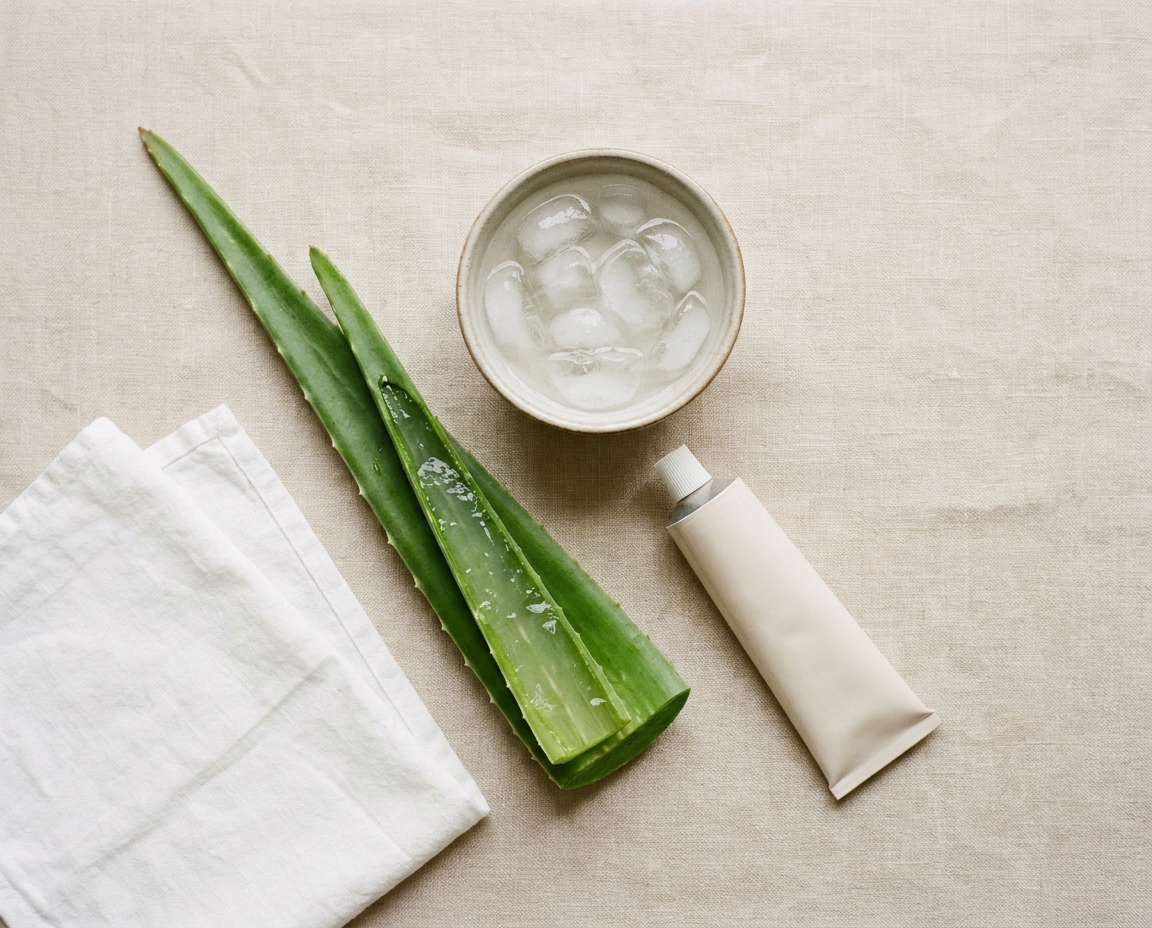
Once the immediate reaction has faded – usually within three to five days – many people are left with a pink or brownish mark at the sting site. This is post-inflammatory hyperpigmentation (PIH), and it’s especially common in medium to deeper skin tones. What happens is that the inflammatory response triggers excess melanin production in the local keratinocytes and melanocytes, producing a lasting discoloration that can take weeks to months to fully fade. Scratching during the sting reaction significantly worsens this, which is why itch control matters not just for comfort but for skin outcome.
Niacinamide is one of the most useful ingredients for fading this type of discoloration. It works by inhibiting the transfer of melanin from melanocytes to surrounding skin cells – meaning it addresses pigmentation at the cellular level without irritating the already-sensitive skin. Clinical studies have shown that a 5% concentration of niacinamide can reduce hyperpigmentation by up to 68% over eight weeks. Look for it in serums or moisturizers and apply it to the healed sting site once the skin surface is fully intact – not on open or raw skin.
Vitamin C is another excellent option for PIH once the skin has healed. It interrupts melanin synthesis at multiple points in the pathway and provides antioxidant protection against the free radical activity that can extend inflammation and pigmentation. Research suggests consistent use can reduce hyperpigmentation by 40 to 60 percent over eight to twelve weeks. Look for stable forms like L-ascorbic acid (in a low pH formula, 10 to 20%) or more gentle derivatives like ascorbyl glucoside if your skin is reactive. Apply in the morning under SPF – and do not skip sunscreen. UV exposure is the biggest driver of worsening PIH, so a broad-spectrum SPF 30 or higher applied daily is non-negotiable during the fading process.
Does skin age affect how a sting heals?
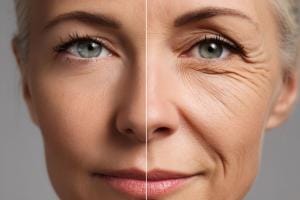
As skin matures, its response to injury changes in ways that affect both the immediate reaction and the long-term recovery. Older skin has a thinner epidermis, reduced barrier function, and a more sluggish immune response – which can mean both a delayed initial reaction and slower healing overall. The inflammatory cascade may not peak as acutely, but it can drag on longer than it would in younger skin, extending the window of discomfort and increasing the risk of a lingering mark. This is worth knowing so you manage treatment over a longer timeline rather than expecting quick resolution.
Post-inflammatory hyperpigmentation tends to be more persistent in mature skin, partly because melanocyte regulation becomes less precise with age and partly because skin cell turnover slows significantly. A mark that might fade in three weeks in a younger person could take two to three months in someone over 60. This makes itch control – and therefore avoiding scratching – even more important. Gentle skin care during recovery also matters more. Avoid harsh exfoliants, strong acids, or anything that strips the barrier further while the sting site is still healing. Once healed, niacinamide, vitamin C, and daily SPF are your best tools for returning the skin to an even tone. Patience is also genuinely part of the process.
Mature skin is also more likely to be on medications that affect either the reaction or the recovery. Anticoagulants (blood thinners) can increase local bruising and swelling. Immunosuppressants may blunt the initial allergic response but also slow healing. Some topical retinoids make the skin more sensitive and fragile. If you’re managing a bee sting and you take any of these regularly, it’s worth being a little more cautious with how you treat the area – and a bit more attentive to how it looks over the following days. When in doubt, a quick call to a pharmacist or your dermatologist is always a reasonable step.
When is a bee sting a medical emergency?
This is the most important section in this article, and it needs to be read carefully. Most bee stings are uncomfortable but not dangerous. However, approximately 2 million Americans are allergic to bee stings, and allergic reactions can escalate to anaphylaxis – a severe, potentially life-threatening systemic reaction that requires immediate emergency intervention. Anaphylaxis can develop within seconds to minutes of a sting. The American College of Allergy, Asthma and Immunology (ACAAI) states clearly: if you show signs of anaphylaxis, use an epinephrine auto-injector immediately (if prescribed), call 911, and get to an emergency room – even if you have already administered epinephrine.
Know these warning signs and treat any one of them as a reason to call 911 without delay. Throat tightening or swelling that makes it difficult to swallow or breathe. Hives or redness spreading well beyond the sting site to other parts of the body. Dizziness, lightheadedness, or fainting – or a feeling that something is very wrong. A rapid or irregular heartbeat. Swelling of the face, lips, or tongue. Nausea, vomiting, or stomach cramps. A sudden drop in blood pressure that causes weakness or confusion. You do not need all of these symptoms to be experiencing anaphylaxis. One respiratory symptom, one cardiovascular symptom, or widespread hives following a sting is enough to act on immediately.
Do not wait to see if symptoms improve. Anaphylaxis can progress very quickly, and delay is dangerous. If you carry an EpiPen or other epinephrine auto-injector because you know you have insect allergies, use it at the first sign of a systemic reaction and then call 911 regardless. The epinephrine buys time – it does not replace emergency evaluation. If you have been stung multiple times at once, watch for symptoms even if you have no known allergy – large venom doses can trigger reactions in people without a prior history. If you have ever had a previous allergic reaction to a sting, speak with an allergist about venom immunotherapy, which is 90 to 98 percent effective at preventing future severe reactions.
Frequently Asked Questions
How long does a bee sting normally take to heal?
For most people, the swelling and pain peak within two to four hours of the sting and begin to subside within 24 hours. Redness and mild itching can persist for three to five days. If swelling is still increasing after 24 hours or is spreading significantly beyond the original sting site, it’s worth contacting a medical professional to rule out a large local reaction or secondary infection.
Should I pop the blister that sometimes forms after a sting?
No. Small blisters can occasionally form at a sting site as a result of localized inflammation. Popping them breaks the skin barrier, increases the risk of infection, and is likely to leave a more visible mark. Keep the area clean and protected, and let any blister resolve on its own. If a blister grows, becomes red and warm, or shows signs of infection, see a doctor.
Is it safe to take both a topical antihistamine and an oral antihistamine together?
Topical antihistamines (like diphenhydramine cream) and oral antihistamines act on similar receptors, and combining them can increase the risk of side effects including drowsiness and dry mouth. It’s generally safer to choose one route. Oral antihistamines are more effective for systemic symptoms like widespread itching, while hydrocortisone cream is a better topical choice for the local sting site. If in doubt, ask a pharmacist.
Can a bee sting cause a scar?
True scarring from a bee sting is uncommon in healthy skin. The more typical concern is post-inflammatory hyperpigmentation – a flat, darkened patch at the sting site that can take weeks to months to fade, especially in medium to deeper skin tones or in mature skin. Avoiding scratching, managing inflammation promptly, and using SPF during healing are the most effective strategies for preventing a lasting mark. Niacinamide and vitamin C serums applied once the skin has fully closed can accelerate fading.
What if I was stung in or near the mouth?
A sting inside the mouth, on the tongue, or very close to the throat is a medical situation regardless of known allergy status. The local swelling that any sting produces can be dangerous in a confined airway. Go to an emergency room or call 911 if this happens. Do not wait to see if it improves.
Are bee stings more dangerous as you age?
The risk of a severe systemic reaction to bee venom is not straightforwardly higher with age, but there are factors worth knowing. People with cardiovascular conditions may be at greater risk of complications from anaphylaxis because the heart is already under strain. Some age-related medications can complicate treatment. And older adults who have been stung many times over a lifetime are more likely to have developed sensitivity. If you are over 60 and have never been tested for insect venom allergy, it may be worth discussing with an allergist – especially if you spend significant time outdoors.
A bee sting is one of those summer experiences that arrives without warning and demands an immediate, calm response. The good news is that the basics are genuinely simple: remove the stinger fast, cool the area, manage inflammation and itch with the remedies that actually work, and take good care of your skin as it heals. Most stings resolve completely within a week and leave no trace. The bigger job is knowing when a sting is not just a sting – and responding to that without hesitation. Keep this guide somewhere accessible if you spend time in the garden, and consider talking to an allergist if you’ve never been formally evaluated. Bees are not the enemy, but being prepared for them is just good sense.
Related Posts