Oct
If you click on links we provide, we may receive compensation.
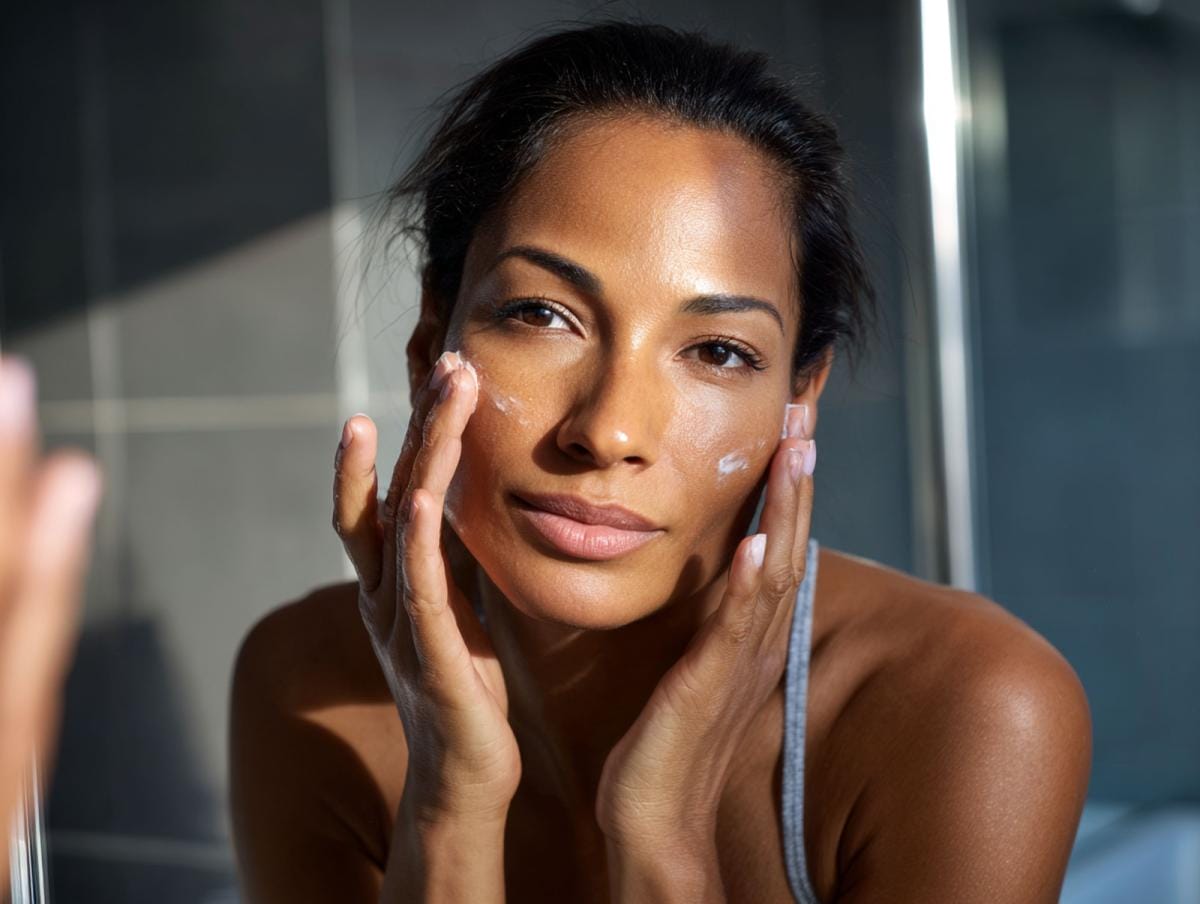
Your morning routine probably includes brushing your teeth, maybe making coffee, and grabbing your phone before the day kicks into high gear. But what about your skin? If your face gets a splash of cold water and that’s about it, you’re missing a critical opportunity. The truth is, what you do (or don’t do) in the morning sets the tone for your skin all day long. A proper morning skincare routine isn’t about vanity or chasing perfection. It’s about protection, prevention, and giving your skin the support it needs to face the day.
What Happens to Your Skin Overnight?
While you sleep, your skin is busy. It’s not just resting – it’s repairing. Nighttime is when your body enters restoration mode, boosting cell turnover, collagen production, and barrier repair. But that also means your skin can be more vulnerable when you wake up. The outermost layer (the stratum corneum) has worked hard all night, and the natural oils you lost during sleep need replenishing. You may also wake up with increased transepidermal water loss (TEWL), meaning your skin is drier than when you went to bed.
Morning care, then, isn’t just about cleansing away oils or residue. It’s about rehydrating, strengthening your skin’s defenses, and preparing it for environmental stressors.
Why Is Morning Skincare Different From Nighttime Skincare?
At night, your focus is repair. That’s when you load up on retinoids, peptides, exfoliants, and intensive treatments. Morning, by contrast, is about protection. Your skin needs help defending itself against pollution, UV radiation, blue light, sweat, and irritants. Antioxidants and moisturizers play a key role here. And sunscreen? Non-negotiable.
A good analogy: nighttime skincare is like repairing a house after a storm; morning skincare is like boarding up the windows before one hits.
How Does Skipping Morning Skincare Affect Your Skin?
If you regularly skip your morning routine, you’re not just missing out on a dewy glow. You’re leaving your skin exposed. Without hydration, your skin may overproduce oil, leading to breakouts. Without antioxidants or SPF, you’re vulnerable to sun damage and pollution, which speed up signs of aging like wrinkles, sagging, and discoloration.
Think of it this way: Would you step outside in winter without a coat? Probably not. Skipping skincare is the same idea – going out unprotected.
What Does a Good Morning Skincare Routine Look Like?
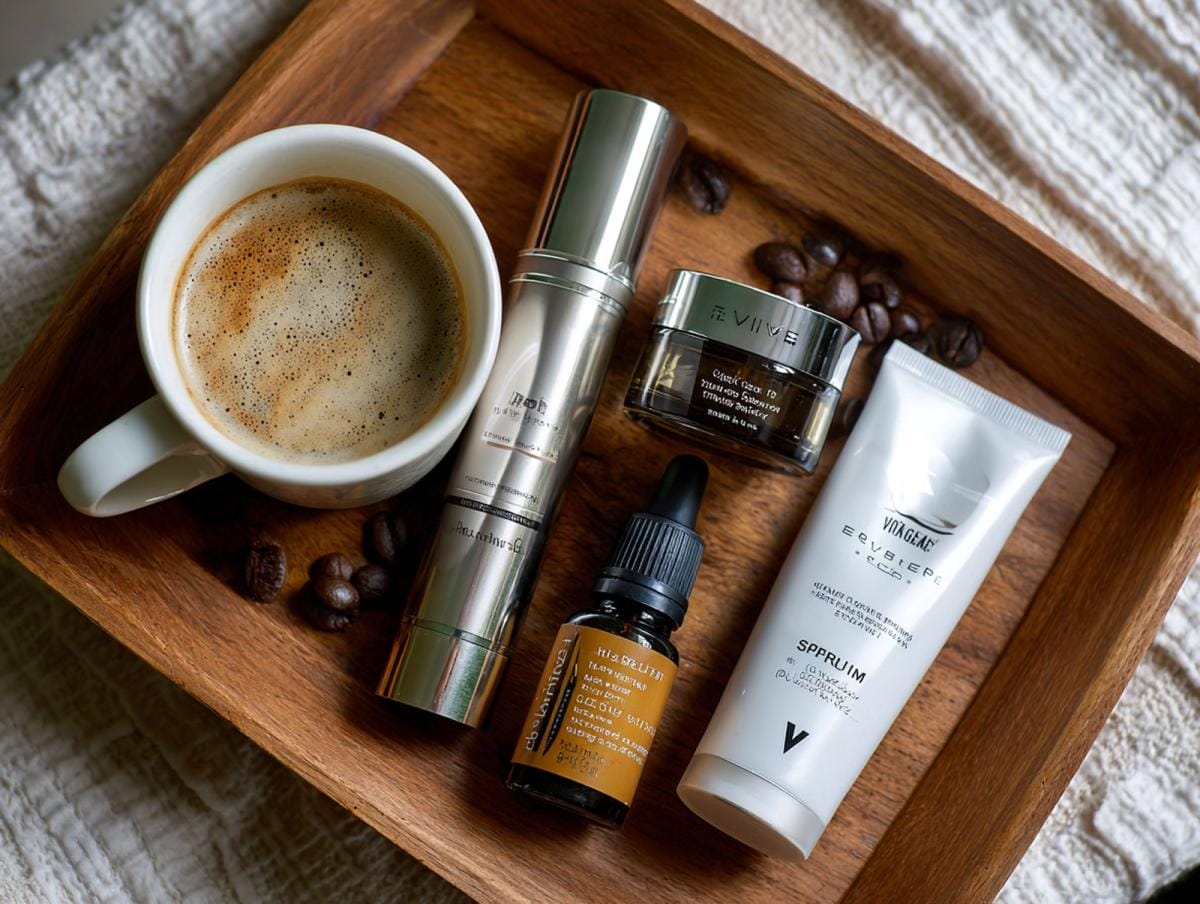
This doesn’t need to be a 10-step process. In fact, most dermatologists agree that consistency matters more than complexity. A solid morning skincare routine usually includes:
1. Gentle Cleanser
This removes sweat, oil, and any overnight residue. Even if you cleansed before bed, bacteria and skin oils can build up while you sleep. Choose a formula based on your skin type – creamy for dry skin, gel or foaming for oily or acne-prone skin.
2. Hydrating Toner or Essence (Optional)
These help rebalance your skin’s pH and add a light layer of hydration. They’re especially helpful if your skin feels tight or dry.
3. Antioxidant Serum
Vitamin C is the classic here, and for good reason. It helps brighten the skin, fights oxidative stress, and boosts sunscreen effectiveness. Other options include niacinamide (great for redness and oil control) and ferulic acid.
4. Moisturizer
Your skin needs moisture to function properly, even if it’s oily. Look for a lightweight, non-comedogenic formula for daytime. If you have dry or mature skin, go for richer creams with ceramides or hyaluronic acid.
5. Sunscreen (Always)
This is the most important step. Use a broad-spectrum SPF of at least 30, and make sure you apply enough – about a nickel-sized amount for your face. Reapply if you’re spending time outside or sweating a lot.

How Does Morning Skincare Protect Against Environmental Stress?
Your skin is your first line of defense against the outside world. But it’s constantly under attack. UV radiation is the big villain, but it’s not the only one. Pollution, temperature fluctuations, blue light from screens, and even the friction from face masks can all disrupt your skin’s barrier and lead to inflammation, redness, and aging.
Antioxidants like Vitamin C, E, green tea extract, and resveratrol can help fight off free radicals generated by these stressors. Pairing antioxidants with SPF gives your skin a double shield: the physical block from sunscreen, and the molecular protection from oxidative stress.
Does Morning Skincare Help with Acne and Breakouts?
Yes. A consistent morning routine helps reduce excess oil, keeps pores clean, and calms inflammation. Ingredients like salicylic acid, niacinamide, or benzoyl peroxide can be used in moderation during the day – though stronger acne treatments are often reserved for nighttime use. More importantly, morning skincare can prevent the environmental triggers (like sweat, friction, or bacteria) that aggravate acne during the day.
Also, moisturizing oily or acne-prone skin may seem counterintuitive, but dehydration can trigger your skin to produce even more oil. A lightweight, gel-based moisturizer can help balance this.
Can a Morning Routine Make Your Skin Look More Awake?
Absolutely. A morning routine not only protects your skin but also perks up your appearance. Gentle cleansing and hydration plump the skin, while Vitamin C can fade dullness and dark spots over time. Cooling eye gels or caffeine-infused serums reduce puffiness. Even just massaging your cleanser or moisturizer into your skin can stimulate circulation and bring a little life back to a sleepy face.
And let’s be honest: taking a few minutes to care for yourself in the morning can boost your mood. It sets a tone of self-respect that can carry through the day.
How Does Morning Skincare Help Prevent Premature Aging?
Skin aging is driven by both intrinsic factors (your genes, your age) and extrinsic factors (sun, pollution, lifestyle). You can’t control your DNA, but you can control what you put on your face each morning.
UV radiation causes up to 90% of visible skin aging, including wrinkles, sagging, and age spots. Pollution and blue light accelerate collagen breakdown and increase oxidative stress. That’s why morning skincare matters – it builds a protective barrier to slow this process. Regular use of SPF and antioxidants has been shown to reduce the appearance of aging over time.
According to the American Academy of Dermatology, daily sunscreen use alone can improve skin texture, reduce discoloration, and prevent fine lines from deepening.
Does Skin Type Change the Routine?
Yes. While the core steps stay the same, the products you choose should reflect your skin’s needs. If your skin is dry, look for ingredients like squalane, shea butter, or ceramides. If you’re oily, go for oil-free, lightweight hydrators like glycerin or hyaluronic acid. Sensitive skin benefits from fragrance-free and alcohol-free formulas with calming agents like calendula or oat extract.
Combination skin might require a little mix-and-match: a richer cream for the cheeks and a gel for the T-zone, for example.
What Role Does Hydration Play in the Morning?
Hydrated skin is happy skin. Moisture supports your barrier, reduces flakiness, and helps makeup sit better. Morning hydration keeps your skin looking plump and smooth throughout the day. Think of your skin cells like grapes. When they’re full of water, they’re round and smooth. When they’re dehydrated, they shrivel, which exaggerates fine lines.
Even drinking water first thing in the morning can support your skin, but topical hydration is essential. Look for humectants like glycerin, hyaluronic acid, and panthenol in your morning products.
Is Morning Skincare Still Necessary If You Don’t Wear Makeup?
Yes – and arguably even more so. People often think skincare is about prepping for makeup, but it’s really about prepping for life. Pollution, sunlight, and bacteria don’t care if you’re wearing foundation or not.
In fact, people who go barefaced all day are more exposed. Makeup can sometimes act as a mild physical barrier (though not a substitute for SPF). So, skipping makeup doesn’t mean skipping your morning routine.
Can Morning Skincare Improve How Makeup Looks?
Definitely. Smooth, hydrated skin is the best canvas. Foundation goes on easier, lasts longer, and looks more natural when your skin is balanced. Dry patches, oil slicks, or flaky texture can all be avoided with proper prep.
Using a good moisturizer before applying makeup reduces cakiness. And SPF with a non-greasy finish can double as a primer if you want to streamline your steps.
How Long Does a Morning Skincare Routine Take?
It doesn’t need to take more than five minutes. You don’t need an elaborate multi-step routine unless that brings you joy. For most people, cleanser + serum + moisturizer + SPF is enough. If you want to add toner, eye cream, or an extra treatment, go for it – just make sure it works for your skin and your schedule.
How to Build a Routine That Sticks?
Consistency matters more than products. Pick products you like to use and can afford to replace. Put them where you’ll see them. Attach the habit to something you already do – like brushing your teeth. If you’re overwhelmed, start with sunscreen. Even that one step can make a huge difference over time.
Some people find joy in skincare as a mini ritual. Others treat it as hygiene. Either way, it’s a small daily habit with long-term impact.
FAQs
Do I really need to wash my face in the morning?
Yes. Even if your skin looks clean, it’s picked up oils, sweat, and microbes overnight. A gentle cleanse preps your skin for the day.
Is sunscreen necessary if I’m indoors?
Yes. UVA rays penetrate windows, and blue light from screens can also cause damage. A daily SPF 30 is still important.
Can I use the same products in the morning and at night?
Some products (like a basic moisturizer) can be used both times. But actives like retinol or exfoliants are usually better for nighttime use. Antioxidants and SPF belong in your morning routine.
What if I have no time?
Use multitasking products: a moisturizer with SPF, or a serum that hydrates and brightens. Even a quick two-step routine is better than nothing.
Does age affect my morning skincare needs?
Yes. As you age, your skin loses collagen and moisture faster. Look for richer textures, barrier-supporting ingredients, and reliable SPF.
A solid morning skincare routine isn’t about trends or aesthetics – it’s about showing up for your skin before the day shows up for you. Whether you keep it simple or go all out, these few minutes in the morning can help your skin stay strong, balanced, and protected for years to come.