
Oct
If you click on links we provide, we may receive compensation.
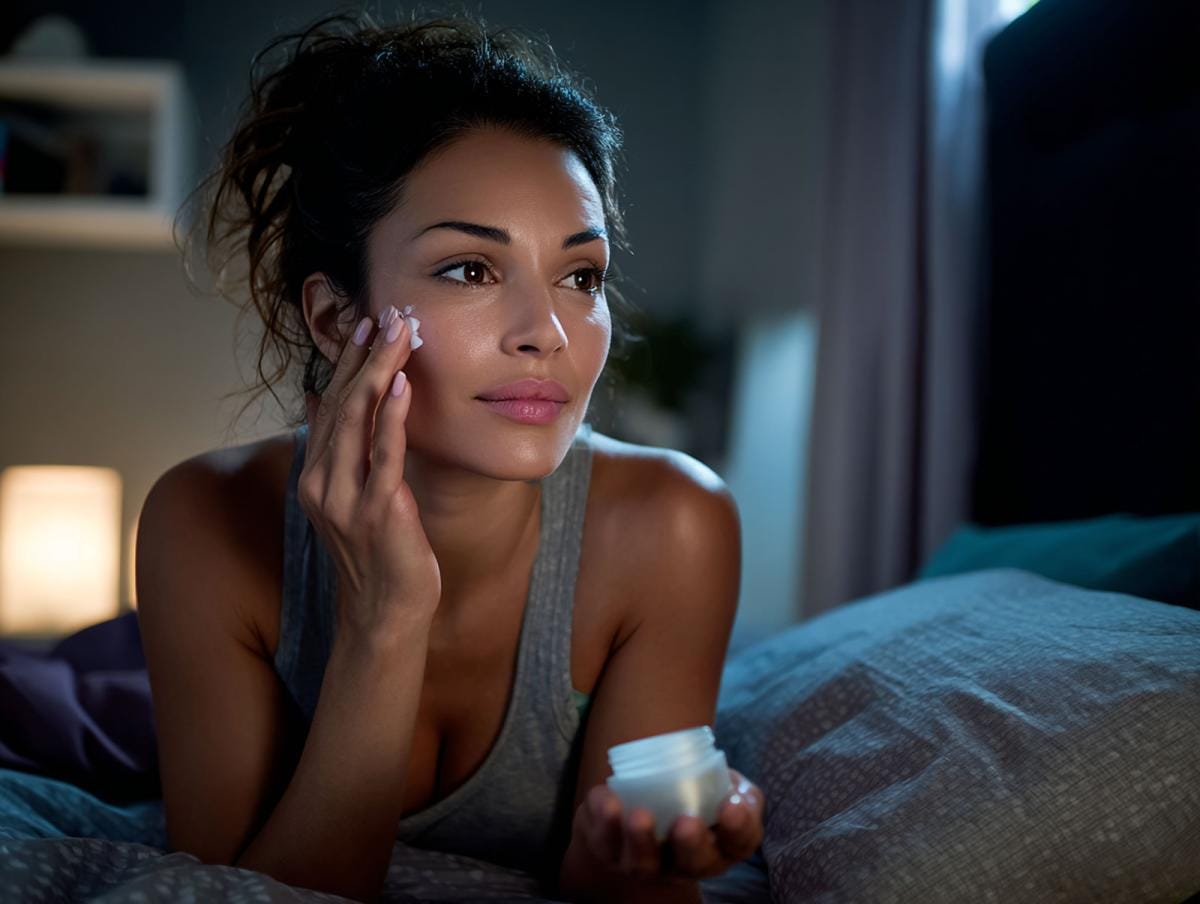
There’s a quiet shift that happens when the sun goes down. Your body enters recovery mode. Your brain powers down, your muscles relax, and beneath the surface, your skin gets to work. While you sleep, your skin isn’t resting – it’s repairing. And that’s why your nighttime skincare routine isn’t just about feeling clean before bed. It’s your best shot at supporting how your skin heals, regenerates, and strengthens overnight.
The truth is, your skin behaves differently at night than during the day. It absorbs products more effectively. It experiences higher rates of cell turnover. And it’s not fending off UV rays, pollution, or makeup. So, if you’ve ever skipped your night routine with a “what’s the harm?” shrug, this might make you reconsider.
Let’s break down what actually happens to your skin overnight – and why a thoughtful evening ritual matters more than most people realize.
What Does Your Skin Do at Night?
By day, your skin is a shield. It protects against environmental stressors, from sunlight and dirt to wind and free radicals. But once the sun sets, your skin goes into repair mode. This is when your body prioritizes internal restoration processes, including those involving your skin’s barrier, collagen, and hydration levels.
According to a study in Dermato-Endocrinology, skin cell regeneration is most active between 11 p.m. and 4 a.m. During this window, your skin cells divide and renew almost twice as fast as they do during the day. This cycle, known as the circadian rhythm, is key to how your skin responds to ingredients and damage.
Plus, skin permeability increases at night. That means it absorbs active ingredients more efficiently – both the good and the bad. Which makes what you apply at bedtime especially important.
Why Skipping Your Nighttime Routine Can Set You Back
Neglecting your nighttime skincare means missing a prime opportunity to support your skin’s repair work. It also means going to bed with the day’s grime – which can clog pores, disrupt your barrier, and accelerate aging.
Here’s what happens when you skip:
- Dirt, oil, and pollutants stay on your skin overnight, leading to inflammation or breakouts.
- Skin dries out, especially in climate-controlled environments like air-conditioned bedrooms.
- Your skin barrier doesn’t get the support it needs to recover from sun, wind, or stress.
- You miss out on the full benefits of ingredients like retinol, peptides, or hyaluronic acid that thrive in overnight conditions.
Think of it this way: Your morning routine is about defense. Your night routine is about repair. Skipping it is like going to sleep without brushing your teeth – not immediately disastrous, but definitely not a good habit.

How Night and Day Routines Should Differ
Morning skincare should focus on protection – SPF, antioxidants, and lightweight hydration to help skin stay resilient against environmental aggressors. But nighttime skincare is a completely different job.
At night, you want to:
- Thoroughly cleanse to remove makeup, sunscreen, sweat, and pollutants.
- Use repair-driven actives like retinoids, peptides, or exfoliants.
- Replenish hydration with occlusive and emollient moisturizers.
- Support the skin barrier with barrier-restoring lipids, ceramides, or calming agents like panthenol or centella asiatica.
In short, your nighttime routine should be more intensive and layered. You’re not prepping your skin for outside forces – you’re giving it the tools to do its best work while you sleep.
The Science Behind Overnight Repair
At night, your skin temperature rises slightly, which can increase transepidermal water loss (TEWL). That’s why you might wake up with dry or tight-feeling skin if you didn’t moisturize well.
Melatonin, your natural sleep hormone, also acts as an antioxidant in skin. Its levels rise at night, helping fight oxidative stress. Collagen synthesis ramps up, especially if you’re getting deep, restful sleep. And skin’s microcirculation improves – meaning better nutrient delivery and waste removal from skin cells.
This internal clock – your circadian rhythm – directly influences skin behavior. Disrupting it with poor sleep or lack of a nighttime routine can dull skin, trigger inflammation, and even delay wound healing.
What Should a Nighttime Skincare Routine Include?
There’s no one-size-fits-all routine, but here’s a general structure that works for most skin types:
1. Cleanser:
Use a gentle but effective cleanser. If you wear makeup or SPF, consider double cleansing – starting with an oil-based cleanser, then following with a water-based one to remove all residue.
2. Toner or Essence (optional):
A hydrating toner or essence can prep skin for better absorption. Look for calming, humectant-rich formulas with ingredients like glycerin, aloe, or green tea.
3. Treatment or Serum:
This is where you customize. Use actives like:
- Retinoids for anti-aging and acne
- Niacinamide for uneven tone and barrier support
- Hyaluronic acid for hydration
- Peptides for collagen support
- Exfoliants (like glycolic acid or lactic acid) 1–3 times per week
4. Moisturizer:
Seal everything in. Choose a cream suited to your skin type – thicker for dry skin, lighter for oily types. Look for ingredients like squalane, ceramides, or shea butter.
5. Optional occlusive:
If you have dry or compromised skin, a final layer of an occlusive (like petrolatum or a balm) can lock in moisture and aid recovery.
6. Spot treatments or masks:
Use as needed for targeted concerns but apply after serums and before moisturizers unless otherwise directed.
Does Sleep Quality Matter?
Absolutely. Good sleep and good skin are tightly linked. One study published in Clinical and Experimental Dermatology showed that poor sleepers had increased signs of aging, reduced skin barrier function, and slower recovery from skin stress.
Lack of sleep increases cortisol, a stress hormone that breaks down collagen and leads to inflammation. It also delays wound healing, contributes to puffiness, and can worsen conditions like eczema or acne.
So yes, even the best skincare products won’t help if you’re not getting rest.
Ingredients That Work Best at Night
Some ingredients are especially well-suited to overnight use because they work slowly or increase sensitivity to sunlight. These include:
Retinol and Retinoids:
Vitamin A derivatives that increase cell turnover and collagen. Best used at night to reduce risk of irritation and sun sensitivity.
AHAs and BHAs:
Chemical exfoliants that loosen dead skin cells. Night use prevents photosensitivity and gives your skin time to rebuild.
Peptides:
These signal your skin to produce more collagen and elastin. They’re stable and effective during overnight repair.
Niacinamide:
Supports barrier health and evens tone. Works well at night or day but shines as a calm, supportive active in PM routines.
Ceramides and Fatty Acids:
These lipids help strengthen the skin barrier, especially important during overnight repair and recovery.
Bakuchiol:
A gentler alternative to retinol that also boosts collagen and reduces fine lines without the same irritation risk.
Nighttime Skincare for Different Skin Types
Oily or Acne-Prone Skin:
Don’t fear moisturizing. Use non-comedogenic, lightweight hydrators. Retinoids can help control oil and prevent breakouts. Look for ingredients like salicylic acid, tea tree, or niacinamide.
Dry or Sensitive Skin:
Focus on barrier support. Skip harsh actives and layer hydrating, soothing products. Ingredients like panthenol, colloidal oatmeal, or beta-glucan can help.
Combination Skin:
Balance is key. You might need different products for different zones. Use exfoliants sparingly and adjust based on how your skin feels.
Mature Skin:
Lean into retinoids, peptides, and rich moisturizers. Consider overnight masks with collagen-supportive ingredients and antioxidants.
What About Skin Cycling?
Skin cycling – alternating product types across nights – is a smart approach to avoid overdoing actives. A typical cycle might look like:
- Night 1: Exfoliation (AHA or BHA)
- Night 2: Retinol
- Night 3: Recovery (hydration + barrier repair)
- Night 4: Recovery (hydration + barrier repair)
This gives your skin time to rebuild while still benefiting from high-powered ingredients. It’s especially helpful if you’re prone to irritation or new to actives.
Common Nighttime Skincare Mistakes
Even well-meaning routines can go sideways. Here are a few missteps to avoid:
- Skipping cleanser: Even if you didn’t wear makeup, your skin collected oil, pollution, and sweat during the day.
- Using the wrong actives together: For example, mixing retinol with strong acids can overwhelm your skin. Layer smartly or cycle products.
- Neglecting hydration: Many people skip moisturizer, assuming serums are enough. But your skin still needs a barrier to retain moisture.
- Over-exfoliating: Too much exfoliation weakens your barrier and causes inflammation. Use acids no more than 2–3 times per week unless directed otherwise.
The Role of Mindset and Ritual
Nighttime skincare can also be about more than your skin. It’s a moment of transition – a way to signal your body that it’s time to rest. Taking five or ten minutes to slow down, massage your face, and tune in to how your skin feels can become a small but grounding ritual.
Many people find the act of applying products before bed calming. It’s one of the few times in the day we touch our faces with intention and care. And there’s value in that, too.
Is It Ever Too Late to Start a Nighttime Routine?
Not at all. Skin has an impressive ability to recover if you give it the right support. Within a few weeks of consistent care, you’ll likely notice smoother texture, better hydration, and improved radiance.
Start simple: cleanse, moisturize, and add one active product that suits your skin’s needs. Once you’ve built the habit, you can expand.
FAQs
Should I use different products at night vs. day?
Yes. Your skin’s needs shift from protection to repair at night. Use richer textures and ingredients like retinol, peptides, and exfoliants in your PM routine.
Is it bad to use actives every night?
Depends on the active and your skin’s tolerance. Retinol or acids can be irritating if used too often. Consider skin cycling or alternating with recovery nights.
What’s the best time to apply nighttime skincare?
Ideally 30 minutes before bed, so products can absorb before your face hits the pillow.
Can sleep position affect my skin?
Yes. Side and stomach sleepers may develop lines or creases. Using a silk pillowcase or sleeping on your back can help reduce friction.
Do I really need a separate night cream?
Not always. The key is hydration and barrier support. If your daytime moisturizer is rich and doesn’t contain SPF, it may work at night too.