
May
Skincare, Trends & Opinions, Wellness
The Best Facial Exercises for Anti-Aging – What Evidence Says and How to Do Them
If you click on links we provide, we may receive compensation.
The idea of exercising your face to reduce signs of aging has been around for decades, oscillating between mainstream enthusiasm and professional skepticism. The truth sits somewhere in the middle. Facial exercises are not a replacement for dermatological treatment, and they will not reverse structural collagen loss. But a small but growing body of research suggests they do produce measurable changes in facial appearance over time – specifically by increasing the volume and tone of the underlying facial muscles, which counteracts some of the sagging and hollowing associated with age. That is a more modest claim than most facial fitness programs make, and it is more accurate.
A 2018 study from Northwestern University, published in JAMA Dermatology, found that a 20-week program of facial exercises produced significant improvements in upper and lower cheek fullness, making participants appear younger on average by three years as rated by blinded dermatologist evaluators. This is one of the strongest controlled studies on the topic and it provides a credible foundation for taking facial exercise seriously – while also illustrating that results take months of consistent practice, not days.
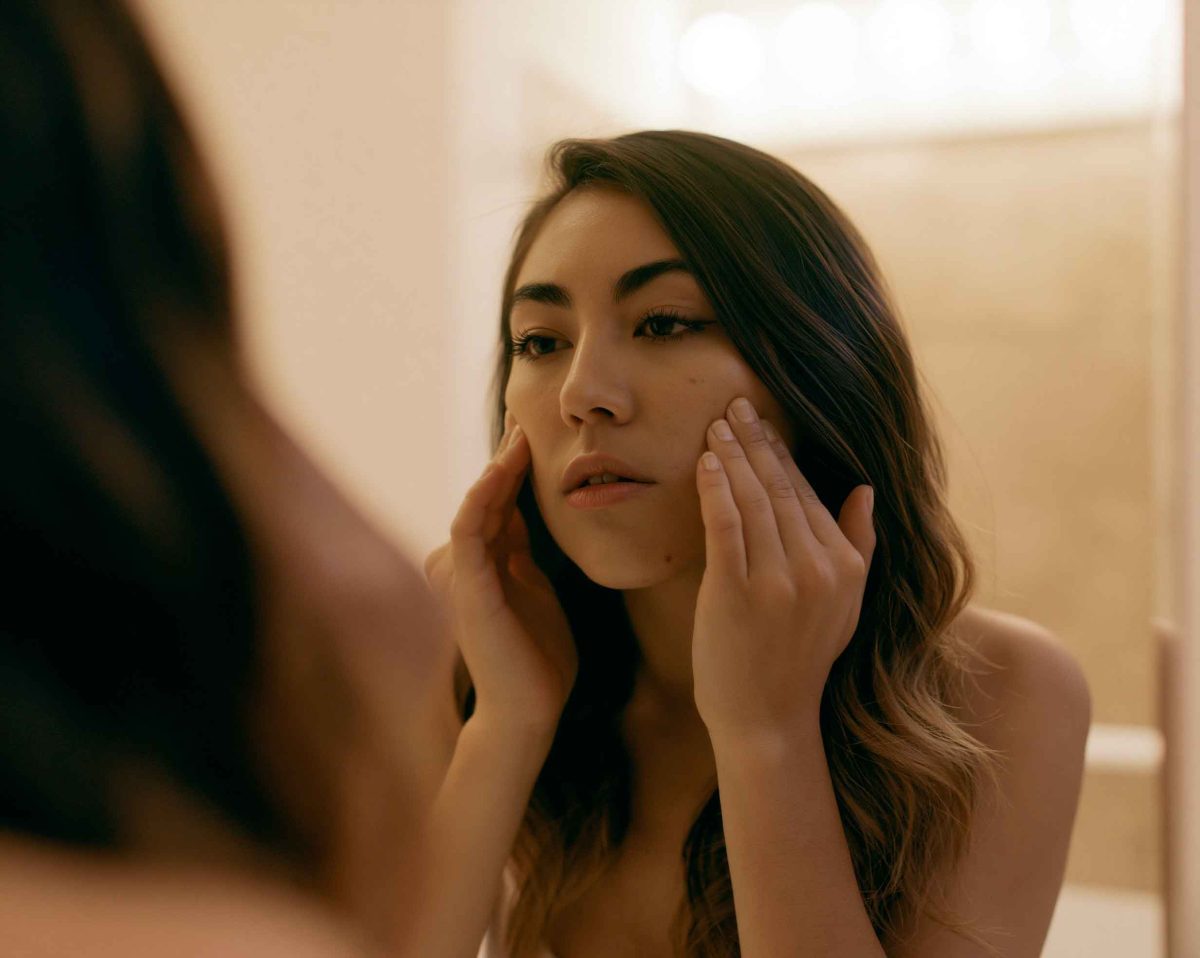
How do facial exercises work to reduce visible aging?
The mechanism is different from what most people assume. Facial exercises do not tighten loose skin directly. Loose skin results from collagen loss in the dermis and reduced structural support – processes that exercise cannot reverse. What facial exercises do is enlarge the underlying muscles. Facial muscles attach directly to the skin (unlike body muscles, which attach to bones), so when facial muscles increase in size and tone, they push outward against the skin from below. This creates a filling effect that reduces the appearance of sagging and restores some of the three-dimensional fullness that is lost with age.
This mechanism is particularly relevant for areas where volume loss is a primary aging change – the cheeks, the area around the eyes, and the jawline. As the buccinator and zygomaticus muscles enlarge with exercise, the cheeks appear fuller. As the muscles around the eyes develop, the eye area looks less sunken. This is the basis for the improvements documented in the Northwestern study, and it explains why the effects target mid-face fullness specifically.
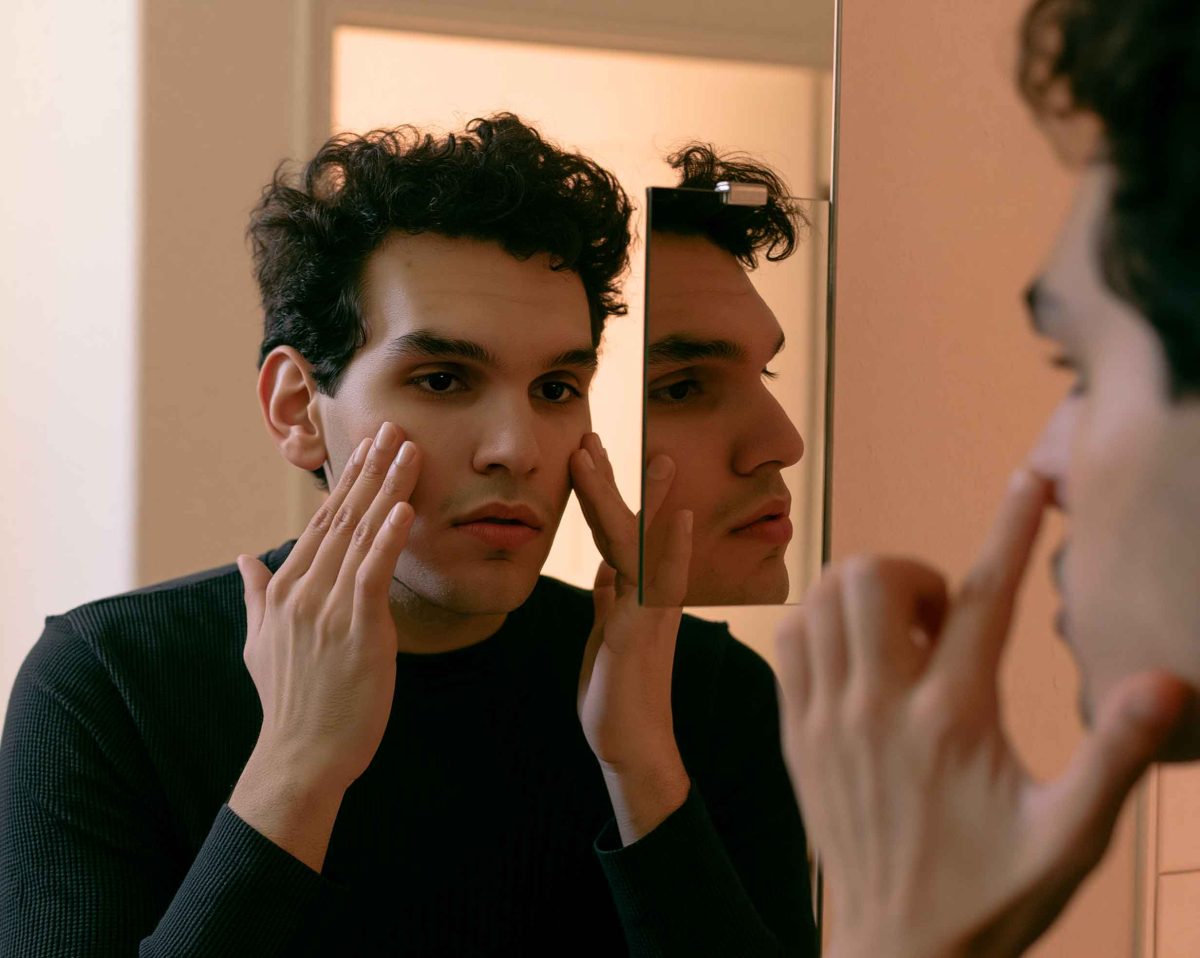
What do the most effective facial exercises look like?
The exercises with the strongest support are those targeting the mid-face – the area where volume loss is most visible and where muscle enlargement has the most visual impact. The “cheek lifter” involves opening the mouth into an O shape, folding the upper lip over the upper teeth, smiling with the upper cheeks while placing fingers lightly on the cheeks to feel the muscles lift, holding for several seconds, and repeating ten times. This directly targets the muscles of the mid-cheek region.
The “forehead smoother” involves placing both hands on the forehead with fingers spread, gently pulling outward while simultaneously trying to furrow the brow against the resistance. This strengthens the frontalis muscle and may help maintain forehead lift over time. Done gently and correctly, it provides resistance training for the forehead muscle without the skin-dragging that causes wrinkles from aggressive facial movement. Resistance – pressing lightly against the motion of the muscle – is what creates the strengthening stimulus, similar to how weights provide resistance in body training.
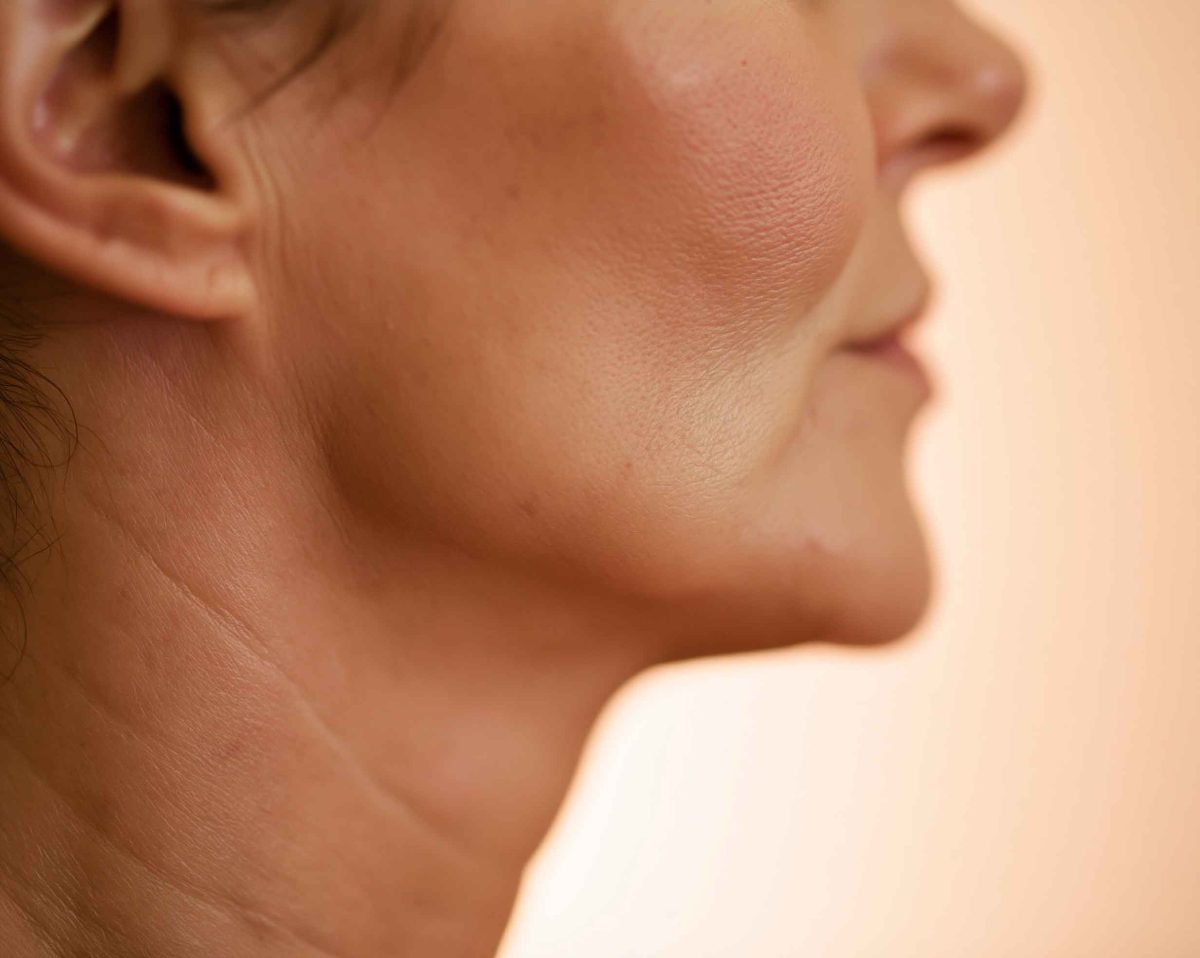
The “jaw and neck toner” involves tilting the head back slightly, pressing the tongue to the roof of the mouth, and smiling. This activates the platysma muscle in the neck and the muscles along the jawline. Held for 20 to 30 seconds and repeated five times, this exercise targets the area where jawline definition tends to blur with age. The neck is often overlooked in both facial exercise and topical skincare, despite being one of the earliest areas to show visible aging.


How long does it take to see results from facial exercises?
The Northwestern study used a 20-week program with exercises practiced for 30 minutes daily for the first eight weeks, then dropping to every other day for the remaining twelve weeks. This intensity level is what produced the three-year age reduction finding. Most people who report disappointing results from facial exercises are doing them for a few weeks at low consistency. The muscle enlargement and tone changes that produce visible results are gradual processes. As with any resistance training, meaningful change requires months of commitment.
A more realistic and sustainable schedule for most people is ten to fifteen minutes of facial exercises three to four times per week. At this frequency, results are more gradual than the study protocol but still meaningful over several months. Photographing the face in the same lighting and angle at the start and at three-month intervals is the best way to objectively assess change, since gradual improvement is difficult to perceive when looking in the mirror daily.
What should be avoided during facial exercises?
The most important caution is skin dragging. Any exercise that involves pulling or tugging on the skin surface – rather than activating the underlying muscle while the skin rests on top – can create repetitive creasing that worsens rather than improves wrinkles. Exercises should be done on clean skin with enough hydration or facial oil to allow some slip, and the motion should come from muscle activation rather than skin manipulation. If the skin is being pulled, twisted, or pinched during the exercise, the technique needs adjustment.
Aggressive facial expressions held repeatedly – vigorous frowning, forceful squinting – can deepen expression lines rather than reducing them. The exercises most supported by evidence involve gentle, sustained muscle engagement rather than exaggerated expressions. People who do dramatic repetitive expressions as facial exercises and then wonder why their wrinkles are getting worse are often experiencing exactly what you would expect from training the muscles responsible for those expressions.
How do facial exercises fit with other anti-aging approaches?
Facial exercises work best as a complement to, not a replacement for, other anti-aging practices. Retinoids address collagen production and cell turnover. Sunscreen prevents ongoing UV damage. Hydration maintains barrier function and surface plumpness. Professional treatments address structural changes and pigmentation. Facial exercises address the muscular component – which is real but is one piece of the picture.
For people who are interested in non-invasive approaches and who are willing to invest consistent time, facial exercises are a worthwhile addition. They are free, require no equipment, and have no adverse effects when done correctly. The time investment is the primary cost. And the results – real if modest – are produced by the body’s own biology rather than external intervention. For people in their 50s, 60s, and 70s who want to maintain facial volume without procedures, this makes facial exercise a genuinely relevant tool in a broader approach.

Frequently Asked Questions
Do facial exercises cause more wrinkles?
Done incorrectly – with skin dragging or exaggerated expressions that crease the skin repeatedly – some exercises can deepen expression lines. Done with proper technique, focusing on muscle engagement rather than skin manipulation, they do not worsen wrinkles and may improve overall facial tone.
Are there specific exercises for the neck and jawline?
Yes. Neck exercises including the tongue-to-palate tilt and the chin-lift stretch specifically target the platysma and submental muscles that define the jawline and neck contour. These areas respond well to exercise given how significant age-related muscle laxity is in this region.
Can facial exercises replace Botox or fillers?
No. Botox addresses dynamic wrinkles caused by muscle contraction. Fillers address volume loss with immediate structural effect. Facial exercises produce gradual muscle enlargement that addresses some volume loss over months. These are different mechanisms serving different roles.
How do you know if facial exercises are working?
Compare photographs taken in the same lighting and angle at three-month intervals. Because change is gradual, daily mirror assessments are unreliable. Most people who practice consistently for three months see measurable differences in photographs even when they cannot perceive daily change.
Are there professional programs or guides worth following?
The protocol used in the Northwestern University study is publicly available and is a credible starting point. Additionally, facial yoga instructors trained in anatomy-based approaches provide structured guidance. Avoiding programs that promise rapid or dramatic results from brief practice is good general guidance.
Related Posts