Jul
Beauty, Skincare, Trends & Opinions, Wellness
What Rubbing Minerals on Your Skin Actually Does
If you click on links we provide, we may receive compensation.
Over 30% of all skincare products launched globally in 2023 included a mineral ingredient in their marketing, according to Mintel industry trend data. Magnesium sprays promise everything from better sleep to clearer skin. Dead Sea mud masks claim ancient healing powers. Zinc is in every acne cream. Copper peptide serums have become the darling of the anti-aging aisle. But here is the question the beauty industry would rather you not ask: when you rub a mineral onto your skin, does it actually do anything – or are you just exfoliating with expensive dirt? The answer is genuinely interesting, and it varies wildly depending on which mineral you are talking about.
Can Your Skin Actually Absorb Minerals?
The skin’s entire job is to keep the outside world out. Its outermost layer – the stratum corneum – is a tightly packed arrangement of dead skin cells and lipids that blocks most substances from penetrating to the layers below. Water-soluble compounds like mineral salts face significant resistance crossing this barrier. Small, lipid-soluble molecules have an easier time, but even then, how much gets through depends heavily on the formulation, the delivery vehicle, the concentration, and the condition of the skin itself. Dry, cracked, or inflamed skin absorbs more than healthy intact skin does – which is not something you will often see on a label.
Transdermal mineral absorption is real; it just requires context to mean anything. A 2017 review published in Nutrients (PMC5579607) confirmed that minerals can cross the stratum corneum under certain conditions – particularly when formulated to enhance penetration or when the skin barrier is compromised. The useful question is not whether minerals can be absorbed at all, but whether the amounts absorbed from a typical product are sufficient to produce the claimed effect. For some minerals and some applications, the answer is clearly yes. For others, the marketing has moved considerably ahead of the data.
Why Is Zinc the Most Well-Studied Mineral in Skincare?
Zinc earns its place at the top of the evidence pile. It has documented antibacterial activity against Cutibacterium acnes – the bacterium most responsible for inflammatory acne – and anti-inflammatory properties that reduce the cytokine activity that makes breakouts red and swollen. Zinc gluconate has been shown in clinical studies to reduce sebaceous gland activity, which means it genuinely affects how much oil the skin produces. Topical zinc sulfate at 5% concentration demonstrated efficacy in mild to moderate acne in controlled trials. That is pharmaceutical-grade evidence, not marketing claims.
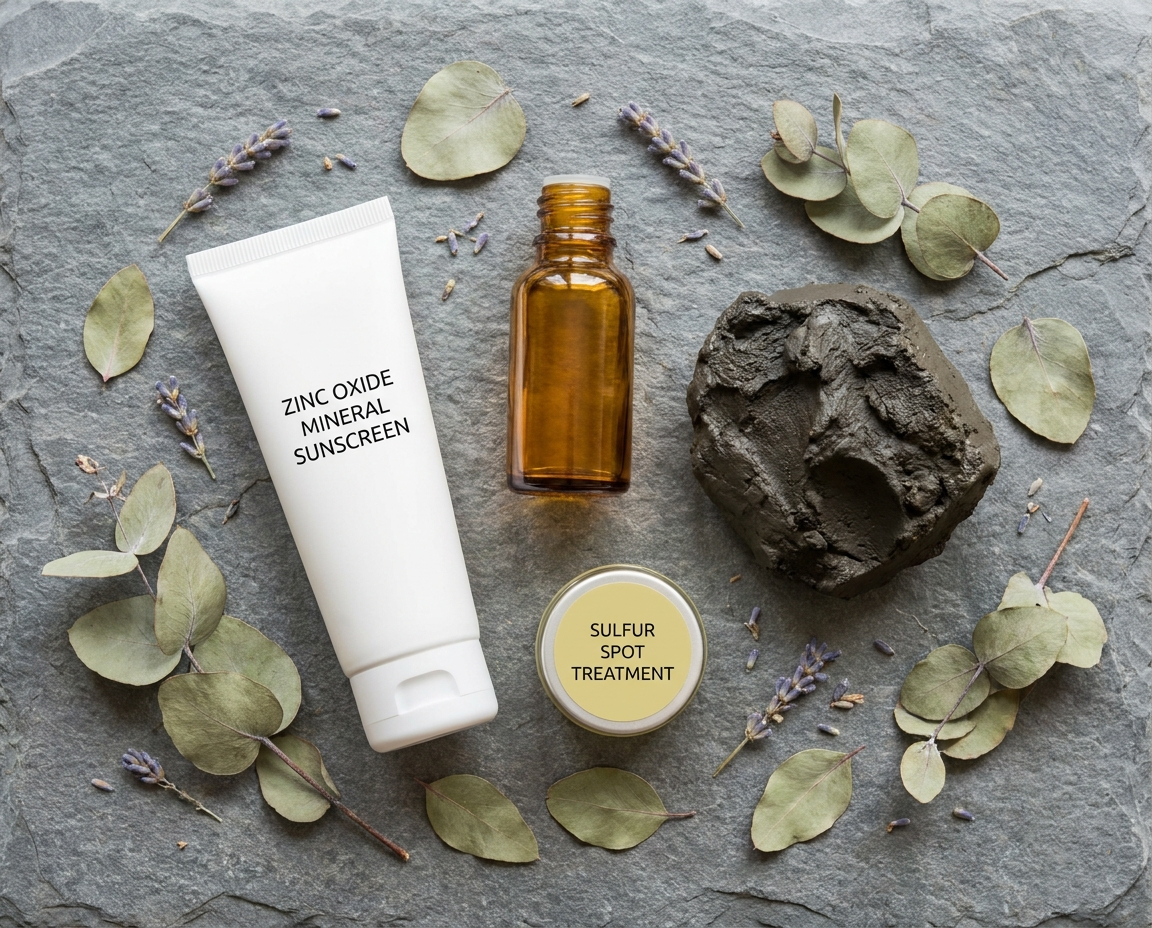
Zinc’s wound-healing properties are equally well-documented. It plays a critical role in keratinocyte migration, collagen synthesis, and the inflammatory signaling cascade that governs how skin repairs itself after injury or irritation. As a sunscreen active in the form of zinc oxide, it provides excellent broad-spectrum UV protection by sitting on the skin surface and scattering or absorbing both UVA and UVB radiation. Zinc oxide is one of only two active sunscreen ingredients the FDA currently recognizes as safe and effective without restriction. And recent research published in PMC12467087 found zinc oxide nanoparticles showing promise in acne treatment as well, extending zinc’s already strong credentials. The case for zinc is as solid as skincare gets.
Is Magnesium Spray Actually Worth the Hype?
Magnesium is everywhere right now – in sprays, bath flakes, body oils, and serums – and the enthusiasm is not entirely unfounded, but it has moved well ahead of the evidence. Magnesium participates in over 300 enzymatic reactions in the body and plays a documented role in skin barrier function and inflammation regulation. Deficiency in magnesium is associated with increased inflammatory signaling, which does affect the skin. The genuine question is whether applying magnesium topically delivers enough of the mineral to produce meaningful change – in the skin, let alone systemically.
The most credible evidence comes from bathing research, not spray research. A landmark 2005 study by Proksch et al., published in the International Journal of Dermatology, enrolled 30 patients with atopic dry skin and found that bathing in a magnesium-rich Dead Sea salt solution for six weeks produced measurable improvements across three objective parameters: reduced transepidermal water loss indicating improved barrier function, increased stratum corneum hydration, and reduced skin redness and roughness. The full citation is at pubmed.ncbi.nlm.nih.gov/15689218/. This is genuine clinical evidence. The mechanism involves magnesium’s ability to bind water, modulate epidermal immune response, and inhibit the antigen-presenting function of Langerhans cells – the immune cells in the outer skin layer.
Magnesium sprays applied briefly to dry skin and wiped off are a different matter. The 2017 Nutrients review concluded that transdermal magnesium delivery from simple aqueous solutions is unlikely to produce meaningful systemic effects under normal physiological conditions, because the stratum corneum limits ion flux so effectively. The claims that magnesium sprays improve sleep or reduce muscle cramping rely on systemic absorption at a level topical products probably do not deliver. For skin specifically – hydration, barrier repair, surface inflammation – a longer and wetter contact time appears to matter. That is great news for bath soaks. It is less impressive news for a quick spray.

Does Sulfur Deserve a Bigger Place in Modern Skincare?
Sulfur is one of the oldest skincare actives in recorded history – used in ancient Roman and Greek medicine, present in the volcanic hot springs people have bathed in for millennia, and still prescribed by dermatologists today. Its mechanisms are well understood and genuinely useful. Sulfur is keratolytic, meaning it breaks down the protein bonds in dead skin cells and helps to unclog pores. It is antibacterial and antifungal, effective against C. acnes and the Malassezia yeast associated with seborrheic dermatitis and fungal acne. Its anti-inflammatory properties make it a useful treatment for rosacea, and the National Rosacea Society recognizes sulfur as one of the few topically effective agents for that condition. A 2025 narrative review in the Journal of Cosmetic Dermatology (PMC12355337) confirmed sulfur’s continued therapeutic relevance across acne, rosacea, seborrheic dermatitis, dandruff, and pityriasis versicolor.
Why does sulfur fly under the radar compared to newer actives? Partly because it lacks the buzz of a recent discovery – sulfur has been around too long to feel exciting or premium. Partly because the smell, even in well-formulated products, is distinctive and not always pleasant at higher concentrations. But for anyone dealing with stubborn comedonal acne, persistent rosacea flares, or recurring seborrheic dermatitis, sulfur-based products are a seriously effective and undervalued tool. Products like Sunday Riley Saturn, Kate Somerville EradiKate, and the very affordable De La Cruz Sulfur Ointment bring real chemistry to a real problem.
What Makes Copper Peptides Different From the Rest?
Copper peptides – specifically GHK-Cu, a small tripeptide that binds and delivers copper ions into the skin – represent one of the most thoroughly researched anti-aging skincare categories of the past three decades. Copper is structurally essential to collagen and elastin synthesis; without copper-dependent enzymes, the cross-linking that gives skin its firmness and elasticity cannot occur properly. GHK-Cu has been studied extensively in peer-reviewed clinical settings, and the results are meaningful rather than marginal. In a 21-person clinical trial, daily application of a GHK-Cu formulation produced an average 28% increase in collagen after three months, with the top quartile of participants showing a 51% increase – those numbers were published via EurekAlert in coverage of epigenetic mechanisms activated by GHK-Cu at eurekalert.org/news-releases/990464.
Multiple peer-reviewed studies show that GHK-Cu stimulates fibroblast activity, increases production of collagen, elastin, glycosaminoglycans, and tissue inhibitors of metalloproteinases – the enzymes responsible for breaking collagen down. It also has antioxidant and anti-inflammatory effects that add to its usefulness in an aging-skin routine. One practical note that matters: copper peptides should not be layered directly with vitamin C or strong acids in the same routine application. Copper ions can oxidize ascorbic acid, reducing the efficacy of both ingredients. Use copper peptides at a different time of day – typically morning vitamin C, evening copper peptide serum – and they work well. Products from The Ordinary, NIOD, and Neutrogena’s copper peptide line all contain GHK-Cu in clinically relevant formulations.
What About the Other Minerals Making Their Way Into Skincare?
Iron oxides deserve considerably more attention than they typically receive in skincare conversations. In tinted sunscreens and tinted moisturizers, iron oxide pigments provide something clear sunscreens simply cannot: absorption of visible and high-energy visible light in the 400-700nm range, the part of the spectrum that standard UV filters leave uncovered. This matters greatly for hyperpigmentation, because melanocytes express Opsin-3, a photoreceptor that responds to blue light and triggers melanin production even when UV radiation is fully blocked. A prospective randomized study published in PMC12475913 found that tinted sunscreen containing iron oxides produced greater reductions in Melasma Area and Severity Index scores than an untinted broad-spectrum sunscreen – 75% versus 60% improvement. For anyone managing melasma or post-inflammatory hyperpigmentation, the tinted-versus-clear SPF choice has real consequences.
Selenium, in the form of selenomethionine, has genuine antioxidant biology behind it – it is an essential component of glutathione peroxidase, one of the body’s key enzyme systems for neutralizing oxidative damage. Early studies suggest selenomethionine applied topically may offer some photoprotective effects by reducing UV-induced oxidative stress. The evidence for standalone topical selenium products is still emerging, but the biological rationale is solid. Colloidal gold and platinum, on the other hand, are largely marketing plays. Gold has mild anti-inflammatory properties but no strong clinical evidence for meaningful anti-aging effect at the concentrations used in cosmetics. You are primarily paying for the association with luxury, not the performance.
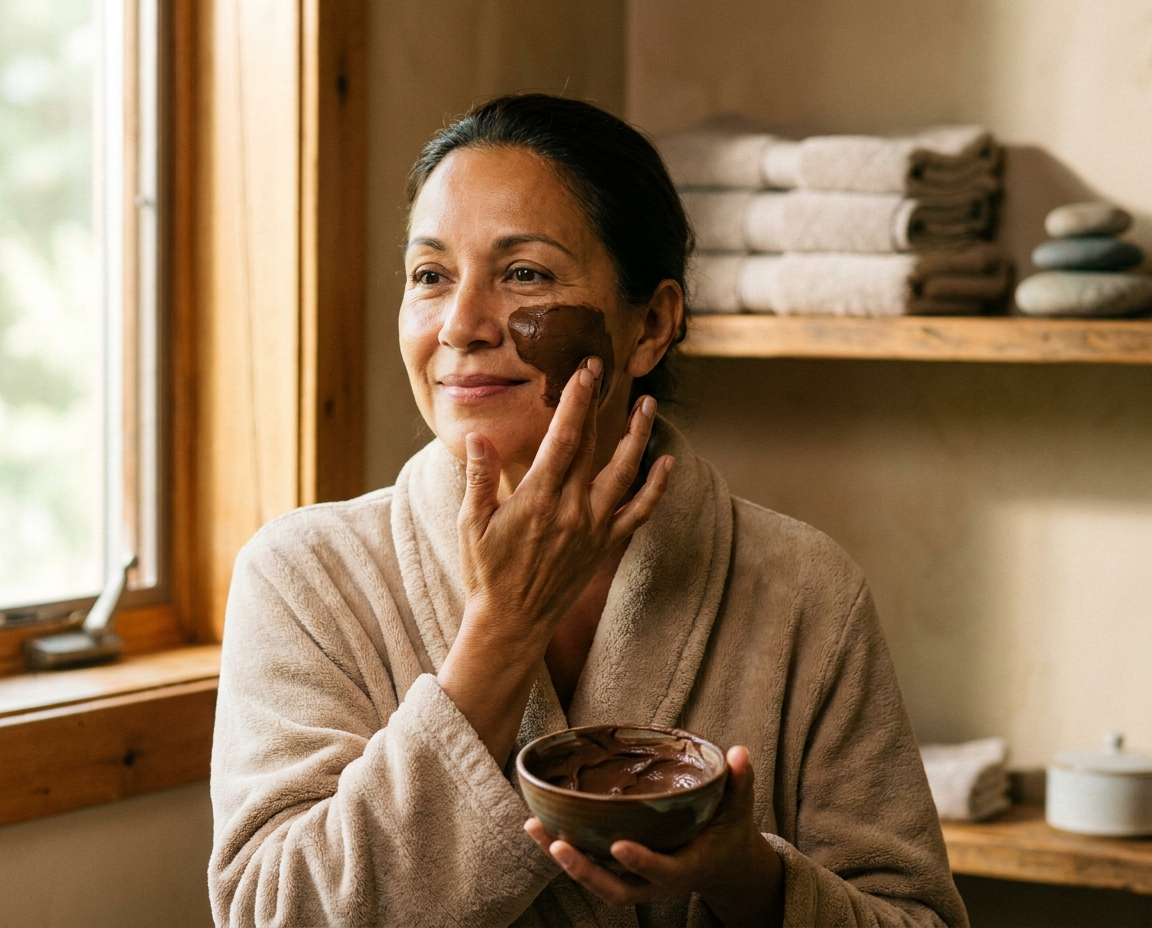
Dead Sea minerals as a category occupy a special position because the research base is legitimate and longstanding. Dead Sea water contains magnesium at roughly 36 times the concentration of standard ocean water, along with calcium, potassium, and bromide in proportions not found anywhere else on earth. Dermatological studies on psoriasis patients completing four-week Dead Sea bathing programs have shown up to 88% average improvement in PASI (Psoriasis Area and Severity Index) scores – Hodak et al. (2003) documented this in clinical settings. AHAVA is the standout product brand here, drawing directly on certified Dead Sea mineral sources. The Dead Sea mud mask tradition is not just ancient folklore. It has a clinical evidence base that is unusual for a natural skincare ingredient category.
Which Minerals Matter Most If You Are Over 50?

The mineral skincare story becomes especially relevant for women in their 50s and beyond, because several of the best-evidenced minerals directly address the challenges post-menopausal skin faces. Collagen production declines by roughly 30% in the first five years after menopause, according to research cited by the American Academy of Dermatology. Copper peptides – GHK-Cu specifically – are as close to a targeted solution as topical skincare gets for that particular problem, stimulating the fibroblast activity that makes new collagen and elastin. At this stage of life, a copper peptide serum is not a luxury; it is the mineral doing the job your skin can no longer do as easily on its own.
Zinc’s wound-healing and barrier-supporting properties become more important as skin heals more slowly with age. Post-menopausal skin also tends toward increased permeability – the barrier is more compromised than it was in earlier decades – which actually means mineral absorption may be modestly better, and the case for mineral-rich soaks for body skin (rough hands, dry feet, cracked elbows) becomes stronger. Magnesium chloride flake baths address the kind of chronic dryness and surface inflammation that post-menopausal skin is particularly prone to, and the bathing evidence applies here. And iron oxide in a tinted SPF is arguably most important for this demographic – melasma and sun-induced hyperpigmentation are among the most common concerns at 50+, and the evidence that iron oxides add meaningful protection against visible-light-triggered pigmentation is clinically relevant at every age.
Should You Swallow Minerals or Apply Them?

For some minerals, systemic delivery via diet or supplements makes more biological sense than topical application. Zinc supplementation has clinical evidence for acne treatment comparable to some topical antibiotics – when zinc levels are low systemically, topical zinc alone will not fully compensate, because the skin cells that need it receive it via the bloodstream. Magnesium is difficult to absorb in meaningful amounts through most topical products, and oral supplementation is the more reliable route to achieving systemic sufficiency. Selenium bioavailability from food and supplements is far higher than from topical application; anyone interested in selenium’s skin-protective effects is better served by dietary sources like Brazil nuts.
That said, topical delivery is exactly right for several applications because the mineral needs to work at a specific local site. Zinc oxide as a UV filter must sit on the skin surface – that is precisely how it works. Sulfur needs to be in contact with the bacteria and fungi in and around the hair follicle. Copper peptides work by stimulating fibroblasts in the dermis, and peptides are structurally small enough to penetrate the stratum corneum more effectively than simple mineral ions. The two approaches are not competitors. A smart mineral strategy uses both – oral zinc or magnesium for systemic support, topical copper peptides and zinc oxide for site-specific effect. The answer to oral-versus-topical is not one or the other. It is knowing what each is actually for.
FAQs
Is magnesium spray actually absorbed through the skin?
The evidence here is genuinely mixed, and that is worth knowing. A 2017 review in Nutrients (PMC5579607) found that transdermal magnesium delivery from aqueous solutions is limited under normal skin conditions. However, bathing studies using Dead Sea salt – which has a much higher magnesium concentration than typical sprays – do show measurable improvements in skin hydration and barrier function after sustained exposure. If you want to use magnesium for skin benefit specifically, a bath or prolonged foot soak in magnesium chloride flakes has better supporting evidence than a spray applied briefly to dry skin.
Can mineral water or swimming in the ocean improve skin?
In a limited but real way, yes. The Proksch bathing study used a Dead Sea salt solution with magnesium content roughly 36 times higher than regular seawater, so a quick ocean swim does not replicate those conditions. But prolonged contact with water rich in calcium, magnesium, and potassium does affect the skin’s ionic environment and surface hydration. It is not a substitute for moisturizer, but there is biological plausibility to the tradition of therapeutic mineral bathing that goes beyond placebo.
What is the best mineral for anti-aging skincare?
Copper peptides – specifically GHK-Cu – have the strongest anti-aging evidence base of any mineral-based skincare ingredient, with multiple clinical trials showing measurable increases in collagen density. Zinc is a strong second for its roles in collagen synthesis, wound healing, and UV protection via zinc oxide sunscreen. If you are adding one mineral-forward product to an anti-aging routine, a copper peptide serum is the place to start. Use it in the evening, separate from vitamin C.
Is Dead Sea mud actually good for skin?
Yes, with the qualification that the strongest research involves bathing or soaking rather than brief mask applications. Dead Sea water has magnesium at roughly 36 times the concentration of standard ocean water, along with other minerals in unique proportions. Studies on psoriasis patients undergoing four-week Dead Sea bathing programs have shown up to 88% improvement in PASI scores (Hodak et al., 2003). For inflammatory skin conditions – psoriasis, eczema, seborrheic dermatitis – the evidence is legitimate. Dead Sea mud masks used briefly on normal skin will offer some benefit, but the therapeutic depth is smaller than what the bathing research shows.
Should I take mineral supplements for better skin, or just use topical products?
Both, used strategically. Zinc supplementation has clinical evidence for acne that rivals some prescription treatments – if your zinc levels are low, topical zinc alone will not fully compensate. Magnesium is difficult to absorb adequately through the skin from most available products, so oral magnesium is the more reliable path to systemic benefits. For locally acting effects – zinc oxide as UV filter, sulfur against acne bacteria, copper peptides for collagen stimulation – topical application is exactly the right delivery method because the mineral needs to work at a specific site. The two approaches are complementary, not competing.
Mineral skincare is not a category to dismiss wholesale or to accept on faith. Zinc, copper peptides, sulfur, and iron oxide each have genuine scientific support for their specific topical applications. Magnesium shows real promise in certain delivery formats – particularly prolonged soaks – but the broader hype has moved faster than the data supports. Dead Sea minerals have a legitimate therapeutic tradition with clinical research behind it. The luxury minerals are mostly paying for prestige. The most useful thing you can do with all of this is match the mineral to the mechanism – choose formats that fit the evidence, skip the expensive products built on weak biological claims, and know that the best mineral skincare has decades of real research behind it. That is a longer thought than most product labels have room for, but it is the one that actually helps your skin.
Related Posts