Jun
If you click on links we provide, we may receive compensation.
Between 45 and 83 percent of Black men who shave regularly develop pseudofolliculitis barbae – the clinical term for razor bumps and ingrown hairs – according to research published in the Journal of the American Board of Family Medicine. But ingrown hairs and razor burn don’t only belong to one demographic. Any man with coarse, curly, or thick facial hair is at risk, and the wrong razor or technique can turn a quick morning routine into a week of inflammation and frustration. The good news is that most of this is preventable. A few smart adjustments – to your prep, your tools, and what you apply afterward – can make a measurable difference, and the science behind why they work is worth knowing.
What Is Actually Happening to Your Skin When You Shave?
Razor burn and ingrown hairs look similar at first glance – red, irritated, bumpy skin that shows up in the hours after shaving – but they have different causes and call for different fixes. Razor burn is surface-level irritation from friction, dryness, or a dull blade scraping across skin that wasn’t properly prepped. It usually fades within a day or two with no real intervention required. Ingrown hairs are a different story entirely. When a hair is cut at a sharp angle – which is exactly what any razor does – the tip becomes pointed. If that hair is naturally curly or coarse, it can curl back toward the skin, pierce the follicle wall or the skin surface, and trigger an immune response. Your body sees that pointed hair shaft as a foreign invader and sends in inflammatory cells, producing the red, sometimes painful bumps known clinically as pseudofolliculitis barbae, or PFB. Keratin buildup – the same protein that makes up the outer layer of skin – can also clog follicle openings and block the hair’s path out, pushing it sideways into surrounding tissue instead of letting it exit cleanly.
The biology goes a bit deeper. Curly hair has an asymmetrical follicle shape, which means the hair exits the skin at an angle rather than growing straight up. After a close shave, the sharp tip retracts just below the skin surface and finds the path of least resistance – often back into the dermis itself. Research has identified a variation in the KRT75 gene, which codes for a keratin protein in the hair follicle, as a factor that increases individual susceptibility to PFB (https://emedicine.medscape.com/article/1071251-overview). Multi-blade cartridge razors make the problem worse by design: they’re engineered to lift the hair slightly before cutting, which means the hair is severed below the skin line, shortening the distance it needs to travel before re-entering the follicle. Dull blades add more tugging and tearing with every pass, which increases inflammation at the follicle opening. This combination – sharp cut angles, short hair lengths, and mechanical follicle trauma – is a near-perfect recipe for ingrown hairs.

Does Pre-Shave Prep Actually Matter?
Yes, and more than most men realize. Shaving dry skin or doing a cold-water rinse before putting a blade to your face is one of the most reliable ways to guarantee irritation. The goal of pre-shave prep is to hydrate both the skin and the hair shaft, open follicle openings, and remove the dead-cell buildup that can trap hairs before they ever break the surface on their own. The basic version takes about two minutes and pays dividends for days afterward. It is easy to skip when you’re in a hurry, and easy to see the difference when you do.
Start with a gentle cleanse. Washing your face before you shave removes oils, bacteria, and environmental debris that would otherwise get dragged across the skin with every razor stroke. A mild, non-stripping cleanser is all you need – nothing harsh that would compromise the skin barrier you’re about to put through its paces. Next, exfoliate two to three times a week. A chemical exfoliant with salicylic acid (a beta-hydroxy acid, or BHA) works especially well for shaving prep because it’s oil-soluble: it penetrates into the follicle and helps dissolve the keratin buildup that traps hairs before they can exit. Glycolic acid (an alpha-hydroxy acid, or AHA) works on the surface, loosening dead skin cells so they lift away rather than pack into pores and create blockages. After exfoliating, soften the beard. Two to three minutes of warm water contact – or shaving right after a shower – swells the hair shaft significantly, making it much easier to cut cleanly without tugging (https://www.dermatologistschoice.com/blogs/news/say-goodbye-to-shaving-bumps-with-glycolic-acid). Some men find that a warm, damp towel pressed against the face for a minute before applying shaving product makes a real difference. This step alone can reduce the pulling sensation that contributes to follicle trauma.
What Is the Right Way to Actually Move the Razor?
Technique is where most men develop bad habits that are genuinely hard to unlearn. The most important rule is also the least popular: shave with the grain, not against it. Shaving against the direction of hair growth gives a closer shave in the moment, but it also cuts hairs at a more acute angle and forces the blade to work against the follicle, increasing the likelihood that sharp-tipped hairs will curl back into the skin. Mapping your grain is straightforward – run a finger across your beard in different directions and notice where resistance is least. That’s your grain direction. For most men it runs downward on the cheeks and horizontally on the neck, but individual variation is real, and it is worth figuring out your own pattern rather than assuming the standard one applies.
Pressure is the other major culprit in post-shave irritation. A sharp, quality blade does not need to be pressed into the skin to work – it glides. If you’re pressing hard enough to see the blade flex or feel the skin stretching under it, you’re applying too much pressure and creating micro-abrasions with every pass. Single-pass shaving – going over each area once rather than repeatedly – is gentler and reduces cumulative follicle trauma. If you want a closer result, do a second pass with the grain rather than crossing against it. And replace blades more often than you think necessary. A blade used more than five to seven times has lost enough of its edge to start dragging rather than cutting cleanly, which is exactly where the friction and inflammation begin.
Which Razor Type Is Actually Best for Problem-Prone Skin?

The honest answer depends on the person, but there are clear patterns worth knowing. Cartridge razors – the multi-blade systems that dominate pharmacy shelves – are the most convenient option but also the most likely to cause ingrown hairs for men with curly or coarse facial hair. The multi-blade mechanism lifts the hair above the skin surface before cutting, which produces a close shave but also severs the hair below the skin line. For men whose hair wants to curl back anyway, that creates an immediate problem. Clogging between blades is another issue – hair and shaving product get trapped in the blade stack, and bacteria from those residues can make follicle irritation worse. If cartridge razors are what you have, rinsing the blade frequently during every shave and replacing the cartridge every five to seven shaves is the minimum.
Safety razors – the classic double-edge design – have had a genuine resurgence, and for good reason. One sharp blade cuts cleanly at the skin surface without pulling the hair below the line, which is far less likely to cause the retrograde hair penetration that drives ingrown hairs. They require more technique than a cartridge system (angle and pressure matter more), but for men who struggle consistently with razor bumps, the learning curve is usually worth it. Electric razors sit at the other end of the spectrum: they cut hair above the skin line by design, meaning the hair tip is never as sharp or as short as a manual shave leaves it. Foil shavers tend to be gentler than rotary types for sensitive skin. This makes electrics genuinely useful for men with PFB, though the closeness of the result is reduced. If you regularly deal with significant razor bumps, trying an electric for a few weeks to let the skin recover is a legitimate and often overlooked strategy.
Advertisement
What Should You Put on Your Skin Before and After?
The shaving lubricant you choose matters more than the marketing on the packaging suggests. Shaving gels in aerosol cans – the most ubiquitous option on shelves – rely on propellants and foaming agents to create volume. That volume is mostly air, and it evaporates quickly, leaving less of a protective barrier between blade and skin than it appears to offer. Shaving creams in the traditional, non-aerosol form stay wet longer and provide a denser, more genuinely protective layer. Shaving oils – either used alone or as a pre-shave layer under cream – add significant lubrication and work particularly well for dry or sensitive skin (https://www.mdacne.com/article/best-shaving-cream-for-sensitive-skin). They let the blade glide rather than catch, which is exactly what you’re after. Whatever you use, apply enough to keep the skin slick for the full duration of the shave; if the product is drying out between passes, add more rather than adding more pressure.
Post-shave is where real, ongoing prevention happens. After rinsing with cool water to close pores, reach for ingredients that have a track record. Salicylic acid in a toner or serum helps prevent follicle blockage between shaves – it continues the exfoliating work inside the pore, keeping the path clear for emerging hairs (https://slmdskincare.com/blogs/learn/ahas-vs-bhas-which-is-better-for-ingrown-hairs). Glycolic acid in a leave-on product does similar work on the surface. Witch hazel is an old-fashioned standby with genuine anti-inflammatory properties and a mild astringent effect that calms freshly shaved skin without stripping it. Niacinamide – vitamin B3 – reduces redness and strengthens the skin barrier, making skin more resilient to repeated shaving trauma over time. And aloe vera, either pure or in a formulation, provides immediate soothing and helps reduce the inflammatory response in the critical first hours after shaving. Avoid products with heavy fragrance or high concentrations of alcohol immediately post-shave; both can strip moisture and sensitize already-irritated skin.
What Do You Do When the Damage Is Already Done?
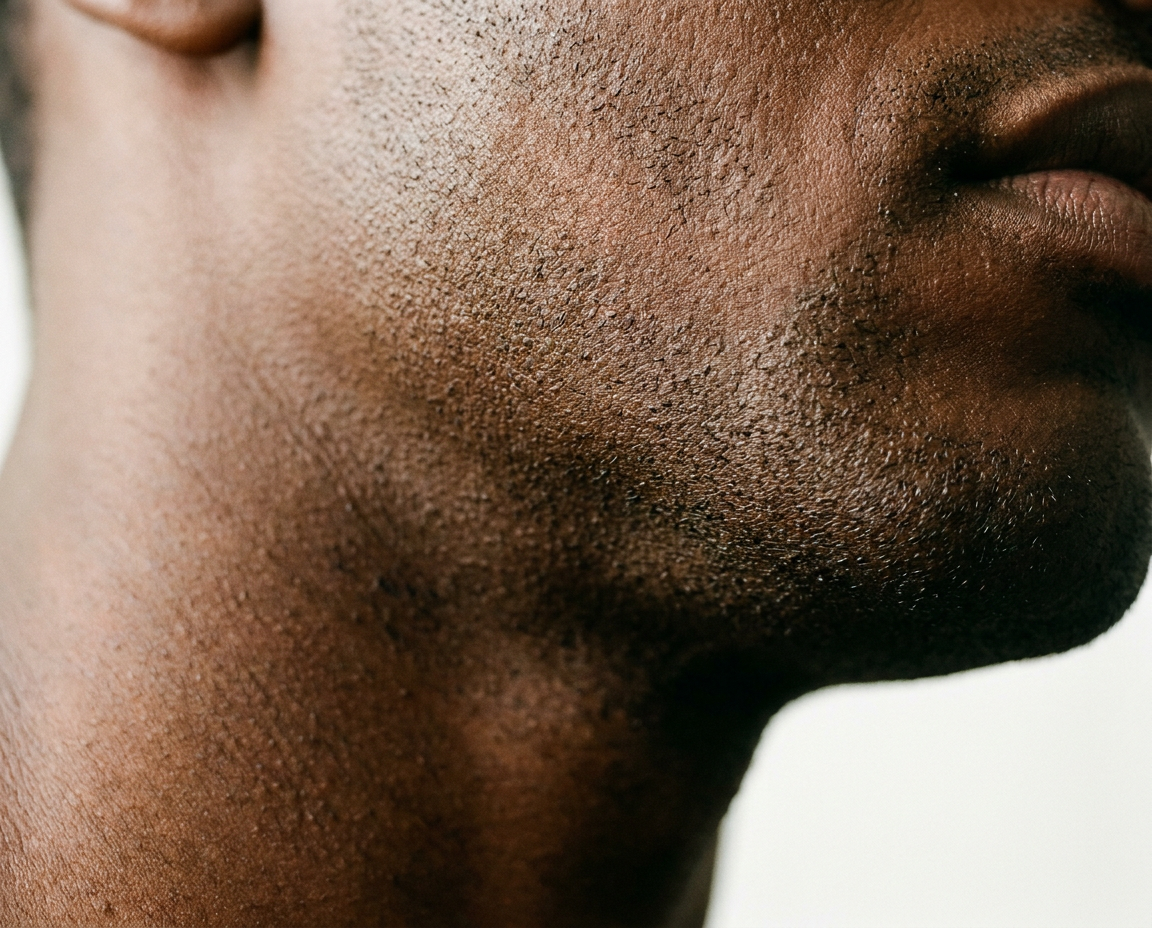
Razor burn usually resolves on its own within 24 to 48 hours with basic care: a cool rinse, a gentle moisturizer, and leaving the skin alone. Applying something with aloe or niacinamide can speed up the process. What you should not do is shave again immediately – giving the skin a day or two to recover before the next session makes a real difference in how quickly the irritation clears. For ingrown hairs that are already visible, the temptation to squeeze or pick is strong and almost always counterproductive. Squeezing pushes bacteria deeper into the follicle, increases the risk of infection, and significantly raises the odds of post-inflammatory hyperpigmentation – the dark spots that can linger for months after the bump itself has resolved.
If a hair is visibly looped just under the surface of the skin, you can gently lift the tip with a sterilized needle or fine tweezers – just enough to guide it out rather than digging into the skin. Warm compresses applied for a few minutes can soften the area and help the hair work its way out on its own. Salicylic acid applied directly to the bump speeds up the shedding of the surface cells that are trapping the hair. What to avoid is any technique that breaks the skin surface, as that introduces infection risk and makes hyperpigmentation more likely – particularly for men with deeper skin tones, where PIH tends to be more pronounced and slower to fade.
What About Men With Coarse or Curly Hair?
This is where the stakes get meaningfully higher, and where standard shaving advice often falls short. Men with naturally coarse or tightly coiled hair – common in men of African, Hispanic, and South Asian descent – have a significantly elevated risk of PFB. The reason is structural: tightly coiled hair has a curved follicle and exits the skin at a steep angle, which means after cutting, the pointed tip has very little distance to travel before it re-enters the skin. Research published in the Journal of the American Board of Family Medicine notes that PFB affects between 45 and 83 percent of Black men who shave regularly, with post-inflammatory hyperpigmentation occurring in 87 percent of those cases (https://www.jabfm.org/content/35/1/173). That is not a cosmetic footnote – it’s a significant quality-of-life issue, and it’s often undertreated because it gets dismissed as a minor shaving problem rather than recognized as a chronic inflammatory skin condition.
For men in this group, the recommendations get more specific. Electric razors or safety razors are meaningfully better choices than cartridge systems. Shaving every other day rather than daily gives the skin and follicles time to recover between sessions and prevents repeated trauma on already-inflamed tissue. Chemical exfoliation with BHAs several times a week is especially important to keep follicle openings clear. Some dermatologists recommend letting the beard grow out entirely for four to six weeks – allowing existing ingrown hairs to resolve and the skin to settle before starting a revised shaving routine from scratch. Laser hair removal is also worth knowing about for severe or recurrent PFB; it’s the only intervention that addresses the structural cause rather than managing the symptoms on a shave-by-shave basis. If razor bumps have been a persistent, recurring problem for years, a dermatologist conversation about laser is worth having.
How Does Aging Skin Change the Equation?

Men in their forties, fifties, and beyond often find that skin that handled daily shaving with no drama in their twenties starts pushing back. There are real biological reasons for this. Skin cell turnover slows with age, which means dead cells sit on the surface longer and are more likely to trap emerging hairs before they can exit cleanly. The skin also produces less sebum and collagen over time, making it drier, thinner, and less resilient to repeated mechanical trauma. The skin barrier – the outermost layer that keeps moisture in and irritants out – becomes more easily compromised, which is why a shaving routine that once caused no reaction can start producing noticeable redness and irritation as the years accumulate.
The adjustments for mature skin overlap with the general advice but deserve more emphasis in practice. A quality pre-shave oil is not optional at this stage – it’s a genuine buffer between a thinner dermis and a sharp blade, and its absence is felt. Gentle exfoliation becomes even more important because the dead-cell buildup that clogs follicles happens faster when turnover has slowed. Post-shave hydration with barrier-supporting ingredients like niacinamide, ceramides, and hyaluronic acid helps skin recover between shaves rather than starting each session already compromised. And because mature skin is more prone to PIH and takes longer to heal from both razor burn and ingrown hairs, prevention is worth far more effort now than it was at thirty. If you’re noticing that post-shave recovery time has stretched out, or that what used to be minor irritation has become more persistent, it’s worth reconsidering the whole routine rather than just adding a new product on top of an outdated one.
When Should You See a Dermatologist?
For most men, a revised shaving routine handles the problem within a few weeks. But there are situations where a dermatologist visit is the right call, and it’s worth recognizing them rather than letting a manageable condition become more complicated. If you have persistent razor bumps that don’t resolve between shaves, bumps that become infected (pus-filled, very painful, or warm to the touch), or significant post-inflammatory hyperpigmentation that isn’t fading over several months, those are signs that you’re dealing with PFB as a clinical condition rather than just occasional irritation. Dermatologists can prescribe topical antibiotics or retinoids to address the inflammation and speed cell turnover, and they can assess whether laser hair removal makes sense for your situation and skin type.
Men with keloid-prone skin – where scars form as raised, thickened tissue rather than fading flat – face particular risk from chronic PFB. Keloids can form at repeatedly inflamed follicle sites on the neck and jawline and are genuinely difficult to treat after the fact. For any man who has ever developed a keloid from a cut or other skin trauma, a dermatologist conversation about shaving strategy is worth having proactively. And if you’ve applied the standard prevention steps consistently for a month and still have significant ingrown hair problems, that’s a signal that you need a clinical assessment, not just a different razor or a new post-shave product. Some people need a more targeted approach, and there’s no reason to keep struggling through a problem that has effective medical solutions.
FAQs
Is it better to shave every day or less often?
For most men, shaving every day is harder on the skin than shaving every other day, particularly if ingrown hairs are already a problem. Daily shaving doesn’t give follicles time to recover from the previous session’s trauma. Every-other-day shaving, or even three times a week, can significantly reduce chronic irritation while still keeping stubble manageable. If you need a clean daily shave for professional reasons, prioritizing every aspect of prep and post-care becomes even more important to compensate.
Can you use exfoliating acids on freshly shaved skin?
Directly post-shave, the skin has some degree of compromise from the mechanical action of the blade, and applying a high-concentration acid immediately can cause stinging or increased redness. A mild salicylic acid toner is generally tolerable right after shaving, but stronger glycolic acid treatments are better used on non-shave days or several hours after shaving. The skin will tell you what it can handle – some men tolerate acids well immediately post-shave, others don’t, and neither response is wrong.
Does shaving cause permanent skin damage over time?
Repeated shaving without proper technique or care can contribute to chronic low-grade inflammation that, over time, leads to hyperpigmentation, uneven texture, or – in the most severe cases of PFB – scarring. This is one of the reasons that getting the routine right matters beyond just avoiding next-day irritation. With the right prep, technique, and recovery products applied consistently, shaving does not have to cause lasting damage.
Are there specific ingredients to look for in a post-shave product?
Yes. Salicylic acid, glycolic acid, witch hazel, niacinamide, aloe vera, and panthenol (vitamin B5) all have solid evidence behind them for calming and protecting freshly shaved skin. Ceramides and hyaluronic acid help with barrier repair and hydration. The ingredients to avoid immediately post-shave are high concentrations of alcohol (drying), strong fragrances (sensitizing), and very high-strength retinoids (too irritating on recently compromised skin).
What is pseudofolliculitis barbae, and how is it different from ordinary razor burn?
Pseudofolliculitis barbae is the clinical term for a chronic inflammatory condition caused by hairs that re-enter the skin after shaving, triggering a foreign-body response. Ordinary razor burn is surface irritation from friction or a dull blade and typically resolves within 48 hours. PFB involves actual follicular inflammation, often with papules, pustules, and post-inflammatory hyperpigmentation, and in severe or untreated cases can lead to scarring. The distinction matters because PFB may need medical management, not just better shaving products.
Razor burn and ingrown hairs are common enough to seem like the unavoidable price of shaving, but they really aren’t. The biology that causes them is well-documented, which means the fixes are too. Getting a clean shave without the aftermath comes down to a combination of the right tools, the right prep, and the right products applied with some consistency – not perfecting any one of them in isolation. Whether you’re picking up something for the man in your life or overhauling your own routine, the changes that make the biggest difference are usually the simplest ones: a sharper blade, a few more minutes of warm-water prep, and a chemical exfoliant between shaves. Start there, and most of the drama resolves itself.
Related Posts