Oct
If you click on links we provide, we may receive compensation.
The global bath bomb market topped $1.3 billion in 2023 and keeps growing, fueled by social media videos of satisfying fizz trails and swirling color. But dermatologists are considerably less enthusiastic than the bath aisle suggests. Behind the spectacle, bath bombs contain a mix of ingredients that range from genuinely nourishing to potentially disruptive – and whether they help or harm your skin depends almost entirely on what is inside the one you are using. Some bath bombs are fine for occasional use. Many are not worth the risk. And for certain people – particularly those with sensitive skin, mature skin, or a tendency toward yeast infections – the most beautifully packaged option is often the one worth leaving on the shelf.
What Is Actually Inside a Bath Bomb?
Most bath bombs share a core formula. Baking soda (sodium bicarbonate) and citric acid create the fizzing reaction when they hit water. Cornstarch softens the texture. Beyond that, manufacturers add the ingredients that make each product distinctive – essential oils, synthetic fragrance, artificial dyes, colorants, glitter, and nourishing agents like shea butter, coconut oil, or Epsom salt. The base formula is mostly harmless in itself. It is the add-ons that create complications, and those vary enormously from product to product. A plain baking soda and citric acid soak is a very different exposure than a bath bomb loaded with synthetic musks, FD&C dyes, and mica glitter. Reading the ingredient list before you buy is the single most useful thing you can do to protect your skin. If the label lists ‘fragrance’ or ‘parfum’ and you cannot tell what compounds are hiding under that term, that alone is worth pausing on.
Do Bath Bombs Actually Moisturize Your Skin?
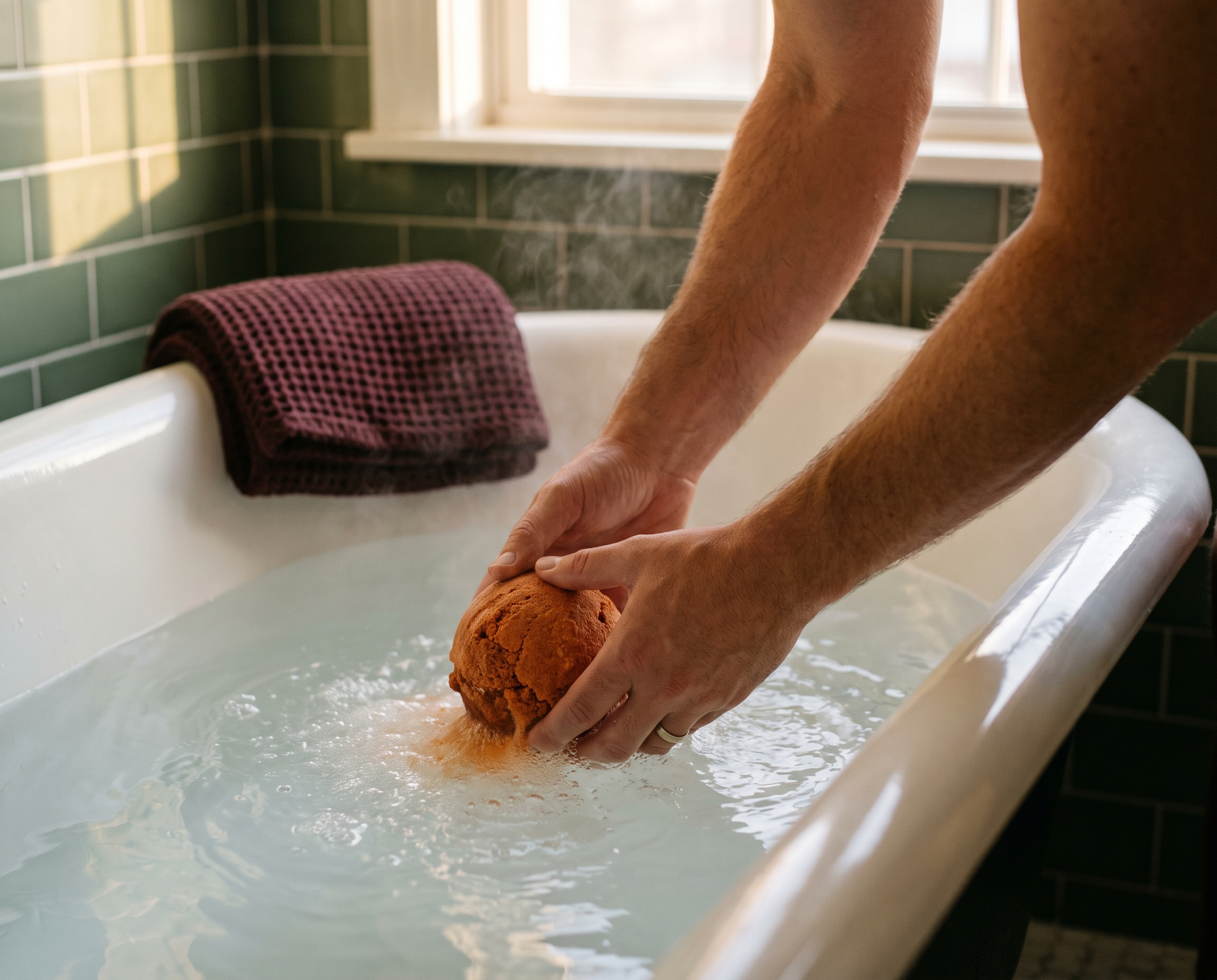
Here is where bath bombs earn some real credit. Many formulas include emollient ingredients – shea butter, cocoa butter, sweet almond oil, or coconut oil – that disperse into the bathwater and leave a light conditioning film on the skin when you step out. Shea butter is rich in oleic and stearic fatty acids, which reinforce the skin’s lipid barrier and slow water evaporation from the surface. Cocoa butter creates a heavier occlusive layer that helps seal in moisture for several hours after bathing. These oils do not penetrate deeply in a short soak, but they do leave the skin feeling softer and reduce the tight, dry feeling that plain hot water often causes. Warm water itself opens the outer layers of skin slightly, which may allow small amounts of oil to absorb a little better than they would in cold conditions. The moisturizing effect is real, though modest – and it depends entirely on whether the product contains a meaningful amount of those oils. Some bath bombs list shea butter fifth from the bottom of a twelve-ingredient label, meaning there is barely enough in the formula to register. If moisturizing is your goal, look for emollients near the top of the ingredient list.
Epsom salt – magnesium sulfate – is another popular bath bomb addition worth examining. Warm Epsom salt soaks have been used for decades to ease muscle soreness and joint stiffness. The research on transdermal magnesium absorption remains mixed, but the heat from a warm bath does relax muscles, increase circulation, and relieve tension in a way that is physiologically real even if the magnesium mechanism itself is still debated. Aromatherapy from lavender, eucalyptus, or chamomile essential oils adds another genuine benefit. Inhaled lavender has been shown in multiple small studies to reduce self-reported anxiety and promote slower, calmer breathing, both of which support the body’s parasympathetic nervous system. The relaxation effect of a bath is not trivial. Chronic stress is a well-documented trigger for inflammatory skin conditions like psoriasis and eczema, and anything that consistently lowers the stress response has real downstream effects on how skin looks and behaves.
What Happens to Your Skin’s pH in a Bath Bomb Soak?
Healthy skin maintains a slightly acidic surface pH of between 4.5 and 5.5. This is not an arbitrary number. The acid mantle – a thin protective film formed by sebum, sweat, and skin cell secretions – does several important jobs simultaneously. It supports the activity of pH-sensitive enzymes (serine proteases) that process lipid precursors into the ceramides, fatty acids, and cholesterol that form the waterproof upper layer of skin. It keeps the skin microbiome balanced, favoring protective bacteria like Staphylococcus epidermidis over harmful strains. And it slows water loss by keeping the outer skin layers compact and intact. Baking soda has a pH around 9, which is considerably more alkaline than the skin’s surface. When you dissolve a standard bath bomb in water, the bath can temporarily shift toward pH 8 or 9 before the citric acid partially neutralizes it – but that neutralization is often incomplete, and the resulting soak can still tilt meaningfully alkaline. Source: https://wexnermedical.osu.edu/our-stories/bath-bombs-yay-or-nay-a-dermatologist-weighs-in
This alkaline shift can temporarily weaken the acid mantle, thin out the barrier lipids, and leave skin drier, tighter, and more reactive after the bath than it was before. The effect is usually temporary – healthy skin with a robust barrier recovers its normal pH within a few hours. But for people who already have a compromised barrier, including those with eczema, rosacea, contact dermatitis, or very dry skin, that window of disruption is enough to trigger a flare. The evidence for this is consistent enough that most dermatologists advise people with these conditions to skip bath bombs entirely, or at minimum to keep soaks short (ten to fifteen minutes maximum), use lukewarm rather than hot water, and apply a moisturizer within minutes of getting out of the tub. The science on pH and barrier function is well documented at https://pubmed.ncbi.nlm.nih.gov/32475515/ and applies to any alkaline product that contacts skin for an extended period.
Are the Fragrances and Dyes in Bath Bombs a Real Concern?
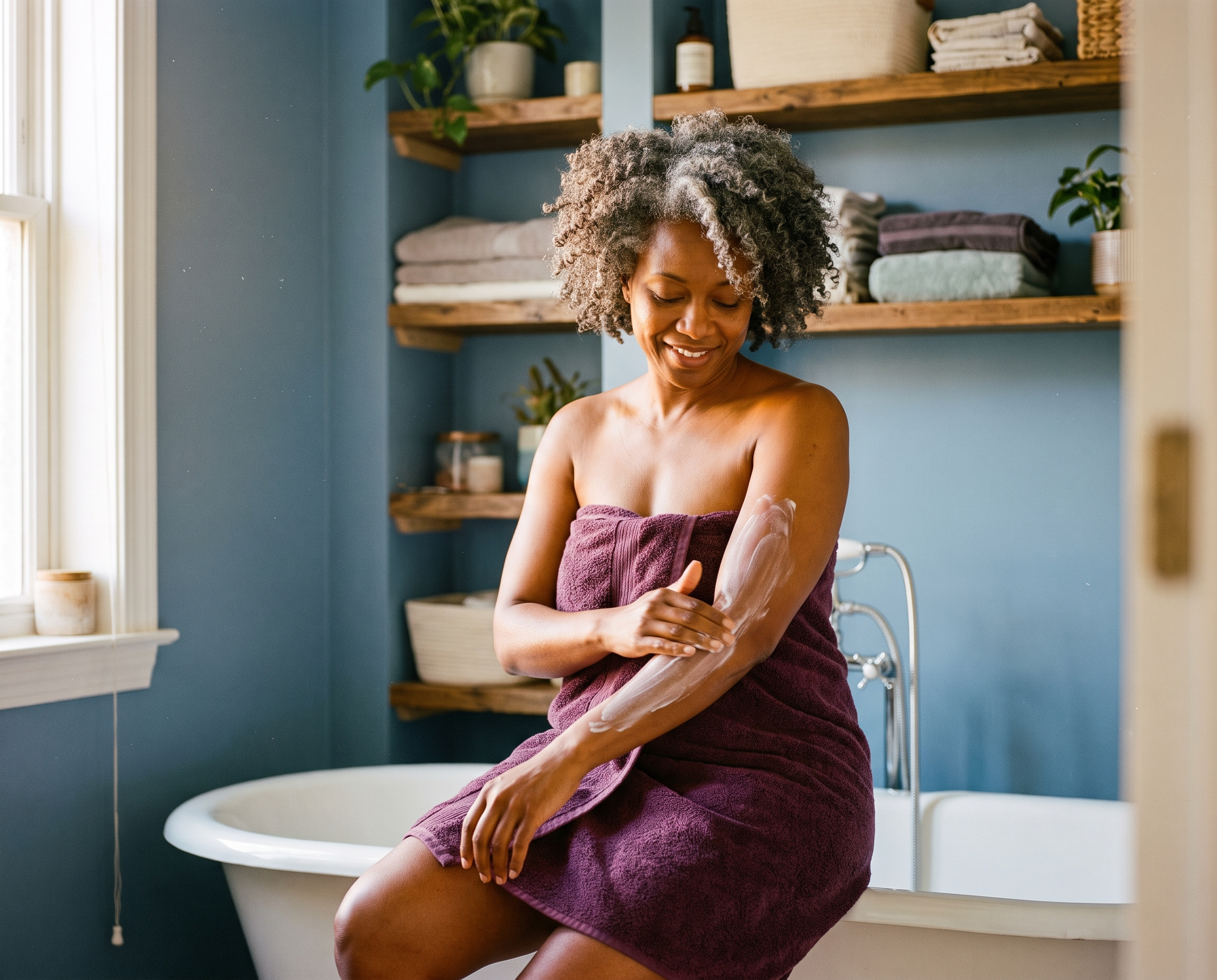
Synthetic fragrance is the ingredient that earns the most concern from dermatologists. Fragrances are typically the leading cause of allergic contact dermatitis from cosmetics, and bath bombs often contain them in higher concentrations than most leave-on products – because the product dissolves entirely in water rather than being applied in a small amount to a targeted area. Estimates from patch-test studies suggest fragrance allergy affects between 0.7% and 4.5% of the general population, with higher rates among people tested because they already have skin symptoms – up to 11% in some North American clinical populations. Source: https://www.contactderm.org/UserFiles/file/Fragrances__Contact_Allergy_and_Other_Adverse.3-1.pdf Reactions range from mild itching and redness to full contact dermatitis with blistering in severe cases. The tricky part is that fragrance allergy develops through repeated exposure over time, so a product that caused no reaction for years can suddenly trigger one with no warning.
Artificial dyes present a similar picture. FD&C dyes used to color bath bombs bright pink, purple, or blue are recognized skin sensitizers, and they can temporarily stain the tub or color the skin. Natural colorants – beetroot powder, spirulina, turmeric – are generally gentler, though some plant pigments can cause photosensitivity reactions when absorbed through skin. Glitter, particularly plastic microglitter, is an aesthetic feature that offers no benefit to skin and raises real environmental concerns about microplastic pollution. Essential oils are often marketed as the safe alternative to synthetic fragrance, and while many are gentler, they are not universally harmless. Citrus oils contain compounds like limonene and linalool that can oxidize on contact with air and become potent sensitizers. Tea tree oil at high concentrations is a known skin irritant. The word ‘natural’ on a label does not mean ‘non-irritating,’ and scrutinizing the full ingredient list still applies regardless of how the product is positioned.
Can Bath Bombs Really Cause Yeast Infections?

This question comes up often enough to deserve a direct answer. For people with a vagina, sitting in water altered by fragrance, dye, and alkaline ingredients introduces a real variable. The vaginal environment maintains a naturally acidic pH of around 3.8 to 4.5, kept stable by Lactobacillus bacteria that produce lactic acid. When the surrounding water is alkaline or heavily fragranced, it can shift the vulvar and vaginal environment enough to suppress those beneficial bacteria and allow Candida yeast or other opportunistic organisms to overgrow. The risk is not guaranteed – most people with robust vaginal flora can handle an occasional bath bomb without developing an infection. But for those prone to recurring yeast infections or bacterial vaginosis, bath bombs with fragrance and dye are a sensible thing to avoid. OB-GYN clinicians generally recommend keeping bathwater clean and simple, and rinsing the vulvar area with clean water after a bath bomb soak is a practical step that reduces risk without requiring anyone to give up baths entirely. Source: https://obgynmiami.com/blog/women-vaginal-hygiene-womens-health/
What Do Bath Bombs Mean for Mature and Aging Skin?
For anyone over 60, the calculus around bath bombs shifts. Mature skin loses thickness gradually over time – the epidermis becomes thinner, ceramide production slows, and the skin produces less natural moisturizing factor and sebum. This means the acid mantle is already working with fewer resources, and barrier disruption from alkaline water or fragrance irritants takes longer to repair than it would in younger skin. Hot baths – with or without bath bombs – can strip residual sebum from mature skin faster than from younger skin, and the resulting dryness can be significant and persistent. Dermatologists who specialize in aging skin consistently emphasize that the bath itself should be warm rather than hot, brief rather than prolonged, and followed immediately by moisturizer application while the skin is still slightly damp.
The ‘three-minute rule’ – patting dry and applying a body moisturizer within three minutes of leaving the tub – is worth following for mature skin because that brief window is when the surface is still hydrated and the moisturizer can lock that moisture in before evaporation begins. A bath bomb that contains meaningful amounts of shea or coconut oil and no synthetic fragrance can add a modest moisturizing benefit on top of the bath itself, which is a reasonable trade. But a heavily fragranced, brightly dyed bath bomb soaked in for forty-five minutes of very hot water is working against what mature skin needs. The pH disruption concern is also more pronounced here because barrier repair takes longer with age. Even a temporary alkaline shift can lead to dry patches, itching, or reactive redness that persists for a day or two afterward. People with asteatotic eczema – the ‘winter itch’ that becomes more common in older adults and is driven by barrier deficiency and reduced sebum production – should approach bath bombs with caution. Testing any new bath product with a short ten-minute soak before committing to longer use is a sensible habit at any age, and especially so past 60.
Who Should Be Especially Careful with Bath Bombs?
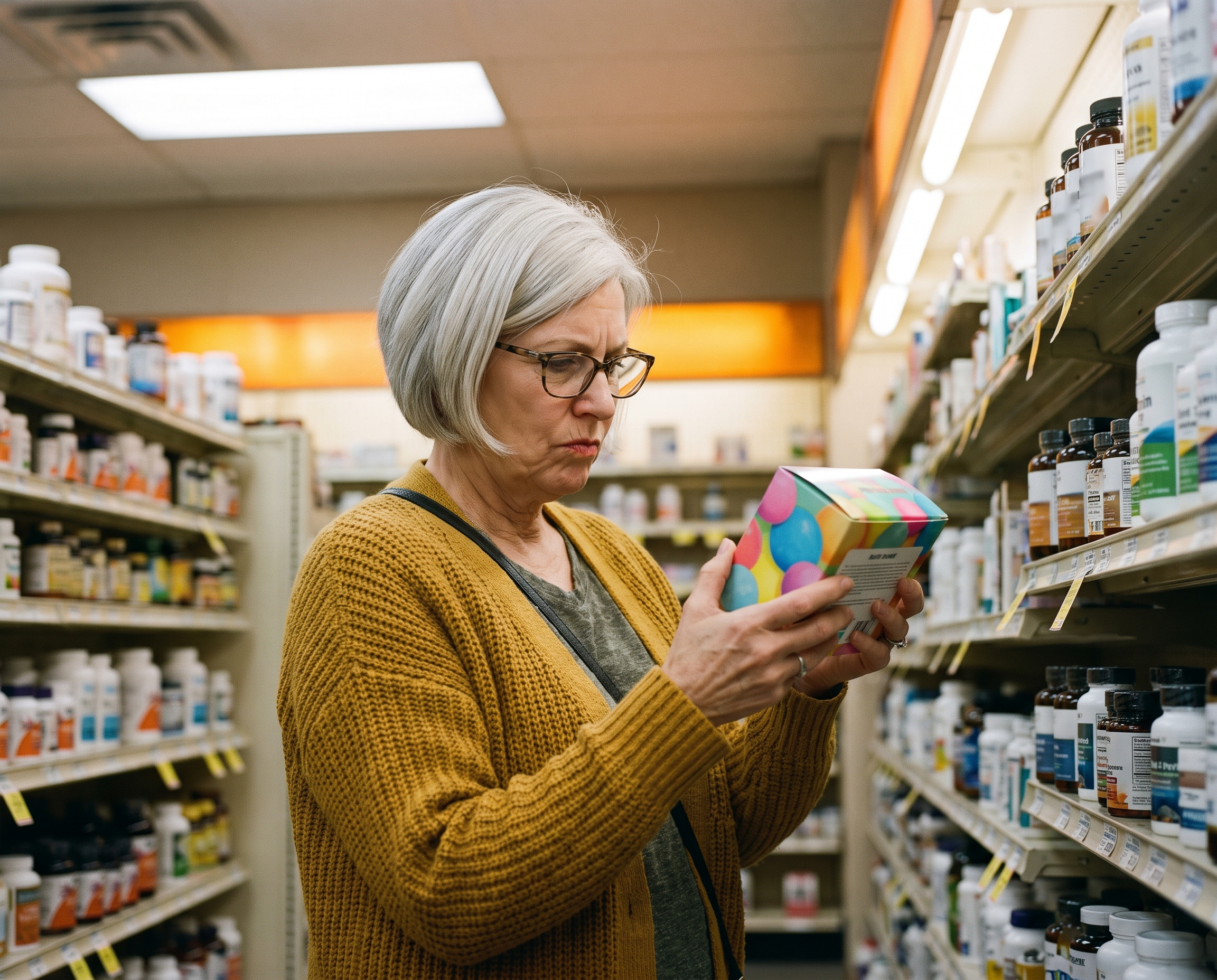
Several groups benefit from extra caution. People with eczema (atopic dermatitis) should consult a dermatologist before using bath bombs, because their compromised barrier makes them vulnerable to both pH disruption and fragrance sensitization, and clinical guidelines for eczema generally favor simple emollient baths over products with additives. People with rosacea – which involves a chronically sensitized barrier with abnormal pH regulation – may find that alkaline bath water triggers flushing or inflammation. Anyone with a known fragrance allergy should look specifically for ‘fragrance-free’ products rather than ‘unscented,’ because unscented products can still contain masking fragrances that trigger reactions without providing any detectable scent. Children’s skin is thinner and more permeable than adult skin, and pediatricians often advise against heavily fragranced bath products for young children for this reason. And anyone currently being treated for a yeast infection or bacterial vaginosis should skip bath bombs entirely until the infection has fully resolved.
How Do You Get the Benefits Without the Problems?
The goal is the moisturizing and relaxation benefits without the pH disruption and allergen exposure. The most practical strategy is to choose bath bombs with short ingredient lists built around genuine nourishing agents – shea butter, coconut oil, Epsom salt, colloidal oatmeal – with minimal or no synthetic fragrance and no artificial dyes. If you want scent, look for products that name specific essential oils (lavender oil, chamomile extract, bergamot) rather than listing ‘fragrance’ or ‘parfum’ as a blanket catch-all. Keep soaks to fifteen or twenty minutes rather than an hour to limit the time altered-pH water spends in contact with skin. Use lukewarm rather than hot water to reduce lipid stripping from both the bath temperature and the bath bomb itself. A brief rinse with clean water after stepping out helps remove any residue and starts the skin’s pH recovery. Applying a body moisturizer – ideally one with ceramides, shea butter, or a glycerin base – within a few minutes of getting out seals in any hydration the bath provided. Occasional use of a well-chosen bath bomb is unlikely to cause lasting harm for most people with healthy skin. The problems arise with heavy use of heavily fragranced products, long hot soaks, and skipping the moisturizer step afterward.
Frequently Asked Questions
What is the safest kind of bath bomb to use?
Look for products with short ingredient lists, no synthetic fragrance (check for ‘parfum’ or ‘fragrance’ on the label), natural colorants rather than artificial dyes, and moisturizing agents like shea butter or colloidal oatmeal. Epsom salt is a solid addition for muscle tension, as long as you do not have kidney disease, which can impair magnesium processing.
Can bath bombs cause a skin rash?
Yes. The most common cause is a reaction to synthetic fragrance or an artificial dye, both of which are recognized skin sensitizers. If you develop redness, itching, or a rash after using a bath bomb, discontinue use and check the ingredient list for ‘fragrance,’ ‘parfum,’ FD&C dyes, or plant extracts known to sensitize skin. Patch testing on a small area before a full soak is worth doing if you have a history of skin sensitivity.
How often can I safely use bath bombs?
Most dermatologists suggest limiting bath bomb soaks to once or twice a week at most, and keeping each soak to around twenty minutes or less. Frequent long soaks in alkaline, fragranced water can progressively weaken the skin barrier and increase sensitivity over time, especially for mature or dry skin types.
Are bath bombs safe during pregnancy?
Many standard bath bomb ingredients – synthetic fragrances, concentrated essential oils, and strong dyes – have not been well studied in pregnancy. The general recommendation is to use the simplest possible bath products while pregnant and to check with a healthcare provider if you have specific concerns about any ingredient. Avoiding fragranced bath products entirely is a conservative but reasonable approach during this period.
Should I rinse off after using a bath bomb?
Yes. A brief rinse with clean water after a bath bomb soak removes fragrance, dye residue, and any lingering alkaline material, and helps your skin’s pH begin returning to its normal acidic range. Pat dry – do not rub – and apply moisturizer while the skin is still slightly damp to lock in hydration before it evaporates.
Can men use bath bombs?
Yes. The skin concerns around pH disruption, fragrance allergy, and barrier disruption apply equally to all skin types. Men do not face the vaginal health considerations associated with bath bombs, but the dryness and irritation risks are the same. Choosing simpler formulas, avoiding heavy fragrance, keeping soaks brief, and moisturizing afterward all apply regardless of gender.
Bath bombs are not inherently good or bad – they are exactly as good or bad as their ingredient lists. A simple formula with skin-nourishing oils, Epsom salt, and no synthetic fragrance can make a bath more enjoyable and a little more moisturizing, especially in winter when dry air and indoor heating are already working against your skin. A bath bomb loaded with artificial colors, synthetic musk, plastic glitter, and a long list of fragrance compounds is a reasonable thing to skip, particularly if you have sensitive skin, mature skin, or any tendency toward yeast infections or eczema. The category has room for genuinely helpful products and genuinely problematic ones, and the difference lives entirely in the label.
Related Posts