Sep
If you click on links we provide, we may receive compensation.
Wyoming supplies roughly 70 percent of the world’s known bentonite reserves – a figure that sounds like trivia until you realize that the clay sitting in your face mask has likely made a long journey from the high desert plains of the American West. Global bentonite production crossed 21 million metric tons in 2024, worth an estimated $4.5 billion, according to IndexBox market research (https://www.indexbox.io/blog/bentonite-world-market-overview-2024-3/). That tonnage goes into drilling mud, cat litter, wine clarification, and pharmaceutical fillers – but a meaningful share ends up in clay masks, cleansers, and pore strips on bathroom shelves worldwide. The mineral has been used on skin for centuries, and modern cosmetic chemistry has confirmed why it works. But what it is made of and where it was dug out of the ground can influence how well it performs and whether it carries any unwanted passengers along with it. That is worth knowing before you spread it across your face.
How Did Wyoming Become the Bentonite Capital of the World?

The story of bentonite starts with a volcanic eruption that happened roughly 70 to 100 million years ago. Volcanic ash settled into shallow inland seas that once covered what is now the American West, and over millions of years that ash weathered and transformed into a soft clay mineral called montmorillonite – the chemically active core of bentonite. The thickest, most accessible deposits settled in what is now Wyoming, Montana, and South Dakota. Wyoming alone produces more than four million tons of bentonite per year, with major mining areas concentrated around Upton, Newcastle, and the Big Horn Basin region, according to the Wyoming Mining Association (https://wyomingmining.org/bentonite/). Companies like Wyo-Ben, headquartered in Billings, Montana, have built entire industrial operations around pulling this clay from the ground and processing it for dozens of different industries, including cosmetics and pharmaceuticals.
The United States leads global production at 4.6 million tons annually, followed by India at 3.7 million tons and Turkey at 2.3 million tons, a trio that together accounts for roughly half of all global output. Greece, China, Denmark, Iran, Russia, and Germany collectively contribute another third of the supply. The rest comes from Brazil, Argentina, Australia, Romania, Poland, and smaller producers scattered across every inhabited continent. So while Wyoming clay is the dominant force in the market, the bentonite in your skincare product could originate from any of a dozen countries, and that geography shapes what you are actually getting.
What Makes Bentonite So Useful on Skin in the First Place?
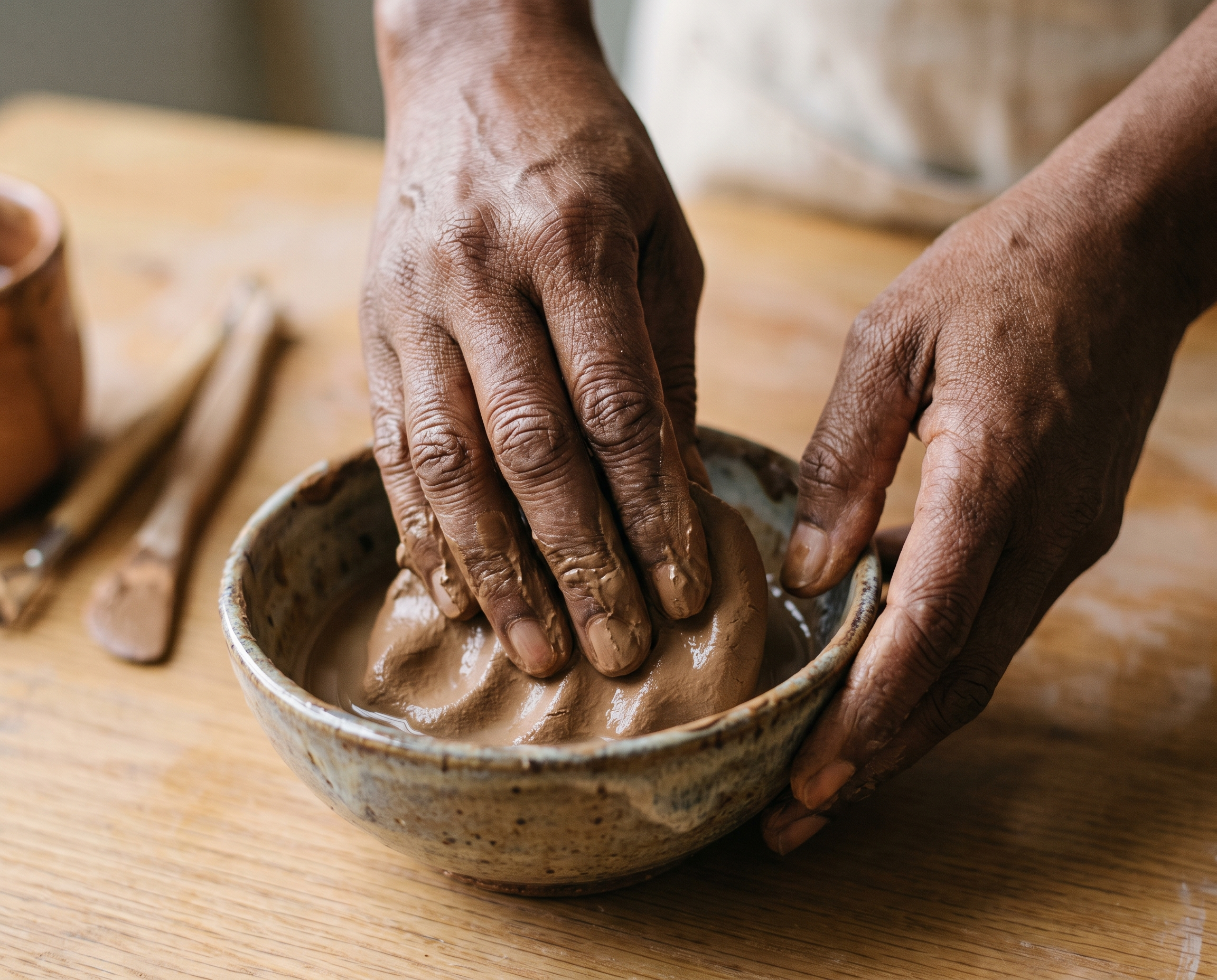
Bentonite works through two distinct but related mechanisms that most other ingredients cannot replicate simultaneously. The first is adsorption – where charged particles on the clay’s surface attract and hold onto oil, bacteria, environmental debris, and dead skin cells rather than absorbing them into its own structure. The second is absorption, where the clay swells as it takes in water or other substances, locking them inside its layered crystal matrix. Together, these two processes make bentonite one of the most efficient pore-clearing ingredients in cosmetic chemistry. When you apply a clay mask and it dries, that mild pulling sensation is the clay doing its mechanical job of drawing out sebum, sweat residue, and surface debris from the pore.
The mineral profile of bentonite adds a secondary benefit beyond pore clearing. It contains trace amounts of copper, magnesium, calcium, and iron. Copper has been linked in research to improved skin elasticity and firmness by supporting collagen synthesis. Magnesium functions as an antioxidant that can help buffer against oxidative stress in skin tissue. These minerals are not present at pharmaceutical concentrations in a rinse-off clay mask – any manufacturer claiming dramatic mineral-delivery effects from a product that washes down the drain in sixty seconds is overstating what happens. But there is credible evidence that bentonite’s mineral content contributes something beyond simple mechanical cleansing, particularly in extended leave-on treatments where contact time with the skin is longer.
Does Where Bentonite Comes From Affect Its Quality?
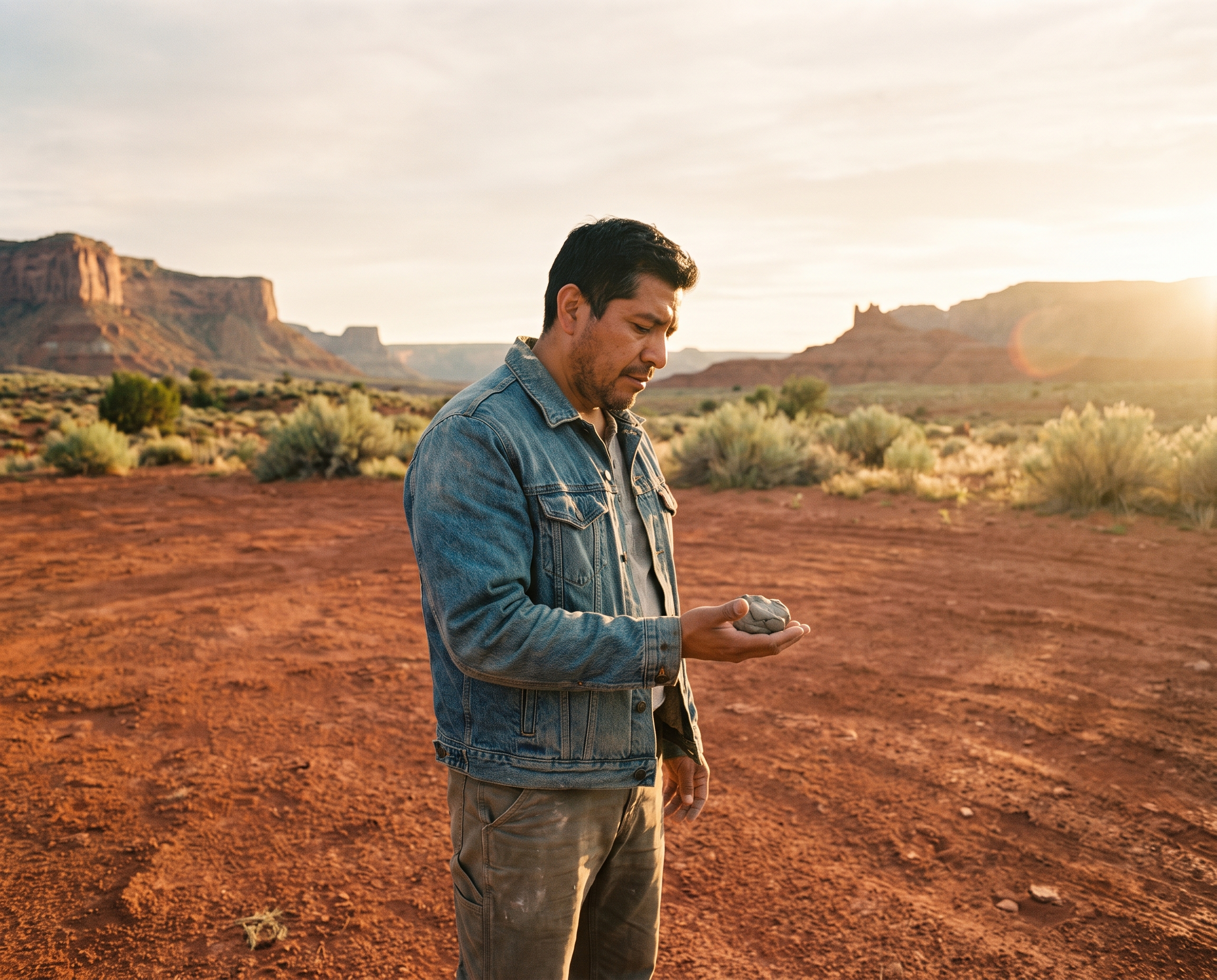
This is where geography stops being a geology lesson and starts becoming a shopping question. Bentonite’s composition varies considerably depending on where it was deposited and what chemical environment it formed in. Wyoming and Montana deposits are dominated by sodium bentonite, meaning sodium ions fill the interlayer spaces in the clay’s crystal structure. Other regions – including many deposits in India and parts of Europe – produce calcium bentonite, where calcium ions occupy that same space. The two behave quite differently in water and on skin, and the distinction is practically meaningful for anyone choosing a clay-based skincare product.
Beyond the sodium-versus-calcium distinction, the purity of the deposit matters in ways that are harder for a consumer to assess without testing data. Bentonite naturally contains trace amounts of heavy metals that were present in the original volcanic ash and in the surrounding geology. The concentration of those metals – lead, arsenic, cadmium – varies depending on where the clay was mined, how deep the deposit sits, and how the surrounding rock has influenced the material over millions of years. Some deposits naturally run cleaner than others. Processing techniques applied after mining can reduce contamination further, but the starting material makes a real difference in the final product.
What Is the Difference Between Sodium and Calcium Bentonite?
Sodium bentonite swells dramatically in water – up to 15 to 20 times its dry volume – which makes it highly effective at creating the thick, spreadable texture that mask formulas require. That same high-swelling behavior also makes it the preferred choice for industrial applications like sealing landfills and drilling for oil, because the expanded clay forms a near-impermeable barrier. In a skincare product, sodium bentonite gives you the satisfying tightening effect that many clay mask users associate with the product doing its job. The United States produces predominantly sodium bentonite, which is why American-sourced clay shows up frequently in mask formulations that aim for a deep-clean, pore-tightening finish.
Calcium bentonite swells much less aggressively. It has a milder pH and a gentler interaction with skin, which makes it the more common choice for formulas aimed at sensitive skin or for products intended for frequent use. Many suppliers in Europe, India, and parts of Australia produce calcium bentonite. It tends to have stronger adsorption properties at lower swelling ratios, meaning it can still pull sebum and debris from pores without the more reactive surface behavior of sodium bentonite. For skin that has already thinned and lost some barrier resilience over time, calcium bentonite is often the more forgiving option – something worth keeping in mind if you have found that clay masks occasionally leave your skin feeling tight and reactive for hours after rinsing.
How Do Heavy Metals End Up in Clay and Should You Be Worried?
The short answer is that clay is a geological material and heavy metals are part of geology. Lead, arsenic, and cadmium occur naturally in soils and rock formations around the world, and when volcanic ash deposited and transformed into bentonite over millions of years, some of those elements came along for the ride. The fact that a clay contains trace metals is not automatically a scandal – it is simply what happens when you mine something from the earth. The question is always the concentration and the route of exposure, and those two variables matter enormously in determining whether a trace metal presence is a meaningful concern or essentially irrelevant.
The FDA drew public attention to this issue in 2016 when laboratory testing found that a bentonite clay product called Bentonite Me Baby contained lead at 37.5 parts per million – a figure that alarmed regulators when you consider that the FDA’s guidance for lead in fruit juice sits at 0.05 ppm (https://www.statnews.com/2016/02/02/detox-clay-fda-lead/). That 37.5 ppm figure was for an ingestible product, not a topical one, and dermal absorption of lead is considerably lower than absorption through the gut. The Agency for Toxic Substances and Disease Registry does not classify skin contact as a significant exposure route for lead in the general population. But the case highlighted something important: cosmetic companies in the United States are not legally required to share safety data or file product formulations with the FDA, meaning quality control is entirely the manufacturer’s decision.
The Cosmetic Ingredient Review published an amended safety assessment on naturally sourced clays in 2023 that concluded clays are safe as used in cosmetics, but the report specifically noted the importance of testing finished products rather than assuming raw material quality is consistent across suppliers (https://www.cir-safety.org/sites/default/files/FAR_Clays_032023.pdf). For topically applied rinse-off products like clay masks, the risk from trace metals is genuinely low for healthy adults who use them a few times per week. The practical takeaway for any consumer is to look for brands that publish third-party heavy metal testing results, because the ingredient’s geological origins make that testing genuinely worthwhile rather than marketing theater.
What Does Bentonite Actually Do for Skin Over 60?
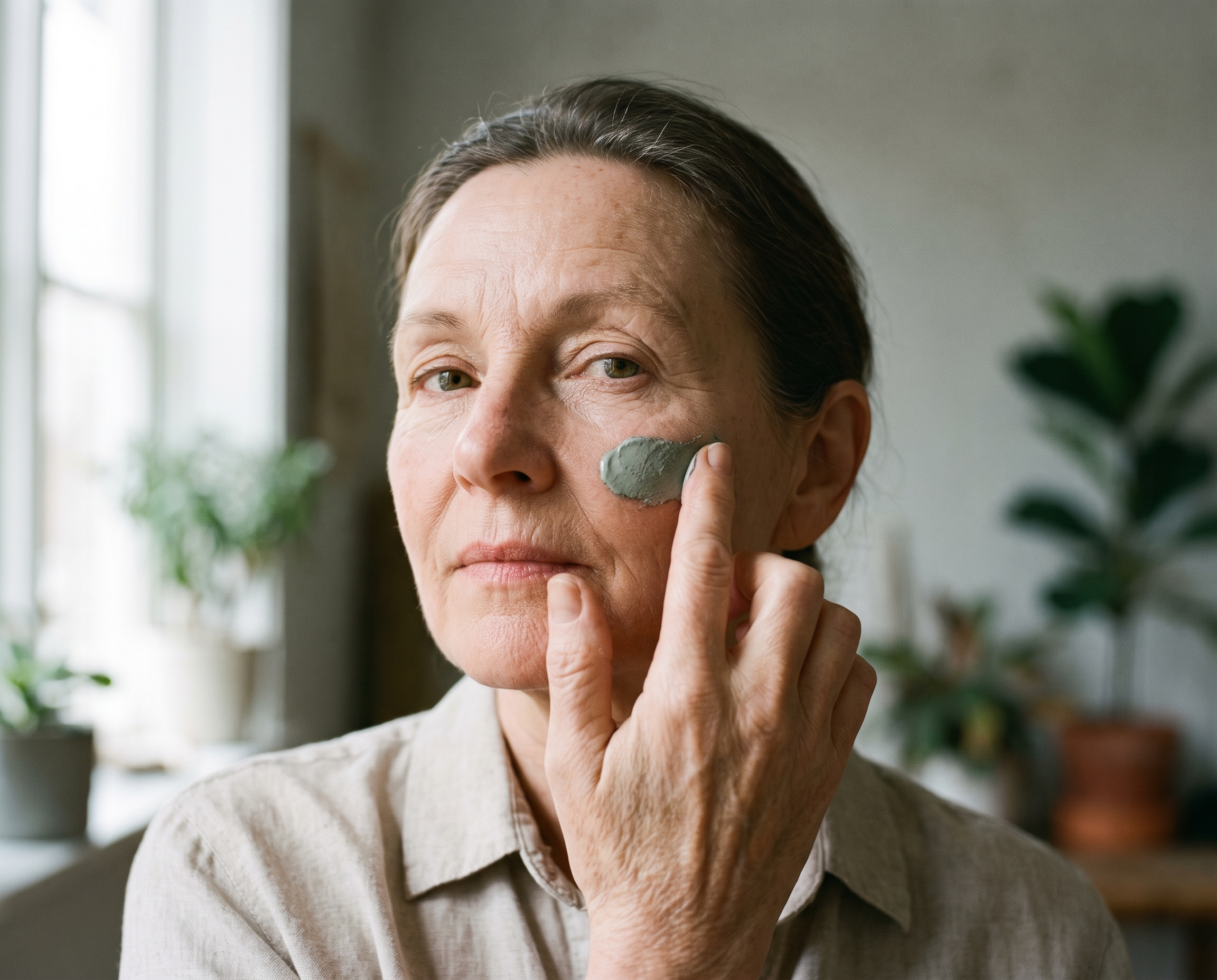
Mature skin runs into a specific combination of challenges that bentonite happens to address rather well, though not always in the ways marketing suggests. As skin ages, sebaceous gland activity shifts – often producing less oil overall, but sometimes in an uneven distribution, with some areas turning quite dry while pores in the nose and chin area remain congested with slow-draining sebum. That combination of dry patches and occasional congestion makes choosing a clay mask feel like a gamble: apply it everywhere and risk stripping already-dry areas, or use it selectively and get the benefit where you actually need it. The selective approach wins almost every time.
Using bentonite as a targeted spot treatment rather than a full-face application is often the smarter move for skin over 60. The adsorption properties work just as effectively on a small patch of congested pores on the nose or chin as they do applied across the entire face. The mechanical action of removing surface debris and dead skin cells also provides a mild exfoliating effect that can help serums and moisturizers penetrate more effectively afterward – and that sequencing effect is not trivial if you are investing in quality actives. One important caution: high-swelling sodium bentonite masks left on too long on dry or thinning skin can create mechanical stress when they are removed, and may temporarily compromise the barrier. A five-minute contact time rather than twenty is a reasonable adjustment for skin that no longer bounces back as quickly.
The mineral content of bentonite plays a modest supporting role for aging skin specifically. Copper peptides are a well-established category of anti-aging ingredients because copper supports collagen synthesis, and while the amount delivered from a rinse-off clay mask is far smaller than from a dedicated copper peptide serum, the mineral contribution in a high-quality clay product does add trace amounts during the treatment window. Magnesium’s antioxidant behavior in skin tissue adds another small layer of support. For those who incorporate clay masks regularly into a comprehensive routine rather than as an occasional one-off, those trace minerals accumulate as a minor but real benefit alongside the primary mechanical action of the mask.
What Should You Actually Look for on a Product Label?
The first thing to look for is whether the brand specifies the type of bentonite and where it was sourced. Many do not, which is not automatically a red flag – but brands that state US-sourced, Wyoming bentonite, or calcium bentonite from a named region are giving you information that makes comparison genuinely possible. If a label simply says bentonite with no further detail, you can contact the manufacturer and ask for the country of origin and whether third-party heavy metal testing results are available. Reputable companies will provide that information without hesitation because they have done the work and want you to know about it.
The second thing to check is the processing grade. Cosmetic-grade bentonite has been processed to reduce free silica and adjust pH for skin compatibility. Some brands specify cosmetic grade or food grade, the latter being the most strictly processed category. A product that does not specify any grade and sells at a very low price point may be using industrial-grade material, which carries a higher risk of contaminants and elevated free silica content that can cause irritation. Third-party certifications for heavy metals – specifically lead and arsenic – are the clearest evidence that a brand takes its raw material sourcing seriously. They should not be difficult to find for any brand that has done the work.
FAQs
Is US-sourced bentonite automatically better than clay from other countries?
Not automatically, but US-sourced bentonite – particularly from Wyoming – tends to be sodium bentonite processed through well-established industrial and cosmetic refinement channels with documented quality control. Other countries produce excellent bentonite too, and some regions produce naturally cleaner deposits. The key factor is always whether the brand has third-party testing data available for heavy metals, regardless of the country of origin.
Can bentonite clay be too harsh for mature skin?
Yes, in certain formulations and with prolonged leave-on times. High-swelling sodium bentonite masks that are allowed to fully dry before removal can create mechanical stress on skin that has lost elasticity. A five-minute contact time rather than fifteen or twenty is a reasonable adjustment for skin over 55. Calcium bentonite formulas are generally more forgiving for frequent use.
Why does my clay mask feel different from a product I used before, even though both list bentonite?
The likely explanation is that they use different types of bentonite from different sources. Sodium bentonite creates a more dramatic tightening sensation, while calcium bentonite has a softer, less intense feel. The processing method and any additional ingredients in the formula also change the texture considerably. Neither experience is inherently wrong – they just reflect different starting materials.
Should I avoid bentonite if I am pregnant or breastfeeding?
There is no strong evidence of risk from topical bentonite mask use during pregnancy, as dermal absorption of heavy metals from clay is low. The main concern historically has been with ingesting bentonite clay, which carries a different risk profile entirely. If you have specific concerns, discuss them with your healthcare provider.
Does the color of bentonite clay indicate its quality or origin?
Color varies based on the mineral mix in the deposit. Greenish clay often reflects iron and magnesium content. Gray to white tones tend to indicate sodium-dominant bentonite. Pinkish shades suggest iron oxide traces in the geology. Color alone is not a reliable quality indicator, but it does reflect geological origin in a general way. Uniform, artificially bright tones should prompt questions about what processing or additives may be involved.
The honest answer to whether bentonite’s origin matters is yes – though not in the alarming, your-product-is-dangerous way that some corners of the internet suggest. It matters in practical terms: the type of deposit determines mineral behavior on skin, the regional geology influences background levels of trace metals, and the processing standard the manufacturer applies determines how much of either factor carries through into the finished product. Wyoming clay in a well-formulated mask from a brand that publishes its testing data is a genuinely different product from an unlabeled clay of unknown origin with no quality documentation. For most people using a clay mask twice a week, the health stakes are low. But for those who use clay-based products daily, have older skin that is thinner and more easily stressed, or who are applying clay-containing products to children’s skin, the details of sourcing and grade are worth a few minutes of label reading and, when needed, a quick email to the brand. The earth gave us this ingredient – knowing which part of the earth is a reasonable thing to ask.
Related Posts