Sep
Beauty, Skincare, Trends & Opinions
The Foam on Your Face Wash Might Be the Problem
If you click on links we provide, we may receive compensation.
Around 67% of women report feeling skin tightness immediately after cleansing – a sensation most people chalk up to being squeaky clean when it is actually a sign that the skin barrier has just been disrupted. The cleanser aisle is stacked with products that foam aggressively, and the cultural idea that foam equals thoroughness runs surprisingly deep. Advertisements have reinforced it for decades: thick lather, glowing skin, fresh start. But the chemistry behind what foam actually does – and does not do – tells a more complicated story. And for anyone dealing with dry, sensitive, or aging skin, picking the wrong cleanser is one of the most common and correctable mistakes in a skincare routine.
What actually makes a cleanser foaming?
Foam comes from surfactants, which are molecules with a water-loving head and an oil-loving tail. When you mix them with water and work them against your skin, they trap air and form bubbles. The most common surfactants in foaming cleansers are sodium lauryl sulfate (SLS) and sodium laureth sulfate (SLES) – both anionic surfactants with a high charge density that makes them extremely effective at pulling oil and debris away from the skin surface. That negative charge is the engine of the cleaning action, and it is also the source of most of the problems associated with harsh foaming formulas. The amount of foam a cleanser produces does not, however, predict how well it cleans. A surfactant that creates a thick, satisfying lather can be no more effective at removing impurities than a low-foam or no-foam alternative. Foam is largely a cosmetic feature – satisfying to use, visually reassuring, but not a measure of performance. Formulators and marketers have leaned into it because it is tangible and emotionally satisfying in a way that a thin, clear gel is not. The science does not back up the feeling.
Not all foaming cleansers rely on SLS or SLES. A newer generation of foaming formulas uses milder surfactants derived from coconut and other plant sources – sodium cocoyl glutamate, coco-glucoside, sodium cocoyl isethionate – that still produce some lather but with a much lower irritation potential and a gentler effect on skin pH. These are often labeled as sulfate-free and tend to be significantly better tolerated by dry and sensitive skin types. So when someone says a foaming cleanser is bad for skin, what they usually mean is that traditional SLS-based foaming formulas are bad for many skin types – not that the presence of foam itself is inherently damaging. The formulation, the surfactant choice, and the finished pH all matter enormously.
What happens to your skin barrier when you lather up?
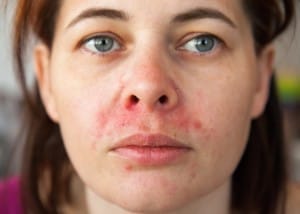
The skin’s surface sits at a pH of roughly 4.5 to 5.5 – a mildly acidic environment called the acid mantle. This acidity is not incidental. It drives the enzyme activity in the outer skin layers that helps cells shed properly, supports the beneficial bacteria that live on skin, and keeps the structural proteins of the stratum corneum intact. When you apply a foaming cleanser formulated like a traditional soap, with a pH closer to 9 or 10, you temporarily alkalinize the skin surface. That shift matters. Research published in the International Journal of Cosmetic Science in 2021 found that regular use of high-pH cleansers measurably increases transepidermal water loss (TEWL) – the rate at which moisture escapes through the skin. Source: https://onlinelibrary.wiley.com/doi/10.1111/ics.12721. Elevated TEWL is one of the primary markers of a compromised skin barrier, and it sets off a cascade of consequences: dryness, tightness, increased sensitivity to actives, and over time, accelerated surface aging.
A 2024 study published in the Journal of Cosmetic Dermatology (Zhao et al.) examined the effect of sodium lauroyl sarcosinate – a common cleanser surfactant – on the facial skin microbiome and lipidome. The findings confirmed that surfactant exposure alters both the microbial community on the skin surface and the lipid composition of the outer skin layers, two factors that are central to how well the barrier functions. Source: https://onlinelibrary.wiley.com/doi/10.1111/jocd.16092. The critical problem is that surfactants are not selective. They cannot distinguish between the sebum and surface debris you want removed and the intercellular lipids your skin genuinely needs. They strip both. That tight, slightly stinging feeling you get after washing with a harsh foaming cleanser is not the sensation of clean skin – it is your barrier communicating that something important has been taken from it.
Are foaming cleansers always the wrong choice?
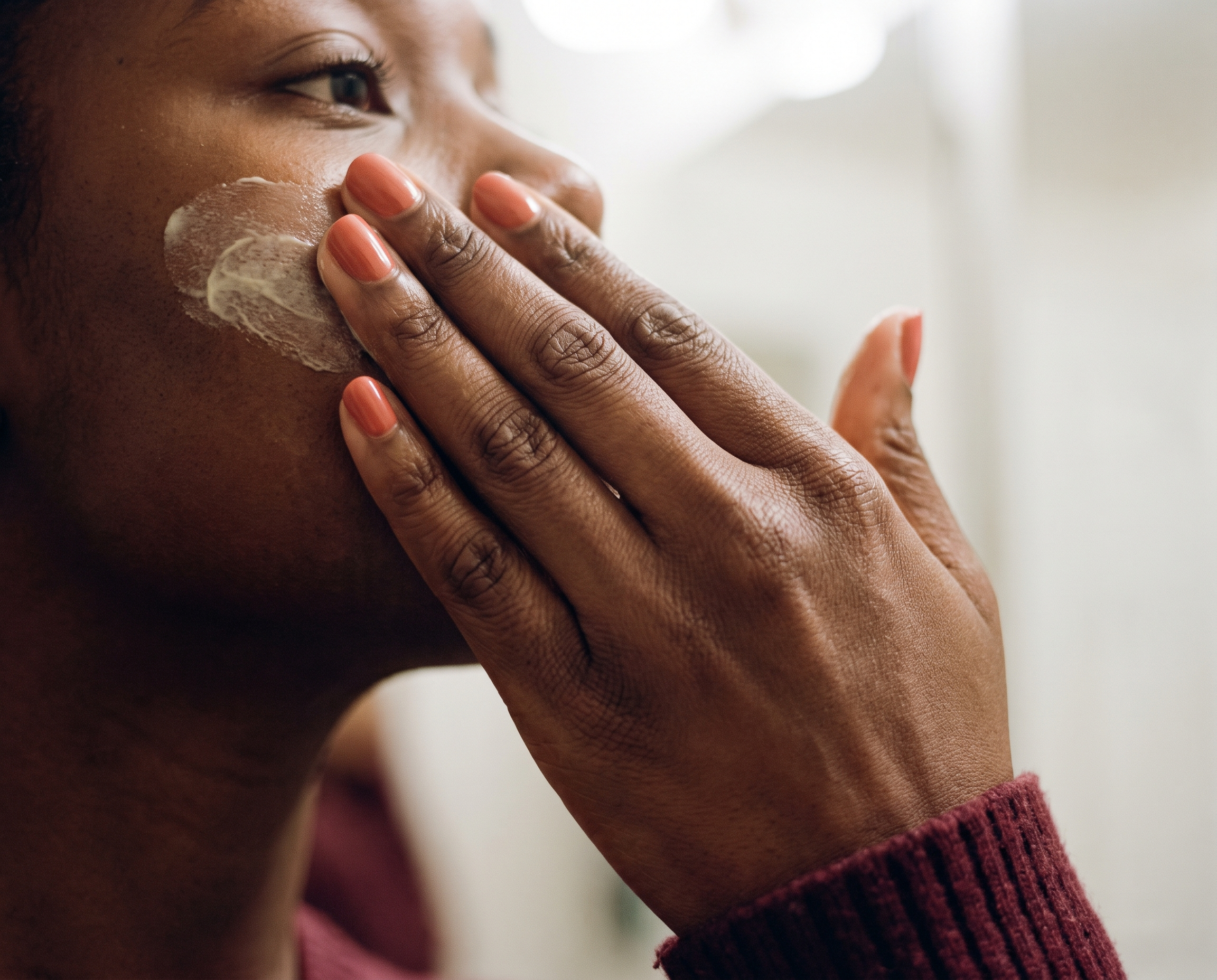
No – and it is worth being clear about that. Foaming cleansers are genuinely effective tools for the right skin situation. If your skin is oily and prone to congestion, a foaming formula does a better job of cutting through excess sebum than a cream or oil-based cleanser. People who wear heavy, long-wear makeup or thick mineral sunscreen often find that a foaming cleanser is the only thing that gets them fully clean in a single step. And in a humid climate, where the skin tends to produce more oil throughout the day, a foaming cleanser can keep pores clearer without feeling heavy or leaving a film. The morning cleanse is also a different proposition than the evening cleanse. Skin that has been resting under a clean pillowcase for eight hours has not accumulated much that needs aggressive removal. A gentle non-foaming gel or a micellar water is usually plenty for AM use, reserving a more effective cleanser for the evening when you are actually removing a day’s worth of products, SPF, and pollution.
The most important test for any foaming cleanser is the post-wash feeling. A well-formulated foaming cleanser should leave skin feeling clean and comfortable – not stripped, not tight, not dull. If yours leaves your face feeling parched within seconds of rinsing, that is the cleanser doing damage it should not be doing. The pH range matters here: a foaming cleanser formulated in the 5 to 6.5 range will behave very differently on skin than one at pH 9. Some brands now print pH on their packaging, and it is worth looking for. Sulfate-free foaming formulas built on gentler surfactants, used selectively for the evening cleanse, can be part of a well-functioning skincare routine even for those with drier skin – as long as what follows is a solid moisturizing routine that replenishes what washing temporarily removes.
What does a non-foaming cleanser actually do to skin?

Non-foaming cleansers – including cream cleansers, balm cleansers, milk cleansers, and oil cleansers – remove impurities through different mechanisms than anionic surfactants. Cream and milk cleansers typically use a blend of gentle emulsifiers, emollients, and water-binding agents like glycerin to lift away surface debris while depositing hydrating ingredients at the same time. The cleanse happens, but the formula is working with the skin’s surface rather than aggressively against it. Balm and oil cleansers operate on a chemistry principle: like dissolves like. The oil-based formula bonds with sebum, sunscreen residue, and oil-soluble products on the skin, and when you add water and emulsify, the whole mixture rinses away without any significant surfactant action. The result is a clean surface without the lipid stripping that comes with high-charge surfactants.
The practical trade-off is that some non-foaming formulas – particularly heavier balms and oils – do not always rinse completely clean on their own, especially when you are wearing long-wear products or mineral SPF. This is the main argument for double cleansing: use an oil or balm first to dissolve oil-soluble products, then follow with a gentle water-based cleanser to wash away the emulsified residue and any remaining surface debris. The second step in a double cleanse does not need to foam to be effective – a gentle gel or cream cleanser does the job without adding another round of barrier disruption. For most people with normal to dry skin, a single well-chosen non-foaming cleanser used once or twice daily is all that is needed to maintain a clean, healthy skin surface. The key phrase in all of this is well-chosen: a non-foaming cleanser with heavy occlusive oils might not suit acne-prone skin even though it is technically gentle.
What should mature skin be reaching for?

This is where the choice between foaming and non-foaming becomes considerably more consequential. Sebum production declines with age – a process that accelerates markedly after menopause, when falling estrogen levels reduce the skin’s natural lubrication and one of its key barrier-supporting mechanisms disappears. Ceramide levels in the stratum corneum also fall over time, and ceramides are the mortar between the cellular bricks of skin: without them, the barrier becomes more permeable and the skin loses moisture more rapidly. A 2025 review published in Annals of Dermatology (https://anndermatol.org/DOIx.php?id=10.5021%2Fad.25.009) confirmed that both skin microbiome diversity and barrier function decline with age, making mature skin measurably more reactive to irritants – including the surfactants found in many standard cleansers. For skin that is already working harder to stay hydrated and resilient, a stripping foaming cleanser adds structural pressure to a system that has less capacity to recover from it.
Dermatologists who specialize in mature skin consistently recommend cream, milk, or low-foam gel cleansers with a pH between 4.5 and 6, and that include skin-replenishing actives. Glycerin, hyaluronic acid, ceramides, and niacinamide are the most commonly cited beneficial additions – they help the skin hold onto moisture and support barrier repair during and after cleansing. The evening cleanse for mature skin deserves particular attention. A balm or oil cleanser as a first step dissolves the day’s sunscreen and makeup without any surfactant action at all, followed by a gentle rinse-off. If you are not wearing heavy products, a single pass with a cream or milk cleanser is often sufficient. The clearest diagnostic: how does your skin feel ten minutes after washing, before you apply anything else? If it feels comfortable and slightly supple, the cleanser is doing its job. If it feels tight, looks dull, or starts flaking, the formula is taking more than it should.
Another consideration for mature skin is fragrance. Many foaming cleansers – and some non-foaming ones – contain synthetic or natural fragrance to improve the user experience. As skin ages and reactive sensitivity increases, fragrance becomes one of the more common triggers for low-grade inflammation. Choosing fragrance-free formulas, or ones where fragrance is very low in the ingredient list, makes a meaningful difference for skin that is already dealing with reduced resilience. The same applies to alcohol – specifically denatured or isopropyl alcohol, not the fatty alcohol types like cetyl or stearyl alcohol, which are emollients. A non-foaming cleanser with these basics in mind: gentle or no surfactants, skin-appropriate pH, hydrating actives, minimal fragrance, no harsh alcohols – is the starting point for maintaining a healthy cleanse at any age, but especially from the 50s onward.
How do you figure out which cleanser your skin actually needs?
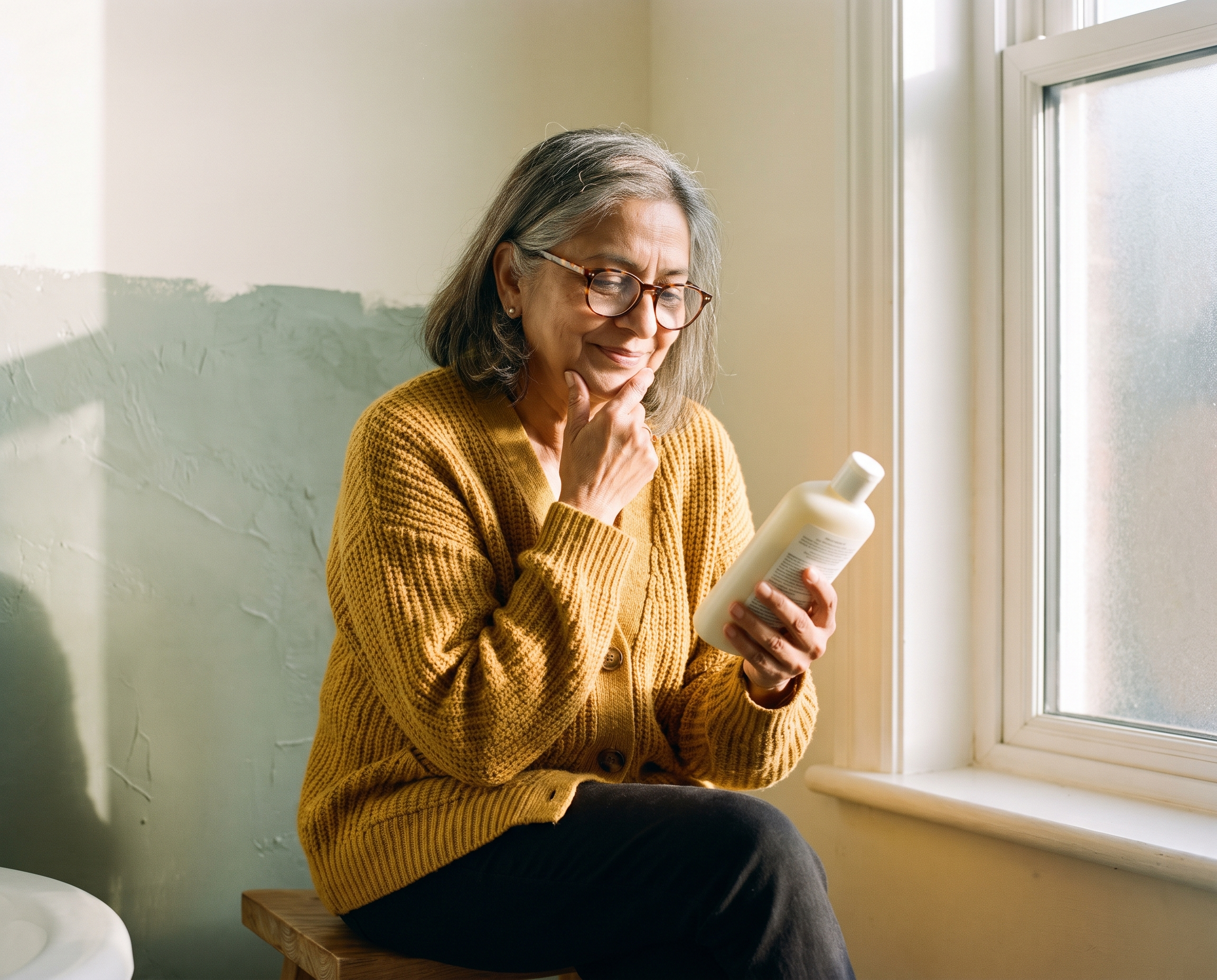
The 10-minute test is the simplest and most reliable tool here. After washing your face with your usual cleanser, wait ten to fifteen minutes without applying anything else. Then assess: if your skin feels balanced and comfortable, your cleanser is working for you. If it feels tight, looks dull, or the surface feels rough or starts showing dry patches within a few minutes, the formula is too stripping. If, on the other hand, you notice visible shine returning quickly or your skin feels slightly congested after regular use, the cleanser may not be removing enough. Neither outcome is permanent – both point to a formula mismatch that can usually be corrected with a relatively simple swap. Skin type is the starting framework, but skin condition matters just as much. Someone with combination skin that is also going through a period of increased stress or seasonal dryness may need to dial back to a gentler, non-foaming option during that period, even if a mild foaming cleanser served them well the rest of the year.
The ingredient list is the most informative part of any cleanser label, even though it takes a little practice to read. Sulfates (sodium lauryl sulfate, sodium laureth sulfate, ammonium lauryl sulfate) in the first several ingredients signal an aggressive foaming cleanser. Mild surfactants like sodium cocoyl glutamate, decyl glucoside, coco-glucoside, or sodium cocoyl isethionate mean a gentler foaming action. No surfactants at all – just emulsifiers, oils, and emollients – means a balm, oil, or true cream cleanser. And in the absence of a printed pH on the packaging, a cleanser marketed for sensitive or dry skin that includes ceramides, glycerin, and hyaluronic acid has almost certainly been formulated with a skin-friendly pH, since those ingredients are only effective in that range. If you are unsure, purchasing litmus strips and testing your cleanser in a small amount of water is a quick and low-cost way to get a reasonable pH reading.
Does the foam question change when you double cleanse?
Double cleansing changes the stakes at each step. The first cleanse – typically an oil or balm formula – handles all the oil-soluble work: sunscreen, waterproof or long-wear makeup, excess sebum, and any other products sitting on the skin surface. At this stage, whether something foams is entirely irrelevant. The first step is about emulsification and dissolution, not surfactant action. The second cleanse is designed to remove the emulsified residue from the first step along with any remaining water-soluble surface debris – sweat, pollution particles, water-based products. For this step, a gentle non-foaming gel or cream cleanser is sufficient for the vast majority of skin types. Using a foaming cleanser as the second step adds a redundant round of stripping to a cleanse that has already done its heavy work with the first step. Some people continue to use one out of habit or preference, and a very mild foaming option can be fine. But for dry and mature skin particularly, swapping the foaming second step for a gentle gel or cream often produces a noticeable improvement in how skin feels throughout the day.
People with oily skin or a tendency toward congestion may find that a gentle foaming second step works better for them than a cream, since the cream can sometimes feel too rich and add back oil that the first cleanse just removed. Again, the diagnostic is the post-cleanse feeling. Both steps combined should leave skin clean but comfortable – not stripped after the second step, not feeling like it has a film after the first step was rinsed away. The double cleanse is popular for good reason: it is thorough without being aggressive when you choose the right formulas for each step. And once you stop thinking of foam as the signal of a good cleanse, finding the right combination becomes considerably easier.
FAQs About Foaming and Non-Foaming Cleansers
Is it harmful to use a foaming cleanser every single day?
It depends on your skin type and the specific formula. Oily skin can usually tolerate a well-formulated, sulfate-free foaming cleanser daily without significant barrier disruption. Dry, sensitive, or mature skin is more vulnerable to the cumulative stripping effect of daily foaming cleansers – particularly those with high-charge surfactants like SLS or a pH above 7. If you are using a foaming cleanser daily and your skin consistently feels tight or looks dull, that is a clear enough signal to try a gentler option.
Can a non-foaming cleanser really get my face clean?
Yes. Non-foaming cream, milk, and gel cleansers remove everyday surface debris, light makeup, and environmental pollutants effectively. For heavy products like long-wear foundation or mineral SPF, using an oil or balm first and following with a non-foaming second cleanse handles the task completely. The absence of foam does not mean the absence of cleaning – it means a different mechanism that tends to be less disruptive to the skin surface.
What pH should a cleanser be to be skin-friendly?
The skin’s natural pH sits between 4.5 and 5.5, and cleansers formulated in the 4.5 to 6.5 range are generally considered to work with rather than against the acid mantle. Traditional soaps can reach pH 9 to 10, which is significantly more alkaline and associated with measurably higher TEWL and barrier disruption in studies. Many quality skincare brands now formulate cleansers around pH 5 to 6. Some list pH on their packaging or websites, and it is worth checking. Source: International Journal of Cosmetic Science, 2021 – https://onlinelibrary.wiley.com/doi/10.1111/ics.12721
Is micellar water a non-foaming cleanser?
Micellar water uses tiny surfactant structures called micelles suspended in soft water to attract and trap oil and surface debris when you swipe a cotton pad across the skin. It is technically surfactant-based but formulated to be extremely low-irritation and is generally appropriate for sensitive and mature skin. Most micellar waters do not require rinsing, though rinsing after use is a reasonable precaution for daily applications, since residual surfactant sitting on skin can cause cumulative irritation over time.
Should I use different cleansers morning and night?
Many people find this approach genuinely useful. The morning cleanse has a much lighter job than the evening cleanse – skin has been sitting untouched overnight and has very little on its surface that requires aggressive removal. A gentle non-foaming gel, a cream cleanser, or even just a splash of water is often enough in the morning. The evening cleanse, where you are removing a full day of SPF, products, and environmental exposure, is where a more effective formula earns its place. Matching the cleanser to the task – rather than using the same formula twice a day out of habit – is a simple but meaningful upgrade for most routines.
The cleanser step is the one most people treat as an afterthought – a 30-second obligation before the serums and moisturizers that seem more exciting. But it sets the condition of the skin for everything that follows. A cleanser that strips the barrier does not just cause tightness in the moment: it makes skin more reactive to actives, less able to hold onto moisture, and more susceptible to environmental stressors throughout the day. The choice between a foaming and a non-foaming formula is not about which one feels more satisfying in the shower or produces a better lather. It is about reading what your skin is telling you after you rinse – and trusting that response over decades of advertising that equated foam with clean. For most people, and especially for anyone navigating dry, sensitive, or aging skin, the gentler option is the more effective one. The foam can stay in the bottle.
Related Posts