Aug
If you click on links we provide, we may receive compensation.
Up to 90 percent of women will develop cellulite at some point in their lives – and for most of us, it shows up on the thighs, hips, and buttocks whether we are slim or not, active or not, young or considerably older. That figure comes from a widely cited review in the Journal of the European Academy of Dermatology and Venereology (https://pubmed.ncbi.nlm.nih.gov/25940753/), and it is a reminder that cellulite is not a weight problem or a fitness failure. It is structural. It has roots in how fat, connective tissue, and fluid behave beneath the skin – and that means the lymphatic system, which handles fluid and waste clearance throughout the body, plays a much bigger role than most people realize. If you have ever wondered whether lymph drainage could actually change the look of cellulite, the answer is nuanced but genuinely interesting.
What Is Cellulite and Why Does It Form?
Cellulite is the name for the dimpled, uneven skin texture that appears when fat deposits beneath the surface push upward through bands of connective tissue called septae. In women, these septae tend to run vertically, which means fat cells have an easier time bulging through and creating the characteristic bumpy surface. In men, septae run in a crisscross pattern, which is why cellulite is far rarer in males – affecting fewer than 10 percent of them. The result of the female anatomy is that even small amounts of excess fluid or minor structural changes can make cellulite look significantly more pronounced. Skin thickness plays a role too: thinner skin allows the underlying structure to show through more clearly, and skin does thin over time.
The visible severity of cellulite comes from four overlapping factors: fat cell accumulation, fibrous bands that tether the skin to deeper tissue, loss of skin elasticity, and excess fluid trapped in the tissue spaces between cells. That last factor – fluid and lymphatic stagnation – is precisely where lymph drainage therapy enters the picture. Researchers have noted that cellulite can be understood as a consequence of alterations in the lymphatic system that lead to the accumulation of substances in subcutaneous tissue. When fluid pools around fat cells and is not cleared efficiently, it increases pressure on the surrounding connective tissue and makes the surface of the skin look more uneven. Addressing that fluid dynamic does not erase cellulite, but it can make it look meaningfully better.
How Does the Lymphatic System Actually Work?
The lymphatic system is a network of vessels, nodes, and organs that runs parallel to the circulatory system. Its job is to collect excess fluid that leaks out of blood vessels, filter it through lymph nodes, neutralize pathogens, and return clean fluid to the bloodstream. Unlike the cardiovascular system, the lymphatic system has no pump. The heart keeps blood moving, but lymph fluid moves only when muscles contract around the vessels, when you breathe deeply, or when the skin is gently manipulated – as in massage. That means sedentary lifestyles, poor posture, and chronic stress can all slow lymph flow significantly, leaving fluid to accumulate in the spaces between cells.
When lymph flow slows, the interstitial fluid – the liquid that surrounds cells throughout the body – builds up in tissue. This is sometimes called lymphatic congestion, and it contributes to swelling, a feeling of heaviness, and over time to the kind of chronic low-grade inflammation that worsens the structural environment where cellulite develops. Lymphatic vessels also carry fatty acids away from fat cells after lipolysis, so impaired flow can even reduce the body’s ability to clear breakdown products of fat metabolism. The connection between lymphatic health and the appearance of the skin beneath is real, even if the mechanisms are more complex than wellness marketing tends to suggest.
Does Lymphatic Drainage Actually Change How Cellulite Looks?
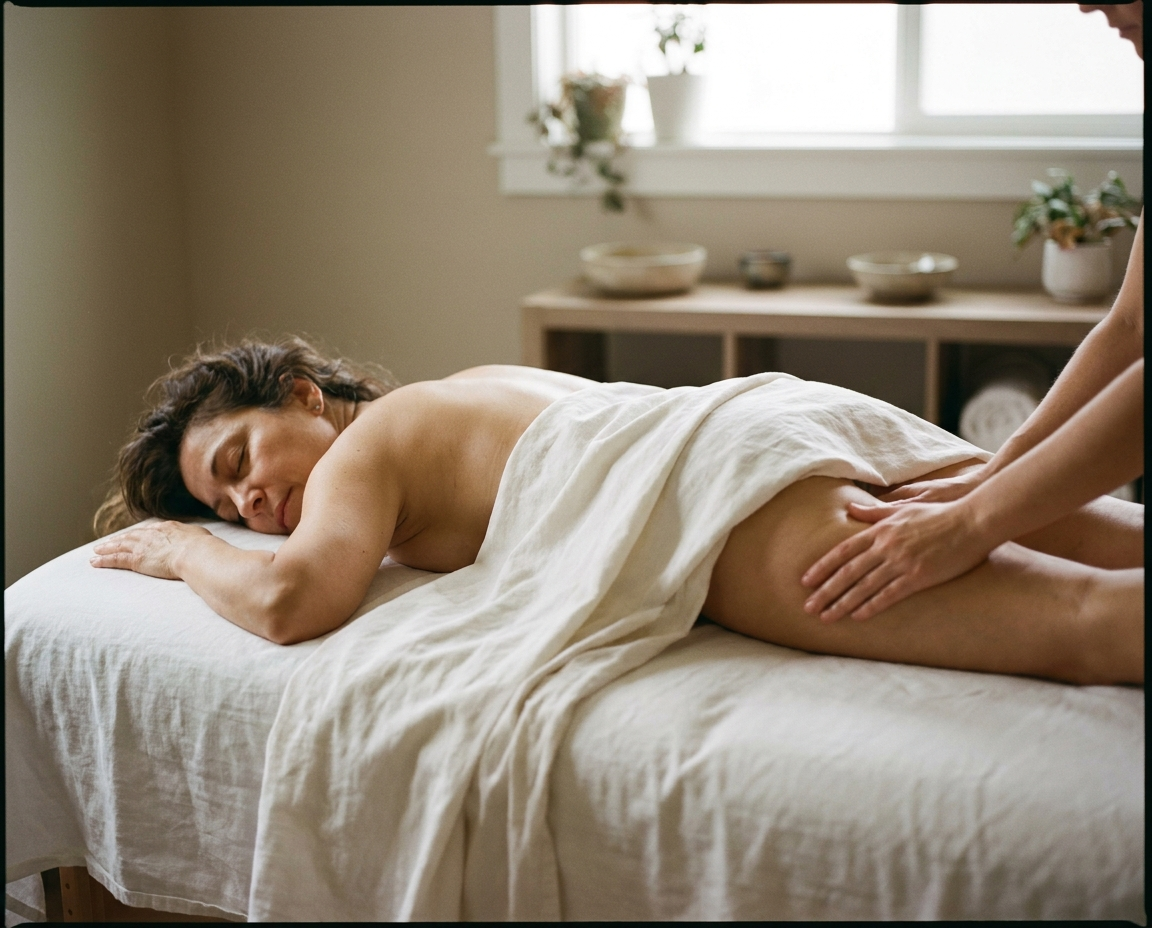
Manual lymphatic drainage – often called MLD – is a specialized massage technique developed in the 1930s by Dr. Emil Vodder. It uses slow, rhythmic, light-pressure movements that follow the path of the lymphatic vessels and nodes. The pressure is deliberately gentle – much lighter than a typical deep tissue massage – because lymph vessels sit just beneath the skin and respond best to soft stimulation rather than forceful pressure. The movements create a pumping effect that encourages fluid to move through the vessels and toward the lymph nodes, where it can be filtered and cleared. A trained lymphatic drainage therapist will work systematically across the body, opening drainage pathways before moving to problem areas.
Clinical evidence gives a measured but real answer about its effects on cellulite. A study published in Anais Brasileiros de Dermatologia (https://pmc.ncbi.nlm.nih.gov/articles/PMC4155948/) followed 20 women through 14 sessions of MLD over 14 weeks. Researchers found a significant improvement in quality of life scores and a measurable reduction in hip circumference, though ultrasound images of the tissue did not show structural changes to the fat or connective tissue itself. A separate randomized study published in Evidence-Based Complementary and Alternative Medicine (https://doi.org/10.1155/2021/9956879) compared MLD to extracorporeal shockwave therapy for cellulite following liposuction and found MLD produced significant improvement. Another study comparing the Vodder technique with the Casley-Smith method found both approaches significantly improved the appearance of cellulite after thigh liposuction, with no meaningful difference between the two techniques (https://pmc.ncbi.nlm.nih.gov/articles/PMC9131957/).
The honest take is this: lymphatic drainage works best on what researchers sometimes call aqueous cellulite – the kind driven primarily by fluid retention rather than dense fibrosis or significant fat accumulation. It reduces swelling in the interstitial tissue, which softens the look of dimpling. It does not break down fibrous septae or permanently shrink fat cells. Think of it as reducing the inflammation that amplifies what is already there. For many people, that alone makes a visible and welcome difference.
What Types of Cellulite Respond Best?
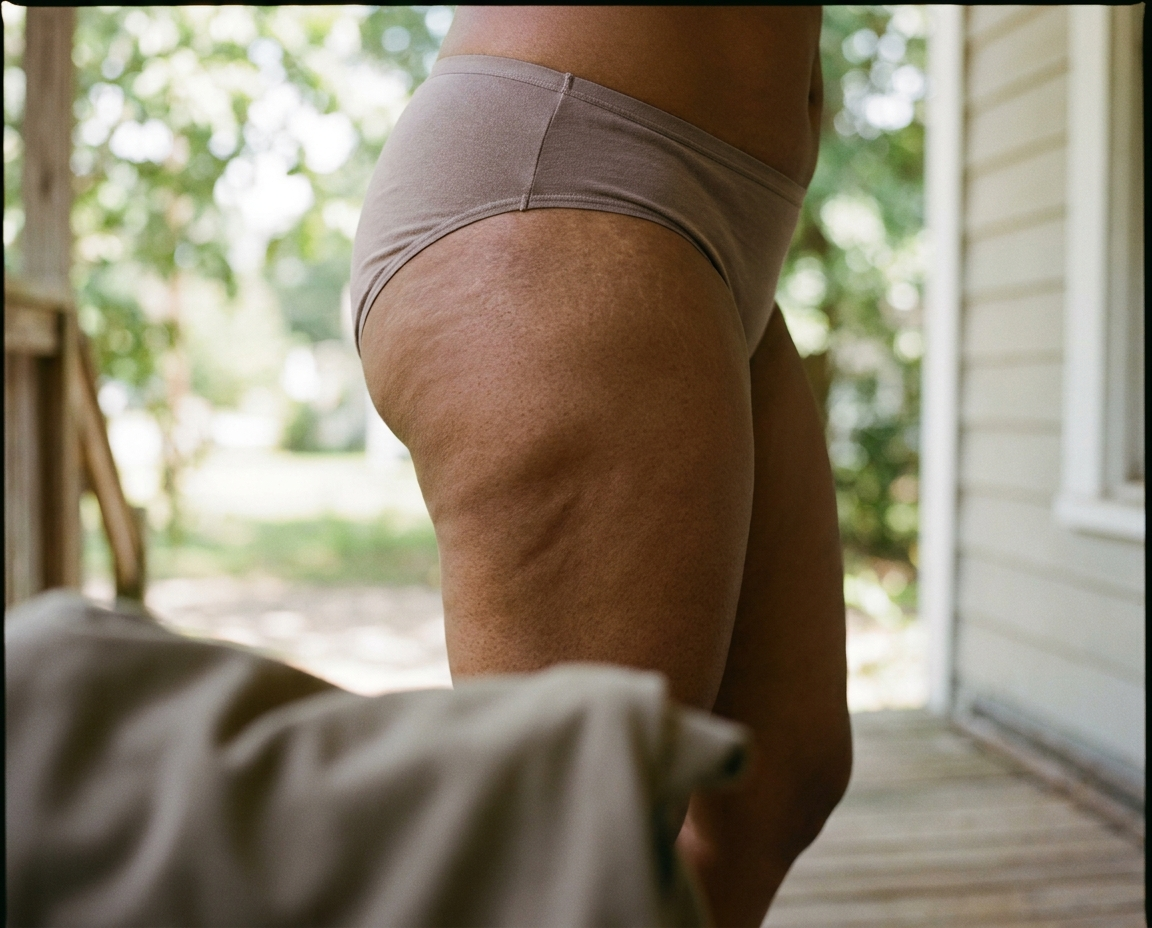
Not all cellulite is the same, and knowing the type you are dealing with helps set realistic expectations for what lymphatic drainage can do. Aqueous or soft cellulite tends to appear on the inner thighs, buttocks, and abdomen in women who retain fluid easily or lead a predominantly sedentary lifestyle. It often feels soft to the touch, may worsen before a menstrual period or during hot weather, and tends to respond well to lymphatic drainage because it is so closely tied to fluid dynamics. This is the type where regular MLD or even consistent self-massage can produce the most noticeable changes to the skin’s surface.
Advertisement
Compact or hard cellulite is more common in younger, more muscular women and is found on areas with higher fat density and tighter tissue. It is less directly responsive to lymphatic drainage because the fibrous component plays a bigger role. Edematous cellulite, which presents with significant puffiness and poor circulation in addition to dimpling, falls somewhere in between – it has a strong fluid component but also involves compromised vascular function. For both compact and edematous cellulite, lymphatic drainage is most effective as one part of a broader approach rather than a standalone treatment. Combining it with movement, hydration, and skin-strengthening topicals tends to produce better and longer-lasting results than any single method alone.
How Does Aging Make This More Complicated?
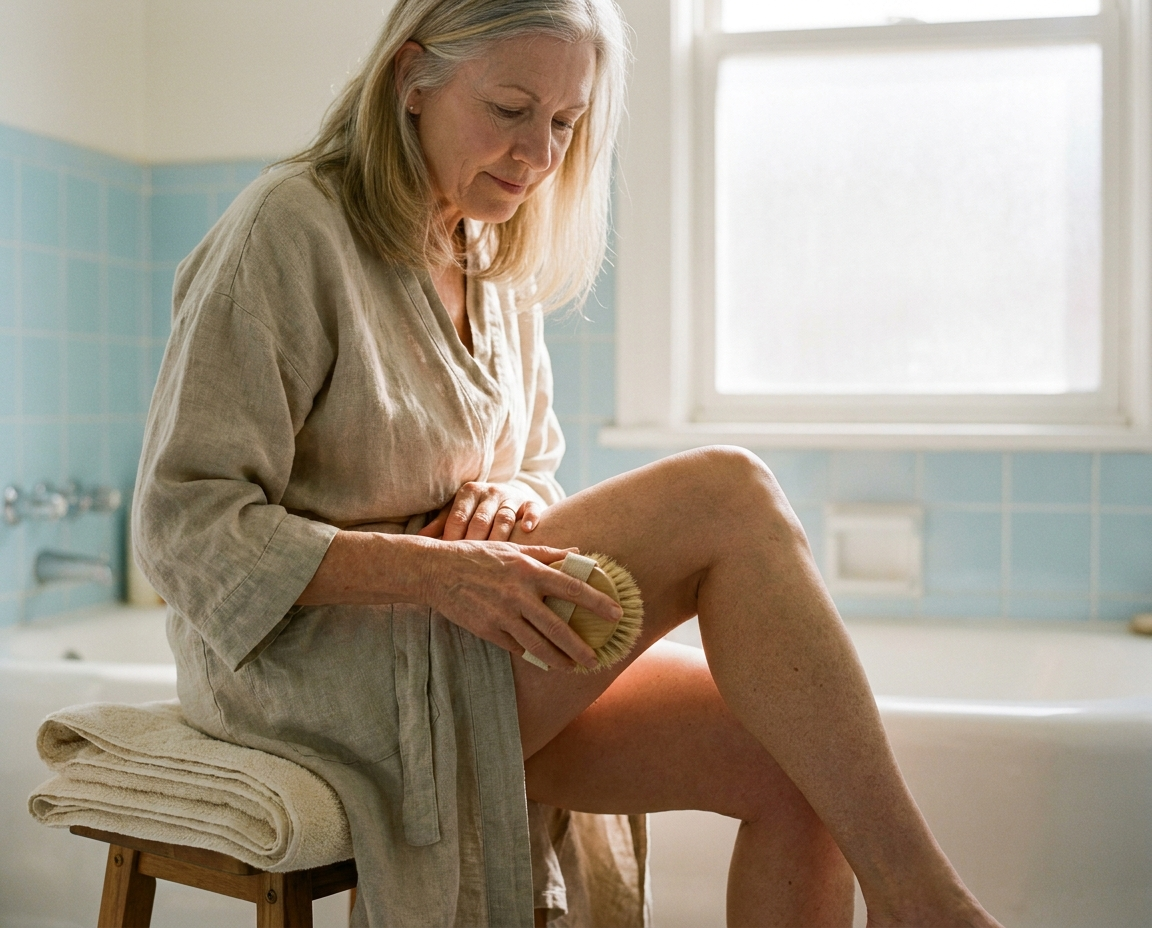
Cellulite tends to become more visible with age, and the reasons are layered. Skin itself gets thinner over the decades as collagen production slows – less collagen means less structural support in the dermis, and what lies beneath shows through more easily. Connective tissue loses elasticity, so the fibrous bands that tether fat to the skin become both stiffer and more uneven. Fat distribution also shifts, often concentrating in areas where cellulite is already present. And the lymphatic system itself becomes less efficient as circulation slows with age, leaving more fluid accumulating in tissues for longer periods than it would in younger years.
For women in their 50s, 60s, and beyond, these changes tend to compound. Research published in Menopause journals and dermatological literature confirms that estrogen deficiency accelerates cellulite development through multiple pathways. Estrogen helps maintain collagen synthesis, supports vascular tone in the small blood vessels, and helps regulate lymphatic circulation. When estrogen levels drop sharply around menopause, vascular permeability increases, microcirculation worsens, and the environment for both fluid retention and tissue weakening becomes notably less favorable. The result is that cellulite that might have been subtle in earlier decades can appear quite pronounced in the postmenopausal years – often despite no significant changes in weight or activity level.
This is where lymphatic drainage can be especially meaningful for older skin. While no topical or manual technique can reverse the structural changes in connective tissue or restore estrogen levels, regularly moving lymph fluid does reduce the fluid overload that worsens the appearance of loose, thinning skin. Many older women who commit to regular MLD sessions report that even if the cellulite itself does not disappear, the quality of their skin – its texture, its firmness to the touch, the degree of puffiness – improves noticeably. Less fluid means less pressure on those weakened connective tissue walls, and the skin surface responds. It is a realistic benefit, and for women who have felt frustrated by their skin’s texture, that is worth knowing.
Can You Do Lymphatic Drainage at Home?
Professional MLD with a certified therapist is the gold standard, but there are real things you can do at home to support lymph flow and complement professional sessions. Dry brushing is one of the most accessible. Using a natural-bristle brush on dry skin before a shower, with long strokes moving always toward the heart, stimulates the superficial lymph vessels and exfoliates the outer skin layer at the same time. Start at the feet and work upward on the legs, then from the hands up the arms, and work gently across the abdomen in circular motions. Spend extra time on areas prone to cellulite, like the outer thighs and buttocks, without pressing so firmly that the skin reddens painfully.
Body gua sha – using a smooth-edged tool to make gentle scraping strokes over oiled skin – is rooted in traditional Chinese medicine and has been adopted widely as a lymphatic self-care technique. When done with very light pressure and always moving in the direction of lymph flow, it can help shift stagnant fluid, reduce puffiness, and temporarily smooth skin texture. It is particularly well-suited to areas like the inner thighs and calves where fluid tends to pool. Apply a generous body oil first to allow the tool to glide without dragging, and keep strokes slow and deliberate rather than fast and forceful. Self-massage with the hands – using gentle upward kneading and circular strokes on the thighs, hips, and buttocks – works on the same principle.
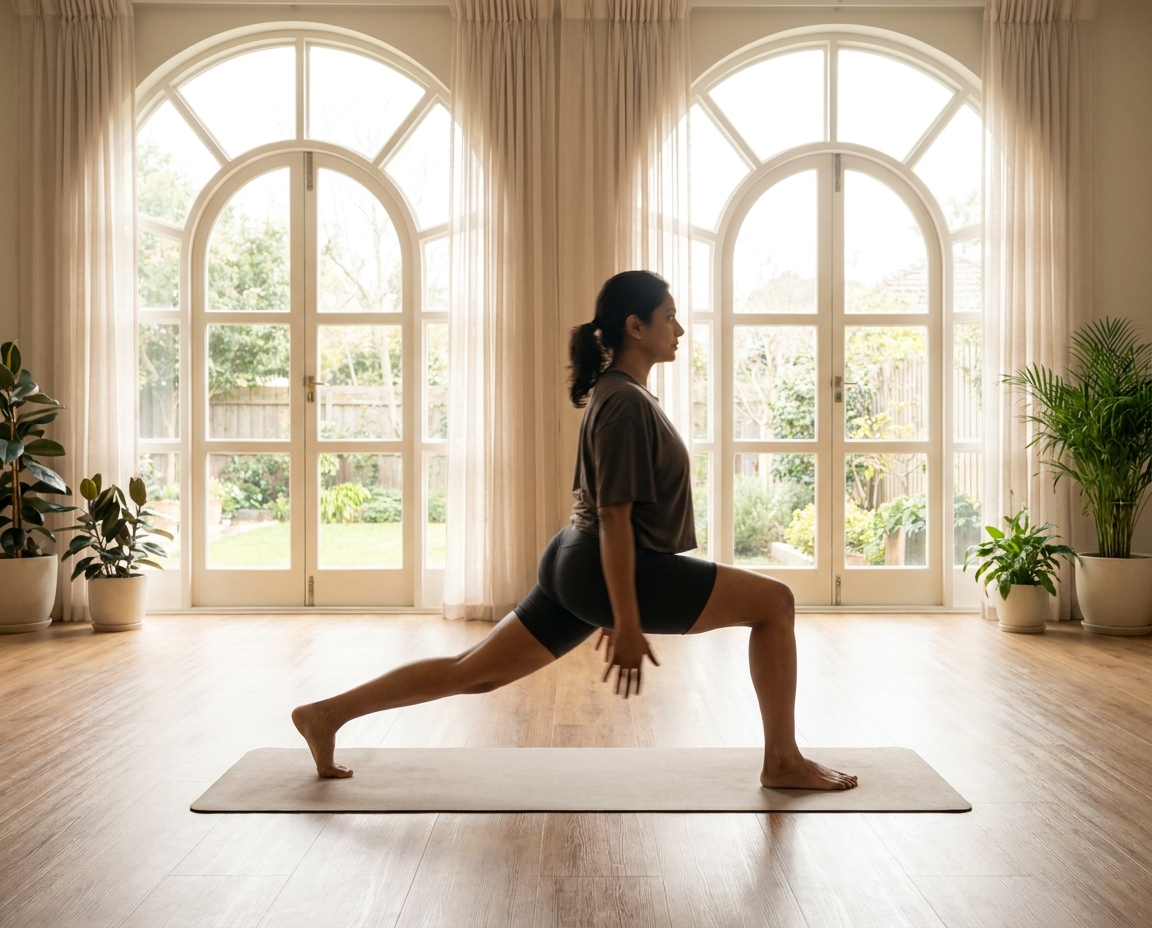
Movement is, arguably, the most effective daily support for the lymphatic system. Because lymph flow depends on muscle contractions around the vessels, any physical activity drives lymph through the body more efficiently. Walking, swimming, rebounding (jumping on a mini trampoline), and yoga all promote lymph circulation. Even deep diaphragmatic breathing creates pressure changes in the chest cavity that help move lymph toward the thoracic duct where it drains into the bloodstream. Staying well hydrated also matters: lymph fluid is largely water, and mild dehydration makes it thicker and slower-moving.
What Results Should You Realistically Expect?

Results from lymphatic drainage for cellulite are real but modest, and they are not permanent without ongoing maintenance. Most people who receive a course of professional MLD – typically 6 to 10 sessions over several weeks – notice that the skin surface looks smoother and less puffy, that the texture feels softer, and that the overall appearance of the area improves. These changes are largely due to reduced interstitial fluid and decreased local inflammation rather than any change in the fat or connective tissue structure. Once sessions stop and normal lifestyle resumes, fluid gradually accumulates again and some of the improvement fades – which is why practitioners typically recommend maintenance sessions every few weeks alongside daily home routines.
It is also worth saying clearly what lymphatic drainage cannot do. It will not eliminate deep fibrotic cellulite, significantly reduce fat deposits, or tighten seriously lax skin. For those deeper structural issues, treatments with clinical evidence behind them include radiofrequency devices, acoustic wave therapy, subcision, and some laser-based systems – these address the fibrous bands and collagen remodeling in ways that manual work cannot. But none of those approaches improve the fluid and circulation component the way lymphatic drainage does, which is why combining MLD with one or more clinical treatments often yields better results than either alone. Lymph drainage is not a standalone cure, but it is a genuinely useful tool in a broader strategy.
FAQs
How often should I have lymphatic drainage massage for cellulite?
Most practitioners recommend starting with a course of 6 to 10 sessions, ideally once or twice per week. After that, monthly or bimonthly maintenance sessions help sustain the results. Daily at-home practices – dry brushing, self-massage, or body gua sha – extend the benefit between professional appointments.
Is professional lymphatic drainage better than doing it at home?
Yes, a certified MLD therapist can work more precisely and access deeper lymph pathways than most people can reach on themselves. But home techniques still stimulate superficial lymph flow and are worth doing consistently. The best outcomes tend to come from combining both.
Can lymphatic drainage help if I have had cellulite for decades?
It can still help reduce the appearance of cellulite and improve skin texture regardless of how long you have had it. The fluid component of cellulite responds to lymphatic work at any age. Keep in mind that older, more established cellulite often has a larger fibrous component, so the improvement may be less dramatic than in someone whose cellulite is more recently developed and more fluid-driven.
Are there any situations where I should avoid lymphatic drainage?
Yes. Avoid MLD if you have active infection, blood clots (deep vein thrombosis), active cancer, or significant heart or kidney problems that affect fluid balance. Always consult a healthcare provider before beginning treatment if you have any of these conditions. For most healthy adults it is a very gentle and safe therapy.
Does drinking more water help lymphatic drainage for cellulite?
Hydration genuinely supports lymphatic function. Lymph fluid is largely water, and being adequately hydrated keeps it moving more freely through the vessels. Well-hydrated tissue also looks and feels firmer. It is not a standalone solution, but staying hydrated amplifies the benefit of massage and movement.
How soon after a session will I notice a difference?
Many people notice their skin looks smoother and feels less puffy within a day or two of a session. The effect peaks a few days after treatment as fluid clears and then gradually diminishes as fluid reaccumulates over the following one to two weeks. A sustained course of sessions is what builds and maintains visible improvement over time.
Lymph drainage will not rewrite the structure of your skin or erase cellulite entirely – nothing will do that short of surgery. But it does something genuinely useful: it addresses the fluid and circulatory component of cellulite that many other treatments overlook entirely. For skin that looks puffier and more dimpled than it used to, that carries extra fluid from hormonal shifts or reduced activity, or that simply feels less firm than you would like, regular lymphatic work – whether with a therapist or through daily home routines – can make a real and visible difference. It is one of those approaches that rewards consistency over time, and that suits it well to anyone who wants to support their skin’s appearance in a low-risk, non-invasive way.
Related Posts