May
If you click on links we provide, we may receive compensation.
Dark circles are one of the most searched skincare concerns on the internet, and also one of the most misunderstood. The conventional wisdom – that they are caused by poor sleep and cured by cucumber slices – explains perhaps ten percent of cases. The reality is considerably more layered. A 2025 systematic review and meta-analysis published in Dermatologic Therapy, which analyzed the full body of pharmacological and procedural treatments for periorbital dark circles, described the condition as having a genuinely multifactorial etiology: it involves vascular changes, pigmentation accumulation, structural volume loss, and skin thinning, often in combination. What works for one type does almost nothing for another, which is why the person faithfully applying caffeine eye cream every morning may see no improvement if their circles are structural rather than vascular. Getting the right answer requires first asking the right question – not just ‘how do I fix this’ but ‘which kind do I actually have?’
Why do dark circles have more than one cause?
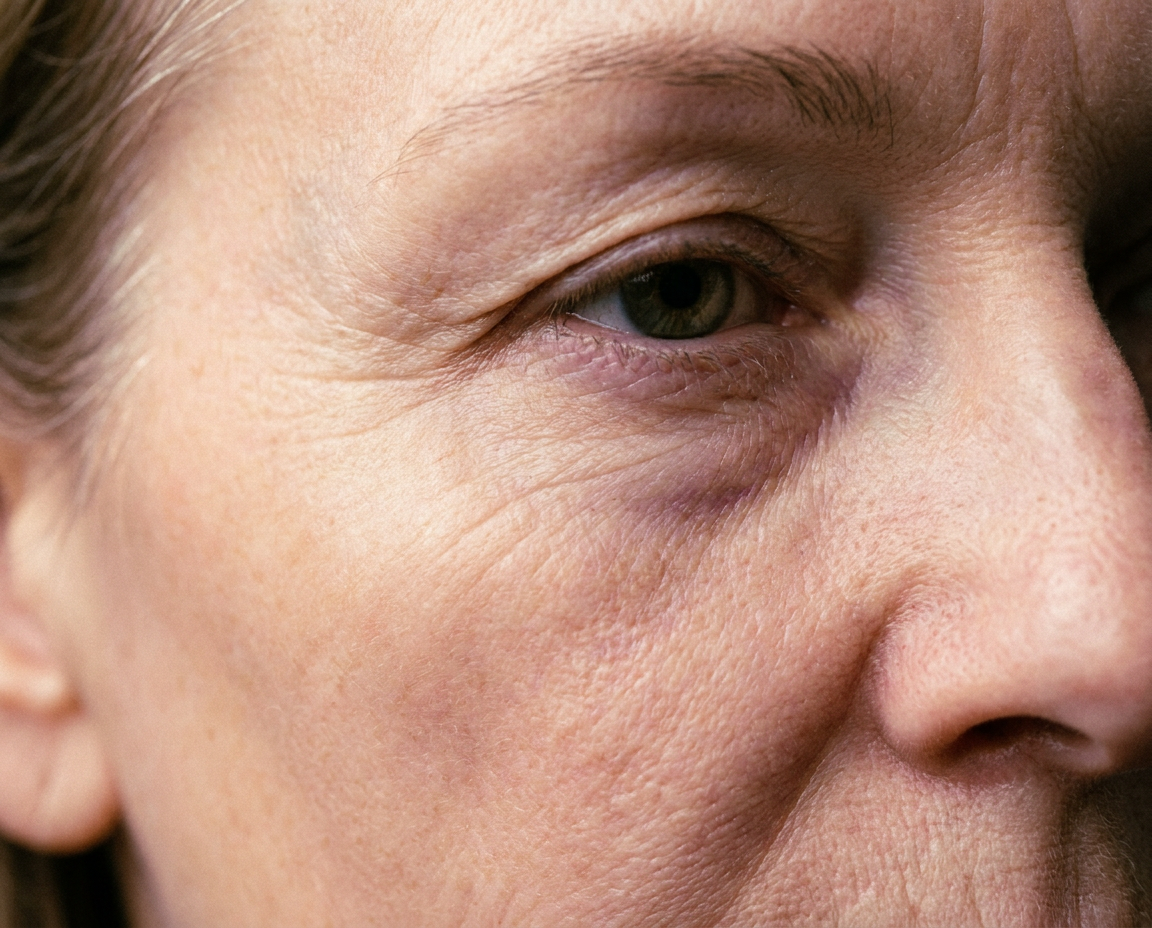
The skin under and around the eyes is the thinnest on the entire face – typically 0.5 millimeters compared to 2 millimeters elsewhere. That thinness means everything happening beneath the surface is visible in ways it would not be on thicker skin. Blood vessels sitting just below the surface show through as bluish or purplish discoloration. Pigment accumulation – from sun damage, friction, or post-inflammatory changes – sits in shallow layers that are hard to treat without affecting surrounding tissue. And the structural architecture of the face, which includes fat pads, ligaments, and bone, casts shadows that read as darkness even when the skin itself is perfectly even in tone. These three mechanisms – vascular, pigmentary, and structural – are the primary drivers, and most people with persistent dark circles are dealing with at least two of them simultaneously.
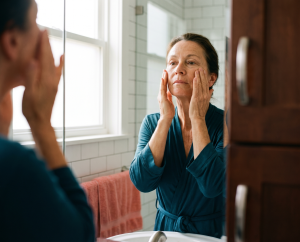
Vascular dark circles tend to look bluish or purplish and are most noticeable in the inner corner of the eye, where fine vessels run close to the surface. They are often worse in the morning, after alcohol, or after a poor night’s sleep – all circumstances that increase blood pooling in the periorbital vessels. Pigmentary dark circles look brownish and are often most noticeable in people with naturally higher levels of melanin – Fitzpatrick skin types III through VI are disproportionately affected, and the pigmentation can extend beyond the orbital rim onto the cheeks. Structural dark circles are shadows rather than discoloration: they result from volume loss in the tear trough and mid-face, which creates a hollow that the lighting of everyday life turns into a persistent shadow. Telling them apart is easier in front of a mirror than it sounds – gently stretching the skin under the eye and watching whether the darkness moves or fades will tell you a great deal about which mechanism is dominant.
What happens to dark circles as skin ages?
Aging makes all three types worse, and it does so through overlapping mechanisms that compound each other over time. The periorbital skin becomes progressively thinner as collagen production slows – starting in the mid-thirties and accelerating through the fifties and sixties. Thinner skin means more vascular visibility, which deepens the appearance of vascular circles even if the underlying vasculature has not changed. At the same time, collagen loss reduces the skin’s structural integrity, making it less resilient and more prone to showing the effects of daily expression lines and repeated muscle movement. The orbicularis oculi – the muscle that controls blinking and squinting – works constantly, and that repeated movement on increasingly thin skin contributes to the textural changes that make the under-eye area look older faster than almost any other part of the face.
Volume loss is the structural change most responsible for the deepening of dark circles in mature faces. The fat pads beneath the eyes – the malar fat pad and the orbital fat – shrink and shift downward with age, leaving a hollow along the orbital rim called the tear trough. This depression creates a shadow that no topical product can fill, because the darkness is not in the skin – it is a light and geometry problem created by the altered topography of the face. This is why dark circles that were mild at forty can look dramatically more pronounced at sixty, even without any change in sleep habits or hydration. The face has literally changed shape in a way that creates shadow where there was none before.
Pigmentary accumulation also worsens with age, particularly in people who were not consistent with sun protection earlier in life. The periorbital area is one of the most under-protected regions of the face – people frequently miss it when applying SPF, and sunglasses, while helpful, leave the inner and lower orbital area exposed. Years of unprotected UV exposure drive melanin production in already-thin periorbital skin, resulting in the brownish discoloration that sits on top of whatever vascular or structural darkness is already present. This layering effect is what makes mature-skin dark circles particularly resistant to single-ingredient treatments.
Which topical ingredients actually work for dark circles?

A peer-reviewed review published in the CME Journal of Geriatric Medicine evaluated the efficacy of multiple active ingredients specifically on periorbital concerns and produced results that are more specific than most consumer-facing information. Retinoids – vitamin A derivatives – proved the most effective overall, with 68.75 percent of patients reporting measurable improvement in dark circle appearance. Retinol works by accelerating cell turnover, which helps address surface pigmentation and improves skin thickness over time. For vascular circles, the improved skin thickness translates directly to less vessel visibility. For pigmentary circles, the increased turnover speeds the shedding of pigmented cells. The caveat with periorbital retinol use is that the skin is sensitive: starting with a low concentration (0.025 to 0.05 percent) applied every other night, with a buffer of moisturizer between skin and product, significantly reduces the risk of irritation.
Retinoids – vitamin A derivatives – proved the most effective overall, with 68.75 percent of patients reporting measurable improvement in dark circle appearance.
Vitamin C came second in the same review, with 56.25 percent of patients showing improvement. It addresses dark circles through two mechanisms: it inhibits tyrosinase, the enzyme responsible for melanin production, which reduces pigmentary darkness over time; and it supports collagen synthesis, which gradually improves skin thickness. The challenge with vitamin C in the periorbital area is stability – L-ascorbic acid, the most potent form, degrades quickly and requires a low pH that can irritate thin skin. More stable derivatives like ascorbyl glucoside or sodium ascorbyl phosphate are gentler and better suited to this area, though they work more slowly. A 2024 clinical study on a multicorrective topical eye formulation found that vitamin C combined with peptides, caffeine, and botanical extracts reduced periorbital darkness measurably over a six-week period – suggesting that combination formulations outperform single-ingredient products.
Peptides and ceramides, evaluated together, produced improvement in 75 percent of patients in the same review – the highest rate of any treatment tested. Peptides stimulate collagen production, improving skin thickness and reducing the vascular visibility that underlies many dark circles. Ceramides reinforce the skin barrier, which is often compromised in the thin periorbital skin and contributes to increased sensitivity and slower repair. The combination addresses both structure and protection simultaneously, which may explain the synergistic result. Niacinamide – vitamin B3 – inhibits melanin transfer to skin cells and has a strong safety profile for sensitive areas, making it a practical addition to any periorbital routine aimed at pigmentary concerns. Caffeine remains the most effective ingredient for puffiness specifically, with 75 percent of patients responding, though its effect on the darkness itself is modest and primarily vascular.
How does aging skin around the eyes need different care?

The periorbital area in mature skin requires a more calibrated approach than the rest of the face, and the instinct to simply intensify actives – using a higher concentration retinol or a more acidic vitamin C – tends to backfire. Irritation in this area is not just uncomfortable: it drives inflammation, and inflammation in skin that is already thin and prone to post-inflammatory pigmentation can actually worsen darkness rather than improve it. The principle to work from is gentle consistency over aggressive intervention. A low-concentration retinoid used three to four nights per week, built up slowly over months, will outperform a high-concentration product used once then abandoned because of irritation.
Hydration is more important in the periorbital area than almost anywhere else, both as a standalone benefit and as a prerequisite for active ingredients to work without causing damage. A deeply hydrated under-eye area has better barrier function, which means actives penetrate more efficiently and irritation is less likely. Hyaluronic acid and glycerin are the workhorses here – both are humectants that draw moisture into the skin and hold it. Applying a hyaluronic acid serum before an eye cream or retinol creates a buffering layer that both hydrates and reduces the irritation potential of the active. Ceramide-containing formulas used as the final step lock in that hydration and support the barrier over time.
Sun protection applied consistently to the periorbital area is the single most important preventive measure for pigmentary dark circles, and it is the one most frequently neglected. The skin under the eye is often excluded from SPF application because people worry about product migrating into the eye. Mineral sunscreens – zinc oxide and titanium dioxide – are generally better tolerated in this area than chemical filters, and there are formulations specifically designed for periorbital use that are tested for eye safety. Sunglasses with UV-blocking lenses provide meaningful additional protection for the lateral and upper orbital area. Consistent daily SPF application in this area from the forties onward is one of the few interventions with a genuine preventive effect on the long-term progression of periorbital pigmentation.
What lifestyle factors make dark circles worse and what actually helps?

Sleep deprivation is real but overrated as a cause. What sleep loss actually does is increase fluid retention and reduce vascular tone, both of which worsen the appearance of vascular dark circles temporarily. People who are genetically predisposed to thin periorbital skin or high melanin levels will have dark circles regardless of how well they sleep – and conversely, people with structurally favorable anatomy may be able to stay up late regularly without noticeable effect. That said, for anyone with vascular-type circles, consistent sleep on an elevated pillow – which reduces fluid pooling in the face overnight – does make a measurable difference that you can observe in the mirror.
Alcohol is a more reliable trigger than sleep deprivation for most people. It causes systemic vasodilation and fluid redistribution, both of which worsen periorbital puffiness and the bluish discoloration of vascular circles. Caffeine intake, counterintuitively, has a mild beneficial effect on vascular dark circles when consumed systemically – it causes vasoconstriction that slightly reduces vessel visibility, the same mechanism as caffeine in topical products. Allergies are a frequently overlooked contributor: the inflammatory response that comes with seasonal or perennial allergies causes histamine-driven vasodilation in the periorbital area and the habitual eye-rubbing that allergies provoke drives melanin production through repeated low-grade trauma to the thin periorbital skin. Treating allergies effectively – including antihistamines when appropriate – can produce a meaningful improvement in dark circles that topical products alone cannot match.
Hydration has a modest but real effect on vascular dark circles: dehydrated skin is less resilient and more translucent, which increases vessel visibility. Drinking adequate water does not make dark circles disappear, but it does support the skin’s ability to maintain thickness and barrier function, which are already under pressure from the aging process. Screen time contributes through a different route: prolonged near focus causes the periorbital muscles to contract repeatedly, increasing blood pooling in the local vasculature and causing the fatigue that makes circles look worse by mid-afternoon. Periodic breaks from screen focus – looking at a distant point for 20 seconds every 20 minutes – is a small habit with a real cosmetic benefit for the under-eye area that most people have not considered.
Frequently Asked Questions
Can dark circles go away completely with topical products?
It depends entirely on the type. Pigmentary dark circles can show significant improvement – sometimes substantial – with consistent use of retinoids, vitamin C, and niacinamide over three to six months. Vascular dark circles can be reduced but rarely eliminated with topical products; the visibility of the vessels is partly a fixed anatomical fact. Structural dark circles – those caused by volume loss and tear trough hollowing – cannot be addressed by topical products at all. They require volumizing treatments (hyaluronic acid fillers placed by a trained injector) or fat transfer. For most people over fifty, the realistic goal is meaningful improvement rather than complete resolution.
Is retinol safe to use under the eyes?
Yes, with appropriate precautions. Start at the lowest available concentration (0.025 to 0.05 percent), apply every other night rather than nightly, and use a layer of plain moisturizer as a buffer between the skin and the retinol. Avoid the immediate eyelid margin. Build frequency gradually over eight to twelve weeks. The periorbital skin is more sensitive than the rest of the face, but it also responds well to retinol precisely because it is thinner and cell turnover there is slower – the improvement in skin thickness and pigmentation is real, it just requires a patient approach to avoid the irritation that derails most people.
Do eye creams actually work or are they just moisturizers in smaller packaging?
Both things are true at once. Many eye creams are functionally similar to face moisturizers and the premium price reflects marketing more than formulation. But some eye creams contain active concentrations of ingredients – retinoids, peptides, vitamin C derivatives, caffeine – that are specifically calibrated for periorbital use and would cause irritation if applied from a standard face product at standard concentrations. The key is to look at the ingredient list rather than the packaging. An eye cream that lists retinyl palmitate, a peptide complex, and niacinamide in the first several ingredients is doing something different from one that lists primarily emollients.
How long before I see results from an eye cream?
Caffeine’s de-puffing effect is visible within 20 to 30 minutes of application. For any other benefit – brightening, thickening, pigmentation reduction – allow a minimum of eight to twelve weeks of consistent daily use. Most clinical studies measuring topical efficacy for periorbital dark circles run for six to twelve weeks, and the improvements seen in those timeframes are real but gradual. Taking a standardized photograph in the same light each week is the most reliable way to track change, because the improvement is too gradual to notice day to day.
Are there any professional treatments worth considering?
Yes, and for structural and vascular dark circles they can be significantly more effective than topical products. Hyaluronic acid filler placed in the tear trough by an experienced injector addresses structural shadows and can produce a dramatic improvement that persists for one to two years. Laser treatments – particularly Q-switched Nd:YAG – target pigmentary dark circles and have good evidence behind them. Platelet-rich plasma (PRP) injections improve skin quality and thickness over several treatments. The 2025 systematic review noted that combination therapies – such as nanofat with PRP – are emerging as the most effective approach for complex cases. These are investments of time and money, not casual choices, but for persistent dark circles that have not responded to six months of consistent topical treatment, a consultation with a dermatologist is a reasonable next step.
Can genetics be overcome?
Partially. Genetic factors influence how thin periorbital skin is, how much melanin the periorbital area produces, and the architectural structure of the tear trough – all of which affect baseline dark circle severity. These cannot be changed. But the lifestyle and skincare factors that accelerate the worsening of dark circles over time – sun exposure, inflammation, barrier disruption, volume loss from weight fluctuation – are modifiable. Consistent SPF, appropriate actives, and genuinely good sleep hygiene will not eliminate genetic predisposition but they will slow the progression considerably. Starting earlier is better, but starting at any age produces benefit.
Dark circles are one of those concerns where the gap between what people try and what actually works is particularly wide – because the cause is so often misidentified. Taking ten minutes to look carefully in a mirror, stretch the skin, observe the color and location, and think about which mechanism is actually driving the darkness will save months of frustration with the wrong products. The right approach – even if it is nothing more than a retinoid, a peptide-ceramide eye cream, and daily SPF – applied consistently to the right problem will produce real change. The under-eye area is not a lost cause. It is just an area that rewards precision over enthusiasm.
Related Posts