Oct
If you click on links we provide, we may receive compensation.
Dermatologists have an actual name for what happens to nails after months of back to back acrylic fills. It is called worn down nail syndrome, and it shows up as a thin triangular patch across the top of the nail plate, sometimes with tiny pinpoint spots of blood underneath where the nail has been filed almost to nothing. It is not a rare fluke either. A large European audit that tracks nail related allergic reactions found the rate more than doubled in under a decade, climbing from 0.91 percent of tested patients in 2016 to 1.98 percent in 2023, with artificial nails identified as the single biggest source of exposure behind that rise (https://pubmed.ncbi.nlm.nih.gov/39721608/). None of this means you have to give up your acrylic set! It does mean the nail underneath needs real attention between visits, not just a swipe of cuticle oil the morning of your next appointment.
What Does Wearing Acrylics Do To Your Natural Nails?
Getting acrylics to stick requires roughening the surface of your natural nail with a file so the product has something to grip onto. That single step thins the nail plate before a single drop of acrylic ever goes on top of it. Layer that on top of several weeks of wear, then a soak or scrape to remove the set, and the nail underneath can end up noticeably thinner than when you started. A recent systematic review of dermatologic conditions tied to nail cosmetics singled out worn down nail syndrome as one of the most commonly reported outcomes of long term acrylic wear, describing exactly that triangular thinning pattern with pinpoint bleeding underneath (https://www.ncbi.nlm.nih.gov/pmc/articles/PMC12539760/). It is the kind of damage that builds quietly, set after set, until it suddenly looks dramatic.
The American Academy of Dermatology notes that removing acrylics can strip away part of the nail’s own top layer, leaving it weak and brittle for roughly six months while healthy nail grows back in to fully replace it (https://www.aad.org/public/everyday-care/nail-care-secrets/basics/pedicures/reduce-artificial-nail-damage). That six month window matters because plenty of people go straight into their next fill long before that recovery is anywhere close to finished, and the damage from one set never really resolves before the next one begins. Over a year or two of that pattern, the nail plate can end up permanently thinner than it was before you ever tried acrylics. That does not mean the damage is unfixable. It means the recovery clock needs an actual chance to run out at least once in a while.
Why Do Some People React To Acrylic Nail Products?
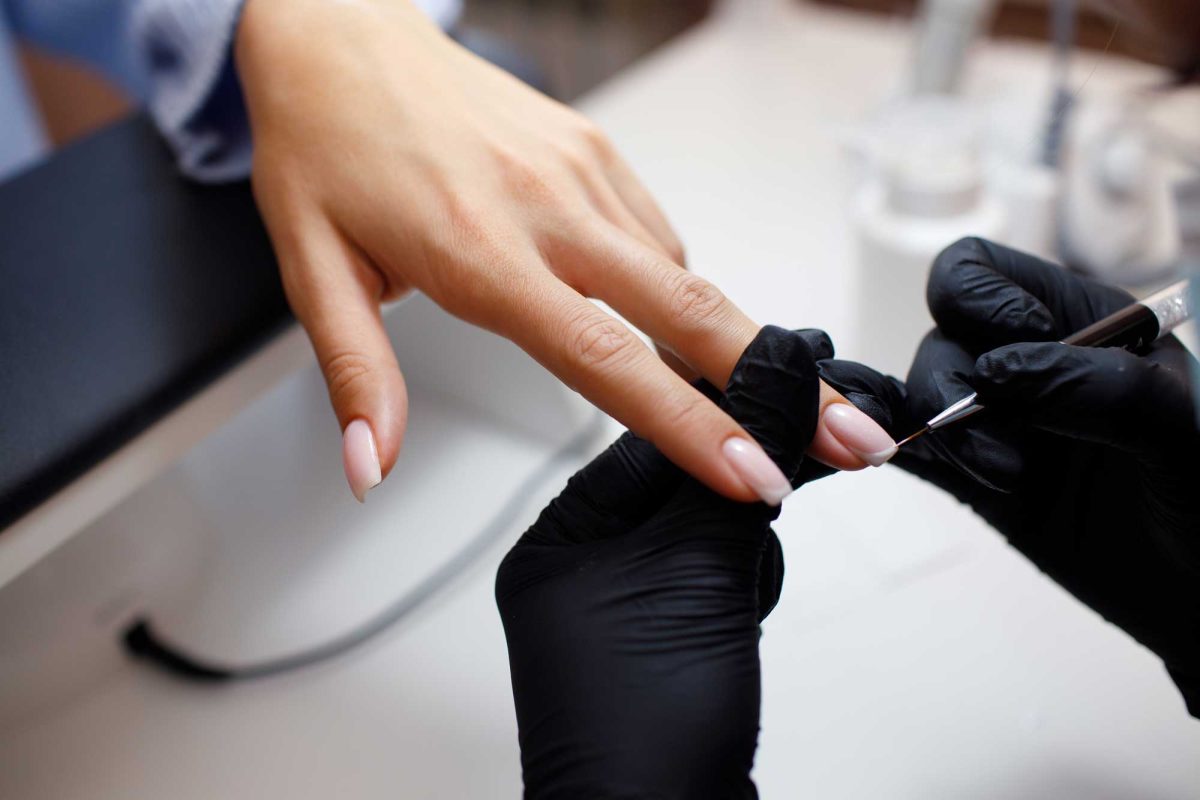
The adhesives and gels used in acrylic application contain a family of chemicals called methacrylates, along with cyanoacrylate and sometimes trace formaldehyde. For most people these cause no problem at all, appointment after appointment, for years. But sensitization tends to build with repeated exposure rather than showing up the first time, and researchers have watched allergy rates climb as more people wear artificial nails more often and for longer stretches. One clinical audit using an extended allergen panel found that 38.6 percent of patients referred for suspected nail cosmetic allergy tested positive for at least one acrylate, and artificial nails were the leading source of that exposure in both occupational and personal settings (https://pubmed.ncbi.nlm.nih.gov/39530709/).
Among people who did react, the large majority were women, and the reaction most often showed up on the hands, though it can spread to the eyelids and face simply from casual touching after a fresh application. If you notice redness, itching, or a burning feeling around the nail fold that shows up a day or two after a fill rather than immediately during the appointment, that delayed timing is itself a clue. Immediate stinging is usually just irritation from filing or chemical contact. A reaction that builds slowly over a day or two points more toward a developing allergy, and it is worth mentioning to your nail tech and considering a patch test with a dermatologist before your next set.

How Long Should You Wear Acrylics Before Taking A Break?
A widely repeated rule among nail technicians and dermatologists alike is to avoid wearing acrylics continuously for more than about three months, then to take roughly a month off before starting a fresh set. That break is not a marketing gimmick invented to sell more appointments elsewhere. It gives the nail plate real time to thicken back up and lets any early irritation around the cuticle calm down before it turns into something chronic. Skipping that pause indefinitely is exactly how a manageable amount of thinning turns into worn down nail syndrome over the course of a year.
If a full month off sounds unrealistic given your job or your schedule, even alternating acrylics with a few shorter stretches of bare, moisturized nails between sets makes a real difference compared to nonstop wear for a full year. Think of it less as an all or nothing rule and more like flossing. Some is better than none, and consistency matters more than doing it perfectly on a fixed calendar. A wedding season or a big trip is a reasonable time to push through without a break. A permanent, year round habit of zero breaks is where the real damage tends to accumulate.

What Can You Do Between Fills To Protect Your Natural Nails?
The single most useful habit is also the most boring one: keep the nail and the surrounding skin moisturized every day, not just the week before your next appointment. Cuticle oil massaged into the base of the nail at night helps the surrounding skin stay flexible instead of cracking, and a rich hand cream applied after every hand wash protects against the drying effect of soap and water, which acrylic wearers tend to underestimate. Resist the urge to pick or peel at lifting acrylic yourself, since that motion tends to rip away healthy nail layers along with the product, doing far more damage in ten seconds than a proper professional soak off ever would.

Gloves during dishwashing or heavy cleaning protect both the polish and the nail bed from prolonged water exposure, which weakens the bond between nail layers over time even when the acrylic itself looks fine. If your nail tech offers a lighter, thinner application or a shorter, more natural length, taking them up on it reduces the leverage that causes nails to crack or lift in the first place. The longer and thicker the extension, the more force gets transferred straight back into the natural nail underneath with every bump against a car door or a grocery bag. A shorter, thinner set that lasts just as long between fills is doing your actual nail a genuine favor.

Should You Switch To Gel Instead Of Acrylic?
Dermatologists frequently point people toward soak off gel manicures as a somewhat gentler alternative, and the American Academy of Dermatology specifically recommends gel for people who want the look of extensions without quite as much risk to the nail underneath (https://www.aad.org/public/everyday-care/nail-care-secrets/basics/pedicures/reduce-artificial-nail-damage). Gel flexes more than hard acrylic under everyday pressure, so your natural nail is less likely to crack outright when it gets bumped. That flexibility does not make gel risk free. Gel wear can still leave nails brittle, peeling, or thin if it becomes a permanent fixture rather than an occasional treat, and it uses many of the same methacrylate chemicals that cause allergic reactions in acrylic systems.
Removal matters just as much as the product choice itself, maybe more. A gel or acrylic set that gets soaked off slowly with proper acetone and gentle pressure does far less harm than one that gets pried, popped, or scraped off in a rush at the end of a busy salon day. If your appointment ever starts with someone reaching for a metal tool to crack the set off dry rather than soaking it first, that is worth speaking up about. That single rushed moment can undo weeks of otherwise careful nail care in about thirty seconds.
What About Aging Nails And Frequent Manicures?
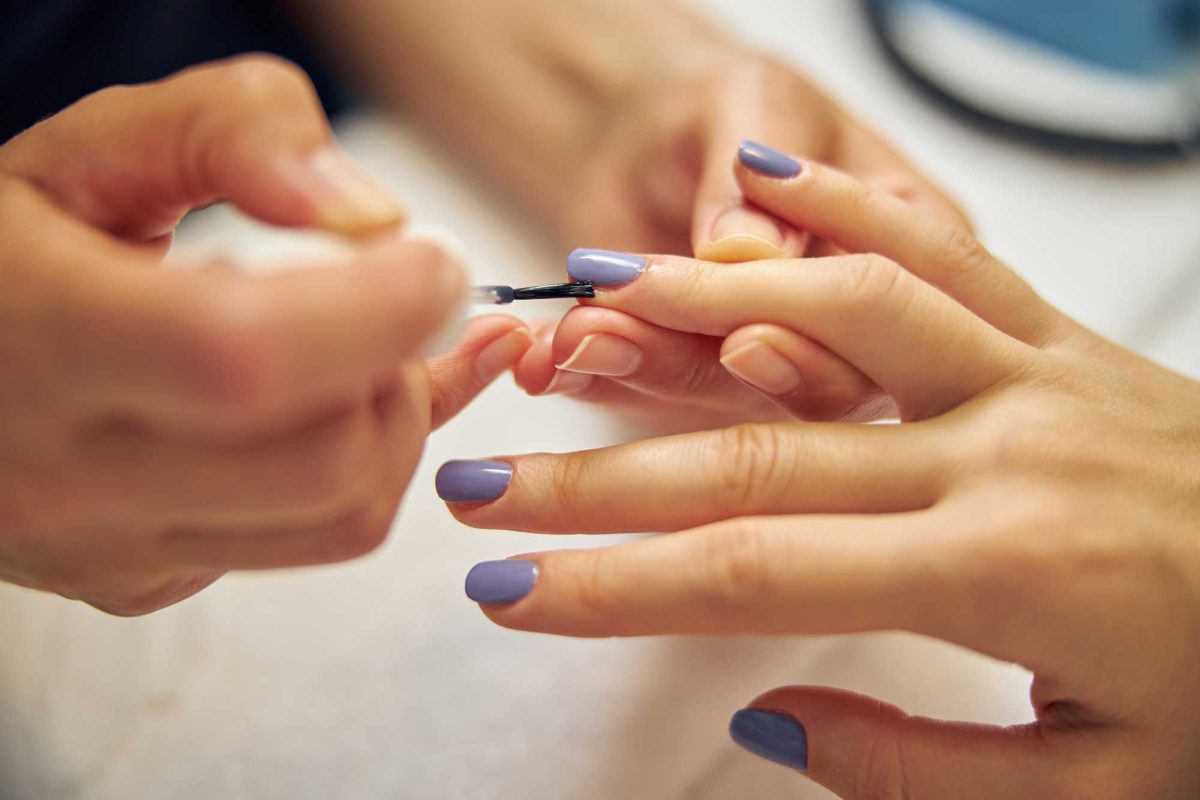
Nails naturally grow more slowly and become more brittle with age, and the skin around the cuticle thins too, which changes the math for anyone over 60 who still loves a fresh set every few weeks. A nail that already grows slowly takes longer to replace whatever gets thinned or filed away with each fill, so the same three month wear and one month break guideline deserves to be treated as a minimum rather than a loose suggestion. Waiting the same amount of time as a twenty five year old’s nail cycle simply is not enough time for an older nail plate to catch up.
The thinner, less elastic skin around older cuticles is also more prone to small cracks where allergens and moisture can get in, which raises the odds of that delayed contact reaction mentioned earlier in a real way. None of this means older hands cannot have beautifully manicured nails! It just means the between appointment habits carry more weight than they did decades ago. The daily moisturizing, the gentler filing, the honest conversation with your nail tech about pressure and thickness, all of it shows up faster on older nails when skipped, and it takes noticeably longer to grow back out.

FAQs
How long should you wait between acrylic sets?
Most dermatologists and nail technicians suggest roughly a month of bare, moisturized nails after about three months of continuous wear, though even a shorter break between sets is better than none at all.
Does biotin help nails get stronger?
The evidence is mixed and mostly limited to small older studies, so biotin is not a guaranteed fix, though it is generally low risk to try alongside, not instead of, good moisturizing habits and gentle removal.
Can nails recover from years of frequent acrylics?
Yes, in most cases. Nails fully replace themselves roughly every six months, so once damaging habits stop, healthy growth can catch up, though long term damage to the nail matrix can occasionally slow full recovery.
Are gel nails safer than acrylics?
They tend to be a bit gentler because gel flexes rather than cracking, but gel is not risk free, and careless or rushed removal can damage the nail just as much as a poorly removed acrylic set.
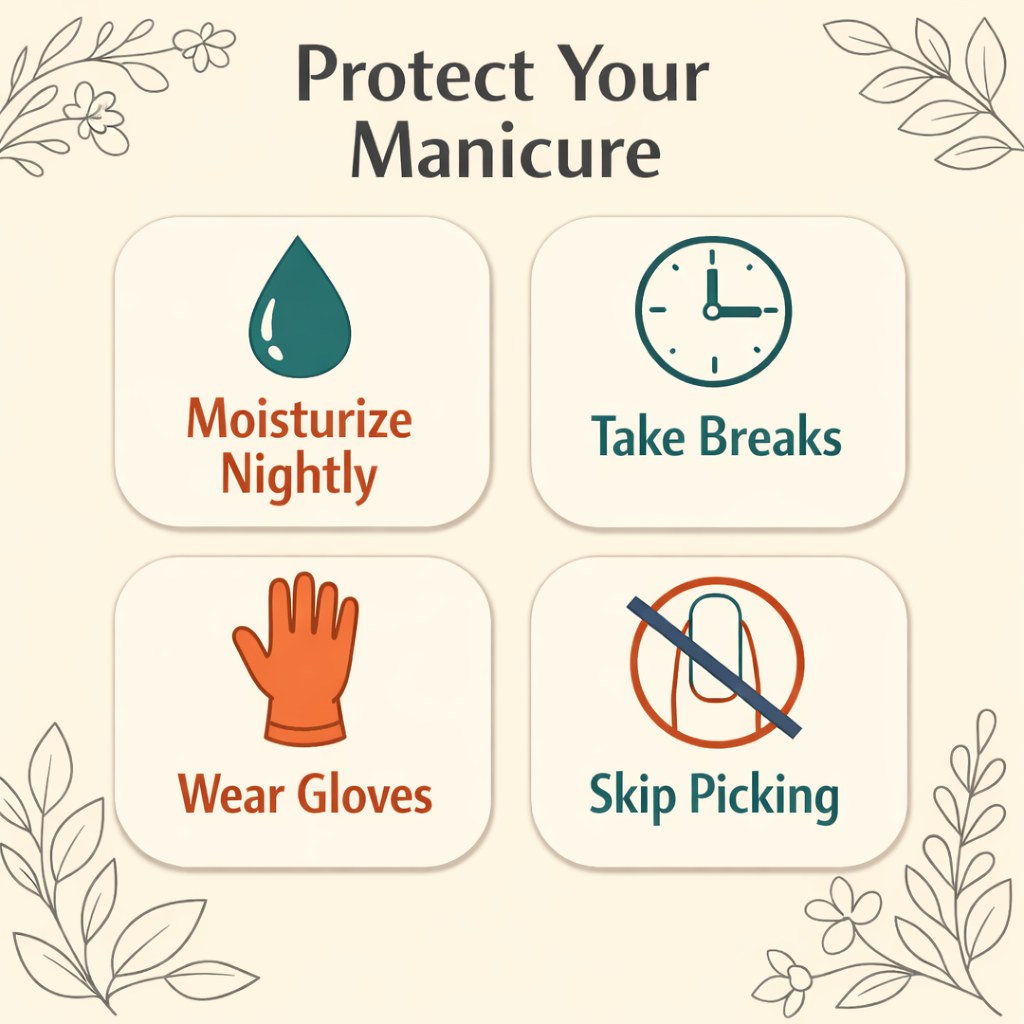
Frequent acrylics and healthy nails are not mutually exclusive, but they do require treating the weeks between appointments as part of the manicure rather than a gap before the next one. Moisturize daily, tell your nail tech honestly if a set feels heavy or tight, resist picking at lifting product, and give your nails an actual break on a schedule rather than only once they look bad enough to force the issue. Small, boring habits done consistently protect your natural nails more than any single expensive treatment ever will.
Related Posts