
Nov
Skincare, Trends & Opinions
Why Piling On Active Ingredients Can Make Your Skincare Work Worse
If you click on links we provide, we may receive compensation.
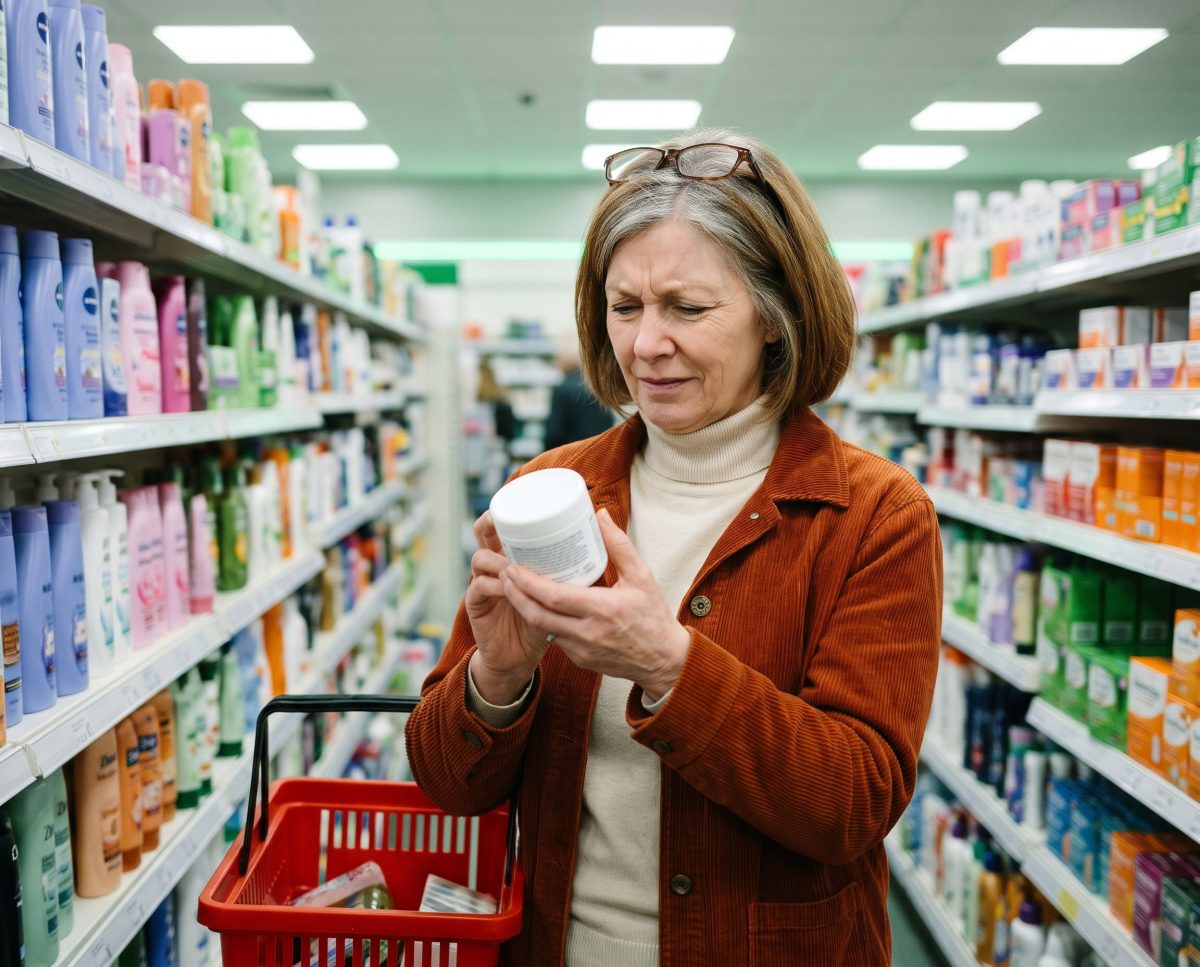
You’ve probably stood in a store aisle and turned a jar around to read the back. The front promises retinol, vitamin C, niacinamide, peptides, hyaluronic acid, bakuchiol and some rare flower you’ve never heard of. It feels like a bargain. Why buy five products when one jar seems to do it all? I get the appeal, and I’ve fallen for it more than once! But skin doesn’t keep score the way a label does. A long list of trendy actives often means nobody decided what the product was really supposed to do.
What does a dose-response curve have to do with your face?
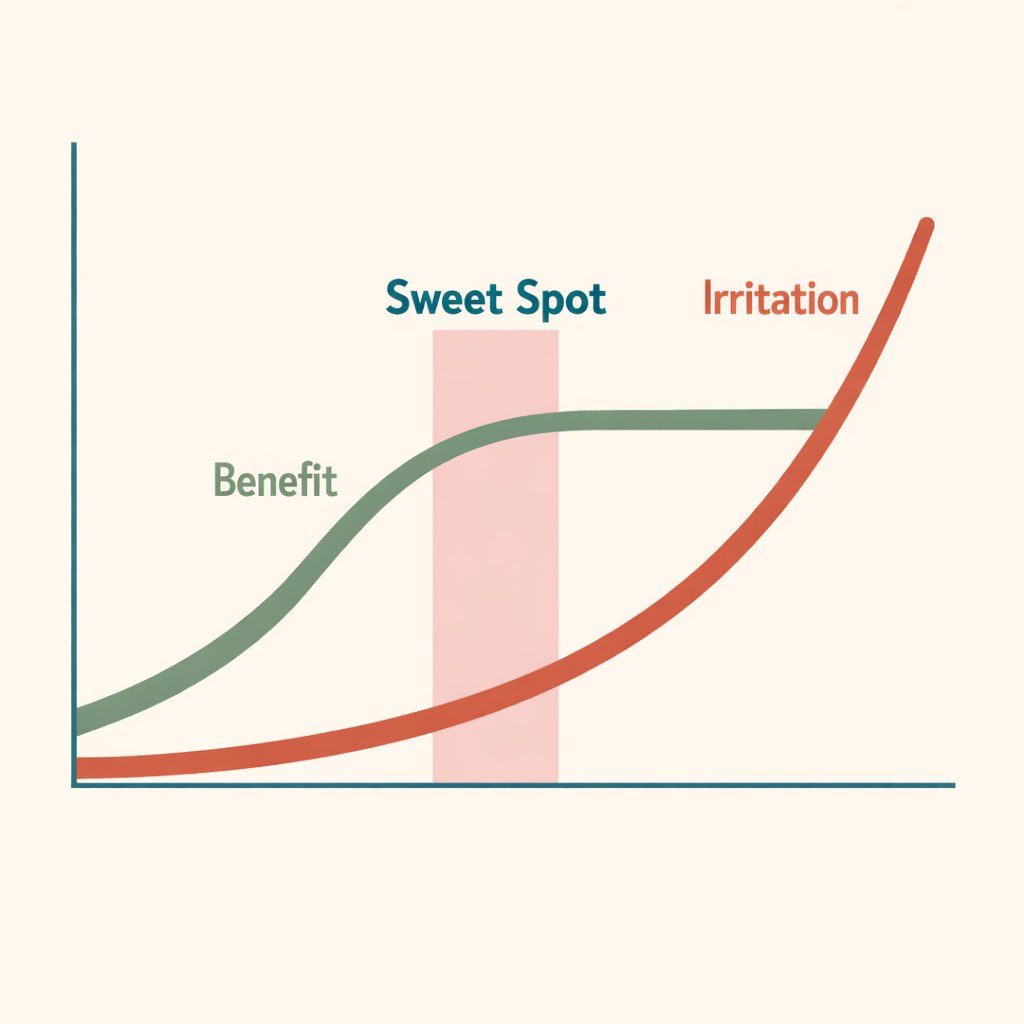
Pharmacologists use a simple idea called the dose-response curve. At very low doses, an ingredient does nothing you can measure. As the dose rises, the benefit climbs, sometimes quickly. Then the curve flattens. Past a certain point, adding more of the ingredient buys you very little extra benefit. And while the benefit curve levels off, a second curve keeps climbing – the one that tracks redness, stinging, peeling and dryness. The useful zone for any active sits in the gap between “enough to work” and “too much to tolerate.” Good formulators aim for that gap on purpose.
Retinol shows this clearly. A study published in the International Journal of Cosmetic Science compared 0.1%, 0.3% and 1% retinol on photodamaged skin. The 0.3% and 1% strengths were similarly effective at remodeling the skin’s structure. But in daily use, 0.3% caused fewer and milder side effects than 1% (https://pmc.ncbi.nlm.nih.gov/articles/PMC9826105). The authors noted that a better-tolerated strength lets people stay with it longer, and that’s where results come from. A stronger bottle that you abandon after two weeks of flaking does less for you than a gentler one you use for a year.
Prescription retinoids follow the same pattern. A 48-week trial of 99 people with sun-damaged skin, published in Archives of Dermatology in 1995, compared 0.1% and 0.025% tretinoin. Both strengths improved photoaging about equally, but the higher one caused noticeably more irritation. American Family Physician’s review of the evidence reached the same verdict, noting that the lower strength appeared as effective as the higher one while redness, burning, itching and peeling rose with concentration (https://www.aafp.org/pubs/afp/issues/1998/0315/p1404.html). So even with a drug, more isn’t automatically better. It’s often just more.
Is there really a ceiling on how much an ingredient can do?

Yes, and sometimes the ceiling is literal. Vitamin C is the classic case. In the absorption studies that shaped most modern vitamin C serums, researchers at Duke found that L-ascorbic acid had to sit at a pH below 3.5 to get into the skin at all. Tissue levels peaked at a 20% concentration, and the skin was saturated after three daily applications (https://pubmed.ncbi.nlm.nih.gov/11207686/). The Linus Pauling Institute points out that higher concentrations in those studies showed lower absorption (https://lpi.oregonstate.edu/mic/health-disease/skin-health/vitamin-C). Push past the ceiling and you get more acid on the surface, more stinging, and no more vitamin C where it counts.
Niacinamide is a newer example of the same thing. Much of the clinical research on dark spots, fine lines and oil control used 2% to 5%. The Cosmetic Ingredient Review panel’s safety assessment found no irritation in use tests up to 5% and no stinging up to 10% (https://pubmed.ncbi.nlm.nih.gov/16596767/). Then the market moved to 10%, 15% and even 20% serums. Higher numbers look stronger on a shelf, but there’s little published evidence that they outperform the moderate levels the studies used. What they do add is a greater chance of flushing and tingling, especially on dry or reactive skin.
The honest picture isn’t that low doses always win. A study of 72 Korean women aged 40 to 59 found that higher-concentration retinol did more for wrinkles and pores, while lower concentrations did better for brightness, skin tone and elasticity (https://pubmed.ncbi.nlm.nih.gov/36574043/). The right strength depends on the goal and on the skin wearing it. That’s the point. A good formula is built around a specific job at a specific dose, not around the biggest number the marketing team can print.
Advertisement
What happens when ingredients start working against each other?
Every active in a jar is a chemical, and chemicals react. Some combinations cancel each other out. Benzoyl peroxide is a strong oxidizer, and it breaks down tretinoin fast. In one study, mixing the two and exposing them to light destroyed more than half the tretinoin in about two hours and 95% within a day (https://pubmed.ncbi.nlm.nih.gov/9990414/). Newer delivery systems can protect fragile ingredients, and some pairings that once seemed off-limits turn out to be fine in the right base. But that protection has to be designed in. It doesn’t happen by accident because a brand added one more trending name to the list.
pH is the quieter problem. Vitamin C needs a very acidic base to penetrate. Many peptides and enzymes prefer something closer to neutral. Exfoliating acids work best at low pH, while some antioxidants degrade there. When a formula holds a dozen actives, the chemist has to pick one pH for all of them. Someone always loses. Often the ingredient that loses is the one featured in big letters on the box.
Then there’s the irritation that stacks. Retinol, glycolic acid, salicylic acid and vitamin C can each be gentle enough alone at a sensible strength. Put three of them in one product and their effects on the skin barrier add up. Your skin doesn’t experience them as separate ingredients. It feels one total load, and that load can cross the line into redness and peeling even when every single ingredient sits below its own irritation threshold.
Why do long ingredient lists raise the odds of a reaction?
Every ingredient you put on your face is something your skin has to tolerate. Each one is a small new chance of a reaction. The American Academy of Dermatology says there are more than 15,000 allergens that can cause allergic contact dermatitis, and that even products labeled “hypoallergenic,” “natural” or “clean” can trigger one (https://www.aad.org/news/how-to-test-skin-care-products-before-use). Botanical extracts and fragrance are common culprits. A 2022 study of 1,651 personal care products sold as clean or natural at three national US retailers found that more than a third contained fragrance mix (https://pmc.ncbi.nlm.nih.gov/articles/PMC9475434). A formula padded with plant extracts to sound sophisticated is also a formula with more ways to go wrong.
Sensitive skin is common, too. A systematic review covering more than 51,000 people in 18 countries found that 71% described their skin as sensitive to some degree (https://pubmed.ncbi.nlm.nih.gov/31869523/). Self-reports aren’t the same as a diagnosis, but the number tells you how many people already sit close to their own tolerance line. For them, one well-chosen active at the right dose is a much safer bet than a cocktail. If you count yourself in that group, every extra active is one more push toward your own limit.
Long lists also make it hard to troubleshoot. If your skin turns pink and tight after a new twelve-active serum, which ingredient did it? You can’t tell. With a product built around one or two actives, you know where to look, and you can switch to a different strength or form without guessing. That kind of clarity never makes it onto the front of the box.
Why does mature skin pay a higher price for overloaded formulas?

Skin changes as we get older, and the changes matter here. In a well-known study in The Journal of Clinical Investigation, researchers compared people aged 20 to 30 with people over 80. The older skin was easier to disrupt, and it repaired itself much more slowly. After a mild barrier injury, young skin had recovered about half its function within 24 hours. Older skin had recovered about 15% in the same time (https://www.jci.org/articles/view/117919). The authors linked this to a shortage of the lipids that hold the outer layer of skin together.
That has real consequences if you’re over 50 or 60. An irritating product doesn’t just sting for a minute. It opens a crack in a barrier that takes days to close, and a nightly application can reopen it before it heals. Mature skin also tends to be drier because oil glands slow down, which lowers the irritation threshold even more. So the gap between “enough to work” and “too much to tolerate” gets narrower with age. A formula that a 30-year-old shrugs off can leave a 65-year-old red and flaky for a week.
This is where restraint pays off. For mature skin, a product built around one proven active at a moderate strength, set in a base with ceramides, glycerin or fatty alcohols that support the barrier, usually beats a serum loaded with seven actives. You can still use retinol, vitamin C and exfoliating acids. Just give each one room to work, and maybe use them on different nights or at different times of day. Your skin will tell you if the load is right. Tightness, persistent pinkness and a sudden sensitivity to products you’ve used for years are signs to pull back.
So what does a thoughtful formula look like?

A good product usually has a clear purpose. It might be a retinol night cream meant to improve texture and fine lines, or a vitamin C serum meant to brighten and protect against free radicals. The active sits at a level supported by research, and the brand will often tell you that number. The rest of the formula supports the active instead of competing with it. That means a stable pH, packaging that keeps out air and light, and soothing or hydrating ingredients that make the active easier to tolerate.
Watch out for the opposite pattern. Some brands list a dozen fashionable ingredients but use most of them in tiny amounts. The industry calls this “fairy dusting” or “angel dusting” – adding a trace of a popular ingredient so it can go on the label, at a level too low to do anything (https://en.wikipedia.org/wiki/Angel_dusting). Ingredient lists in the US run in descending order of concentration down to 1%, and anything below 1% can be listed in any order. If the star ingredient shows up after the preservatives and the fragrance, it’s probably there for marketing.
Price and complexity aren’t proof of quality either. A short list can come from a careful chemist who knows exactly what each ingredient is doing. A long list can be a sign of a brand trying to hit every trend at once. I’d rather see one claim backed by research than ten claims backed by a mood board. And when a company publishes its active percentages and its clinical testing, that’s usually a good sign that it built the product around results.
How should you build a routine around fewer actives?
Start by deciding what you want to change. Pick one or two goals, such as fine lines and uneven tone, and choose an active known to help each one. Retinoids have the strongest evidence for aging skin, and daily sunscreen protects whatever progress you make. Vitamin C in the morning and a retinoid at night is a sensible pairing for most adults. Add a gentle cleanser and a good moisturizer, and you have a routine that dermatologists would recognize.
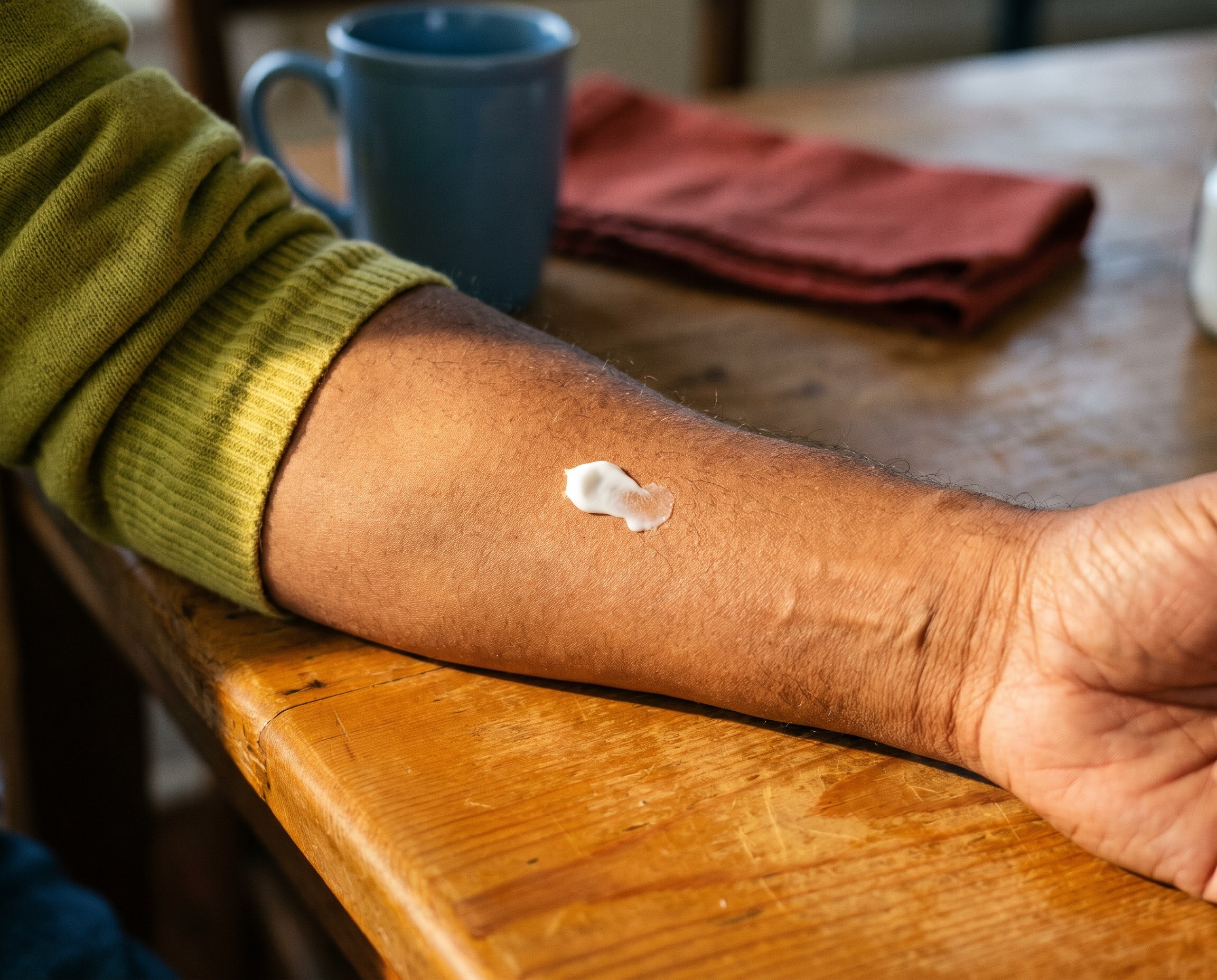
Introduce new actives one at a time. The AAD suggests testing a new product on a small patch of skin twice a day for seven to 10 days before using it all over (https://www.aad.org/news/how-to-test-skin-care-products-before-use). Start low and slow with retinoids, perhaps two or three nights a week, and build up as your skin adjusts. If a product stings every time, don’t push through it. Stinging isn’t proof that it’s working. Often it’s a sign that you’ve crossed your own threshold.
Check for overlap, too. Many people end up using the same acid in a cleanser, a toner, a serum and a moisturizer without noticing. Each product seems mild, but together they add up to far more exfoliation than skin needs. Lay your products out and read the labels side by side. You may find that you can drop two or three items and get better results.
FAQs
Is a higher percentage of an active ingredient always stronger?
It’s stronger in the sense that more of the ingredient is present, but that doesn’t mean better results. Many actives reach a plateau where more concentration adds little benefit while irritation keeps rising. Studies on retinol, tretinoin and vitamin C all show this pattern. The best strength is the one your skin can tolerate every day for months.
Can I use retinol and vitamin C together?
Most people can use both, but it’s usually easier to split them. Vitamin C fits well in the morning under sunscreen, and retinol works best at night. That timing keeps the pH needs of each ingredient from clashing and spreads the irritation load across the day. If your skin is very sensitive, start with one and add the other a few weeks later.
How do I tell if a product is “fairy dusted”?
Look at where the featured active falls on the ingredient list. If it appears near the end, after preservatives or fragrance, it’s probably present at a very low level. Brands that use meaningful amounts often state the percentage. When a product lists many trendy actives but gives no numbers, be skeptical.
Are multi-active products ever a good idea?
Yes, when they’re designed carefully. Some ingredients work well together, like niacinamide with ceramides, or vitamin C with vitamin E and ferulic acid. The difference is that a thoughtful combination has a reason behind each ingredient and a base built to keep them stable. Combinations built for the label, with no plan behind them, are the ones to skip.
Does mature skin need stronger actives to see results?
Not necessarily. Older skin often responds well to moderate strengths and tends to be more easily irritated. Because the barrier repairs more slowly with age, a gentler product you can use consistently usually does more good than a harsh one you can only use now and then. Your dermatologist can help you choose a strength if you’re unsure.
The next time a jar promises ten miracle ingredients, read it the way a chemist would. Ask what the product is for, which ingredient does the heavy lifting, and whether it’s there in an amount that matters. A short, focused formula won’t make for an exciting label, and it may not look like much of a bargain. But your skin responds to how much of an ingredient reaches it and whether it can tolerate that amount. The number of names on the back doesn’t enter into it. Pick fewer things that work, use them steadily, and give them time. That’s still the most reliable path to skin that looks and feels better.
Related Posts
 The Salmon DNA Skincare Ingredient Dermatologists Love and Its Vegan Rival
 The Skincare Ingredients Worth Your Attention Right Now in 2026
 The Role of Biotechnology in Creating New Skincare Ingredients
 Exosomes Are the Hottest Word in Skincare. Is the Science Ready for Them?
 Encapsulation in Skincare Sounds Impressive but Does It Actually Work
 Is Medical Grade Skincare Real or Just Clever Marketing
 Why Your Skin Makes Dark Spots and the Ingredients Proven to Fade Them
 Everything I Wish I Had Known About Skincare in My Twenties
 Tranexamic Acid Started in the Operating Room and Is Now Taking Over Your Skincare Shelf
 The Age to Start Anti-Aging Skincare Will Probably Surprise You
 Your Drugstore Is Hiding Some of the Best Skincare Money Can Buy
 The Skincare Step Most People Skip That Makes Everything Else Work Better
