

Nov
If you click on links we provide, we may receive compensation.
You know the routine by heart. You smooth on the same moisturizer you’ve trusted for years, and by lunch your shins feel tight and your cheeks look a little papery. The product didn’t change. Your skin did. It can feel unfair, because you’re doing the same things and getting less back for the effort. I think the reason is worth knowing, because once you see what’s going on under the surface, the fixes start to make a lot more sense.
What are skin lipids, and where do they live?
The outermost layer of your skin is called the stratum corneum. Dermatologists like to describe it as a brick wall. The bricks are flattened, dead skin cells called corneocytes. The mortar between them is a mix of fats, or lipids, stacked in thin, orderly sheets. That mortar is what keeps water in and irritants out, and it’s the part that changes most as we get older.
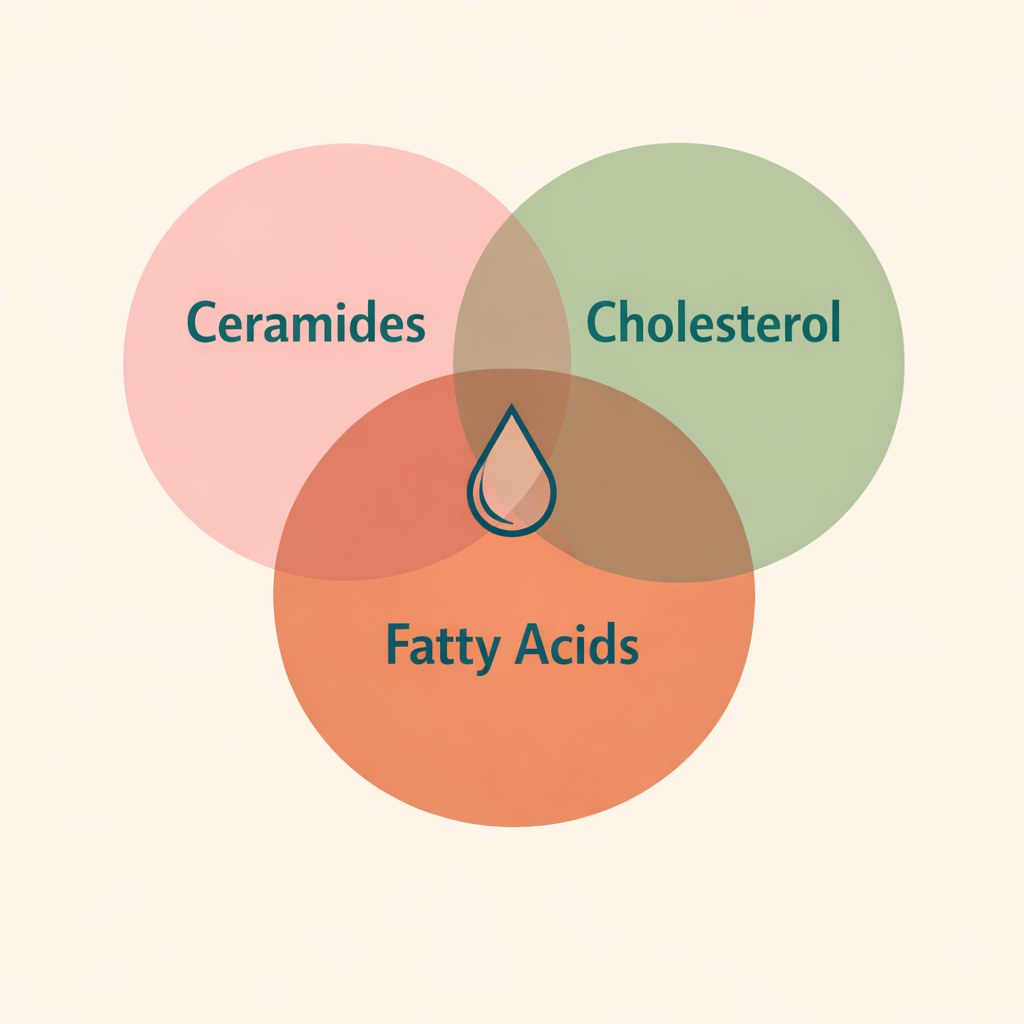
Your skin doesn’t borrow these lipids from your diet in any direct way. Living cells in the deeper layers of the epidermis build them, pack them into tiny containers called lamellar bodies, and release them at the border where living cells turn into the dead surface layer. Enzymes then trim and reshape the contents into finished barrier lipids. The mix that results is unusual. A review in the Journal of Lipid Research found that these lipids are about 50% ceramides, 25% cholesterol and 15% free fatty acids (https://pubmed.ncbi.nlm.nih.gov/17872588/). Counted by molecules rather than weight, the three show up in roughly equal amounts, and that balance turns out to matter a great deal.
What job does each lipid do?
Ceramides are the largest group, and they do most of the sealing. They’re long, waxy molecules that line up tightly side by side. Your skin makes many different types, and some of the longest ones act like rivets that tie one lipid sheet to the next. When ceramide levels fall, those sheets loosen and water slips through more easily. That’s why ceramides get so much attention in skincare marketing, and in this case the attention is mostly deserved.
Cholesterol plays a different role. It sits between the ceramides and fatty acids and keeps the whole structure from turning stiff and brittle. Researchers describe it as a fluidizer, a lipid that adds just enough give so the layers can bend without breaking. Without enough cholesterol, the barrier can be tight but fragile. The skin also relies on cholesterol synthesis to repair itself after damage, and blocking that synthesis in lab studies slowed barrier repair.
Free fatty acids round out the trio. The ones in your barrier are mostly long, straight chains, and that shape lets them pack closely with ceramides. They also help keep the skin’s surface slightly acidic, which matters for reasons we’ll get to. Some of them, like linoleic acid, are essential fatty acids your body can’t make on its own. When they’re missing, the barrier is weaker and scalier.
Here’s the part that surprises people. The three lipids work as a set, and adding just one or two can backfire. In a 1993 study, researchers damaged the skin barrier on mice and then applied the lipids alone or in pairs (https://pubmed.ncbi.nlm.nih.gov/8507075/). Single lipids and two-part mixtures delayed repair. Only the complete mix of ceramides, cholesterol and fatty acids let the skin recover normally. Keep that finding in mind when you read a moisturizer label.
Advertisement
Why does lipid production slow down with age?
Several things happen at once. The cells that build lipids slow down, and fewer lamellar bodies make it to the surface. A 1996 study of women across different age groups found significantly lower levels of all the major barrier lipids with age, with ceramides dropping most (https://pubmed.ncbi.nlm.nih.gov/8950457/). The same study found that lipid levels fell sharply in winter compared with spring and summer. So the dry skin you notice in January is real, and it stacks on top of the age-related loss.
A 1995 study from the University of California, San Francisco compared adults in their 20s with adults over 80 (https://pubmed.ncbi.nlm.nih.gov/7738193/). At rest, older skin didn’t leak more water. But it broke down much faster under stress. It took an average of 18 rounds of tape stripping to damage the barrier in older people, compared with 31 in younger people. Once damaged, older skin also took longer to recover. The researchers traced much of this to a shortfall in barrier lipids, with cholesterol production showing a particularly steep drop.
Skin pH is part of the story too. Healthy skin is slightly acidic, usually just under 5. The enzymes that turn raw materials into finished ceramides work best in that acidic range. As we age, skin surface pH tends to creep upward, and those enzymes slow down. That means older skin isn’t only making fewer lipids. It’s also less efficient at finishing the ones it does make.
For women, menopause adds another layer. A 2022 study found changes in barrier lipids after menopause and pointed to a role for estrogen in ceramide production (https://pmc.ncbi.nlm.nih.gov/articles/PMC9755298/). Oil glands also produce less sebum as hormones shift. Sebum is a separate set of surface oils, mostly triglycerides, wax esters and squalene, but it adds to the skin’s softness and slip. When both supplies drop in the same decade, many women notice their skin changes quickly and all at once.
How does lipid loss show up as dryness?

When the mortar thins, water escapes from the skin faster. Dermatologists call this transepidermal water loss. The corneocytes, which need some water to stay plump and flexible, start to shrink and curl at the edges. Light catches those edges, and skin looks dull, rough or ashy. Flakes form because the dead cells don’t release smoothly in a dry environment, so they come off in clumps instead of one at a time.
The medical name for this kind of dry skin is xerosis, and it’s very common later in life. A study of 756 patients aged 65 and older in primary care found that 55.6% had xerosis (https://pubmed.ncbi.nlm.nih.gov/22104182/). It usually shows up first on the lower legs, the backs of the hands and the forearms. These areas have fewer oil glands to begin with, so they feel the lipid shortfall sooner. Hot showers, strong soaps and dry indoor heat all pull more lipids away and make the problem worse.
Why does skin feel tight and less flexible?

Flexibility depends on both water and lipids. As the stratum corneum dries, it shrinks, and that shrinking creates tension across the surface. Researchers at Stanford who study the mechanics of skin describe these as drying stresses. They found that changes with age and sun exposure, including changes in how stiff the outer layer becomes, can drive chapping and cracking. That tight feeling after washing your face on a cold day is that tension in action.
Lipids help by keeping the layers supple. Cholesterol in particular lets the barrier bend with your movements instead of resisting them. When there’s less of it, skin can feel tight around the mouth when you smile or across the knuckles when you make a fist. On the shins, the surface can crack into a fine pattern that looks a bit like a dry riverbed. Those cracks aren’t just cosmetic. They’re openings in the barrier, and they can itch, sting and become inflamed.
Why does skin get more sensitive when lipids drop?
A barrier that lets water out also lets more things in. Ingredients your skin tolerated for years, like fragrance, retinol or an exfoliating acid, can start to sting or leave redness behind. The UCSF researchers noted that aged skin is more prone to irritant reactions, and the weaker barrier is a big reason why. You haven’t developed an allergy. Your defenses are just thinner than they used to be.
Recovery time matters as much as the damage itself. Younger skin patches itself up within a day or two after a minor insult. Older skin takes longer, so small irritations overlap and pile up. A harsh cleanser on Monday can still be affecting your skin on Thursday. That’s why many people over 60 describe their skin as reactive in a way it never was before, even when their routine hasn’t changed.
What changes for mature skin after 60?
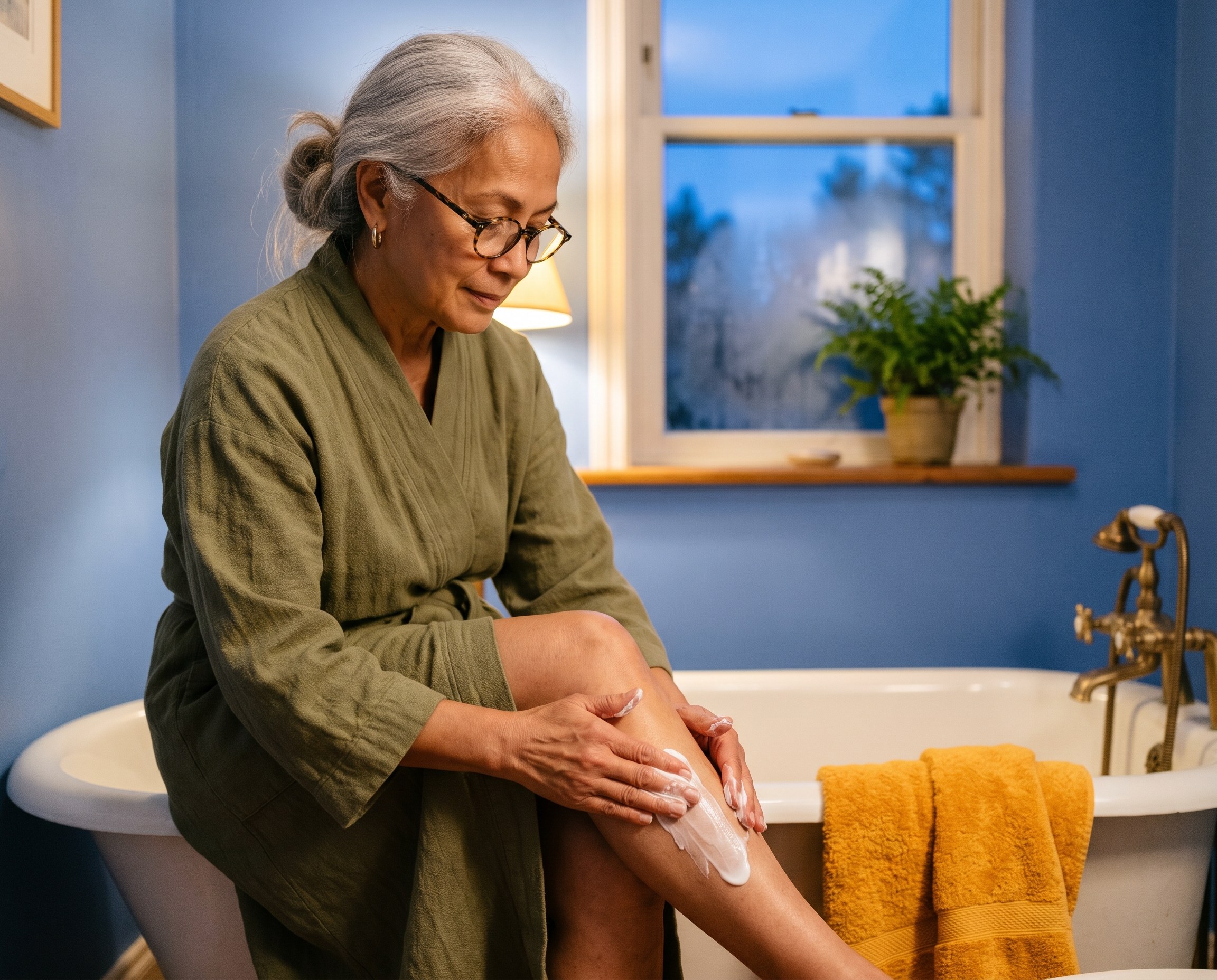
By this stage, several slow changes have added up. The epidermis is thinner, skin cells turn over more slowly, oil glands produce less, and cholesterol production has dropped. Some common medications can add to dryness as well, so it’s worth mentioning to your doctor if your skin changed after starting something new. The barrier still works, but it has less margin for error. Things that were harmless at 40, like a long hot bath or a deodorant soap, can now leave skin raw.
The practical changes are simple, and they work best together. Wash with lukewarm water and a gentle, non-soap cleanser, and keep showers short. Put moisturizer on within a few minutes of bathing, while your skin is still a little damp, so you trap that water instead of letting it evaporate. Run a humidifier in the bedroom during heating season. And pay attention to what your moisturizer contains, because there’s some evidence that mature skin benefits from a different lipid balance than younger skin does.
How do moisturizers try to replace what’s missing?
Most moisturizers combine three types of ingredients. Humectants such as glycerin, urea and hyaluronic acid draw water into the outer layer. Emollients, which include many plant oils and esters, fill the small gaps between curled skin cells so the surface feels smoother. Occlusives like petrolatum, lanolin and shea butter form a film that slows water from leaving. Each one helps, but none of them rebuilds the lipid structure itself.
That’s where barrier-identical lipids come in. These are ceramides, cholesterol and fatty acids that match the ones your skin makes. On ingredient lists you’ll see ceramides under names like ceramide NP, ceramide AP and ceramide EOP, along with cholesterol and fatty acids such as stearic or linoleic acid. Lab studies suggest that when these lipids are applied in the right proportions, some of them travel into the living layers and get folded into the skin’s own supply. In other words, the goal is to hand your skin the raw materials it’s running short on.
The proportion matters, and for mature skin, it may need to shift. In a 1997 study, an equal mix of the three lipids helped barrier recovery in older mice, but a mix with three times as much cholesterol worked faster (https://pubmed.ncbi.nlm.nih.gov/9308554/). The researchers tested that cholesterol-dominant mix on older human skin and saw faster recovery at six hours. That makes sense, given how much cholesterol production drops with age. It’s a small study with only six human participants, so it’s a lead rather than a final answer, but it’s a useful one.
Do ceramide creams live up to the label?
Some do, and some are mostly marketing. The biggest problem is that brands rarely tell you how much of each lipid a product contains or what ratio they’re using. A cream can list one ceramide near the bottom of the ingredient list and still put “ceramide” on the front of the jar. Based on that 1993 research, a single lipid on its own isn’t likely to do much, and it could even slow repair. Look for products that include all three types, and pay attention to where they fall on the list.
The base formula matters too. A barrier cream with harsh preservatives, heavy fragrance or a high pH can undercut the lipids inside it. Thicker creams and balms often do better on very dry skin than light lotions do, because they carry more lipids and add some occlusion on top. Plain petrolatum is still one of the most effective choices for cracked shins and heels, even though it doesn’t replace anything. And don’t expect overnight change. Your skin needs days of steady use before it feels different, and consistency counts for more than any single product.
FAQs
Can I eat my way to better skin lipids?
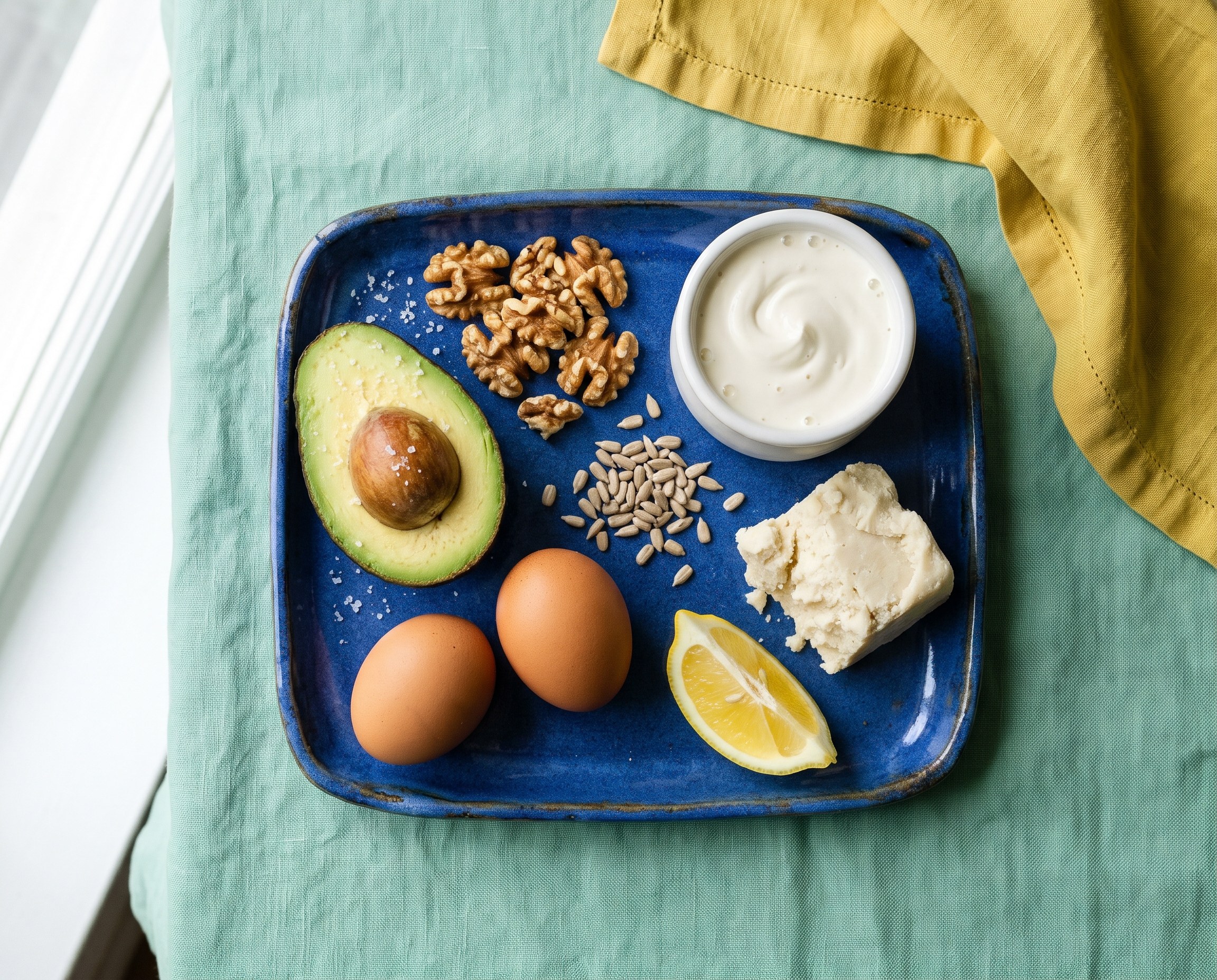
Your skin makes most of its barrier lipids from scratch, so eating more fat won’t directly refill them. A true deficiency in essential fatty acids does cause scaly, fragile skin, but that’s rare with a normal diet. Foods rich in linoleic acid, like sunflower seeds and walnuts, support the building blocks your skin needs. Evidence for supplements is limited and mixed. Topical care tends to have a faster and more direct effect.
Is the cholesterol in skincare the same as the cholesterol in my blood?
It’s the same molecule, but putting it on your skin doesn’t affect your blood cholesterol. Topical cholesterol stays in the outer layers, where it helps rebuild the barrier. Your skin also makes its own cholesterol, separate from what your liver produces. Some people worry because of heart health, but there’s no link between a cholesterol-containing cream and your lab numbers. It’s one of the more useful ingredients for mature skin.
Should I stop using retinol if my barrier feels weak?
You don’t necessarily need to stop, but you may need to slow down. Try using it two or three nights a week instead of every night, and put a lipid-rich moisturizer on first or over it. If your skin stings, flakes or stays red, take a break for a week or two until it settles. Then reintroduce it slowly. A calm, intact barrier handles active ingredients much better.
How long does it take to rebuild a dry, damaged barrier?
Small improvements in comfort can show up within a few days of consistent care. Real repair takes longer, especially after 60, since older skin recovers more slowly. Most people notice a clear difference after two to four weeks of gentle cleansing and twice-daily moisturizing. Winter may slow progress, so don’t give up if January is harder than October. Steady habits matter more than finding the perfect product.
Your skin hasn’t forgotten how to protect itself. It’s working with fewer raw materials, a slightly less acidic surface and slower repair crews, and all of that shows up as dryness, tightness and new sensitivity. The good news is that the missing pieces are known. Gentle cleansing, steady moisturizing and a product that offers ceramides, cholesterol and fatty acids together can give your skin a real chance to catch up. It won’t turn back the clock, and it doesn’t need to. Comfortable, resilient skin at 65 or 80 is a very reachable goal!
Related Posts
 The 10 Best Hand Moisturizers for Winter That Actually Fix Dry Skin
 Your Skin Has an Immune System and It Changes With Age
 Is It Rosacea or Just Sensitive Skin? Why Your Redness Deserves a Closer Look
 The Perimenopause Skin Changes Nobody Warns You About
 Can Bad Sleep Really Show Up on Your Skin? Here’s What the Research Shows
 Swim, Bike, Run and Bring Your Skin Across the Finish Line
 Why Is Grandma’s Skin So Flaky
 Why Your Skin Makes Dark Spots and the Ingredients Proven to Fade Them
 What Your Bath Bomb Is Really Doing to Your Skin
 The One Supplement Scientists Say Adults Over 60 Should Stop Ignoring
 What the Stars Might Actually Be Telling You About Your Skin
 Start Your Holiday Skin Wellness Ritual Now and See the Difference by December
