Apr
If you click on links we provide, we may receive compensation.
If you’ve spent any time reading ingredient labels, you’ve probably noticed ferulic acid showing up alongside vitamin C and vitamin E in some of the most talked-about serums on the market. But while vitamin C gets the headlines, ferulic acid is quietly doing some of the most important work in the formula. Understanding what it actually does — and why the combination matters — will change how you shop for antioxidant skincare.
What Is Ferulic Acid?
Ferulic acid is a plant-based antioxidant found naturally in the cell walls of grains, seeds, and certain fruits. It’s particularly abundant in rice bran, oats, wheat, apples, and citrus. In its natural state, it plays a structural and protective role in plants — defending cellular walls against oxidative damage from UV radiation and environmental stressors.
Chemically, ferulic acid belongs to the hydroxycinnamic acid family. Its molecular structure gives it an exceptional capacity to donate electrons to neutralise free radicals — the unstable molecules that cause cumulative oxidative damage to skin cells and are a leading driver of premature ageing. In skincare, it’s used as a pure antioxidant ingredient, typically in concentrations ranging from 0.5% to 1%.
How Ferulic Acid Works on Skin
Free radicals are generated constantly — by UV exposure, pollution, stress, and even normal metabolic processes. These molecules destabilise healthy cells by stealing electrons from them, triggering a chain reaction of cellular damage that accumulates over time as fine lines, uneven tone, loss of firmness, and hyperpigmentation.
Antioxidants like ferulic acid interrupt this chain. They donate an electron to the free radical, neutralising it before it can damage healthy tissue, without themselves becoming unstable in the process. But the real story of ferulic acid in modern skincare isn’t what it does alone. It’s what it does to the antioxidants around it.

The Ferulic Acid Multiplier Effect
Research published in the Journal of Investigative Dermatology demonstrated something remarkable: ferulic acid doesn’t just add antioxidant protection when combined with vitamin C and vitamin E — it doubles it. The Duke University study showed that a serum combining 15% L-ascorbic acid, 1% vitamin E, and 0.5% ferulic acid provided eight times the photoprotection of vitamin C alone.
The reason comes down to molecular chemistry. Vitamin C is highly unstable — it oxidises rapidly when exposed to light and air. Ferulic acid stabilises vitamin C by adjusting the formula pH to the range where L-ascorbic acid is most effective and most stable. It also regenerates vitamin E after it’s been oxidised, keeping the entire antioxidant system active longer. The practical upshot: ferulic acid makes your vitamin C serum work harder, last longer, and deliver measurably better results.
The Skin Benefits of Ferulic Acid
- Photoprotection (not a sunscreen substitute). Ferulic acid doesn’t absorb UV radiation the way a sunscreen does — it should never replace SPF. But used under sunscreen, it neutralises the oxidative damage that UV exposure triggers even when you are wearing SPF. Think of it as a second line of defence.
- Anti-ageing. By neutralising the free radicals that break down collagen and elastin, ferulic acid helps preserve the structural proteins responsible for firm, bouncy skin. This is preventive work — more effective at slowing the formation of fine lines than reversing existing ones.
- Brightening and hyperpigmentation. Ferulic acid has mild tyrosinase-inhibiting activity. Tyrosinase is the enzyme that drives melanin production, meaning ferulic acid plays a supporting role in reducing the appearance of dark spots and post-inflammatory hyperpigmentation — especially combined with vitamin C.
- Anti-inflammatory. Research suggests ferulic acid has meaningful anti-inflammatory properties, making it relevant for acne-prone and reactive skin types, not just those focused on anti-ageing.
- Collagen protection. Beyond preserving existing collagen by neutralising free radicals, ferulic acid has been shown in some studies to support collagen synthesis directly.
Who Should Use Ferulic Acid?
Almost everyone can benefit from ferulic acid, but it’s particularly relevant for:
- Anyone concerned about sun damage and premature ageing — used daily under SPF, it’s one of the most evidence-backed additions you can make to a routine.
- Vitamin C users — if you’re already using a vitamin C serum without ferulic acid, you’re likely getting a fraction of the protection you could be.
- People with hyperpigmentation — the combined brightening action of vitamin C and ferulic acid, used consistently over several months, produces measurable improvement in dark spots.
- Sensitive skin types using vitamin C — ferulic acid allows formulas to be effective at a lower vitamin C concentration, making brightening serums more tolerable.

How to Use Ferulic Acid in Your Routine
Morning is the primary time for ferulic acid, because its photoprotective role is most relevant when you’re about to face UV and pollution exposure. Apply after cleansing and toning, before moisturiser and SPF. A few drops is sufficient — more product does not mean more protection.
Ferulic acid is most effective in combination with vitamin C and vitamin E — most quality products are already formulated with all three. High-concentration niacinamide applied simultaneously may cause temporary flushing in some individuals; using them at different times of day sidesteps this entirely.
Give any ferulic acid product at least six to eight weeks of consistent daily use before evaluating its impact. Antioxidant protection is largely invisible in the short term — the effects accumulate over months as oxidative damage is prevented.
The Best Ferulic Acid Products on Amazon
🛍 Timeless Skin Care 20% Vitamin C + E Ferulic Acid Serum — The Benchmark
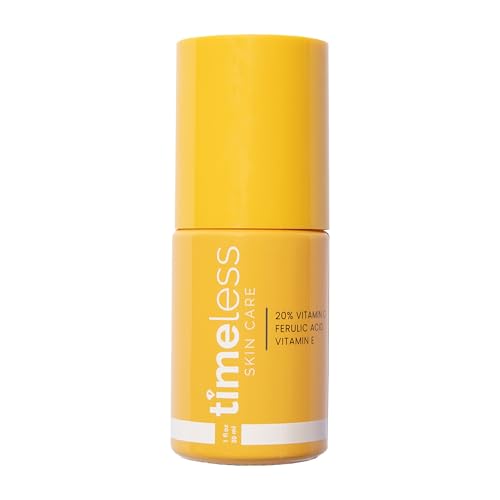
The community standard for vitamin C + ferulic formulas. 20% L-ascorbic acid with vitamin E and 0.5% ferulic acid. Fragrance-free, excellent value. Keep refrigerated and use within 3 months of opening.
🛍 Mad Hippie Vitamin C Serum — The Sensitive Skin Option
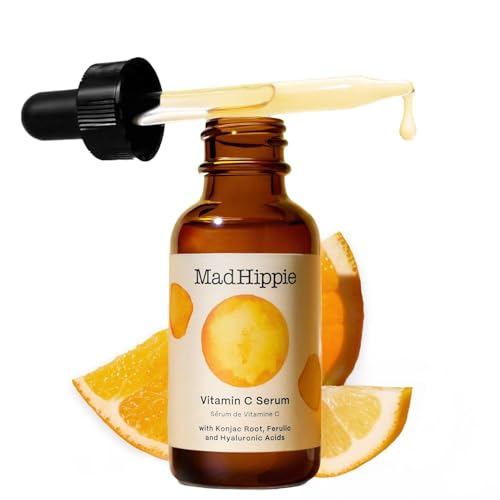
Uses stabilised vitamin C derivative rather than pure L-ascorbic acid — gentler, more shelf-stable, better for reactive skin. Ferulic acid and hyaluronic acid addition makes this lightweight and hydrating.
🛍 Acure Brightening 2% Vitamin C & Ferulic Acid Serum — The Budget Entry Point
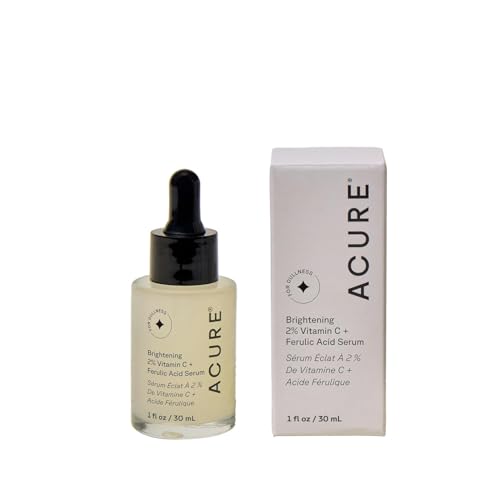
Clean, vegan formula for first-time users of the vitamin C and ferulic acid combination. 2% vitamin C is modest but gentle — a low-risk introduction before committing to a higher-potency formula.
SkinCeuticals C E Ferulic — The Gold Standard. The serum that the Duke University research was built around. Formulated with 15% L-ascorbic acid, 1% vitamin E, and 0.5% ferulic acid at the optimal pH. Significantly more expensive than the alternatives, but for anyone who wants the original, peer-reviewed formulation, nothing else is strictly equivalent. Available at SkinCeuticals.com and authorised stockists — verify authenticity before purchasing from third-party sellers.
Storing Your Ferulic Acid Serum
Vitamin C + ferulic acid serums are among the more storage-sensitive products in your routine. Oxidation is the enemy: heat, light, and air all degrade the formula over time, turning it from pale yellow to a deeper amber-brown.
- Store in a cool, dark place — a bathroom cabinet away from shower steam is ideal.
- Refrigeration extends the active life of L-ascorbic acid formulas significantly.
- Close the cap immediately after use.
- Discard and replace if the colour has turned noticeably dark orange or brown — the protective benefits are diminished.
Ferulic Thoughts
Ferulic acid earns its place in serious skincare not through novelty or trend, but through a remarkably clear evidence base. It stabilises vitamin C, extends the life of vitamin E, and contributes genuine antioxidant protection of its own — all in concentrations as low as 0.5%.
If you use vitamin C without ferulic acid, you’re working with a less stable, less effective formula. Start with the Timeless serum if budget matters. Step up to SkinCeuticals when you’re ready for the benchmark. Either way, your skin will be better protected for it.
Related Posts