
Sep
Beauty, Skincare, Trends & Opinions
New Dark Spot Products That Actually Deliver Results
If you click on links we provide, we may receive compensation.
Roughly 90 percent of people over the age of 60 have some form of age-related hyperpigmentation – better known as dark spots – scattered across their face, hands, and décolletage. That figure, drawn from dermatological research, reflects just how common these patches are, and how much the skin-care market has mobilized to address them. In 2026, the category has reached a new level of sophistication, with serums and creams that combine multiple melanin-interrupting ingredients and back their claims with actual clinical data. A handful of products genuinely work now, and the science behind them is solid enough to trust.
Dark spots form when melanocytes – the pigment-producing cells in the skin – are triggered into overdrive. Ultraviolet radiation is the classic culprit, but hormonal fluctuations, post-acne inflammation, and certain medications can do the same thing. When those melanocytes receive an excess signal, they produce more melanin than the skin needs, which migrates up through the skin layers and pools at the surface as a visible patch. The process is a protective mechanism gone sideways: the skin is trying to shield itself from UV damage by manufacturing more pigment, and the result is a mark that can linger for months without targeted treatment.
The global hyperpigmentation treatment market was valued at USD 1.39 billion in 2024 and is projected to reach USD 2.02 billion by 2030, according to Grand View Research – a 6.4 percent compound annual growth rate that reflects how seriously consumers and clinicians now take this concern. Source: https://www.grandviewresearch.com/industry-analysis/hyperpigmentation-treatment-market-report. That money is flowing into formulations that go beyond simple brightening and into products designed to interrupt the melanin cascade at multiple steps simultaneously. The result is a new generation of serums and creams that perform faster and more reliably than anything from five years ago.
What Ingredients Actually Do the Heavy Lifting?
The most effective products on the market right now share a small core set of ingredients, each targeting pigment through a distinct mechanism. Vitamin C – typically in its more stable L-ascorbic acid or ascorbyl glucoside form – works as an antioxidant that neutralizes the free radicals created by UV exposure before they can trigger melanin production. It also directly inhibits the enzyme tyrosinase, which is required for melanin synthesis, and it brightens existing spots by interfering with oxidative pigment formation. Look for concentrations between 10 and 20 percent for measurable results. Products that stabilize vitamin C with vitamin E or ferulic acid are worth seeking out, since it degrades quickly in light and air.
Niacinamide – a form of vitamin B3 – works through a different pathway entirely. Rather than blocking melanin production, it prevents the pigment from traveling into the outer skin cells by inhibiting the transfer of melanosomes between melanocytes and keratinocytes. A landmark study found that 5 percent niacinamide significantly reduced hyperpigmentation after just four weeks of consistent use. It also reduces inflammation, tightens pores, and supports the skin barrier – all of which matter because irritated, compromised skin is more prone to post-inflammatory hyperpigmentation in the first place. For sensitive skin types, niacinamide is often the first ingredient a dermatologist reaches for, and it layers cleanly with nearly everything else in a routine.
Tranexamic acid has been the most talked-about addition to the dark-spot conversation over the past few years, and the clinical data is starting to justify the attention. Originally used as an oral medication to control bleeding, it was discovered to block the signaling pathway between UV-stimulated keratinocytes and melanocytes – essentially cutting off the message that tells melanocytes to produce excess pigment. Topical formulations at 2 to 5 percent have shown strong results in multiple trials, and it is notably safe for nearly every skin tone and type. Alpha arbutin, kojic acid, and azelaic acid round out the bench of evidence-backed brighteners, each inhibiting tyrosinase activity to different degrees. The strongest formulas layer two or three of these together, because multi-pathway treatment consistently outperforms any single ingredient used alone.
Can Tranexamic Acid Really Close the Gap with More Expensive Treatments?
For years, the gold standard for serious hyperpigmentation – particularly melasma – involved in-office procedures: chemical peels, laser treatments, or intense pulsed light. Those approaches work, but they are expensive, require downtime, carry real risk of post-inflammatory hyperpigmentation if not precisely dialed in for the patient’s skin tone, and need repeat sessions to maintain results. A growing body of clinical research is now showing that topical formulas combining tranexamic acid with supporting actives can deliver outcomes competitive with mild procedural treatments, at a fraction of the cost and with virtually no recovery time.
A 2024 clinical study published in Clinical, Cosmetic and Investigational Dermatology evaluated a topical protocol combining 3 percent tranexamic acid with niacinamide and vitamin C. At the eight-week mark, 77 percent of participants reported a reduced appearance of dark spots, colorimetric analysis showed an 8 percent improvement in the Individual Typological Angle – a standardized measure of skin lightness – and 95 percent noted improved skin hydration and luminosity. Source: https://acneandrosacea.org/wp-content/uploads/2024/10/Chen-T_Clin-Cosmet-Investig-Dermatol_2024-Sep.pdf. A separate 12-week single-center trial in 55 participants using a serum with 3 percent tranexamic acid, 1 percent kojic acid, and 5 percent niacinamide found a statistically significant decrease in melanin index at week 12 compared to baseline. Read together, these two trials suggest the multi-ingredient approach is not just additive but potentially synergistic, with each component reinforcing the effect of the others. The practical implication is that a well-chosen serum at the $40 to $100 price point can deliver real results with consistent use over at least eight weeks.
Which New Products Stand Out Right Now?
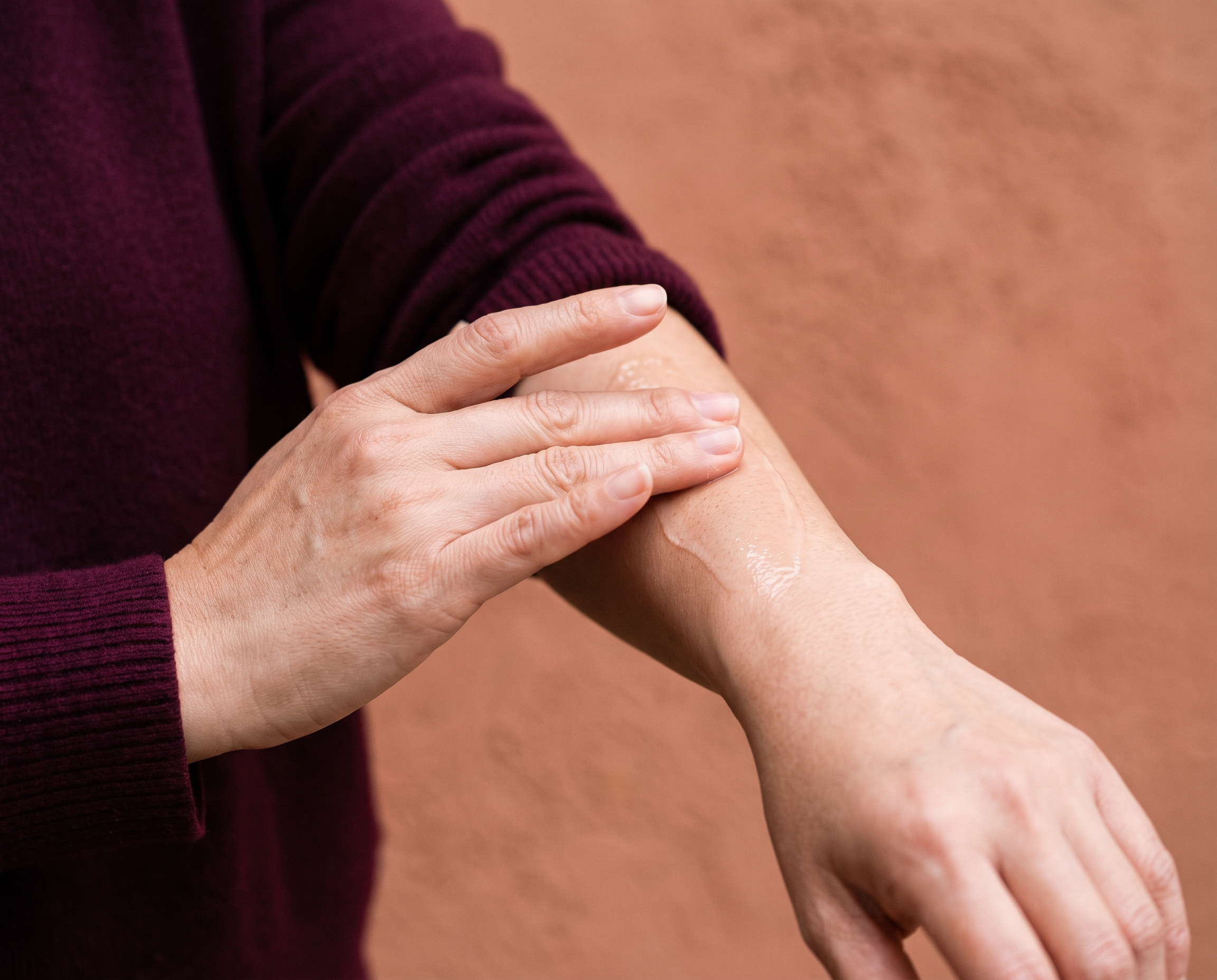
La Roche-Posay’s Mela B3 Serum combines their proprietary Melasyl molecule – a synthetic ingredient that selectively prevents UV-activated melanocyte communication – with 10 percent niacinamide. Melasyl was developed from a decade of research into melanin pathways and was shown in internal studies to outperform vitamin C on pigmentation markers. The formula is fragrance-free, tested on sensitive skin, and absorbs cleanly under SPF without pilling. It is one of the more credibly backed new launches in the category, with published supporting research behind the hero ingredient rather than marketing claims alone.
Paula’s Choice Clinical Discoloration Repair Serum brings together tranexamic acid, niacinamide, and bakuchiol – a botanical retinol alternative that accelerates cell turnover to speed the shedding of pigmented surface skin cells. That triple combination addresses production, transfer, and turnover in one step. Good Molecules Discoloration Correcting Serum deserves a close look as a high-value option: at under $15, it delivers 3 percent tranexamic acid and 4 percent niacinamide in a lightweight, layerable formula that has earned consistent praise from dermatologists for its straightforward efficacy. SkinCeuticals Discoloration Defense Serum, containing 3 percent tranexamic acid alongside niacinamide, kojic acid, and HEPES – a gentle exfoliant – remains one of the most thorough multi-ingredient options available, though it commands a premium price.
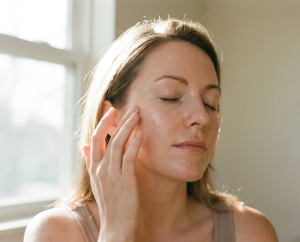
When choosing between these, a few practical points matter more than the brand name. Packaging is critical for vitamin C: it degrades in light and air, so opaque pump bottles or tubes outperform clear bottles or open jars. Tranexamic acid and niacinamide are relatively stable, so the formulation vehicle matters more – a serum penetrates better than a heavy cream if the goal is getting actives into the lower epidermis. Layering order also counts. Apply your active serum after cleansing and toning, let it absorb for 60 seconds, then seal with a moisturizer before SPF. That sequence maximizes absorption and prevents the actives from competing with occlusive ingredients.
Does SPF Actually Make That Big a Difference?

Ask any board-certified dermatologist to name the single most important step for fading dark spots, and most will say sunscreen before they name any correcting serum. The reason is mechanical: UV radiation is the primary trigger for the melanin signals that create spots, and if you are applying brightening actives every evening while getting unprotected sun exposure during the day, you are partially undoing the work each night. Consistent daily SPF 30 or higher does not just prevent new spots – it also prevents the existing spots you are actively treating from being re-stimulated. Without it, even the best formulation on the market will underperform.
Mineral sunscreens containing zinc oxide or titanium dioxide provide physical UV blocking and are the recommended choice for skin prone to hyperpigmentation, particularly for darker complexions, because they do not generate the heat associated with some chemical filters that can trigger melanocyte activity. Tinted mineral sunscreens offer an additional benefit: iron oxides in the tint absorb visible light and blue light, which can also stimulate pigmentation in some skin types, especially in conditions like melasma. The UC Davis Health dermatology department has specifically recommended tinted mineral SPF for this reason. SPF is not supplemental to a dark-spot routine – it is foundational, and every dermatologist who treats hyperpigmentation says the same thing: apply it every morning, every day, regardless of weather.
What Should People with Mature or Aging Skin Look For?

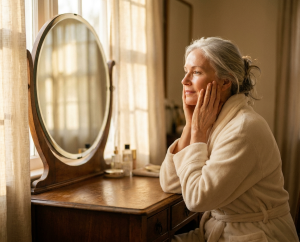
Dark spots on mature skin behave differently from the same spots on younger skin, and the products that work best reflect that difference. After 60, cell turnover slows substantially – the cycle that once took roughly 28 days now takes 40 to 60 days, meaning pigmented cells at the surface are shed more slowly and spots are slower to respond to treatment. That slower turnover is one reason retinol remains valuable for this age group: it accelerates epidermal renewal, pushing pigmented cells toward the surface faster and speeding up the visible improvement from brightening actives. Low-dose retinol – 0.1 to 0.3 percent – is the recommended starting point for skin over 60, applied on alternate nights until tolerance is established.
Mature skin is also more likely to be dry and compromised at the barrier level, which matters for two reasons. First, a compromised barrier allows irritants to penetrate more easily, raising the risk of post-inflammatory hyperpigmentation from products that are well-tolerated on younger, oilier skin. Second, well-hydrated skin responds better to actives because healthy cells absorb and process them more efficiently. This is why the best products for mature-skin dark spots pair their brightening actives with meaningful hydrating components: hyaluronic acid, ceramides, squalane, or peptides alongside the niacinamide and tranexamic acid. The SkinCeuticals Discoloration Defense and the La Roche-Posay Mela B3 both handle this pairing well. Retinol users should introduce it gradually, keep their moisturizer generous, and avoid applying it on the same nights as other exfoliating actives like glycolic or lactic acid.
One more point specific to this age group: age spots that are raised, darkening rapidly, or have irregular borders warrant a visit to a dermatologist before any topical treatment begins. These features can indicate seborrheic keratoses, lentigos, or occasionally something that requires medical attention beyond cosmetic treatment. Flat, stable, lightly pigmented spots that have been present for years and are consistent in color are the typical candidates for at-home brightening serums. A brief professional evaluation is always a reasonable first step when a spot is new, changing, or unusual in appearance, and most dermatologists can triage these quickly in a single appointment.
FAQs
How long does it take to see results from a dark spot serum?
Most people see initial fading between weeks four and eight with consistent daily use. For people over 60, the slower cell turnover cycle means a more realistic benchmark is eight to twelve weeks before evaluating whether a product is working. The key variable is consistency – missing applications extends the timeline, and skipping SPF will reverse progress faster than any serum creates it. Patience matters more here than product-switching.
Can I use vitamin C and tranexamic acid in the same routine?
Yes – they work through different pathways and are not known to interfere with each other. Vitamin C is best applied in the morning because its antioxidant properties protect against the UV exposure the day brings, while tranexamic acid can be used morning or evening. If you find vitamin C destabilizes in a combination formula, apply them as separate steps rather than blended – vitamin C first, let it absorb, then follow with your tranexamic acid serum.
Is kojic acid safe for long-term use?
At concentrations of 1 percent or below in leave-on products, kojic acid has a solid safety record for ongoing use. At higher concentrations it can cause contact dermatitis in some people, and extended use at 2 percent or more is associated with skin sensitization in some clinical reviews. Products formulated at 1 percent and combined with other actives – as in the triple-ingredient serums – are the more sustainable approach for long-term dark spot management.
What is the difference between an age spot and melasma?
Age spots – also called solar lentigines or liver spots – are caused primarily by cumulative UV exposure and appear most often on sun-exposed areas: the face, hands, shoulders, and arms. They tend to be discrete, flat, and consistent in color. Melasma is driven largely by hormonal influences, particularly estrogen, and tends to appear in broader, more diffuse patches on the cheeks, upper lip, forehead, and chin. Both respond to the same active ingredients, but melasma is more prone to relapse with sun exposure or hormonal shifts and often requires more sustained management over a longer period.
Do dark spot products work on post-acne marks?
Post-inflammatory hyperpigmentation – the flat brown or reddish marks left after a breakout – responds well to the same brightening actives. Tranexamic acid, niacinamide, and azelaic acid are particularly effective for PIH because they target the inflammation-driven melanin pathway. These marks typically fade faster than solar lentigines because the melanocyte trigger has been removed once the breakout resolves, and the pigment has less time to become established in the deeper layers of the skin.
Getting rid of dark spots is genuinely more achievable now than it was a decade ago, and the best products in 2026 have clinical data behind their claims rather than just marketing language. The formula is straightforward: a multi-ingredient brightening serum applied consistently, real SPF every morning without exception, and if you are over 60, a gentle retinol worked in a few nights a week to keep cell turnover moving. That combination – more than any single ingredient – is what actually shifts the skin over time, and the products now available make it easier than ever to put it together.
Related Posts