
Jun
Beauty, Skincare, Trends & Opinions, Wellness
What Actually Works When You Go Natural About Sweat
If you click on links we provide, we may receive compensation.
Over 65 percent of consumers have switched or are switching to aluminum-free deodorants, according to 2025 industry research from Future Market Insights – a number that would have seemed unthinkable twenty years ago. The motivations vary: skin sensitivity, a preference for cleaner ingredients, growing wariness about daily chemical exposure. Some people have read alarming headlines about aluminum. Others just want to simplify what they put on their bodies each day. Whatever brought you here, this is what you actually need to know – which natural approaches hold up, which ones have real limits, and what it means to swap a conventional antiperspirant for something that works differently.
Why Do We Sweat at All?
Sweat is not a flaw. It is one of the body’s most important cooling systems, and getting rid of it entirely is neither possible nor desirable. The body has two main types of sweat glands, and knowing the difference matters if you want to address sweat or odor effectively. Eccrine glands are distributed across most of the body – they handle temperature regulation, releasing a watery, mostly odorless fluid made up of water, salt, and electrolytes. When you exercise or overheat, these glands activate to bring your core temperature down. Apocrine glands are concentrated in the armpits, groin, and under the breasts, and they produce a thicker, protein-rich secretion that is also, on its own, largely odorless. The smell comes later, when skin bacteria metabolize those proteins and lipids into volatile compounds – particularly thioalcohols – that produce the characteristic pungent note most people associate with body odor.
This is why managing sweat and managing odor are not quite the same task, even though they are related. If your goal is to reduce wetness – to stay dry through a long meeting or a high-stakes afternoon – you need something that physically restricts sweat output. If your goal is to manage odor, you need something that disrupts bacterial activity in the armpit. Natural approaches are, with very few exceptions, good at the second problem and not at the first. That distinction is important, and any honest treatment of this topic has to state it clearly. Sweat itself is healthy and purposeful. The goal is freshness, not suppression.
What Is the Difference Between a Deodorant and an Antiperspirant?
In the United States, antiperspirants are regulated as over-the-counter drugs by the FDA – not because they are dangerous, but because they physically alter a bodily function. They use aluminum salts (aluminum chlorohydrate, aluminum zirconium compounds) to form temporary plugs in the sweat duct, reducing the amount of sweat that reaches the skin surface. Deodorants, by contrast, target odor – they work by killing or inhibiting odor-causing bacteria, neutralizing odor compounds, or masking scent. They are cosmetics under US law, not drugs. Most natural deodorants function as deodorants in the strict sense: they manage smell, but they do not stop sweating. If you are switching from an antiperspirant, your body will still sweat – the goal shifts from “stay dry” to “stay fresh,” and well-formulated natural products can do that job well. Going in with accurate expectations makes the transition far easier.
Which Natural Ingredients Actually Work?
Sodium bicarbonate – ordinary baking soda – is the most common active ingredient in both DIY and commercial natural deodorants, and for good reason. It creates an alkaline environment, raising the skin’s pH to around 8.5 or higher, where the bacteria responsible for odor struggle to survive and multiply. Many people find it genuinely effective. The problem is that baking soda can cause contact dermatitis and irritation, especially in people with sensitive skin or anyone applying it to freshly shaved underarms. The same alkalinity that makes it antimicrobial can also disrupt the skin barrier over time. This is not a rare reaction – it is common enough that many formulators have moved away from it entirely. If you use a baking soda deodorant and develop redness, itching, or a rash, that is the ingredient working against you, and switching formulas is the right call.
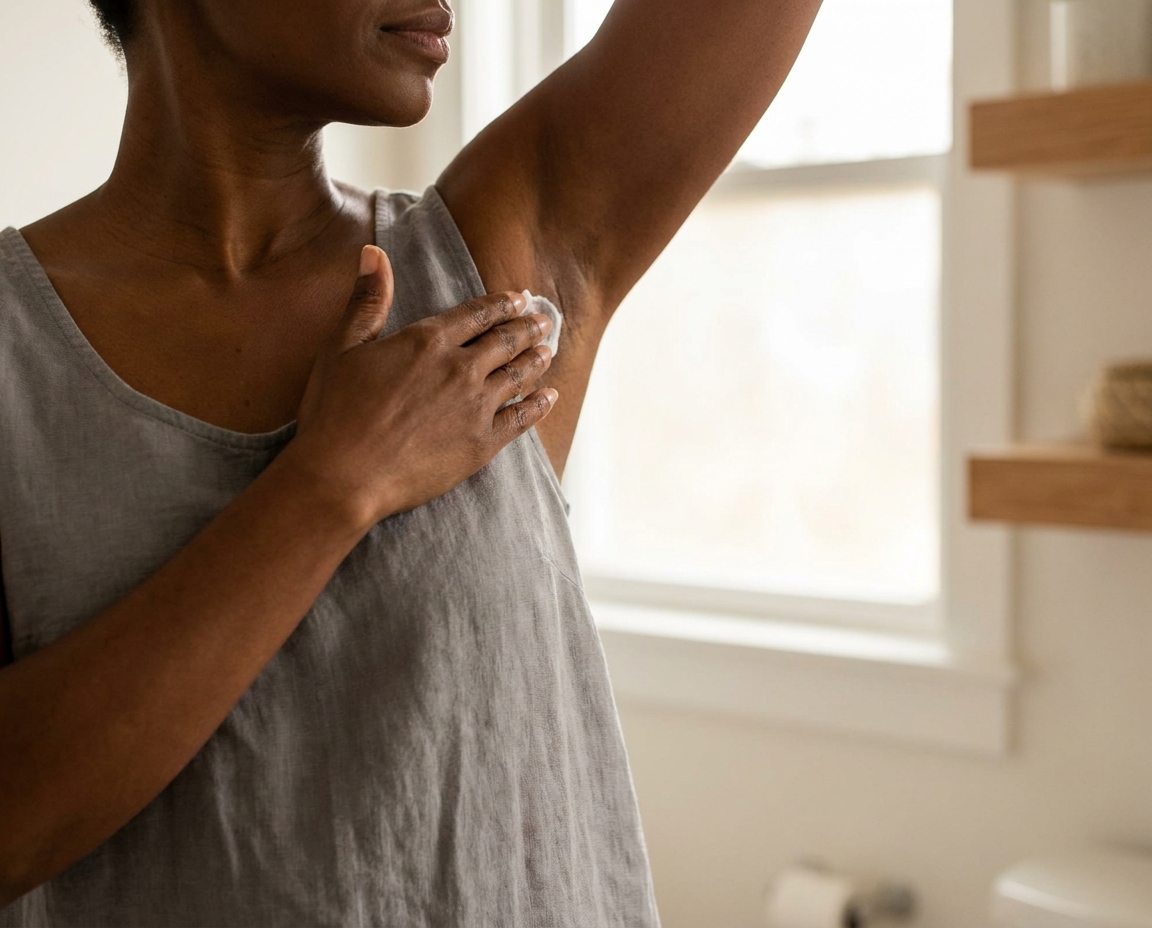
Magnesium hydroxide has become one of the more interesting alternatives. It works by a similar mechanism – raising the surface pH of the skin to inhibit bacterial growth – but it is considerably gentler than baking soda because it does not dissolve as readily or penetrate as aggressively. Milk of Magnesia, the plain unflavored version sold in pharmacies, has been a cult-level hack for years among people who have given up on conventional deodorants. Applied with a cotton pad after showering, it functions as a surprisingly effective deodorant for many users. Several commercial natural deodorant brands now formulate with magnesium hydroxide as their primary active – Schmidt’s is one of the better-known examples. If baking soda has irritated your skin in the past, magnesium-based formulas are the logical place to start.
Zinc salts – zinc ricinoleate, zinc oxide – work differently from alkaline ingredients. Rather than changing the skin’s pH, zinc ricinoleate physically traps and absorbs odor molecules, while zinc compounds also have well-established antibacterial properties. Zinc tends to be well-tolerated by sensitive skin and is found in a number of natural deodorant formulas either as the sole active or in combination with magnesium. Kosas Chemistry Deodorant takes a related but distinct approach, using AHAs (alpha hydroxy acids) to lower underarm pH and make the environment hostile to odor-causing bacteria – a skin-care-informed move that also helps with underarm hyperpigmentation. It is one of the more intelligently formulated options on the market right now.
Witch hazel is a natural astringent with mild antibacterial properties. Applied to the underarms, it tightens pores temporarily and disrupts some bacterial populations. It works reasonably well for light to moderate sweating and is gentle on most skin types. Apple cider vinegar operates via a different mechanism – its acidic pH slows the growth of odor-causing bacteria on the skin surface. Applied diluted (one part ACV to three or four parts water on a cotton pad), it is something many people find effective as a DIY approach. Both witch hazel and apple cider vinegar are better suited to maintenance than to managing heavy perspiration, and apple cider vinegar should not go near freshly shaved or broken skin – the acidity will cause stinging and may disrupt healing.
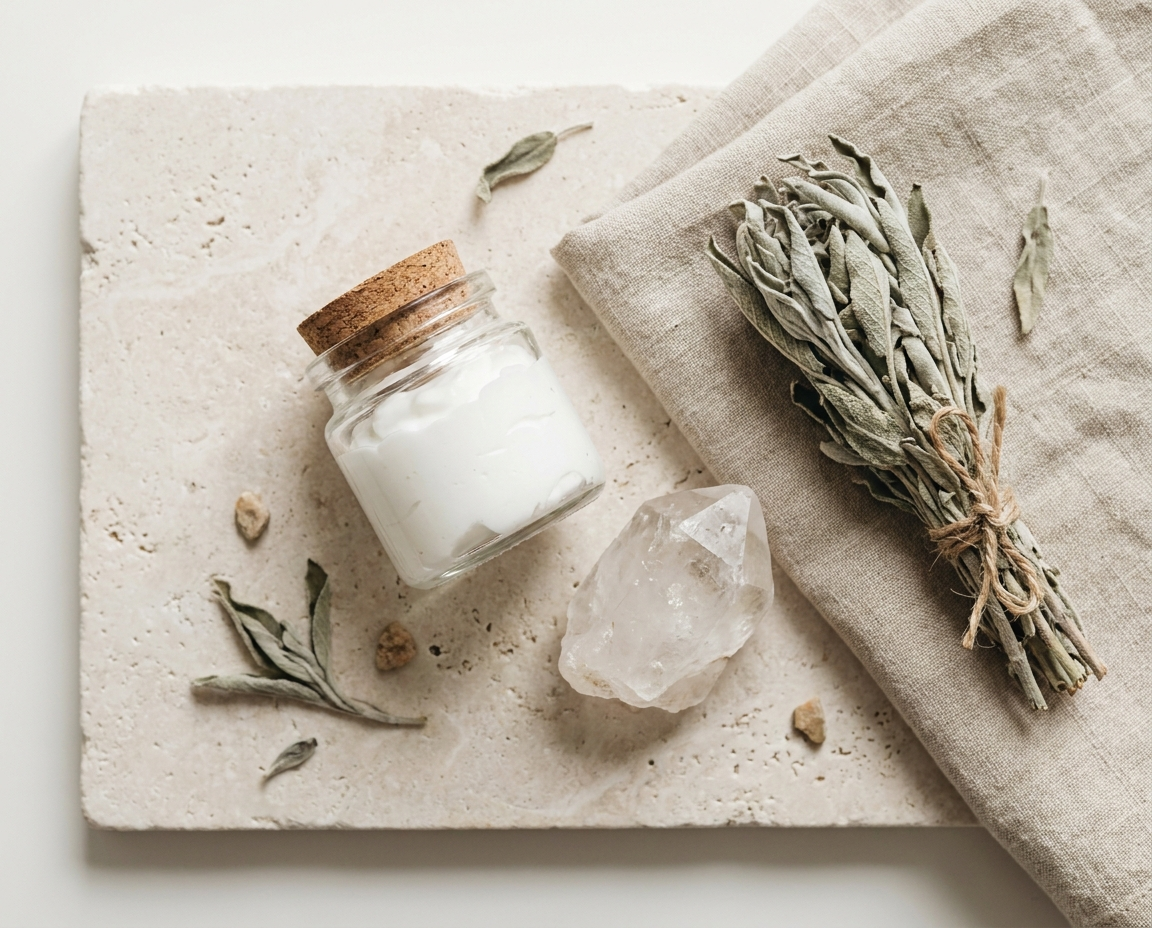
Crystal or mineral deodorants – the smooth translucent stones you wet before applying – are made from potassium alum, a naturally occurring mineral salt. When applied, they leave a thin, invisible layer of mineral salt on the skin that inhibits bacterial growth. They work well for many people and are virtually fragrance-free, making them excellent for very sensitive skin. One thing that confuses a lot of shoppers: potassium alum is chemically different from the aluminum compounds (aluminum chlorohydrate, aluminum zirconium) used in conventional antiperspirants. Potassium alum molecules are significantly larger and are not thought to penetrate the skin in the same way. They also do not block sweat ducts – they address odor, not moisture. Whether the aluminum distinction matters clinically is still debated, but knowing it helps you navigate ingredient labels with more confidence.
The most genuinely exciting frontier in natural deodorant science is the microbiome angle. Research published in Nutra Ingredients in 2024 showed that transplanting odor-neutral Staphylococcus strains into the underarm microbiome can successfully reduce body odor long-term – not by killing bacteria, but by outcompeting the odor-causing species (https://www.nutraingredients.com/Article/2024/03/05/dr-armpit-eliminating-body-odour-with-good-bacteria/). Commercial probiotic deodorants attempt something similar by introducing beneficial strains topically. The category is early-stage and results vary by individual, but the mechanism is scientifically sound and the products are improving. If you want to experiment with this approach, look for products that list specific probiotic strains on the label rather than vague “probiotic blend” language.
Tea tree oil, lavender, and clary sage are the most common antimicrobial essential oils in deodorant formulas. Tea tree oil disrupts bacterial cell membranes – it has genuine antibacterial activity, backed by a reasonable body of research. Lavender is milder and largely contributes scent with some minor antibacterial benefit. At the concentrations found in commercial deodorants, essential oils support odor control but are rarely effective as the sole active. Clary sage is worth a specific mention for women in perimenopause and beyond – there is some evidence that it interacts with estrogen receptors in ways that may ease hot flashes, and it appears in several formulas aimed at hormonally mature skin. On their own, essential oils are support players rather than lead ones. They make a formula smell better and contribute to its activity, but they cannot carry the whole job.
Can What You Eat Actually Change How You Smell?
Diet has a measurable effect on body odor, and it works in both directions. Certain foods increase the intensity or distinctiveness of sweat smell: red meat (which contains compounds that can produce a sulfurous note when metabolized), cruciferous vegetables like broccoli and Brussels sprouts (sulfur compounds again), garlic, onion, alcohol, and high doses of caffeine. None of these are harmful – most are genuinely nutritious – but knowing the correlation is useful if you are troubleshooting. On the other side, chlorophyll-rich foods like parsley, cilantro, spinach, and other leafy greens appear to have a mild deodorizing effect both topically and internally. Magnesium-rich foods (legumes, nuts, dark leafy greens, dark chocolate) may support the skin’s natural odor resistance. Probiotic-rich foods – yogurt, kefir, kimchi, sauerkraut – can influence the gut-skin axis and may have downstream effects on body odor via changes in what compounds are produced and excreted through sweat.
Hydration matters more than people expect. Well-hydrated sweat is more dilute – the concentration of odor precursors is lower, and the smell is milder. If you regularly drink too little water, your sweat may simply smell more intense than it needs to. That is an easy fix. Clothing is also genuinely relevant: synthetic fabrics trap heat and moisture against the body, which accelerates bacterial growth and intensifies odor. Natural fibers – cotton, linen, and particularly merino wool – allow better airflow and moisture evaporation. Merino wool is counterintuitively excellent for active wear because it has natural antimicrobial properties that slow the buildup of odor even after extended wear. And shower timing is worth reconsidering: showering after heavy sweating, not just before going out, dramatically reduces bacterial load and breaks the odor cycle far more effectively than a preventive morning rinse alone.
What Changes During and After Menopause?

Menopausal sweating deserves its own section because it is physiologically different from ordinary perspiration, and the approaches that help are different too. During perimenopause and menopause, declining estrogen causes the hypothalamus – the brain’s thermostat – to become hypersensitive to small changes in core body temperature. The result is hot flashes and night sweats that can be intense, sudden, disruptive, and completely unrelated to external heat. This is not a problem with the sweat glands themselves. It is a problem upstream, in how the brain is interpreting temperature signals. No topical deodorant, however well formulated, addresses the underlying trigger. Knowing this matters: it helps you distinguish between strategies that can actually help with the mechanism and products that simply manage the resulting wetness.
Among plant-based options, sage – specifically Salvia officinalis – has the most clinically interesting track record. German clinical trials have shown fresh sage supplements reducing hot flash frequency by more than 50 percent in some participants, and the European Medicines Agency has formally recognized sage for this use. That is a meaningful result by herbal medicine standards. Black cohosh has a longer history of use for menopausal symptoms and a more mixed evidence base: a 2022 systematic review found some support for its effectiveness, but study quality varied and the evidence base requires stronger research to be conclusive (https://ods.od.nih.gov/factsheets/BlackCohosh-HealthProfessional/). Phytoestrogens from soy isoflavones, flaxseed, and red clover have modest evidence – they appear to help some women and not others, possibly depending on individual gut microbiome variation. Evening primrose oil is popular but clinical evidence for hot flashes is limited.
For mature and aging skin specifically, the underarm area is often more sensitive than it was in younger years. Skin thins over time, barrier function changes, and products that were perfectly fine at 35 can cause irritation at 55 or 65. If you are experimenting with natural deodorants in midlife, start with magnesium-based or zinc-based formulas before trying any baking soda options. Patch-test new products on the inner arm before applying underarm, especially those containing essential oils or AHAs. Be aware that hormonal shifts affect both sweat composition and the underarm microbiome – the natural deodorant that worked beautifully in your forties may behave differently in your sixties, and adjusting the formula is a reasonable response rather than a failure. Give any new product at least two weeks before making a judgment call.
Several lifestyle changes have solid evidence for reducing the frequency and intensity of menopausal hot flashes. Avoiding common triggers – caffeine, alcohol, spicy food, very hot drinks, and significant acute stress – makes a real difference for many women. Keeping the bedroom cool at night, layering clothing that can be removed easily during the day, and choosing natural-fiber sleepwear all reduce the practical impact of night sweats. Cooling pillows and breathable bedding are unglamorous but genuinely useful. Slow, paced breathing during a hot flash has been shown in clinical studies to reduce its peak intensity. None of this eliminates the underlying physiology, but it meaningfully changes the daily experience of it. If night sweats are severely disrupting sleep or quality of life, that is a conversation worth having with a doctor – hormone therapy remains the most effective option for those for whom it is appropriate.
Which Natural Deodorant Brands Are Worth Trying Right Now?
The natural deodorant market has matured considerably over the last several years, and there are now reliable options across different formulation philosophies. Native uses tapioca starch, shea butter, and coconut oil alongside baking soda for a smooth stick formula with a wide scent range – a solid entry point if you are switching for the first time and do not have a history of baking soda sensitivity. Schmidt’s Deodorant Stick uses magnesium hydroxide and arrowroot powder as its actives, holds Ecocert natural certification, and works well for people who have had irritation problems with baking soda formulas. Kosas Chemistry Deodorant takes the AHA approach to keep underarm pH low, doubles as a mild skin treatment for hyperpigmentation, and is one of the more sophisticated options available. Lume uses acidifying ingredients to prevent odor-causing bacteria from forming in the first place, claims up to 72 hours of protection, and holds up better in real use than the marketing number might suggest. Necessaire’s deodorant gel adds niacinamide and AHAs to the formula, sitting at the intersection of deodorant and active skin care – a good choice if the condition of underarm skin matters as much as odor control does.
What Should You Expect When You First Make the Switch?
The so-called natural deodorant detox period is real, even if that name is a bit melodramatic. When you stop using an antiperspirant after years of regular use, your sweat glands – which have been partially occluded – reopen and normalize their output. For some people this means a temporary increase in sweat volume over the first week or two. At the same time, the underarm microbiome is adjusting. Without the bacterial-suppressing environment that aluminum creates, odor-causing bacteria may have a brief window of increased activity before the microbial community finds a new equilibrium. During this period, you may need to apply natural deodorant more frequently, use a clarifying or antibacterial wash on the underarms daily, and accept that your body is recalibrating. Most people are through the adjustment within two to four weeks. If you can time the switch to a cooler season rather than the height of summer, the transition is noticeably easier.

What Does Not Work as Well as the Internet Suggests?
Plain coconut oil alone is often recommended in natural living circles as a standalone deodorant. Coconut oil is a lovely moisturizer with mild antibacterial properties, but it lacks the pH-modifying or odor-adsorbing mechanism that makes other natural actives work, and most people will find it insufficient on its own for anything beyond very light activity. Lemon juice is another popular DIY suggestion that sounds plausible – the citric acid could theoretically inhibit bacteria – but undiluted lemon juice can damage the skin barrier, cause photosensitivity if you go out in the sun, and significantly irritate freshly shaved skin. The risk-to-benefit ratio is poor. Undiluted essential oils applied directly to the underarm are irritating and potentially sensitizing with repeated use – they need to be properly diluted in a carrier and formulated at appropriate concentrations to be safe for daily skin contact. And any natural product marketed as an “antiperspirant” that does not contain an aluminum salt cannot legally support that claim under US FDA rules – if it does not block sweat ducts, the label is misleading, regardless of how it is framed.
FAQs
Do natural deodorants actually stop you from sweating?
No – and that is by design. Natural deodorants work on odor, not sweat output. Only antiperspirants (which contain aluminum salts) physically restrict sweating, and they are classified as drugs in the US. Natural deodorants manage the bacteria that cause odor. Many people find this entirely sufficient for daily life; others who need to stay visibly dry may prefer a hybrid product that contains a lower level of aluminum alongside natural actives.
Can a natural deodorant really last all day?
It depends on the formula and on your body. On a moderate-activity day, a well-formulated natural deodorant – particularly one using magnesium hydroxide or zinc – will last most people through the day without issue. High heat, heavy exercise, or significant stress sweating may require reapplication. The 72-hour claims on some products apply to low-activity conditions. Reapplying mid-day is practical and completely reasonable, not a sign that the product is failing.
Is potassium alum in crystal deodorants the same as the aluminum in antiperspirants?
No. Potassium alum is a naturally occurring mineral crystal. Its molecules are significantly larger than those of aluminum chlorohydrate or aluminum zirconium, which are the compounds used in conventional antiperspirants, and it is not thought to penetrate the skin in the same way. Crystal deodorants also do not block sweat ducts – they address odor by inhibiting bacterial growth on the skin surface. The two compounds have different chemistry and very different mechanisms of action.
What is the best natural deodorant for someone going through menopause?
Look for a baking-soda-free formula – magnesium hydroxide or zinc-based products tend to be gentler on skin that has become more sensitive with hormonal shifts. Fragrance-free or lightly scented versions reduce the risk of irritation further. For the hot flashes and night sweats themselves, a topical deodorant will not address the root cause – that is a thermoregulatory issue, not an underarm one. Sage supplements (Salvia officinalis) have the best clinical evidence among natural approaches for reducing hot flash frequency and are worth exploring with your doctor.
How long does the transition to natural deodorant take?
Most people move through the adjustment period within two to four weeks. During that window, you may notice more sweat than usual or stronger odor than you expected as the underarm microbiome rebalances. Using a clarifying antibacterial wash on the underarms during this time helps. Starting the switch during a cooler season rather than peak summer makes the whole process considerably more comfortable.
Sweat is not the enemy. It is one of the body’s most elegant and purposeful systems, quietly regulating temperature around the clock. The goal of going natural about perspiration is not to stop the process – it is to work with the biology rather than against it. Most of the natural approaches covered here have real mechanisms behind them, real track records, and real limits. Choosing something that matches your skin, your chemistry, and your life takes a little trial and error. But the options available in 2025 and beyond are considerably better than they were even five years ago, and the science behind them is genuinely improving. There has never been a better time to find something that actually works for you.