Apr
Beauty, Skincare, Trends & Opinions
Skincare Products for Mature Skin That Are Actually Worth Your Money
If you click on links we provide, we may receive compensation.
By 2030, one in six people on the planet will be over 60, according to the World Health Organization. That is not a distant projection. It is already reshaping consumer behavior, medical priorities, and yes – the beauty aisle. Mature skin is not a niche market. It is a growing majority that has been underserved for decades by an industry still obsessed with youth.
And yet most skincare marketing still centers on airbrushed faces, dramatic before-and-afters, and promises of reversal. Mature skin deserves better than that. It deserves respect, smart formulation, and products built for how skin actually changes over time. Not products sold to a 55-year-old with messaging designed for someone half their age.
If you are shopping for skincare in your 50s, 60s, or beyond, the rules are different. The goal is not to chase a 25-year-old face. The goal is to support skin that has lived, changed, and now needs different inputs to stay comfortable, healthy, and resilient. Here is what that actually looks like in practice.
What Is Actually Happening to Mature Skin?
Skin does not age overnight. It shifts slowly, then sometimes all at once. Hormones decline. Collagen production slows. Cell turnover drags. Oil production drops, often sharply after menopause. The result is thinner, drier, more fragile skin that reacts faster and heals slower than it used to. These are not cosmetic complaints. They are biological realities backed by solid research.
Collagen loss is one of the biggest drivers of visible aging. Research published in Dermato-Endocrinology found that women lose up to 30 percent of their skin collagen in the first five years after menopause, and after that, collagen continues declining at about 2 percent per year. That is not a marketing claim. That is biology. And it explains why products that worked at 35 stop delivering the same results at 60.

When collagen and elastin decrease, skin loses firmness and fine lines deepen. Pores can appear larger. The surface becomes rougher. Pigmentation issues become more pronounced – dark spots and uneven tone from decades of UV exposure start to surface more visibly. Barrier function weakens too. Mature skin holds less moisture and repairs itself more slowly, which means it reacts more easily to harsh products. A cleanser that felt fine at 35 can suddenly feel stripping at 60. This is why product selection has to shift.
Why Is Hydration the First Priority – Not the Last?
If there is one non-negotiable for mature skin, hydration is it. Not serums loaded with actives. Not peptide stacks. Not retinol. Hydration first. As oil production decreases, skin loses its natural lubrication and transepidermal water loss increases. That tight, papery feeling many people describe after washing their face is a sign that the barrier needs support – not more product on top of a depleted foundation.
Look for products that combine humectants, emollients, and occlusives. Humectants like glycerin and hyaluronic acid draw water into the skin. Emollients like squalane and plant-based oils soften and smooth the surface. Occlusives like shea butter help lock moisture in by reducing water evaporation. Each plays a different role, and mature skin benefits from all three working together rather than relying on one alone.


Hyaluronic acid remains one of the most useful ingredients for mature skin, especially in serums layered under a richer cream. But it should not stand alone. In dry climates or dry indoor environments, hyaluronic acid can actually pull moisture out of the skin if there is nothing sealing it in. Pair it with a nourishing moisturizer. Ceramides are equally important – they are lipids naturally found in the skin barrier that decline with age, and replenishing them through a well-formulated cream improves barrier strength and reduces sensitivity over time.
Are Retinoids Still Worth Using After 50?
Yes. With a caveat. Retinoids remain one of the most studied and evidence-backed ingredients for aging skin. Prescription tretinoin and over-the-counter retinol both support collagen production and cell turnover. They help with fine lines, texture, and uneven pigmentation over consistent use. The evidence here is not thin. These ingredients have been researched for decades and remain a legitimate tool for mature skin care.
But mature skin is often thinner and more reactive. A high-strength retinol used nightly can cause irritation, flaking, and redness – and that irritation does not mean the product is working better. It means the skin barrier is struggling. Start low, around 0.1 to 0.25 percent concentration, used two or three nights a week. Buffer it with moisturizer if needed. Do not layer it with strong exfoliating acids unless a dermatologist specifically advises it.
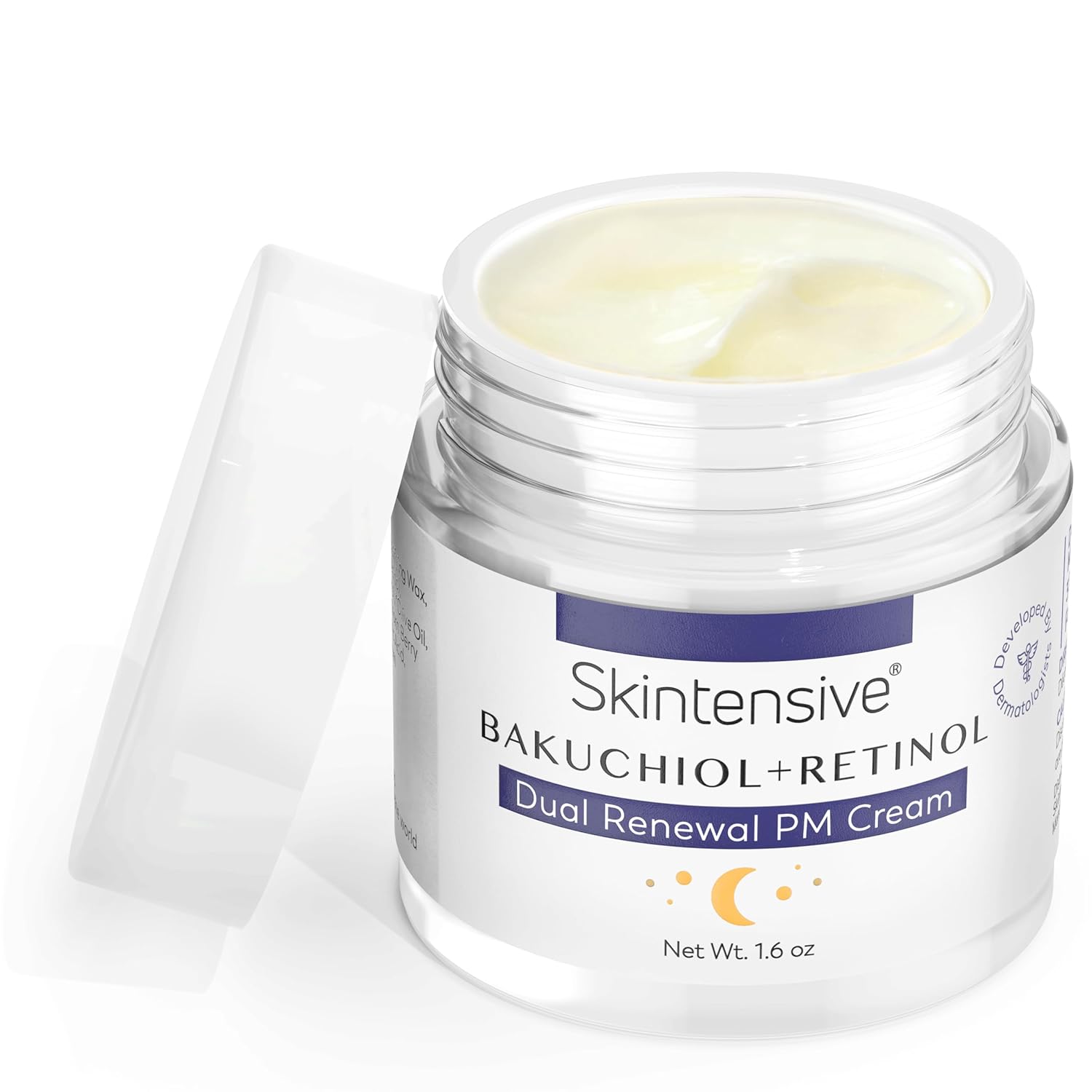
For those who cannot tolerate retinol at all, bakuchiol is a plant-based option that has gained real traction. A study published in the British Journal of Dermatology found that bakuchiol performed similarly to retinol in reducing wrinkles and hyperpigmentation, with less irritation. It is not a perfect replacement, and the research is less extensive. But it is a legitimate alternative rather than a marketing workaround. Consistency matters more than strength at this stage – a moderate retinoid used for years will do far more than an aggressive product abandoned after a few weeks.
What Actually Helps With Dark Spots and Uneven Tone?
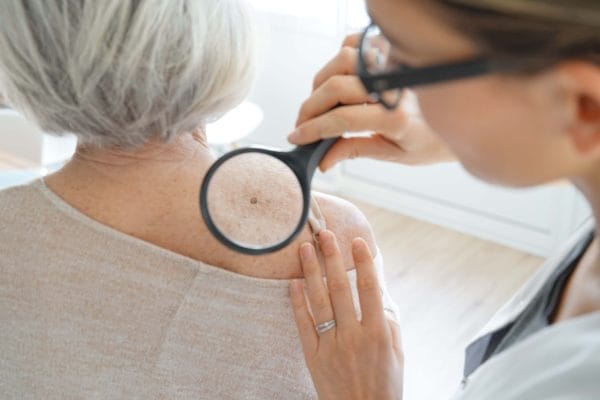
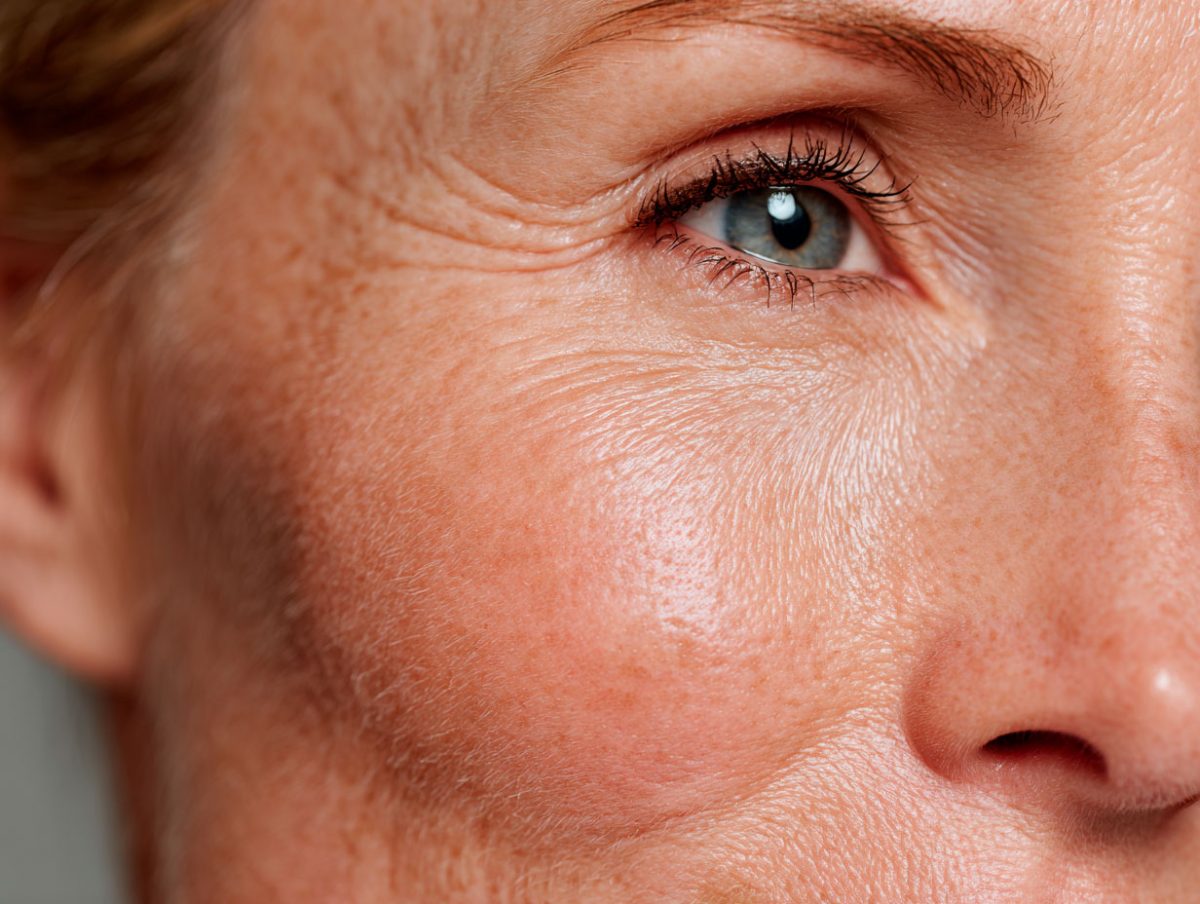
Pigmentation often becomes more pronounced with age. Sun spots, known clinically as solar lentigines, accumulate from decades of UV exposure. Hormonal shifts can add another layer of uneven tone. This is one of the most common concerns for women over 50, and it is one of the most mismanaged – either through over-aggressive treatments that damage the barrier or through products that promise results in weeks on issues that took years to develop.
Vitamin C remains a solid first choice. It helps brighten and provides antioxidant protection against the UV damage that causes more spots to form. Look for stable forms such as L-ascorbic acid in proper airtight packaging, or derivatives like sodium ascorbyl phosphate if your skin is sensitive to L-ascorbic acid. Niacinamide is another strong performer – it improves overall tone, reduces the look of pores, and supports the barrier with very low irritation risk. Concentrations of 5 to 10 percent are well-studied and generally well-tolerated.
For more stubborn pigmentation, alpha arbutin, kojic acid, and licorice root extract can help even tone gradually over several months of consistent use. Patience is required here. Pigmentation does not fade overnight, and reaching for higher-strength actives before the barrier is stable usually slows progress rather than accelerating it. And sunscreen – daily, broad-spectrum, every morning – is non-negotiable. According to the American Academy of Dermatology, daily SPF use helps prevent new dark spots and reduces visible aging. Source: https://www.aad.org/public/everyday-care/sun-protection – without it, brightening efforts stall.
Does Your Cleanser Need to Change With Age?
Absolutely. This step gets overlooked more than almost any other, but it has a significant impact on how the rest of your routine performs. Foaming cleansers that leave skin squeaky clean after washing are stripping protective lipids along with dirt and makeup. That tight feeling is not a sign of cleanliness – it is a sign that the skin barrier has been disrupted. And a disrupted barrier absorbs everything that follows less effectively.
Cream cleansers, cleansing milks, and gentle lotion cleansers are much better options for mature skin. They remove makeup and environmental residue without stripping the lipid barrier. Look for formulas free of harsh sulfates and high concentrations of alcohol. If you wear heavier makeup, a two-step approach works well – start with an oil-based cleanser to dissolve makeup, follow with a gentle cream cleanser. The goal is clean, not stripped.


Over-cleansing is extremely common among people who have maintained habits from years ago. Mature skin often does well with a single gentle cleanse at night and simply rinsing with lukewarm water in the morning. If you wake up and your skin does not feel dirty, it is not dirty. A morning cleanse that strips the protective oils your skin spent all night rebuilding is working against your barrier, not for it.
Should Mature Skin Still Exfoliate?
Yes – but carefully, and far less often than many people assume. Cell turnover slows with age, which means dead skin cells linger longer on the surface. This leads to dullness, rough texture, and impaired absorption of the products you apply afterward. Gentle exfoliation helps with all of this. But the emphasis on gentle cannot be overstated. Mature skin does not need or benefit from the aggressive exfoliation that was popular a decade ago.
Chemical exfoliants are almost always preferable to physical scrubs for mature skin. Low-strength alpha hydroxy acids like lactic acid smooth texture while providing some hydration benefit. Polyhydroxy acids are even gentler and well-suited to sensitive or reactive skin. Once or twice a week is typically enough – more than that and you are undermining the barrier you are working so hard to support. Watch for the warning signs of overuse: persistent redness, burning sensation, increased reactivity to products that were previously fine.

Physical scrubs with large or irregular particles can cause micro-tears in skin that is already thinner and slower to repair. If you enjoy the tactile feel of a scrub, choose one with very fine, rounded particles and use minimal pressure. But honestly, for most people over 60, a low-concentration lactic acid product used weekly will deliver better results with far less risk.
Do Peptides and Growth Factors Actually Work?
Peptides are short chains of amino acids. In skincare, they work by signaling the skin to support collagen and elastin production – essentially sending a message that repair work is needed. They do not inject collagen into the skin. They do not produce dramatic visible results in a short time. But over months of consistent use, a well-formulated peptide serum can support smoother texture and improved firmness. They are a long game ingredient, and they suit mature skin well because they deliver results without irritation.
Growth factors are more complex and typically more expensive. Some research suggests they can support skin repair and improve fine lines. But formulations differ widely, the research is less consistent than with peptides, and the price premium is significant. For most people, a well-formulated peptide serum layered under a rich moisturizer offers a more practical balance of performance and cost. If growth factors are on your radar, look for brands with specific published research on their particular formulation rather than general category claims.
What Should a Routine for Mature Skin Actually Look Like?
The best routine is not the longest one. It is the one that covers the fundamentals consistently and does not overwhelm a skin barrier that already has reduced resilience. A simple morning routine for mature skin looks something like this: gentle cleanse or plain water rinse, antioxidant serum – vitamin C works well here – a ceramide-rich moisturizer, and broad-spectrum SPF. That is four steps. Each one has a clear job. None of them overlap or compete.
At night, cleanse properly, apply your retinoid or treatment serum, then follow with a nourishing cream richer than your daytime moisturizer. If your skin is very dry, a facial oil pressed over the top of your moisturizer adds an extra layer of lipid support. Oils rich in fatty acids – rosehip, squalane, marula – improve suppleness and can reduce that crepey appearance over time. Two or three drops is all you need. More does not mean better.
Eye creams can help with dryness and fine lines around the eye area, which has fewer oil glands and thinner skin than the rest of the face. But many facial creams – if they are fragrance-free and gentle – can be used around the eyes just as effectively. The key is avoiding high-strength actives around this area unless a product is specifically formulated for it. And do not forget the neck and chest. Collagen loss and sun damage happen there too, and extending your routine downward takes seconds.
How Much Does Lifestyle Actually Affect Your Skin at This Stage?
More than at any earlier point. Topical products can support the skin, but they cannot override the cumulative effects of sleep deprivation, chronic stress, poor nutrition, and dehydration. Protein intake matters because collagen is a protein – your body needs adequate dietary protein to keep producing it. Antioxidant-rich foods help manage oxidative stress that breaks skin down from the inside. Omega-3 fatty acids from fish, flaxseed, or walnuts support the lipid barrier both internally and when applied topically.
Smoking accelerates collagen breakdown in ways that no topical product can adequately counter. Chronic high stress elevates cortisol, which disrupts barrier function and speeds up visible aging. Regular movement improves circulation, which supports the delivery of nutrients to skin cells. None of this is new information, but it matters more after 60 because the skin’s capacity to compensate for poor inputs has decreased. The basics compound more visibly in both directions – neglect shows up faster, and good habits pay off more clearly.

FAQs
What is the best moisturizer for mature skin?
Look for a cream rich in ceramides, glycerin, and nourishing oils like squalane or shea butter. The texture should feel comforting without being greasy or occlusive to the point of suffocation. Avoid heavy fragrance if your skin is at all sensitive. The right moisturizer softens fine lines, reduces end-of-day tightness, and supports the barrier rather than just sitting on top of it.
Is it too late to start using retinol at 60?
No. Skin can still respond to retinoids later in life. Start at a low concentration, use it two or three nights a week initially, and always pair it with a supportive moisturizer. Consistent use over months is what delivers results. Sun protection every morning is essential when using retinoids.
How often should mature skin exfoliate?
Once or twice a week with a gentle chemical exfoliant is typically enough. Over-exfoliation worsens dryness, increases sensitivity, and undermines the barrier you are trying to maintain. Less is genuinely more at this stage.
Do expensive products work better for mature skin?
Price does not reliably predict performance. Luxury packaging, marketing, and retail placement all inflate cost without necessarily improving the formula. Focus on ingredient quality, formulation logic, and how your skin actually responds. Some of the most effective formulas for mature skin come from mid-range brands that put budget into actives rather than aesthetics.
Can mature skin still break out?
Yes. Hormonal fluctuations and richer creams can both contribute to breakouts in mature skin. If that happens, assess the richness of your moisturizer and whether it suits your specific skin type. A low concentration of salicylic acid used carefully can help manage breakouts without stripping the barrier.
What It Really Comes Down To
Mature skin is not a problem to fix. It is skin that has lived. The goal is not to erase every line or pretend that six decades of biology did not happen. The goal is to support resilience, maintain comfort, and protect against further damage with products that respect where your skin actually is right now.
The right products do a few things well. They hydrate deeply and protect the barrier from further depletion. They support collagen gradually without demanding that the skin tolerate irritation to get there. They address pigmentation and texture with ingredients that have real evidence behind them. And they do all of this without stripping, stinging, or overpromising results that biology simply cannot deliver in a jar.
When you shift focus from chasing youth to supporting skin health, the entire routine feels different. It feels sustainable. It feels realistic. And in practice, it consistently delivers better results over time than the aggressive approach ever did. Start with the fundamentals. Build slowly. And trust that consistency will do more for your skin than any single product ever could.
Related Posts