
Sep
Beauty, Skincare, Trends & Opinions, Wellness
The One Supplement Scientists Say Adults Over 60 Should Stop Ignoring
If you click on links we provide, we may receive compensation.
By the time you turn 50, your body has been quietly losing muscle for two decades. Adults shed roughly 3 to 5 percent of their muscle mass every decade starting in their 30s, and that pace picks up meaningfully after 60 – the point at which the clinical term sarcopenia stops being something that happens to other people. The World Health Organization estimates that between 5 and 13 percent of adults aged 60 to 70 already have measurable sarcopenia, a figure that climbs to as high as 50 percent for people over 80. And what researchers keep circling back to, across dozens of well-designed studies, is a supplement most people still associate with gym-goers in their twenties: creatine monohydrate. The evidence for what it does to aging bodies is genuinely worth a second look.
Creatine is not a new discovery or a fringe supplement. It has been studied for over 30 years, has one of the strongest safety profiles of any supplement on the market, and costs next to nothing. What is relatively new is the research focus on older adults – people over 50, 60, and 70 – and what emerges from that research is a picture of a compound that does real work well beyond the gym. Muscle preservation is the headline benefit, but the emerging data on brain function, bone structure, and even skin quality makes creatine one of the more compelling low-risk additions to a healthy aging routine. Here is what the science actually shows.
What Exactly Is Creatine and Why Do Your Cells Need It?
Creatine is a naturally occurring compound your body synthesizes from three amino acids – arginine, glycine, and methionine – and it serves one central role at the cellular level: helping cells regenerate ATP, the molecule that fuels nearly every biological process. About 95 percent of your body’s creatine is stored in skeletal muscle, with the remainder distributed in the brain, heart, and other tissues. When you take creatine as a supplement, you saturate those stores beyond what diet and natural synthesis can achieve, giving cells a larger energy reserve to draw from whenever demand is high. That matters at any age. But it becomes significantly more important once you pass 50, when natural creatine synthesis slows and muscles become less efficient at using what they have.
A 2025 narrative review published in Frontiers in Nutrition described creatine’s role in aging as operating through what researchers call the muscle-brain axis – the two-way relationship between muscle health and brain function that becomes increasingly important as we age. The review found that creatine combined with resistance training supports this axis through improved energy metabolism, mitochondrial stability, and antioxidant defenses. None of those are small things, and none of them are limited to people in training programs. Even at rest, creatine’s role in cellular energy production keeps working. The source URL for that review is https://www.frontiersin.org/journals/nutrition/articles/10.3389/fnut.2025.1687719/full.
It is also worth noting where dietary creatine comes from, because that affects who benefits most from supplementation. Creatine is found primarily in red meat and fish. Vegetarians, vegans, and people who simply eat less meat tend to have lower baseline creatine stores – and lower baseline stores mean more room for supplementation to make a meaningful difference. Older adults, regardless of diet, tend to have reduced creatine synthesis efficiency with age. This combination of lower natural synthesis and reduced dietary intake creates exactly the kind of deficit that supplementation is well positioned to address.
Can Creatine Really Help You Hold On to Muscle?

The research here is the strongest of any creatine benefit for older adults, and the answer is a clear yes – particularly when creatine is combined with some form of resistance training. Multiple systematic reviews and meta-analyses confirm that creatine supplementation produces meaningfully greater lean muscle mass and strength gains than resistance training alone in older adults. A 2025 comprehensive review published in the Journal of the International Society of Sports Nutrition summarized that creatine monohydrate at doses of 3 grams or more per day is a viable anti-sarcopenic intervention, showing improvements in whole-body lean mass, regional muscle size and density, strength, and select measures of functional ability. Full citation URL: https://www.tandfonline.com/doi/full/10.1080/15502783.2025.2534130.
These are not abstract laboratory measurements. For older adults who are already losing functional independence, the difference between 12 weeks of creatine plus resistance training and resistance training alone can show up as noticeably better grip strength, faster gait speed, and an easier time rising from a chair without using their arms. Those functional markers matter enormously for quality of life, fall risk, and independence. The effect sizes are modest in clinical terms – creatine is not going to replace lost decades of muscle – but they are consistent across studies, which in medicine is often more meaningful than one dramatic result.
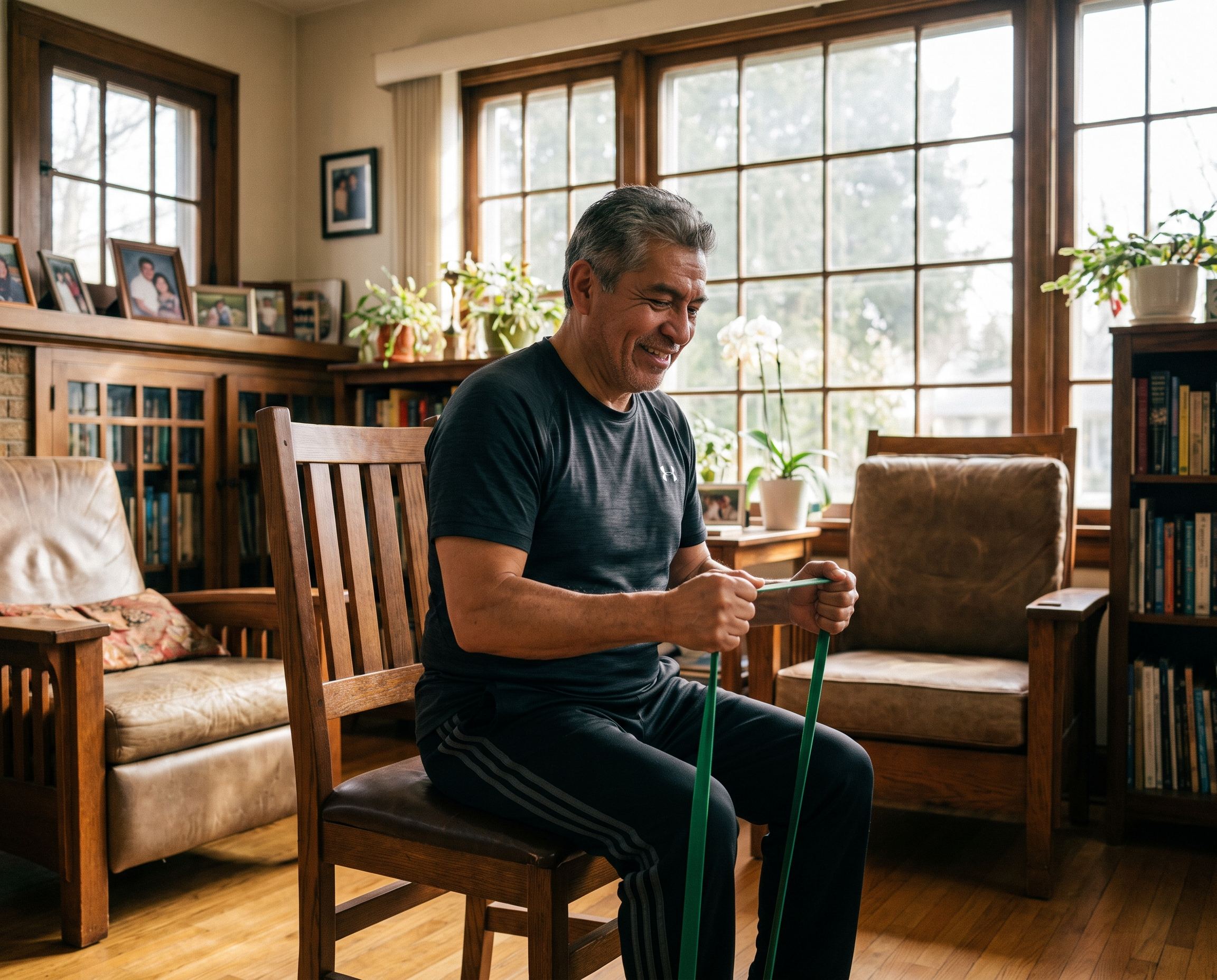
Creatine is most effective when paired with some form of resistance exercise, even light training. The supplement amplifies the muscle protein synthesis signal that exercise triggers. If you are completely sedentary, the benefit is more modest – though even at rest, creatine appears to slow the rate of muscle protein breakdown to some degree. A meta-analysis published in the Journal of Cachexia, Sarcopenia and Muscle found that creatine supplementation combined with resistance training significantly increased muscular strength and lean tissue mass in older adults versus exercise alone. The source URL is https://www.ncbi.nlm.nih.gov/pmc/articles/PMC12752335/. For older adults who cannot tolerate intensive exercise due to joint pain or other limitations, the passive preservation effect still has value – and the exercise needed to activate creatine’s muscle benefits does not need to be intense. Light resistance work, band exercises, or bodyweight movements are enough to make creatine more effective.
What Does Creatine Actually Do for Bones?
This is where the picture becomes more nuanced, and it is worth being honest about what the evidence does and does not show. The direct evidence for creatine’s effect on bone mineral density is weak. A meta-analysis of five randomized controlled trials found no significant difference in whole body bone mineral density, hip BMD, femoral neck BMD, or lumbar spine BMD between older adults who supplemented with creatine plus resistance training and those who did resistance training alone. That is a clear null finding on the primary BMD question. Source URL: https://www.ncbi.nlm.nih.gov/pmc/articles/PMC5928444/.
Where creatine may contribute something meaningful is through its indirect effects on the skeleton. Stronger muscles exert more mechanical force on bones, and mechanical loading is one of the primary drivers of bone remodeling. If creatine helps an older adult train harder, lift more, or recover faster from exercise, the increased load on the skeleton is doing real bone work even if the supplement itself is not acting directly on bone tissue. A 2024 review in Current Osteoporosis Reports described creatine’s effects on bone as showing some promise around bone area and bone thickness while being more cautious about BMD claims. The URL for that review is https://link.springer.com/article/10.1007/s11914-024-00895-x.
The practical framing here is that creatine is not a standalone bone supplement and should not be positioned as one. For people managing osteoporosis or osteopenia, it is worth discussing with a physician as an adjunct to established interventions – calcium, vitamin D, weight-bearing exercise, and where appropriate medication – rather than a replacement for any of them. What creatine can do is help you exercise harder and more effectively, and that exercise pays dividends to your skeleton that the supplement alone does not.
Is Creatine Good for Your Brain as You Age?

This is the most exciting emerging area of creatine research for older adults, and the findings are genuinely interesting rather than just hopeful. The brain, like muscle tissue, depends heavily on ATP for its function. Creatine stores in the brain help buffer energy supply during periods of high cognitive demand. As creatine levels naturally decline with age, some researchers have hypothesized that supplementation could help restore the energetic capacity of aging neurons – and early human data is beginning to support that hypothesis.
A 2024 systematic review and meta-analysis published in Frontiers in Nutrition examined the effects of creatine supplementation on cognitive function across adults and found significant improvements in both memory and information processing speed. The evidence for memory function specifically was rated as moderate certainty – meaningful in a landscape where most cognitive supplements barely reach low certainty thresholds. Source URL: https://www.frontiersin.org/journals/nutrition/articles/10.3389/fnut.2024.1424972/full. A separate systematic review published in Nutrition Reviews, focused specifically on older adults, found that creatine supplementation improved some measures of cognition and memory in healthy elderly people. Source URL: https://academic.oup.com/nutritionreviews/article/84/2/333/8253584.
The cognitive benefits appear most pronounced in people with lower baseline creatine levels, which includes vegetarians, vegans, and older adults broadly – exactly the populations where supplementation has the most ground to recover. It is not a cure for cognitive decline and should not be framed that way. Creatine does not reverse dementia or prevent Alzheimer’s disease, and the research does not support those claims. What it may do is support brain energy metabolism in a population that is already experiencing age-related cognitive changes, and the risk of trying it is extremely low. That cost-benefit calculation looks favorable.
What Does Creatine Have to Do With Aging Skin?
The skin angle may be the least well-known part of the creatine story, but it is relevant for anyone who thinks carefully about skin quality as they get older. Creatine is present in skin cells – specifically in keratinocytes and fibroblasts, the cells responsible for collagen production, skin barrier function, and repair. Creatine levels in skin tissue decline with age, just as they do in muscle and brain tissue. When fibroblasts run low on cellular energy, collagen synthesis slows, repair becomes less efficient, and the skin shows it.
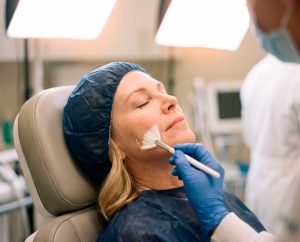
In vitro research has shown that human dermal fibroblasts supplemented with creatine display stimulated collagen synthesis at both the gene expression and protein level. A review published in the Journal of Clinical and Aesthetic Dermatology summarized findings showing that topical creatine at concentrations of 1 to 3 percent, applied over six weeks, significantly reduced sagging around the jowl area and produced a measurable reduction in crow’s feet and under-eye wrinkles. Source URL: https://jcadonline.com/the-effects-of-topical-and-oral-creatine-on-skin-firmness-and-resilience-a-review/.
Whether oral creatine produces meaningful skin benefits is less established than the topical data. Most skin-specific trials have used topical formulations rather than oral supplementation. But the cellular mechanism is coherent: if fibroblasts need ATP to produce collagen, and creatine helps regenerate ATP in those cells, then supporting creatine levels systemically is a plausible way to support skin function from the inside. Robust human oral trials with skin endpoints would be welcome, and they are beginning to appear in the literature. For now, the skin benefit of oral creatine is intriguing and mechanistically plausible, but the strongest evidence sits with topical application. Using both approaches – oral creatine alongside a topical creatine-containing product – is one practical way to cover both bases.
What Should Mature Skin Readers Know Specifically?

For people in their 60s and beyond, the skin picture around creatine is worth thinking about with some specificity. Mature skin faces a compound challenge that younger skin simply does not: creatine levels in dermal fibroblasts decline, collagen production slows, cell turnover decelerates, and the skin’s capacity to recover from UV exposure weakens. These are not independent problems. They all connect to the cellular energy deficit that accumulates with age, which is exactly where creatine operates. If the cells responsible for collagen synthesis have more ATP available, they function more efficiently even against the backdrop of the broader cellular slowdown that aging brings.
Women in their 60s face a particularly steep skin challenge. Roughly 30 percent of skin collagen is lost in the five years following menopause, driven by the drop in estrogen that accelerates skin thinning and dryness. Any intervention that supports fibroblast energy production has more relevance after menopause, when those cells are working harder against greater odds. Creatine’s cellular energizing effect does not discriminate by tissue – the same mechanism that helps muscle cells produce force more efficiently also helps skin cells produce collagen more efficiently. That parallel is worth noting even if the oral skin data for women over 60 specifically is still limited.
One practical combination worth considering for mature skin is oral creatine alongside topical antioxidants – vitamin C serums, niacinamide, or similar. Creatine addresses the cellular energy side of skin repair; antioxidants address the oxidative stress from UV exposure that is compounding the problem from the other direction. Neither is a substitute for sun protection or a well-rounded skincare routine, but together they target different parts of the same aging process. Mature skin is less forgiving of cellular energy deficits than young skin, which makes creatine’s role more – not less – relevant with each passing decade.
How Much Should You Take and Is It Actually Safe?
Dosing for creatine is simpler than the supplement industry sometimes makes it sound. The standard dose of 3 to 5 grams of creatine monohydrate per day is appropriate for older adults, and there is no scientific reason to adjust it downward based on age alone. Skip the traditional loading phase of 20 grams per day often recommended to young athletes. At those higher doses, some people experience gastrointestinal discomfort – and the loading phase is simply not necessary for long-term supplementation to be effective. Steady daily dosing at 3 to 5 grams gets you to full muscle saturation within about four weeks. Creatine monohydrate powder is the most cost-effective form and the most studied; there is no evidence that more expensive proprietary forms perform meaningfully better.
Safety has been studied extensively over three decades. A comprehensive review cited by AgeWell Health found no adverse effects on kidney function, liver function, or cardiovascular markers in older adults supplementing with creatine at standard doses, including in a cohort aged 50 to 71 over a 12-week period. Source URL: https://www.agewell-health.com/blog/is-creatine-safe-for-seniors. Reports linking creatine to kidney damage in healthy adults are not supported by the peer-reviewed medical literature, and Mayo Clinic has noted that creatine is generally well-tolerated at recommended doses. Source URL: https://store.mayoclinic.com/education/creatine-beyond-the-gym-what-older-adults-and-non-athletes-should-know/. The important caveat is for people with pre-existing kidney disease: creatine supplementation raises creatinine levels in blood tests, which can look concerning to a physician who does not know you are supplementing, and people with compromised kidney function should be monitored more closely.
Hydration matters more for older adults than for younger people. Creatine draws water into muscle cells as part of its mechanism, which means adequate fluid intake is important while supplementing. Aim for at least 2 to 2.5 liters of water per day – a level many older adults already fall short of, separate from any supplement use. Timing your creatine is largely irrelevant; consistency matters far more than whether you take it before or after exercise. Taking it with a meal or a protein shake is fine. The most common mistake people make with creatine is starting the loading phase, experiencing discomfort, and stopping before the real benefits arrive. Starting at 3 to 5 grams daily from the beginning sidesteps that problem entirely.
Frequently Asked Questions
Does creatine cause water retention and bloating in older adults?
Creatine causes intracellular water retention – water moves into muscle cells as part of the mechanism – but this is different from the subcutaneous bloating people associate with water weight gain. Most older adults do not report visible bloating at the standard 3 to 5 gram daily dose. The loading phase at 20 grams per day is more likely to produce that effect, which is another reason to skip it and start with a steady maintenance dose from day one.
Can women over 60 take creatine?
Yes, and the research supports it. Studies in older women show similar muscle and strength benefits from creatine combined with resistance training as in men, with some evidence of particular benefit given the accelerated muscle loss that can follow menopause. Women in this age group tend to have lower baseline creatine stores than men of similar age, which may mean more headroom for supplementation to make a meaningful difference. The cognitive and potential skin benefits apply equally.
Is creatine safe if I am taking medications?
For most medications commonly used by older adults, creatine does not appear to cause significant interactions. The main concern is for people on medications that affect kidney function, where creatine’s effect on blood creatinine levels could complicate monitoring. Always inform your doctor if you are supplementing, particularly if you are on any nephrotoxic medication, managing a chronic disease, or have had kidney issues in the past.
How long before I see results?
For muscle and strength outcomes combined with resistance training, most studies see meaningful effects at eight to twelve weeks. Cognitive effects, where studied, have shown up in as little as four weeks. Topical creatine in clinical skin trials showed results at six weeks. Oral creatine’s timeline for any skin benefit is less established, but muscle and brain effects are well-documented within two to three months of consistent daily use.
Does it matter which form of creatine I buy?
Plain creatine monohydrate powder is the gold standard. It is the form used in virtually all the clinical research, it is inexpensive, and there is no convincing evidence that fancier forms like creatine ethyl ester or buffered creatine outperform it. Look for a product that lists creatine monohydrate as the only active ingredient. Avoid liquid creatine products, which can degrade into creatinine – the waste product, not the supplement – during storage. Powder dissolved in water or a shake is ideal.
The conversation around creatine has shifted considerably in the past decade. What started as a bodybuilding staple now has a serious and growing body of research behind it for healthy aging – not just for muscle, but for brain function, cellular energy, and possibly skin quality as well. It is among the most studied, best-tolerated, and least expensive supplements available. For adults over 50 who are already thinking carefully about what they put in their bodies, creatine deserves a genuine look. Talk to your physician first, particularly if you have any kidney concerns or are managing a chronic condition. If you get the green light, the starting point is straightforward: three to five grams of plain creatine monohydrate every day, with plenty of water. The three decades of research standing behind that dose are about as solid as supplement science gets.
Related Posts