Aug
Beauty, Skincare, Trends & Opinions
The Best Peptide Creams and Serums Your Skin Has Been Waiting For
If you click on links we provide, we may receive compensation.
A 2023 double-blind, split-face clinical study found that participants applying a 0.05% GHK-Cu copper peptide serum for twelve weeks recorded a 22 percent increase in skin firmness and a 16 percent reduction in fine lines – results measured by optical profilometry, a technology that maps skin topography with real precision rather than relying on self-report (https://northbiomedical.com/articles/copper-peptides-skin/). That kind of data is why peptide skincare has shifted from niche ingredient status to mainstream obsession over the past decade. Walk into any pharmacy or beauty retailer and you will find serums and creams boasting Matrixyl, Argireline, GHK-Cu, or a combination of all three on the label. Yet not every product delivers on its promise. Knowing which peptides actually do something – and which formulas contain enough of them to make a real difference – separates a smart purchase from an expensive mistake. This guide cuts through the noise and tells you exactly what to look for and what to buy.
What exactly are peptides and why does your skin need them?
Peptides are short chains of amino acids – the same building blocks that make up proteins like collagen and elastin. Your skin is rich in these structural proteins when you are young: collagen keeps it firm and plump, elastin gives it its ability to spring back, and a dense matrix of supporting proteins holds the whole architecture in place. From around the age of 25, collagen production begins to fall by roughly one percent per year. By the time most people reach their 60s, the cumulative loss is substantial, which is why skin gradually loses volume, develops creases, and starts to feel thinner and more fragile. Topical peptide products are designed to interrupt that process by sending the skin chemical signals it recognizes as instructions to rebuild. Some act as direct messengers, prompting fibroblast cells to ramp up collagen and elastin synthesis. Others block the enzymes that break down existing collagen, and still others deliver trace minerals that support tissue repair at a cellular level.
The reason peptides have become such a strong alternative to retinoids is tolerability. Retinoids are powerful – few ingredients have more clinical evidence behind them for anti-aging – but they can cause redness, flaking, photosensitivity, and a weeks-long adjustment period that many people find difficult to manage. Peptides are gentle enough for daily use and rarely cause irritation even at effective concentrations, making them a natural choice for anyone with reactive or sensitive skin. They also layer cleanly under moisturizer and sunscreen without pilling or interfering with other actives – with one key caveat. Strong acids like alpha hydroxy acids and beta hydroxy acids can break down peptide bonds if the two are applied together, reducing the peptides’ effectiveness before they even reach the skin. Building a short gap of fifteen minutes or more between applying an acid and a peptide product is a simple fix that makes a real difference to results. With that adjustment in mind, peptides are among the most versatile and approachable anti-aging ingredients in modern skincare.
Which types of peptides should you actually be looking for?
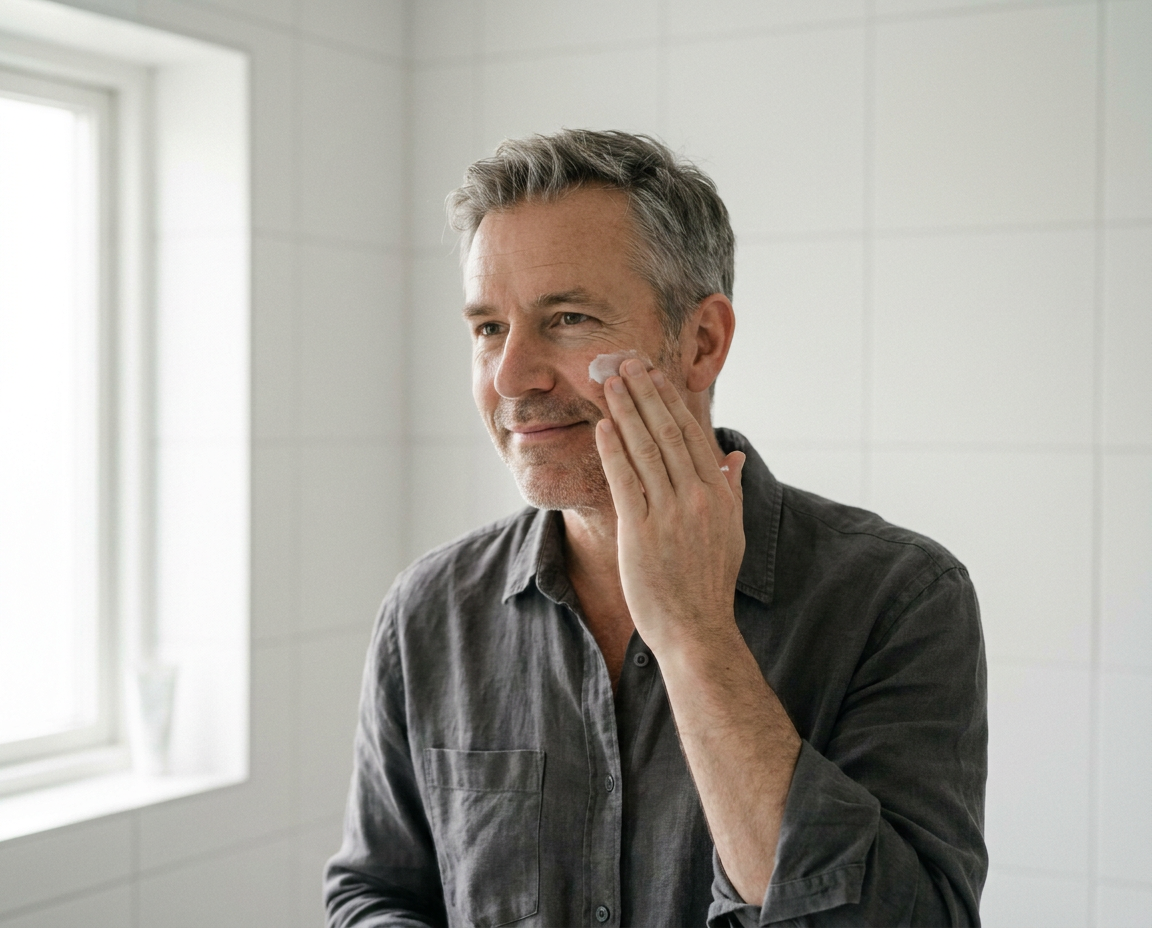
Not all peptides work the same way, and knowing the categories makes it much easier to read a label with confidence. Scientists classify topical peptides into four main families: signal peptides, carrier peptides, enzyme-inhibitor peptides, and neurotransmitter-inhibitor peptides. Signal peptides are probably the most studied and are the backbone of most serious anti-aging peptide formulas. They act on skin fibroblasts and prompt those cells to produce more collagen, elastin, fibronectin, and glycosaminoglycans – the full suite of structural and hydrating proteins that decline with age. Matrixyl 3000, which combines the oligopeptides Pal-GHK and Pal-GQPR, is the most recognized signal peptide complex and has a substantial peer-reviewed evidence base behind it. It works by mimicking a fragment of degraded collagen, which the skin reads as a signal that repair is needed, triggering fresh collagen synthesis. The result, over several weeks of consistent use, is measurably firmer and smoother skin (https://www.enspriskincare.com/blogs/news/the-20-peptide-powerhouse-why-matrixyl-3000-and-argireline-are-the-ultimate-anti-aging-duo).
Carrier peptides take a different approach. The most well-documented is GHK-Cu, or copper peptide, which delivers copper – a trace element essential to the enzyme lysyl oxidase – directly into the dermis. Lysyl oxidase is responsible for cross-linking collagen fibers, making them structurally robust rather than fragile and loose. A product containing GHK-Cu at an effective concentration is not just stimulating new collagen production; it is helping the body build collagen that is genuinely durable. Enzyme-inhibitor peptides form a third category, targeting the matrix metalloproteinases – known as MMPs – that naturally degrade collagen as part of the skin’s ongoing turnover cycle. By moderating those enzymes, they help the skin hold onto more of the collagen it already has, which is particularly valuable for mature skin that cannot afford to lose any more. And finally, the neurotransmitter-inhibitor peptides – of which Argireline (acetyl hexapeptide-3) is the most well known – work in expression-line areas by reducing the intensity of muscle contractions. They mimic the mechanism of botulinum toxin at a very modest scale, softening the appearance of repeated-movement lines around the forehead and eyes. None of these categories operates in isolation; the best products combine two or more to target aging from multiple angles at once (https://www.medik8.com/pages/different-types-of-peptides-in-skincare-what-they-do).
What are the best peptide serums on the market right now?

At the accessible end of the market, The Ordinary Multi-Peptide + Copper Peptides 1% Serum is genuinely one of the best-value peptide formulas available. It combines signal peptides, enzyme-inhibitor peptides, and GHK-Cu in a single lightweight serum at a price that makes daily use financially painless for essentially any budget. It is not the most sophisticated delivery technology on the market, but for a product in its price bracket it punches well above its weight. Sensitive skin types respond particularly well to it, and it absorbs cleanly without pilling or leaving a greasy residue under sunscreen or makeup. The catch, as with any peptide product, is that results require patience – six to eight weeks of consistent daily use is the minimum before most people see a visible change in firmness or texture.
At the higher end, SkinCeuticals P-Tiox Anti-Wrinkle Serum has become a go-to recommendation from dermatologists for clients in their 50s and 60s. Its formulation combines Argireline and proline to address dynamic expression lines while simultaneously supporting the skin barrier – a dual strategy that works especially well for skin that has grown thinner and more fragile with the years. Medik8’s Liquid Peptides is another widely dermatologist-endorsed option; board-certified dermatologist Cheryl Karcher has specifically cited it as an effective choice for smoothing fine lines and treating dullness, noting that its blend of approximately ten different peptides – including copper and signal varieties – targets collagen production from several directions at once. These premium serums typically invest more in delivery technology to ensure that peptides actually penetrate to the dermal layer where they can activate fibroblasts, rather than sitting on the surface of the skin.
Eighth Day The Regenerative Serum appears consistently on dermatologists’ best-of lists, combining multiple peptide types with growth factors in a formula built for meaningful anti-aging results. Goop’s Youth-Boost Peptide Serum has published its own data showing effects on key aging markers, which puts it in a relatively small group of products that back up their claims with trials. Peach and Lily’s Glass Skin Refining Serum takes a broader approach, layering peptides with hyaluronic acid and niacinamide to address hydration, tone, and texture simultaneously – useful for anyone who wants to streamline their routine. And Peter Thomas Roth’s Peptide Skinjection Amplified Wrinkle-Fix Serum is built specifically for people who want both the muscle-relaxing action of neurotransmitter peptides and the structural support of signal peptides in one formula. All of these products have one thing in common: they use peptides at concentrations that actually appear in clinical literature, rather than as label decoration added in trace amounts to justify marketing language (https://www.forbes.com/sites/forbes-personal-shopper/2026/08/06/best-peptide-serums/).
Are peptide creams any different from serums?
Yes, though not necessarily in the way people assume. Serums are water-based, lighter in texture, and designed to deliver actives at higher concentrations. Their lower viscosity means they are absorbed more readily and can deliver peptides more efficiently to the deeper layers of the epidermis. Peptide serums take advantage of this format by packing multiple peptide types into a concentrated base without the additional weight of emollients and occlusive ingredients that creams carry. For oily or combination skin types, and for anyone who lives in a warm or humid climate, a serum is almost always the more comfortable format. It also sits more neatly in a layered routine under a separate moisturizer.
Peptide creams, however, have real advantages of their own. They provide a more substantial barrier function – locking moisture into the skin alongside the active peptide ingredients – and that combination is particularly well-suited to dry and mature skin types. Skin in the 50-and-over range tends to produce less sebum and loses water more easily than younger skin, so a peptide cream delivers actives and hydration in a single step rather than requiring separate products for each. Allies of Skin’s Multi Peptides formulation bridges the gap between serum and cream, offering peptide density in a formula that feels genuinely nourishing without being heavy. The honest answer is that the choice between a serum and a cream matters less than the quality of the peptide complex inside the formula and the concentration at which those peptides are present. Both formats can deliver excellent results; your skin type and layering preferences should drive the decision.
Does peptide skincare really work for mature and aging skin?
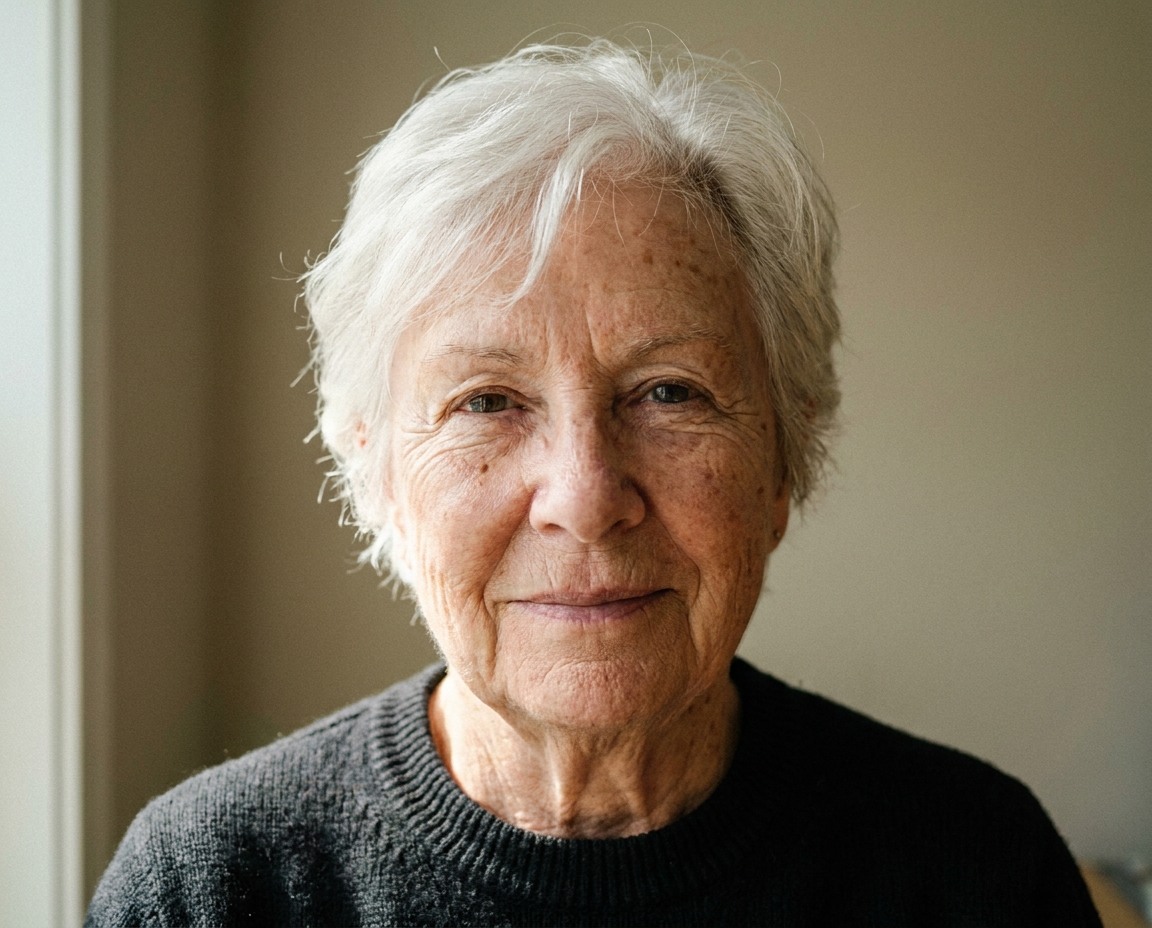
For skin in its 50s, 60s, and beyond, peptides address several of the most urgent concerns at once – and the evidence that they work is more robust than many people realize. By the time most people turn 60, collagen production has been declining steadily for three to four decades. But skin fibroblasts – the cells that manufacture collagen – remain biologically responsive to the right chemical signals well into later life. That responsiveness is precisely what peptide formulas exploit. Signal peptides like Matrixyl 3000 do not restore the collagen density of a 25-year-old overnight, but sustained use over months produces measurable improvements in firmness, depth of fine lines, and skin texture. A meta-analysis published in the American Journal of Medicine reviewed multiple randomized controlled trials and found statistically significant effects of collagen peptides on skin elasticity and global wrinkle parameters (https://www.amjmed.com/article/S0002-9343(25)00283-9/abstract). The effect is real; the expectation should be improvement rather than transformation.
Mature skin also benefits from the barrier-reinforcing ingredients that often accompany peptides in quality formulas. Many of the best products pair peptides with ceramides, niacinamide, or hyaluronic acid – ingredients that counteract the dryness, heightened sensitivity, and loss of resilience that come with aging. A compromised skin barrier actually reduces how effectively any active ingredient can penetrate; repairing it is not just a comfort measure but a prerequisite for getting peptides to work properly. For skin over 60 that has also accumulated decades of UV exposure – and most has – GHK-Cu copper peptide carries a useful added benefit: research shows it reduces hyperpigmentation and uneven tone alongside its structural collagen-building effects. Combining a copper peptide serum with a formula rich in Matrixyl 3000 creates a routine that works on multiple fronts – structural loss, tone, and barrier health – simultaneously.
One practical note for mature-skin users: start at a lower concentration and build up. Even though peptides are far gentler than retinoids, skin over 60 is thinner and more sensitive than it was at 30, and a gradual introduction reduces any risk of irritation or reaction. Apply your peptide product to slightly damp skin immediately after cleansing, allow it to fully absorb before layering anything else over it, and commit to at least eight weeks of daily use before evaluating results. The research consistently shows that peptide benefits accumulate over time rather than appearing acutely, which means patience is genuinely part of the protocol. Taking photographs in consistent lighting at the start and end of an eight-week trial is a practical way to see progress that the daily mirror can make easy to miss.
How do you get the most out of a peptide product?
Layering order is where most people unknowingly undermine their peptide routine. As mentioned, alpha hydroxy acids and beta hydroxy acids can disrupt the structural integrity of peptide molecules when applied at the same time, so the two categories should not be used back to back. The cleanest solution is to use exfoliating acids in the evening and peptides in the morning – or, if you prefer both in the same routine, to leave a gap of at least fifteen minutes between them. Vitamin C in ascorbic acid form presents a similar issue: its low-pH environment is suboptimal for peptide stability, and the two are best kept in different parts of the day. Vitamin C derivatives like ascorbyl glucoside and sodium ascorbyl phosphate are formulated at higher pH levels and are far less likely to cause a problem. With those adjustments in place, peptides are genuinely compatible with the vast majority of other skincare ingredients – retinoids, niacinamide, ceramides, hyaluronic acid – and can be layered without concern.
Consistency matters more here than any other variable. Applying a generous amount of peptide serum every third day is considerably less effective than applying a standard amount every single day, because the biological cascade that peptides trigger – the signaling chain that eventually produces new collagen – requires sustained prompting over time. Think of it the way you would think about strength training: occasional sessions produce occasional results, but showing up every day is what compounds into a real change. If you are using both a peptide serum and a peptide cream – which is perfectly fine, since there is no conflict between them – apply the serum first on clean skin, allow it to absorb, and follow with the cream. More of a good thing is not counterproductive here, provided both formulas are well-tolerated. And finally, never skip sunscreen. Peptides can rebuild and protect collagen, but ultraviolet radiation degrades it faster than any formula can replace it. Consistent SPF 30 or higher daily use is the single most effective complement to any peptide routine.
Frequently Asked Questions
Can I use peptides and retinol at the same time?
Yes, and this is actually an effective combination for mature skin. Retinol accelerates cell turnover and drives collagen synthesis from one pathway while signal peptides drive it from another, so the two work in parallel rather than in conflict. The practical approach is to use retinol in the evening and your peptide product in the morning, or to apply them at the same time on alternate nights if your skin is robust enough to tolerate retinol daily. Start slowly with both if you are new to either ingredient, and monitor for any redness or flaking. When used together thoughtfully, retinol and peptides are among the most powerful combinations available in non-prescription skincare.
How long does it take for peptide products to show results?
Most people begin to notice changes in skin texture and hydration within three to four weeks, with firming and wrinkle-reduction effects becoming more apparent at the six to twelve week mark. Peptides work through biological signaling processes that take time – new collagen does not appear overnight, it builds gradually as fibroblasts respond to sustained prompting. Eight weeks of daily use is the minimum reasonable trial period, and twelve weeks gives a much clearer picture of a formula’s long-term potential. Photographs taken in consistent lighting are genuinely useful for tracking changes that are too gradual to see in the daily mirror.
Are expensive peptide serums actually better than budget ones?
Not always, but sometimes yes. The Ordinary Multi-Peptide + Copper Peptides 1% Serum is a legitimate example of a budget product that contains effective peptide types at meaningful concentrations. Premium products like SkinCeuticals P-Tiox or Eighth Day The Regenerative Serum tend to invest more in patented delivery systems and formulation technology that help peptides penetrate more effectively to the dermal layer where they can actually act. They also tend to use proprietary peptide complexes with more published efficacy data behind them. The honest answer is that price is not a reliable proxy for quality, but formulation complexity – and how much of the clinical peptide concentration is actually present in the product – matters more than the price alone.
Are peptides safe for all skin types?
Peptides are among the gentlest categories of active skincare ingredients, and they are suitable for virtually all skin types including sensitive, reactive, and rosacea-prone skin. They are also safe for pregnant and breastfeeding skin – a point of distinction from retinoids, which are typically avoided during pregnancy. The rare occasions when a peptide product causes irritation are usually down to other ingredients in the formula rather than the peptides themselves. If you have extremely sensitive skin, patch testing any new product on the inner arm before applying it to the face is always a sensible step.
Can I use multiple peptide products in the same routine?
Yes, and doing so is not counterproductive. Using a peptide serum followed by a peptide cream is perfectly fine – the peptides do not compete with each other, and the combined concentration of signal peptides, copper peptides, and neurotransmitter-inhibitor peptides that comes from layering two well-formulated products can be genuinely beneficial. The main consideration is keeping the total routine manageable and making sure you have given each product time to absorb before applying the next. There is no known ceiling on peptide use that would create a problem with layering.
Peptides have earned their place at the center of modern anti-aging skincare not through marketing alone but through a growing body of solid science. Whether you start with a budget-friendly formula like The Ordinary’s Multi-Peptide serum or invest in a dermatologist-grade option like Medik8’s Liquid Peptides or SkinCeuticals P-Tiox, the fundamental principle is the same: consistent, daily use of a formula that contains meaningful concentrations of clinically studied peptide types produces real results over time. That is particularly good news for anyone in their 50s, 60s, or beyond, because the skin’s fibroblasts retain the ability to respond to these signals for decades longer than most people expect. Pick a product, commit to it for at least eight weeks, protect it with daily SPF, and give the biology the time it needs to catch up. The results are not dramatic, but they are real – and they compound with every month of consistent use.
Related Posts