
Mar
Beauty, Skincare, Trends & Opinions
Where to Buy Natural Anti-Aging Skincare You Can Actually Trust
If you click on links we provide, we may receive compensation.
The global anti-aging skincare market is projected to surpass $93 billion by 2027, according to Statista. That number tells you one thing immediately: people are willing to spend real money on products that promise younger-looking skin. But spending more has never guaranteed getting more – especially in a category where the word “natural” means almost nothing from a regulatory standpoint.
Here is the problem most buyers run into. The U.S. Food and Drug Administration does not formally define the term “natural” for cosmetic products. You can confirm this directly on the FDA’s website: https://www.fda.gov/cosmetics/cosmetics-labeling-claims/natural-and-organic-cosmetics – which means any brand can use the word freely, without meeting a single verifiable standard. So when you ask where to buy natural anti-aging skincare, the harder question underneath it is: who do you actually trust?
If you care about clean formulas, plant-based actives, cruelty-free policies, and products that actually produce results, you have real options. But not all of them are equal, and some carry risks that are easy to overlook. This is a practical guide to where to shop, what to look for before you buy, and how to avoid wasting money on products that do not live up to what the label promises.
What Does Natural Anti-Aging Actually Mean?
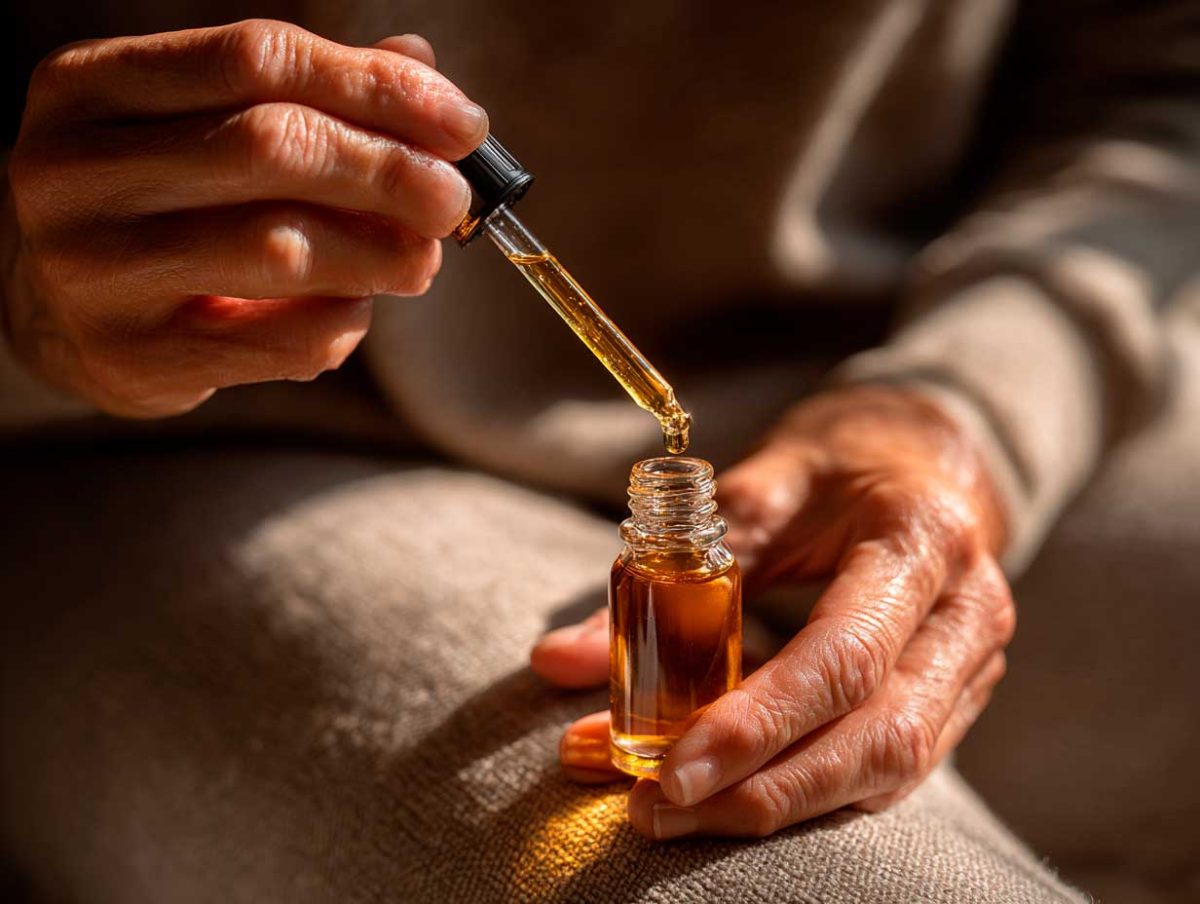
Before choosing where to shop, it helps to get clear on what you are actually shopping for. Anti-aging products target visible concerns – fine lines, wrinkles, uneven tone, sagging, and rough texture. Natural anti-aging products focus on plant extracts, botanical oils, mineral ingredients, and bio-derived actives rather than heavy synthetic blends. But natural does not automatically mean effective, and synthetic does not automatically mean harmful. The source matters far less than the formulation.
Bakuchiol is a good example of a natural ingredient with real clinical backing. It is extracted from the Psoralea corylifolia plant and a 2019 study published in the British Journal of Dermatology found it performed similarly to retinol in reducing wrinkles and hyperpigmentation, with less irritation. That matters if you have sensitive or mature skin. Other natural anti-aging ingredients with solid evidence behind them include rosehip oil, green tea extract, vitamin C from botanical sources, fermentation-derived hyaluronic acid, and peptides.
The real question when evaluating any product is not whether it is natural. It is whether the ingredients are present in concentrations that can actually do something, whether the formula is stable, and whether the brand is being honest about what the product can and cannot achieve. Where you buy shapes how easily you can access that information – and how much protection you have when a brand is not being straight with you.
Is Buying Direct From Brand Websites Worth It?
For most buyers who already know what they want, the brand’s own website is the most reliable place to purchase. When you buy direct, you get the full ingredient list, usage guidance, and access to educational content that often does not make it onto third-party retailer pages. You are also getting a product that has been stored and shipped by the company that made it – which matters more than people realize for natural formulas that can degrade with heat or light exposure.
Brands like Reviva Labs, which has been formulating treatment-focused skincare for over five decades, sell directly through their own site. Buying direct ensures product freshness and gives you access to the full product range, including newer launches that may not yet be available through third-party retailers. Customer service is also far more accessible when you purchase direct – if you react to something or have questions about layering ingredients, you can contact the company and get a meaningful response.
The main downside of buying direct is that you cannot compare competitor products side by side, and shipping costs vary. First-time buyer discounts, loyalty programs, and subscription options can offset this over time. But if you are still in discovery mode and trying to figure out which brand suits your skin, direct purchase works best once you have already narrowed your options down.
Are Natural Grocery Stores a Good Place to Shop for Skincare?
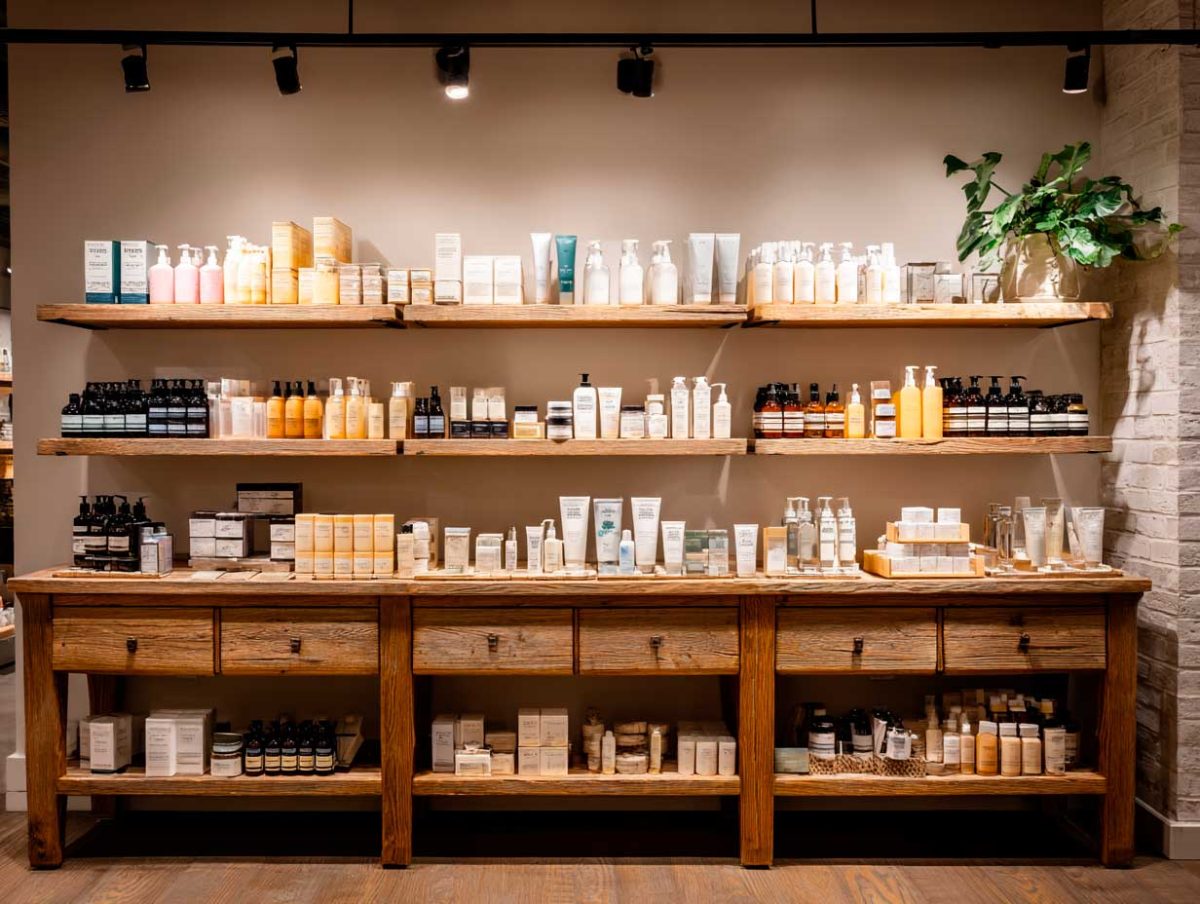
Natural grocery retailers have become a legitimate channel for clean beauty, and for good reason. Retailers like Whole Foods Market apply their own ingredient standards to the personal care products they stock. Whole Foods maintains a published list of unacceptable ingredients for body care products – often called the Body Care Premium Standards – which you can review at: https://www.wholefoodsmarket.com/quality-standards/body-care-standards – Products have typically passed an internal review for ingredient quality before they reach the shelf.
The practical benefit here is that someone has already done a layer of vetting for you. You are not starting from scratch trying to research whether a preservative is acceptable or whether a fragrance component is on a restricted list. You can read labels in person, compare textures, and avoid the counterfeit risk that comes with online marketplace shopping. That combination of curation and physical access is genuinely useful.
The limits are real though. Shelf space is tight. You may not find a brand’s full anti-aging line, and specialty treatment products – advanced serums, targeted treatments, higher-concentration actives – often do not make it onto grocery store shelves. Prices also reflect retail markup, and promotional availability varies by region. For everyday staples and discovery of new brands, natural grocery stores work well. For targeted treatment shopping, they are a starting point rather than a complete solution.
What About Beauty Specialty Retailers Like Sephora or Ulta?
Specialty beauty retailers offer something that most other channels cannot: the ability to compare a wide range of products across price points, textures, and philosophies in one place. Both Sephora and Ulta maintain clean beauty programs that restrict certain ingredients – Sephora’s Clean at Sephora program and Ulta’s Conscious Beauty designation each define their own standards. Staff can offer recommendations, though the depth of ingredient knowledge varies significantly between locations and individuals.
The caution with specialty retailers is that their definition of clean does not always align with what you might mean by natural. Some programs allow synthetic fragrance substitutes. Others restrict parabens but permit preservative systems with their own controversies. The clean designation is a filter, not a guarantee. You still need to read the ingredient list rather than relying on a badge or shelf label to make the decision for you.
For people who are new to natural anti-aging skincare and want to explore options before committing to a brand, specialty retailers are genuinely useful. Sampling, testing textures, and getting a feel for how a product sits on your skin before spending money on a full size is a real advantage. Just go in with your own ingredient criteria rather than outsourcing that judgment to the retailer’s program.
Is It Safe to Buy Natural Skincare on Amazon?
Amazon accounted for nearly 40 percent of U.S. online beauty and personal care sales in recent years, according to Statista. The convenience is obvious – fast shipping, side-by-side pricing, and a review ecosystem that covers almost every product on the market. But the risks are real and specific to natural skincare in ways that matter.
Counterfeit skincare is not a hypothetical problem on Amazon. Third-party sellers may store products improperly – natural formulas with active botanical oils can degrade significantly from heat exposure during storage or shipping. Temperature swings that would never happen in a climate-controlled warehouse can compromise an oil-based serum before it reaches your door. And ingredient transparency can get lost entirely in listing copy that is written by a reseller rather than the brand itself.
If you choose to buy natural anti-aging skincare on Amazon, limit yourself to the brand’s official storefront rather than third-party sellers. Check the seller details carefully. Look for consistent branding, and be skeptical of significant discounts that make no sense given the brand’s standard pricing elsewhere. Amazon works well when you already know the product and are simply reordering something you have used before. It is a poor channel for discovery or for buying sensitive formulas from brands you have not yet vetted.
Can Dermatologists and Estheticians Point You Toward Natural Options?
Some dermatology offices and spas now carry professional lines that blend botanical ingredients with clinically tested actives. These are not always labeled as natural, but many focus on plant-based actives and avoid unnecessary additives. The real value here is personalization – a professional who can assess your specific skin, understand your sensitivities, and recommend products calibrated to your concerns is worth more than an algorithm or a shelf display.
Estheticians in particular often develop strong knowledge of the brands they use in treatment, and many are willing to discuss ingredient philosophy in detail. If you struggle with a combination of concerns – rosacea alongside aging, sensitivity alongside pigmentation – this channel offers guidance that a retail environment simply cannot match. The trade-off is cost. Professional-grade brands typically sit at higher price points, and products may only be available through the practice itself.
This route works best as a complement to other shopping channels rather than a replacement. Getting a professional recommendation and then purchasing direct from the brand’s website is a reasonable combination. It gives you the expertise of a professional assessment with the transparency and freshness of buying direct.
Are Direct-to-Consumer and Subscription Brands Worth Considering?
Many natural skincare brands launched as direct-to-consumer businesses, building their audiences through content and community rather than retail placement. This model lets them keep pricing more competitive while investing more heavily in ingredient quality – they are not splitting margin with a retailer or paying for premium shelf positioning. These brands often publish detailed ingredient sourcing information and manufacturing practices, which suits buyers who want that level of transparency.
Subscription programs add another layer of practical value. If you use a vitamin C serum daily, auto-shipping at a discount removes the friction of reordering and reduces the risk of running out. But read the cancellation policy before you commit. Some subscription programs make cancellation genuinely difficult, and you want to confirm you can pause or cancel without penalty before locking in. Test a product through a one-time purchase first. Subscription commitment should come after you have confirmed the formula works for your skin.
The best direct-to-consumer natural skincare brands distinguish themselves through content. If a brand publishes detailed ingredient glossaries, explains formulation choices, and is transparent about sourcing and testing, that signals genuine commitment. If the website is heavy on lifestyle imagery and light on actual information, that is worth noting before you hand over your credit card.
What Should You Check Before You Buy Anything?
Regardless of where you shop, a few checks apply every time. Start with the ingredient list. Avoid products that hide behind terms like “proprietary blend” without a breakdown of what is actually in them. Look for anti-aging ingredients with real evidence behind them: bakuchiol, stable vitamin C forms, niacinamide, peptides, green tea extract, hyaluronic acid. These are not exciting or novel, but they are the ingredients with the most consistent research support for mature skin concerns.
Check for cruelty-free certification if that matters to you – look for Leaping Bunny or PETA certification rather than self-reported claims. For organic claims, USDA Organic certification applies to ingredients, not the finished product, so understand what is actually being certified. Third-party verification is more meaningful than a brand’s own marketing language, and the best brands make it easy to find.
Read reviews critically rather than counting stars. One person’s irritation reaction is another person’s uneventful experience – skin type, climate, and how you layer products all play a role. Reviews that describe specific ingredients, usage patterns, and time frames are more useful than general praise or general complaints. And pay attention to how a brand responds to negative reviews. A company that engages honestly with criticism is worth more trust than one that deletes or ignores it.
Are International Retailers Worth Exploring?
If you travel or shop internationally, there are natural skincare brands from Europe, Australia, and Asia that do not have wide U.S. distribution. Regulatory standards differ significantly by country. The European Union bans or restricts more cosmetic ingredients than the United States – a summary of EU cosmetic regulations is available at: https://ec.europa.eu/growth/sectors/cosmetics/legislation_en – which means EU-compliant products have cleared a higher ingredient bar than what is required domestically.
Australian natural skincare in particular has developed a strong reputation for botanical formulations built around native plant extracts – ingredients like kakadu plum, which is exceptionally high in vitamin C, and sea buckthorn, used for its dense fatty acid profile. These traditions are worth exploring if you want to move beyond the ingredients that dominate U.S. shelves. Korean skincare has similarly driven innovation in fermented ingredient technology and barrier-support formulas.
The practical complications are real. Shipping times, return policies, and customs fees add friction. Ingredient labeling formats can differ, and international names for the same ingredient can make comparison harder. For most buyers, domestic purchasing remains simpler for everyday restocking. But if you are curious about specific brands or ingredients not well represented in the U.S. market, international shopping is a legitimate option when approached carefully.
Does Price Actually Reflect Quality in Natural Anti-Aging Skincare?
Not reliably. Natural ingredients can be expensive – cold-pressed oils, standardized botanical extracts, and fermentation-derived actives all carry real cost. But a significant portion of what you pay for in premium natural skincare goes toward packaging, influencer partnerships, retail placement, and brand positioning rather than what is inside the bottle. A well-formulated serum built around stable vitamin C, a quality carrier oil, and supporting antioxidants can exist at a moderate price point.
When comparing options, look at cost per ounce alongside active ingredient concentration when that information is available. A smaller bottle with a higher concentration of a well-studied active is often more cost-effective than a larger jar with an impressive ingredient list where everything is present at trace levels. Formulation logic matters more than the length of the ingredient deck or the elegance of the packaging.
Consistency beats novelty every time. A moderately priced product you use every day for six months will outperform an expensive product you use sporadically because the price makes you reluctant to apply a full amount. Find something that works for your skin at a price point you can sustain, and commit to using it properly. That formula – not the most expensive one on the shelf – is the one that will produce visible results.
FAQs
Where is the safest place to buy natural anti-aging skincare?
The brand’s official website or a reputable natural grocery retailer with published ingredient standards are both solid options. Both reduce counterfeit risk and give you access to accurate product information. For discovery and comparison, a clean-beauty-designated specialty retailer adds useful flexibility.
Is buying natural skincare on Amazon risky?
It can be, particularly with third-party sellers. Natural formulas are more vulnerable to storage and shipping conditions than synthetic ones. Stick to official brand storefronts, verify seller details, and avoid deep discounts that do not make sense. Reordering known products is safer than discovering new ones through Amazon.
Can natural products actually reduce wrinkles?
Natural ingredients like bakuchiol, vitamin C from botanical sources, and peptides have clinical support for improving the appearance of fine lines and uneven tone. Results depend on consistent use, formulation quality, and concentration. No product – natural or synthetic – reverses aging. But the right ingredients, used consistently, produce real visible improvement over months.
How do I know if a product is genuinely natural?
There is no legal definition of natural in U.S. cosmetics, so you cannot rely on the label alone. Read the ingredient list and research unfamiliar components. Look for third-party certifications where relevant. Check the brand’s published policies on sourcing, manufacturing, and exclusions. Transparency about what is in a product – and why – is a stronger signal than any claim on the front of the packaging.
Are more expensive natural products always better?
No. Price reflects many factors that have nothing to do with what is inside the bottle. Review the ingredient list, look for evidence-backed actives, and choose a price point you can sustain with daily use. Consistent application of a well-formulated mid-range product will outperform sporadic use of an expensive one every time.
Choosing a Channel That Matches Your Priorities
Where you buy natural anti-aging skincare shapes how much information you have access to, how much protection you have against counterfeits, and how much of your purchase price actually goes into the product. Brand websites offer depth, freshness, and transparency. Natural grocery stores offer curated standards and in-person access. Specialty retailers offer comparison and discovery. Amazon offers convenience with real risks attached. Professional channels offer expertise you cannot get from a shelf.
None of these channels is perfect for every situation. The practical approach is to match the channel to what you need at that moment. Discovering a new brand? A specialty retailer or natural grocery store gives you access and context. Reordering something that works? Buy direct. Researching ingredients and brand philosophy? The brand’s own website is your best resource.
You do not need to overcomplicate this. Read the label. Look for evidence-backed ingredients. Buy from a source that gives you accurate information. And once you find a formula that works for your skin, commit to using it consistently. That last part – consistency – is what separates results from repeated disappointment, regardless of how good the product is.
Related Posts