

Nov
If you click on links we provide, we may receive compensation.
You know the moment. You reach for the vitamin C serum you paid too much for, and it’s gone from pale straw to the color of weak tea. Or the night cream that felt silky in spring now has a faint smell you can’t place, something like crayons or old walnuts. Most of us shrug and keep using it, because tossing something half full feels wasteful. I get it, and I’ve done it more often than I’d like to admit. But that color shift and that odd smell are telling you something real about the chemistry inside the bottle. Once you break the seal, air, water, light, heat and your own fingers all start working on the formula, and some ingredients hold up far better than others.
What happens the moment you break the seal?
A sealed product sits in a fairly controlled state. The maker filled it in a clean plant, often left very little air at the top, and capped it tight. Opening it changes all of that at once. Oxygen gets in with every use, and the air pocket grows as the level drops. Bathroom heat and steam speed up almost every chemical reaction in the jar. Light reaches the formula if the package is clear. And each time a finger or a damp brush touches the product, it adds a few microbes for the preservative to fight. The FDA puts it plainly, noting that temperature changes and exposure to sunlight and air can change a product’s color, texture and smell (https://www.fda.gov/cosmetics/cosmetics-labeling/shelf-life-and-expiration-dating-cosmetics). For most products none of this happens overnight. It’s a slow drift, and the speed depends on what’s in the formula and how you store it.
It helps to separate five processes, because they behave differently and call for different fixes. Oxidation is the reaction with oxygen. Hydrolysis is the breakdown of a molecule by water. Microbial contamination is bacteria, yeast and mold moving in. Evaporation is water or alcohol escaping and leaving a thicker, more concentrated product behind. Light exposure, mostly from UV and bright daylight, breaks chemical bonds directly or starts oxidation going. A single product can face several of these at once. A jar of retinol cream on a sunny windowsill, opened twice a day with damp fingers, is dealing with all five.
Why does oxidation cause so much trouble?

Oxidation is the big one for active ingredients. Many of the ingredients we prize most, like vitamin C, retinol and plant oils rich in fatty acids, are prized because they react easily. That same reactivity lets them neutralize free radicals on your skin, and it’s also what makes them fall apart in the bottle. When pure vitamin C, listed as L-ascorbic acid or ascorbic acid, meets oxygen, it converts first to dehydroascorbic acid and then to further breakdown products that turn the serum yellow, orange and finally brown. Traces of metal, a higher pH and warmth all speed this up. Formulators slow it down with a low pH, ingredients that bind stray metals, partner antioxidants like vitamin E and ferulic acid, and opaque or airless packaging. But they can only slow it, never stop it.
Oils oxidize too, and you’ll notice it more by smell than by color. The process is called rancidity. Oils high in polyunsaturated fats, such as grapeseed, rosehip, evening primrose and sunflower, have more double bonds in their fatty acid chains, and each double bond is a weak spot that oxygen can attack. Oils that are mostly monounsaturated or saturated hold up much longer. As fats oxidize they form peroxides and then smaller compounds with that stale, crayon-like smell. Oxidized fats can irritate skin and weaken the barrier, so a nourishing oil slowly turns into something closer to an irritant. And by the time you can smell it, a good share of the damage is already done.
Is hydrolysis something you should worry about?
Hydrolysis gets less attention, partly because you can’t see it. Water molecules split certain chemical bonds, especially the ester and amide bonds found in many cosmetic ingredients, and the result is a different compound from the one on the label. Niacinamide is a good example. In a watery formula it can slowly convert to nicotinic acid, the form of vitamin B3 that causes temporary flushing and warmth. Research going back to Finholt and Higuchi in 1962 showed this happens fastest at very low or very high pH and at high heat, and very slowly in the mild middle range most serums use. That’s why a well-made niacinamide serum is quite stable, and why layering it with your vitamin C at home isn’t the disaster the internet once claimed.
Other ingredients take a bigger hit from water. Some vitamin C derivatives and retinyl esters can break apart over time in water-based formulas. Ester-type emollients and some preservatives can hydrolyze too, which slowly weakens the system meant to keep the product clean. This is one reason powders, oils and water-free balms tend to outlast lotions. It’s also why some brands sell vitamin C as a powder you mix yourself, or split a formula into two chambers that only meet when you pump. Heat speeds up hydrolysis just as it speeds up oxidation, so a hot bathroom shelf works against you twice.
Advertisement
How do germs get into a product that was clean when you bought it?
They mostly get in through you. Cosmetics aren’t sterile, but they’re made to a low microbial standard and protected by preservatives. After opening, each use is a small test of that system. Researchers at Aston University in the UK tested used makeup products donated by consumers and found that 79 to 90 percent were contaminated with bacteria, including types that can cause skin and eye infections (https://pubmed.ncbi.nlm.nih.gov/31597215/). Many of those products had been used past their expiry dates, and very few had ever been cleaned. Skincare faces the same risk, especially jars you dip your fingers into every night.
Microbes need water, so water-based creams, gels and toners are the most exposed. Formulas sold as preservative-free or lightly preserved carry more risk, and the FDA notes that some “all natural” products made with plant-derived ingredients may have an unusually short shelf life because they can support microbial growth (https://www.fda.gov/cosmetics/resources-consumers-cosmetics/cosmetics-safety-qa-shelf-life). Preservatives also wear down as they do their job. A cream that passed every lab test at launch can be poorly protected after a year and a half in a humid bathroom. The signs of contamination are sometimes obvious, like fuzzy spots, a sour or yeasty smell, or a watery layer that won’t mix back in. Often there’s no sign at all, which is why dates matter.
What do evaporation and light do over time?
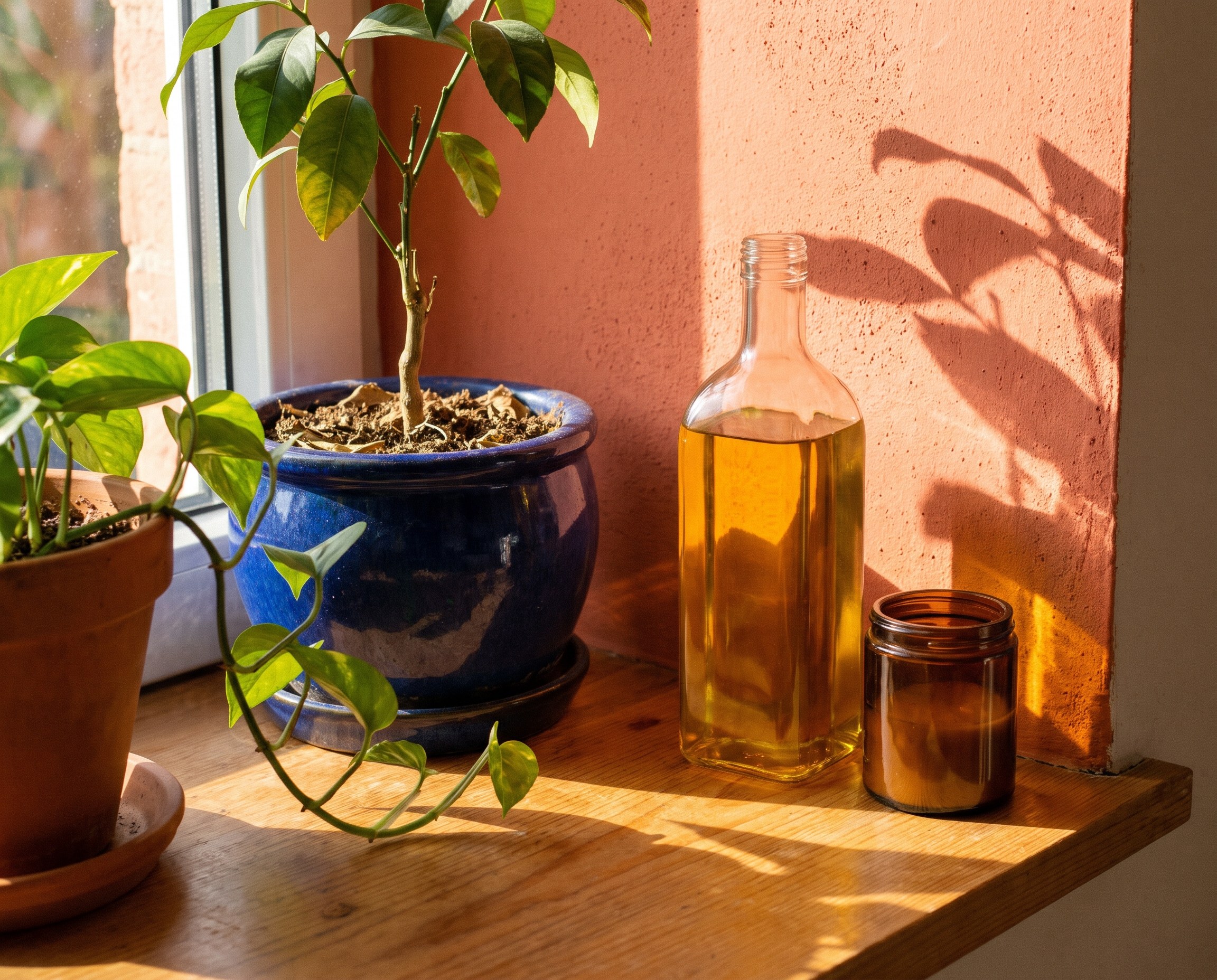
Evaporation is the quietest change. Water and alcohol slip out through pumps, loose caps and the gap around a jar lid. As they leave, the product thickens and everything left behind becomes more concentrated. That sounds like a bonus, but it isn’t. An acid toner that loses some of its water gets stronger and can start to sting. A cream that loses water can separate or turn grainy, and the preservative balance shifts along with it. If a lotion has gone tacky or a gel has shrunk away from the sides of the jar, evaporation has had its way with it.
Light is the other slow thief. UV and strong visible light carry enough energy to break chemical bonds directly, and retinoids are especially sensitive. In a 2021 study in the Journal of Cosmetic Dermatology, researchers tracked retinoids in 12 commercial products and found losses of 0 to 80 percent after six months at room temperature and 40 to 100 percent at higher heat (https://doi.org/10.1111/jocd.13852). A separate one-week light test caused further breakdown, and retinyl palmitate fared worst of the forms tested. Light also starts oxidation in oils and vitamin C. That’s why careful brands put these ingredients in opaque tubes, amber glass or airless pumps. A clear bottle on a bright shelf works against the formula inside it every single day.
How do vitamin C, retinoids and botanical oils compare?

If you rank the common actives by stability, pure L-ascorbic acid in water sits near the bottom. It’s the best-studied form for brightening and collagen support, but it’s also the most fragile. Once a water-based L-ascorbic acid serum is open, a sensible rule is to finish it within about three months, and sooner if it darkens. Derivatives such as sodium ascorbyl phosphate, magnesium ascorbyl phosphate, ascorbyl glucoside and tetrahexyldecyl ascorbate are far more stable in the bottle. The trade-off is that your skin has to convert them into active vitamin C, and the evidence on how well that happens is thinner. So you’re choosing between potency and shelf life, and it’s worth knowing which one you bought.
Retinoids land in the low-to-middle range, depending on the form and the package. Retinol is sensitive to air, light and heat, and retinyl palmitate tends to break down even faster in light. Retinaldehyde is delicate as well. Encapsulated retinol and airless pumps help a great deal, and they’re worth paying a little more for. Because retinoids don’t change color the way vitamin C does, you can’t judge them by eye. The opening date is your best guide, and six months is a reasonable limit for most opened retinoid products.
Botanical oils vary more than any other group. Jojoba is chemically a liquid wax rather than a true oil, and it resists oxidation for a long time. Squalane, the hydrogenated form of squalene, is very stable too, while plain squalene oxidizes quickly. Oils high in oleic acid, like olive, macadamia and marula, sit in the middle. Rosehip, grapeseed, evening primrose and other high-linoleic oils are the most fragile, and many start to turn within six months to a year of opening. Vitamin E or rosemary extract in the formula buys time, but those antioxidants get used up as they work.
Plenty of popular ingredients are more forgiving. Niacinamide is stable in the usual pH range. Hyaluronic acid, glycerin and most ceramides hold up well chemically, though the water-based products that contain them still face germs and evaporation. Glycolic and lactic acid are chemically sturdy, but evaporation can concentrate them. Peptides vary, and brands often package them carefully for good reason. For sunscreen, the FDA says products without an expiration date have been shown to stay stable for at least three years, and it recommends treating them as expired three years after purchase (https://www.fda.gov/sunscreen). Mineral filters like zinc oxide are sturdier than some chemical filters, but heat and sun still wear down the whole formula.
Why does this matter more for mature skin?

Skin past 60 behaves differently, and that raises the stakes. The barrier repairs more slowly, the skin is often drier, and it can react to irritants that younger skin would shrug off. Oxidized oils and the breakdown products of vitamin C and retinol can sting or redden, and a weaker barrier lets them do more harm. Thinner skin may also take longer to recover from a minor infection picked up from a contaminated jar. Many mature-skin routines lean on exactly the fragile ingredients, like retinoids for texture and vitamin C for tone, so storage counts for more. There’s a simple practical point too. Our sense of smell tends to fade with age, so the stale-oil warning many people rely on can be easy to miss.
A few habits make a real difference here. Buy smaller sizes of the fragile actives, even if the bigger bottle costs less per ounce, because a serum you finish in two months does more good than one you stretch over a year. Choose pumps and tubes over jars where you can, and pumps are often easier on stiff hands as well. Write the opening date on the bottle with a marker, since printed batch codes are hard to read and easy to forget. If your skin starts stinging from a product that used to feel fine, check its age before blaming your skin. And if your skin is very dry or reactive, water-free balms and stable oils at night can last much longer than a jar of cream.
How should you store skincare to make it last?
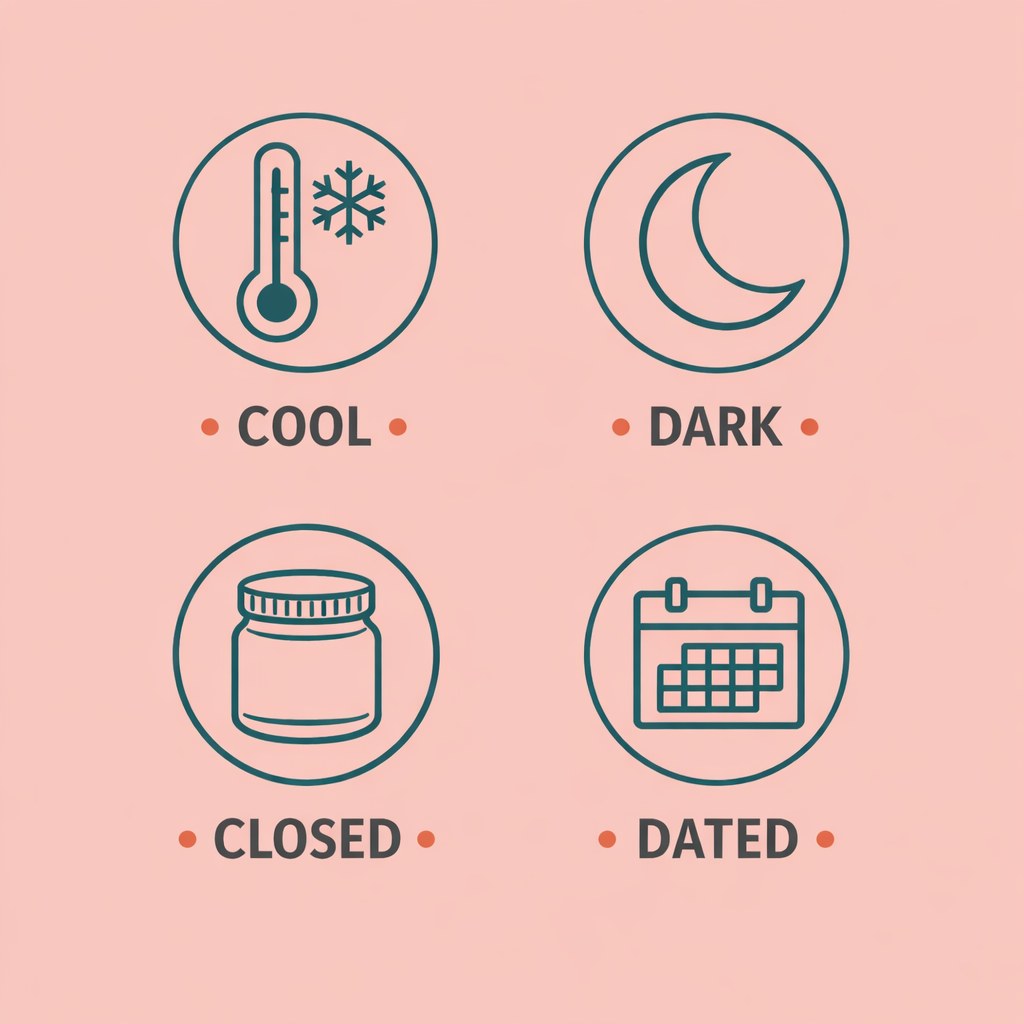
Cool, dark and closed is the short version. The bathroom is the worst room for most products, because heat and steam come and go every day. A bedroom drawer, a closet shelf or a cabinet away from the shower is better. Keep caps on tight and lock pumps after every use. Don’t leave products on a sunny windowsill or in a hot car, where one afternoon can do months of normal aging. Keep vitamin C, retinoids and high-linoleic oils in their original opaque packaging, and don’t decant them into pretty clear bottles.
The fridge helps some products, but it isn’t a cure. Cold slows oxidation and hydrolysis, so a vitamin C serum or a rosehip oil can last longer there. But some creams separate when chilled, some oils turn cloudy, and moving products in and out of the cold can cause condensation under the cap. If you try it, keep the product in the fridge full time. Clean hands matter as much as cold storage. Use a clean spatula for jars, keep water out of the product, and never add water to thin a cream. And don’t share jars, since every extra set of fingers adds microbes.
When is it time to replace a product?
Start with the label. In the European Union, products that last longer than 30 months unopened must show a period-after-opening symbol, a small open jar with a number like 6M or 12M that tells you how many months it’s good for once opened (https://eur-lex.europa.eu/eli/reg/2009/1223/oj). Many brands sold in the US use the same symbol voluntarily, even though the FDA doesn’t require expiration dates on cosmetics. Sunscreens and acne treatments are regulated as drugs in the US, so they follow drug dating rules. Count from the day you open it, not the day you bought it. If there’s no symbol, ask the brand or use general rules of thumb.
Those rules of thumb run roughly like this. Water-based L-ascorbic acid serums are best used within about three months of opening. Retinoid serums and creams usually last about six months, and less if they come in a jar. High-linoleic oils last six months to a year, while jojoba and squalane can go a year or more. Most moisturizers and cleansers in pumps or tubes are good for about a year, and active products in open jars are safer replaced closer to six months. These are general guides rather than guarantees, and a product stored badly can fail long before.
Your senses are the final check, and they overrule the calendar. Toss anything that has changed color, especially vitamin C that has turned orange or brown. Toss anything with a new smell, whether sour, stale, musty or like old crayons. Toss a cream that has separated and won’t mix back, or one with visible spots or a slimy film. Stinging, itching or a new rash from a product you used to tolerate is a sign too. It feels wasteful, but a spoiled product can cost you more in irritated skin than a new bottle costs at the store.
Frequently asked questions
Is a vitamin C serum that has turned yellow still safe to use?
A pale yellow tint usually means some oxidation has started and potency is dropping. It isn’t dangerous for most people, but you’re getting less vitamin C than you paid for. Once it turns orange or brown, most of the active is gone and the breakdown products may irritate. Some people also notice a faint orange tint on their skin. At that point, replace it.
Do unopened products expire?
Yes, though more slowly. Sealed products still age through heat, light and slow reactions inside the formula. Many are designed to last two to three years unopened when stored well. Check for a printed expiry date or batch code, and keep backups somewhere cool and dark.
Should I keep all my skincare in the fridge?
No. The fridge helps fragile items like L-ascorbic acid serums and high-linoleic oils, but it can make some creams separate and some oils cloudy. Most products do fine in a cool, dark cabinet. Pick the few fragile ones for the fridge and leave them there.
Does an airless pump make a product last forever?
No, but it helps. Airless pumps keep fingers out and limit how much air reaches the formula, which slows both oxidation and contamination. They don’t stop heat damage or the slow chemical changes that happen inside any formula. Follow the period-after-opening date anyway.
Can I use a product past its period-after-opening date if it looks fine?
Most of the changes that matter are invisible. Lost potency and early contamination rarely show. A basic moisturizer a few weeks over is low risk if it looks and smells normal. For actives, eye products and anything in a jar, I’d replace it.
Skincare isn’t food, but it’s closer to it than most of us treat it. A product is at its best in the first weeks after you open it, and it changes slowly from there. Knowing which ingredients are fragile helps you buy the right size, store it in the right place and know when to let it go. Vitamin C and retinoids want darkness, cool air and a tight cap. Delicate oils want the same, plus a sniff test now and then. Treat the opening date as part of the product, and your skin gets the formula you paid for.
Related Posts
 Why Your Hair Is Changing Right Along With Your Skin
 Preservative Free Sounds Safer Until You Open the Jar
 Start Your Holiday Skin Wellness Ritual Now and See the Difference by December
 The Best Peptide Creams and Serums Your Skin Has Been Waiting For
 The Age to Start Anti-Aging Skincare Will Probably Surprise You
 The Real Reason Your Dark Spot Serum Is Not Working
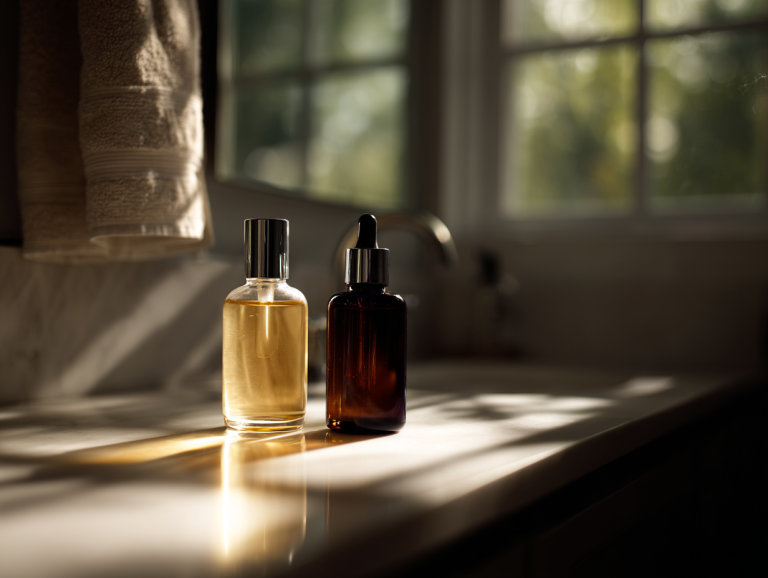 Clarins Double Serum vs Reviva Calming Renewal Serum – A Careful, Ingredient-First Comparison
 Why Pharmaceutical Grade on a Skincare Label Isn’t the Promise It Sounds Like
 Why Your Face Can Look Older in the Morning Than It Did Last Night
 What a Hot Delivery Truck Really Does to Your Skincare
 Why Your Skincare Dupe Isn’t a Twin Even When the Ingredients Match
 What You’re Paying For in a $150 Moisturizer
