

Nov
If you click on links we provide, we may receive compensation.
The jar sits under the counter lights. It’s heavy in your hand. The lid is cold and gold, and the glass is thick at the bottom. The woman behind the counter tells you about a rare extract and years of research. You nod. You pay. And on the drive home, with the bag on the seat beside you, a small question rides along. What did I just buy? You know what the cream is for. The question is the price, and where the money went after it left your hand.
I want to follow that money. I don’t want to shame anyone who bought the jar, and I won’t crown some cheap jar as the winner. A price isn’t a lie. It’s a sum. It has parts, and each part has a reason, some good and some thin. Once you see the parts, you can choose which ones you want to pay for.
Where does the first $75 go?

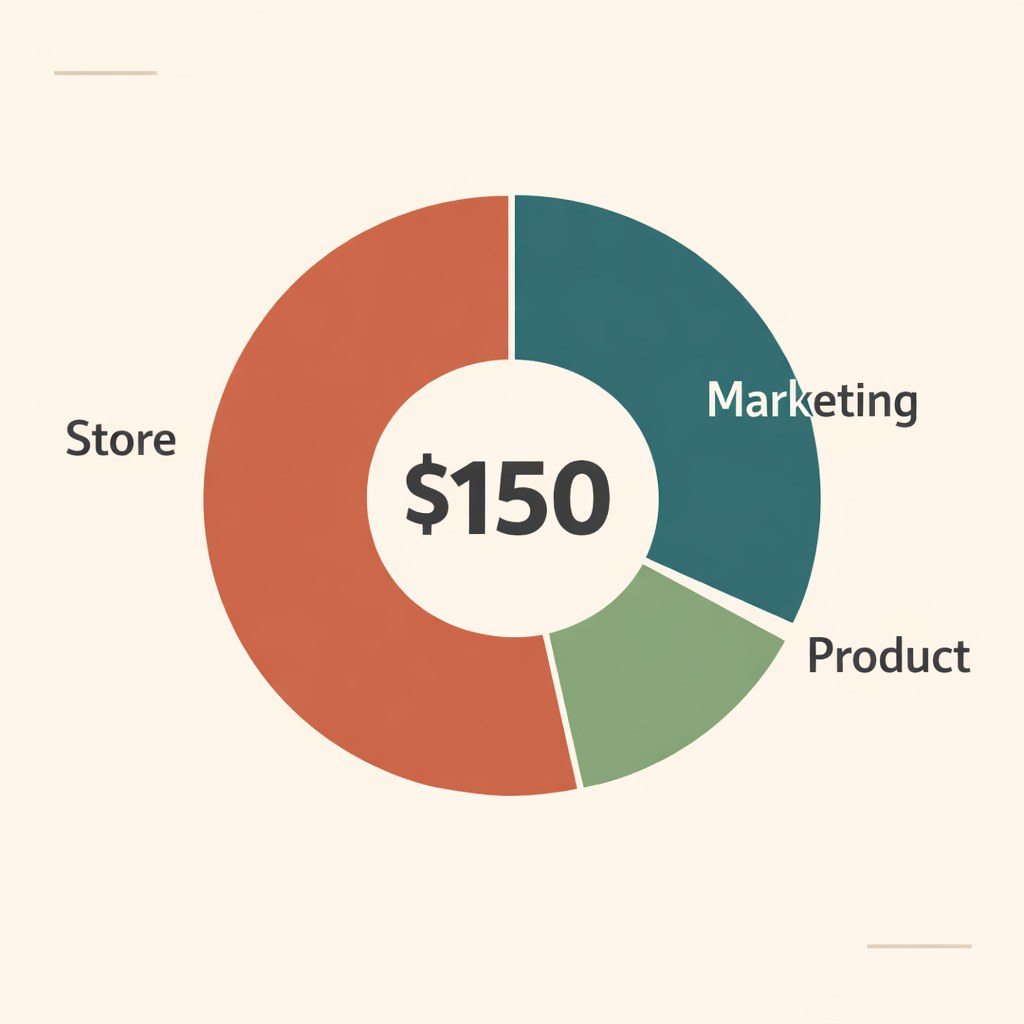
It goes to the store. That’s the first cut and the biggest. Department stores, beauty chains and big online sellers buy at wholesale and sell at retail, and in beauty the gap is wide. Retailers in the United States commonly take 50 to 60 percent of the retail price, according to industry advisers quoted by Beauty Independent (https://www.beautyindependent.com/retail-markup-beauty-product-fur-oil-shark-tank/). So about $75 of your $150 stays with the store that rang you up. The brand never sees it.
The store earns some of it. It pays rent on a lit counter in a mall. It pays staff, ships stock, takes returns and swallows the half-used jars people bring back. It runs the loyalty points and the gift-with-purchase week. Some of that helps you. But half the price of a prestige cream pays for the place you bought it. A brand that sells only on its own site keeps more of that half, and some pass the savings on. Others keep it.
What does the cream inside cost?
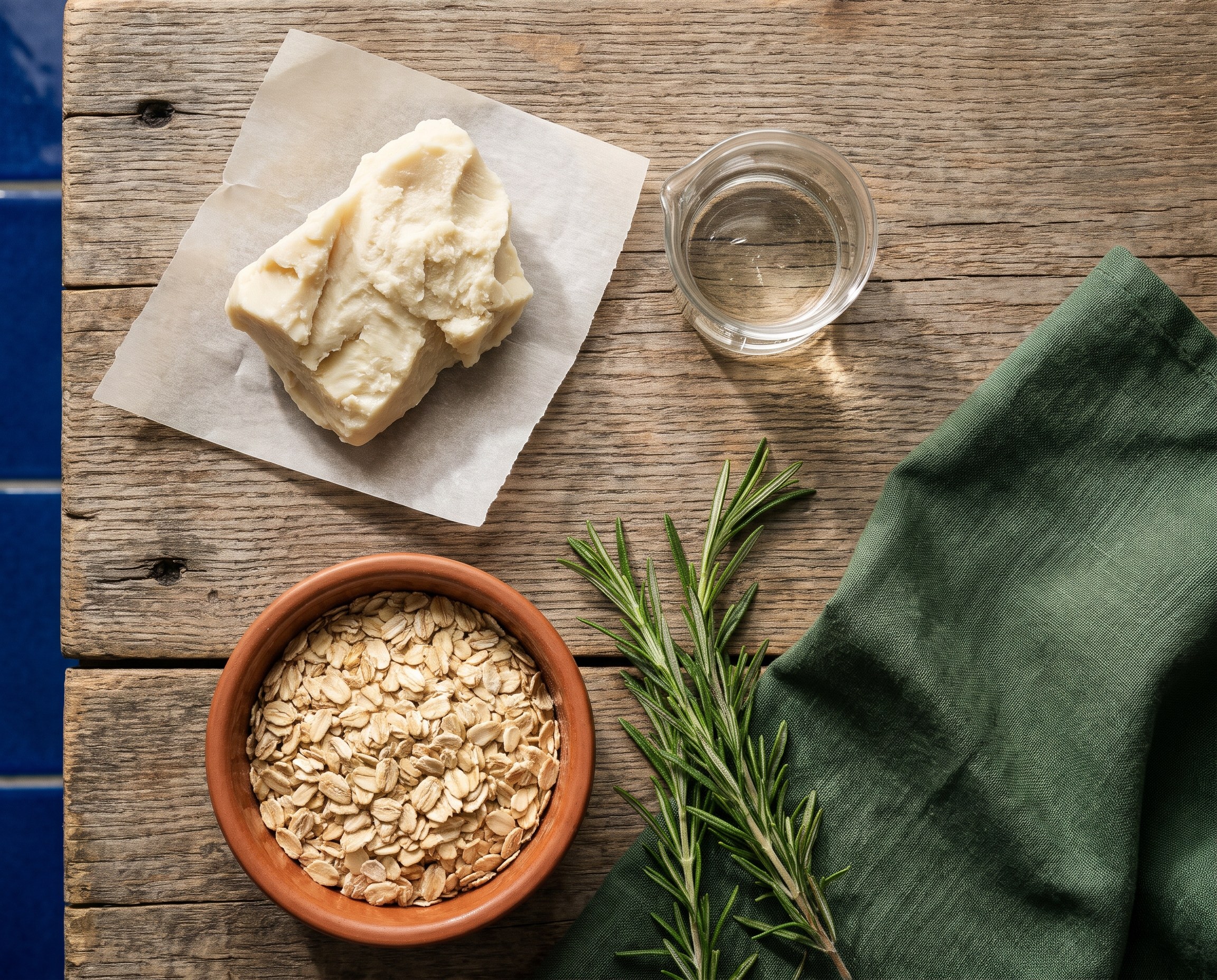
Less than you’d guess. The trade has a rough rule for prestige pricing. Take what it costs to make a product and multiply by about ten. Advisers in the same Beauty Independent report put cost of goods at 10 to 25 percent of retail, and several said brands are told to keep it near 10 percent. On a $150 jar, that’s around $15 to cover everything physical. That means the cream, the jar, the cap, the carton, the filling line and the freight. The formula is one line on that bill.
The big ingredients in most moisturizers are cheap. Water. Glycerin. Plant oils and butters. Fatty alcohols that thicken the cream. Ceramides and cholesterol cost more, but brands use them in small amounts. The pricey “hero” extract on the front of the box often sits near the bottom of the ingredient list, and that means there’s little of it in the jar. That doesn’t make it useless. It does mean the story on the box is bigger than its share of the formula. U.S. labels list ingredients in order of amount, down to 1 percent, so the first five tell you what you’re mostly rubbing in.
A study in JAMA Dermatology looked at the 100 best-selling moisturizers from Amazon, Target and Walmart. The median price was 59 cents an ounce, and the range ran from 10 cents to $9.51 (https://pmc.ncbi.nlm.nih.gov/articles/PMC5710429/). Those are mass-market numbers, and many of those creams are well made. A $150 jar that holds 1.7 ounces runs about $88 an ounce. The job is the same. Hold water in the skin and slow its escape. Most of the gap between those two prices isn’t in the chemistry.
Why is the jar so heavy?

Because weight sells. A thick glass jar feels like value in the hand. So does a metal lid, a magnet in the cap, a carton with foil and a ribbon. None of it touches your skin. Heavy glass costs more to make and more to ship, and the brand builds that into the price. In prestige skincare, the package often costs as much as the cream inside it, sometimes more. People in the trade know this. It just isn’t on the label.
Some packaging earns its keep. An airless pump keeps air and fingers out, and that protects fragile ingredients like vitamin C and retinol. An opaque tube blocks light. A wide jar does the opposite. You open it every morning and every night, and each time the air gets in, and so does whatever is on your fingertips. A plain tube can protect a formula better than a jewel-box jar. So when you weigh the jar in your hand, ask what the weight is doing. If the answer is “making it feel expensive,” that’s what you’re paying for.
Advertisement
Who pays for the counter, the ads and the free samples?
You do. This is the biggest slice after the store’s cut, and it’s the hardest to see. Look at the public filings of one of the largest prestige beauty companies. In fiscal 2025, The Estée Lauder Companies reported $14.3 billion in net sales. Cost of sales was $3.7 billion, about 26 percent. Selling, general and administrative costs were $9.5 billion, about 66 percent (https://www.sec.gov/Archives/edgar/data/0001001250/000100125025000097/elq4fy2025exhibit991.htm). This isn’t a knock on that company. Its numbers are public, and most big prestige brands run the same way.
Now lay those numbers over your jar. The brand got about $75 from the store. Roughly a quarter of that, near $20, made the physical product. About two-thirds, near $49, went to selling and running the business. That bucket holds magazine ads, social campaigns, paid creators, counter staff on commission, the fixtures, the tiny sample tubes in your bag, the offices and the salaries. Some of it pays for research. What’s left after all that is profit, and in a hard year there isn’t much.
Marketing isn’t evil. A brand nobody hears about doesn’t last, and good counter staff can help a person find what works. But marketing is the part of the price that does nothing for your skin. The samples, the ads and the famous face buy attention. Your cheeks feel none of it. When a company spends more than twice as much selling and running itself as it spends making the product, you should know that before you hand over your card.
Is there anything $150 can buy that $25 can’t?
Yes, and it’s only fair to say so. Elegant texture costs money. Some emollients that glide on and sink in without grease cost more than basic oils. Stability testing costs money. So do clinical studies on people, as opposed to tests in a lab dish. Some newer actives are patented and expensive. A brand that pays for those things has a reason to charge more. The trouble is that the price tag doesn’t tell you which kind of $150 you’re holding.
Then there’s the feeling. The scent, the weight, the small ritual of opening the jar at night. For some people that’s worth paying for, and it’s a fair choice. Pleasure counts! Just call it pleasure and don’t mistake it for better skin. A cream can be a lovely treat and a plain good moisturizer at once, and the treat is what the extra hundred dollars buys.
Why are high and low prices moving closer together?
Because shoppers stopped believing the gap. In our look at likely skincare trends for 2026, we said luxury and mass would move closer in perceived value. The data points the same way. Circana found that in the first half of 2025, U.S. prestige skincare dollar sales fell 1 percent while mass skincare grew 4 percent. Larissa Jensen, its beauty industry adviser, said only 14 percent of U.S. beauty buyers believe a higher price means better quality (https://www.circana.com/post/us-beauty-industry-grows-in-the-first-half-of-2025-circana-reports). That’s a hard number for a $150 jar to live with.
The squeeze comes from both ends. Mass brands got better. They put ceramides, niacinamide and modern sunscreen filters into cheap tubes, and dermatologists started recommending them out loud. Prestige brands felt the pressure. They launched smaller sizes, refills and lower-priced lines. Circana also found that value-priced prestige brands beat their pricier peers. For you, that means more good choices between $20 and $60 than there were ten years ago.
What does skin over 60 need from a moisturizer?
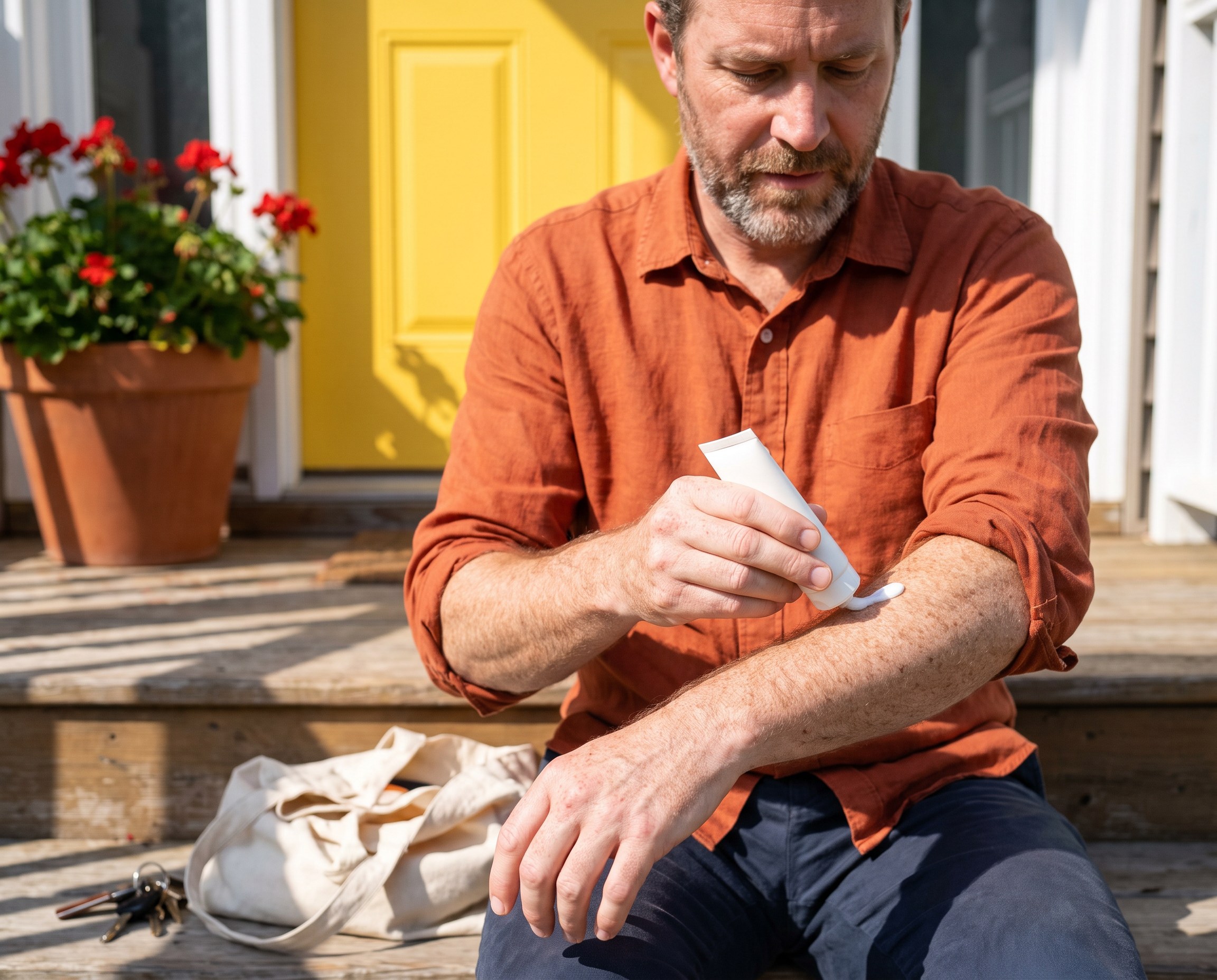
Plain things. Mature skin makes less oil and holds less water. The barrier thins, so moisture slips out faster and irritants get in easier. What helps is old and cheap. Glycerin and hyaluronic acid pull water in. Ceramides, cholesterol and fatty acids patch the barrier. Petrolatum, shea butter and squalane seal it down. None of those cost much, and a good moisturizer for skin over 60 can come off a drugstore shelf.
Some of what a high price buys works against older skin. Fragrance is the clearest case. It adds cost, and it’s one of the most common causes of irritation and allergic reactions in skincare. A long list of botanical extracts raises the odds that one of them won’t agree with thinner, drier skin. So does a jar opened twice a day for months. If your skin stings, the price won’t fix it. A short ingredient list, no fragrance and a tube or pump will do more than a gold lid.
Spend where it counts. Sunscreen does more for aging skin than any moisturizer, and you’ll wear more of it if it’s affordable and you like it. A retinoid at night, if your skin tolerates it, does work no cream can. Those two earn their place. A $150 moisturizer beside them adds little that a $25 one wouldn’t.
How should you read a price tag now?
Turn the box over first. Read the first five ingredients and the last five. If the famous extract is in the last five, the story is bigger than the dose. Check for fragrance and decide if you want it. Look at the package and ask if it protects the formula or just impresses you. Work out the price per ounce. Then ask what the brand can show you, like a study on people or a reason for each ingredient. If all you get is a famous face and a gold lid, you know where the money went.
And try before you buy when you can. You already paid for samples somewhere along the line, so use them. Give a cream two weeks. Skin tells the truth faster than an ad does. If the cheap one does the job, keep the difference. If the expensive one does something the cheap one can’t, and you can see it in the mirror, you’ve found a fair trade.
FAQs
Is a $150 moisturizer better than a $20 one?
Not by default. Both can hold water in the skin and protect the barrier. The extra money mostly pays for the store, the marketing and the package. Some high-priced creams carry real research or rare actives, so judge the formula, not the price.
Why do department store brands cost so much?
The store keeps about half the price. The brand then pays for counters, staff, samples and ads out of what’s left. The cream itself is a small part of the total.
Does heavy packaging mean better quality?
No. Thick glass and metal lids feel rich, but they don’t touch your skin. Pumps and tubes protect ingredients better than open jars do.
How much of a moisturizer’s price goes to ingredients?
Industry advisers put cost of goods at 10 to 25 percent of retail. That figure covers the jar, the carton and production too. The formula alone is a smaller share than that.
What should mature skin look for in a moisturizer?
Look for glycerin, ceramides, cholesterol, fatty acids and a sealing ingredient like petrolatum or shea butter. Skip fragrance if your skin reacts easily. Price matters far less than the ingredient list.
The jar is still a good jar. Nobody lied to you at the counter. They told you a story, and you paid for the story along with the cream, the store, the ads and the glass. Now you know the parts. Pay for the ones that help your skin and skip the ones that only help the brand. Your face will never know the price. It will know the difference between a good formula and a gold lid.
Related Posts
 Can Glitter Eye Makeup Hurt Your Eyes? Here’s the Honest Answer
 What Your Eye Cream Can Fix and What It Never Will
 Why Your Hair Is Changing Right Along With Your Skin
 Preservative Free Sounds Safer Until You Open the Jar
 Should You Use Dandruff Shampoo Every Day? Here’s What Your Scalp Really Wants
 The Cosmetics Law You Probably Missed Is Already Sitting in Your Bathroom Cabinet
 Your Skin at 35 Needs Less Than You Think
 Who Has the Best Pimple Patch in 2026
 How To Keep Your Nails Healthy With Frequent Acrylic Manicures
 Sebaceous Glands: Your Skin Has Its Own Oil Factory and Here Is Why That Matters
 Why Your Skin Makes Dark Spots and the Ingredients Proven to Fade Them
 What Your Bath Bomb Is Really Doing to Your Skin
