
Oct
If you click on links we provide, we may receive compensation.
More than half of postmenopausal women have female pattern hair loss. That is the finding of a 2022 study in the journal Menopause, which examined 178 women and found the condition in 52.2 percent of them (https://pubmed.ncbi.nlm.nih.gov/35357365/). The study also found that hair loss became more common with age. Six in ten of the women reported low self-esteem, and that number climbed as the thinning got worse. So if you have noticed a wider part or more scalp showing under the bathroom light, you are in very large company.
The good news is that women have more real options today than they did ten years ago. Some are cheap and sold at any drugstore. Others need a prescription or an office visit. A few popular remedies have thin evidence behind them, and I’ll be honest about which ones. Here is what the research says, starting with the step most people skip.
Why is your hair thinning in the first place?
Thinning hair in women usually comes from one of two very different processes. The first is female pattern hair loss, also called androgenetic alopecia. It is inherited and gradual, and it shows up as a widening part and less density on top of the head, while the front hairline usually holds. The follicles slowly shrink, so each new hair grows in finer and shorter than the last. The second is telogen effluvium, which is shedding rather than shrinking. The American Academy of Dermatology notes that losing 50 to 100 hairs a day is normal, and that heavy shedding often starts a few months after a stressor such as surgery, illness, a high fever, major stress or a large weight loss (https://www.aad.org/public/diseases/hair-loss/insider/shedding). This kind usually corrects itself within six to nine months once the trigger passes.

The two can overlap, which is why guessing is risky. A woman with mild pattern loss may suddenly shed after a hospital stay and assume her genes have taken over. Another may blame stress when the real issue is a slow, inherited thinning that needs steady treatment. Other conditions can look like both, including thyroid disease, iron deficiency, scalp inflammation and some medications. Tight hairstyles worn for years can also pull hair out at the edges. Each of these calls for a different fix.
Should you see a doctor before buying anything?
Yes, and it does not have to be complicated. A dermatologist can look at your scalp with a magnifying tool called a dermatoscope and often tell pattern loss from shedding in one visit. The AAD stresses that many conditions mimic female pattern hair loss, so ruling them out comes first (https://www.aad.org/public/diseases/hair-loss/types/female-pattern). Many doctors also order basic blood work. Common tests include thyroid function, a complete blood count and ferritin, which reflects your iron stores. Some check vitamin D as well.
One warning on that blood work. If you take biotin, tell your doctor and ask whether to pause it before the blood draw. The FDA has warned that high doses of biotin can skew certain lab results, including some thyroid tests and a heart test called troponin (https://www.fda.gov/medical-devices/safety-communications/update-fda-warns-biotin-may-interfere-lab-tests-fda-safety-communication). Many hair supplements contain far more biotin than the body needs. Unless you are truly deficient, which is rare, extra biotin is unlikely to thicken your hair. It can, however, muddy the very tests meant to find out why you are losing it.
Does minoxidil really work for women?

Minoxidil is the best-studied option, and it is the one dermatologists reach for first. It is sold over the counter as a liquid or foam, and both the 2 percent and 5 percent strengths are FDA approved for women. It works by lengthening the growth phase of the hair cycle and enlarging shrunken follicles. It will not restore a full head of hair in most women. But it often slows the loss and brings back some density, and for many women that is the difference they can see in the mirror. The 5 percent foam goes on once a day, which makes it easier to stick with than the twice-daily liquid.
Patience is the hard part. The AAD says you need to use minoxidil daily for six to twelve months to judge whether it is working. Many women also notice extra shedding in the first two to eight weeks. That shedding means old hairs are being pushed out to make way for new growth, though it scares plenty of people into quitting. And minoxidil only works while you use it. If you stop, the gains fade over the following months.
What about minoxidil in pill form?
Low-dose oral minoxidil is one of the biggest shifts in hair treatment over the past several years. Minoxidil started life as a blood pressure pill, and doctors now prescribe it off label for hair at a small fraction of that dose. In a trial published in the Journal of the American Academy of Dermatology, 52 women took either 1 mg of oral minoxidil or applied 5 percent topical minoxidil for 24 weeks (https://speciality.medicaldialogues.in/in-female-pattern-hair-loss-low-dose-oral-minoxidil-as-effective-as-topical-minoxidil-jaad). Hair density rose 12 percent in the pill group and 7.2 percent in the topical group, a gap that was not statistically significant. In plain terms, the pill worked about as well as the foam or liquid.
The appeal is convenience. A pill leaves no residue in your hair and does not irritate your scalp, and in that trial 19 percent of the topical group reported an itchy scalp. The tradeoffs are real, though. In the oral group, 27 percent noticed more facial or body hair and 4 percent had swelling in the legs. Resting heart rate also rose a little on average. Because of this, oral minoxidil needs a prescription and some monitoring, especially if you take blood pressure medicine or have a heart condition.
Can hormone-blocking pills help?
Spironolactone is the prescription doctors most often add for women. It is a diuretic that also blocks androgens, the hormones that shrink follicles in people who are genetically prone to pattern loss. It is used off label for hair and is often paired with minoxidil. The AAD lists it among the prescription options, along with finasteride and dutasteride in some cases, and notes that each one needs six to twelve months to show whether it is helping. Side effects can include dizziness, more frequent urination and raised potassium, so your doctor will likely check your blood levels. As with minoxidil, the benefit fades within a few months of stopping.
Are laser caps and PRP worth the money?
Low-level laser devices come as caps, helmets and combs, and some are FDA cleared for home use. The idea is that red light stimulates follicles and nudges them toward growth. Studies show modest gains for some users. The AAD notes that evidence on long-term safety is still limited. These devices cost several hundred dollars or more, and they need to be worn several times a week for months. I would think of a laser cap as a possible add-on to minoxidil, not a replacement for it.
Platelet-rich plasma, or PRP, uses your own blood. A clinic draws a small amount, spins it to concentrate the platelets and injects the plasma into thinning areas of the scalp, usually once a month for three or four sessions and then a few times a year. A 2021 meta-analysis in Frontiers in Pharmacology pooled 42 studies and found that PRP improved hair density in women compared with control groups (https://www.frontiersin.org/articles/10.3389/fphar.2021.642980/full). But the authors flagged serious problems. Clinics prepare PRP in very different ways, only seven of the studies enrolled women alone, and larger trials with standard methods are still needed. Sessions often cost hundreds of dollars each and are rarely covered by insurance.
Do natural oils and supplements do anything?
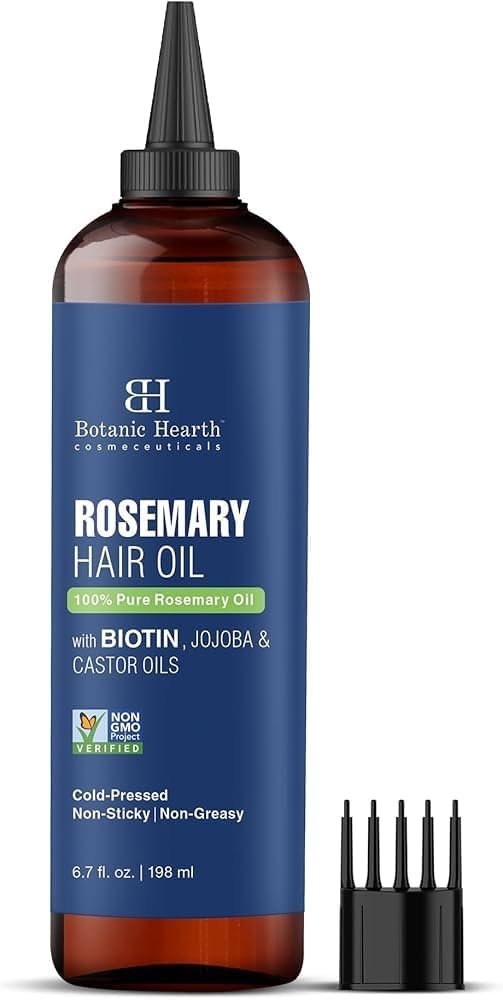
Rosemary oil has had a long run on social media, largely because of one 2015 trial that compared it with 2 percent minoxidil over six months and found similar results. A 2025 review of herbal remedies in Skin Appendage Disorders covered that study and several others (https://karger.com/sad/article/doi/10.1159/000542876/919386/Herbal-Remedies-for-Hair-Loss-A-Review-of-Efficacy). Here is what the headlines leave out. That rosemary trial enrolled men, not women, and it was small. Pumpkin seed oil has a similar story, with a 24-week trial showing a 40 percent rise in hair count, again in men. The review’s authors said these studies are limited by small samples and short follow-up, and that larger trials are needed.

So can you try rosemary oil? Sure, if you dilute it in a carrier oil and patch test it first, since essential oils can irritate skin. Just do not swap it for a proven treatment and lose a year of possible regrowth. Supplements follow the same logic. If your blood work shows low iron or vitamin D, correcting it makes sense and may help with shedding. If your levels are normal, more of a nutrient is unlikely to grow more hair. Eating enough protein matters too, since hair is built from it.
How does thinning hair change after 60?

Hair changes with age in ways that go beyond pattern loss. After menopause, falling estrogen leaves androgens with more relative influence, which is one reason thinning often speeds up in the 50s and 60s. Each strand also tends to grow finer, and the scalp makes less oil, so hair can feel drier and break more easily. Gray hair has a different texture and can look wiry or sparse even when the count has barely changed. The Menopause study also linked obesity with more frequent and more severe hair loss after menopause. And older women are more likely to take medicines that can affect hair, from some blood pressure drugs to thyroid treatments.
None of this rules out treatment. Minoxidil works at 70 just as it does at 40, though the goal often shifts toward holding on to density rather than regrowing a lot of hair. Oral minoxidil and spironolactone need more care in older women, since both affect blood pressure and fluid balance and may interact with heart or kidney medications. That makes a doctor’s review more important, not less. The scalp itself also needs attention, because thinner hair leaves more skin open to the sun. A wide-brim hat or a scalp sunscreen spray protects skin that used to be covered.
What can you do today to make thin hair look fuller?
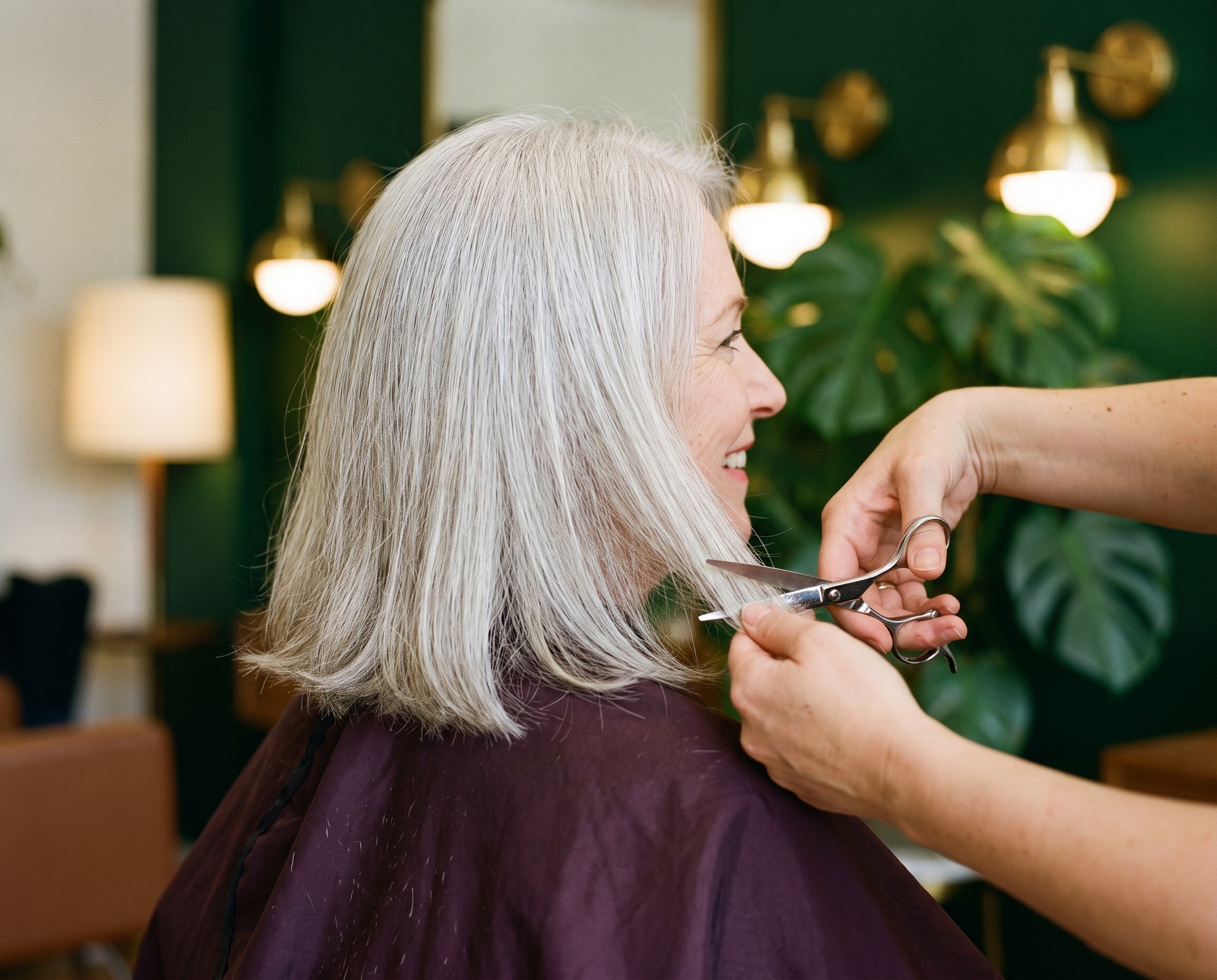
Treatments take months, but styling works the same afternoon. A shorter cut with soft layers often makes fine hair look thicker than long, heavy lengths that fall flat. Volumizing shampoo and a light conditioner applied only to the ends keep hair from lying limp. A root-lift spray and a quick blow-dry with a round brush add height at the crown. Tinted scalp powders and hair fibers can hide a widening part in seconds. Even moving your part an inch to one side can cover the spot where thinning shows most.
Be gentle in the meantime. Tight ponytails, buns and clips pull on weak hair over time. High heat from flat irons and hot rollers can make fine strands brittle, so use a lower setting and a heat protectant. A smooth pillowcase helps if your hair tangles at night. Wigs and toppers have also come a long way, and many women wear a topper on the crown while they wait for treatment to work. There is no shame in that!
Frequently asked questions about thinning hair in women
Is minoxidil safe to use for years?
For most women, yes. Topical minoxidil has been sold for decades, and long-term use is standard because stopping lets the hair loss resume. The most common problems are an itchy scalp and some unwanted facial hair. If the liquid irritates your scalp, the foam may be easier to tolerate because it does not contain propylene glycol.
How long before I see results?
Plan on at least six months, and give it a full year before you decide. Hair grows about half an inch a month, and new growth starts fine and short. Taking a photo of your part in the same light each month helps you see changes you would otherwise miss.
Will menopause hormone therapy help my hair?
It may help some women, but the research on hormone therapy and hair is mixed. Hair is rarely the main reason to start it. If you are already considering it for hot flashes or sleep, ask your doctor how it might affect your hair.
Do biotin gummies work?
Only if you are deficient, which is uncommon. For most women they do little for hair, and high doses can interfere with some lab tests.
Is my hair loss permanent?
Shedding after stress or illness usually recovers within six to nine months. Pattern hair loss is ongoing, but treatment can slow it and often bring back some density. The earlier you start, the more hair you have to keep.
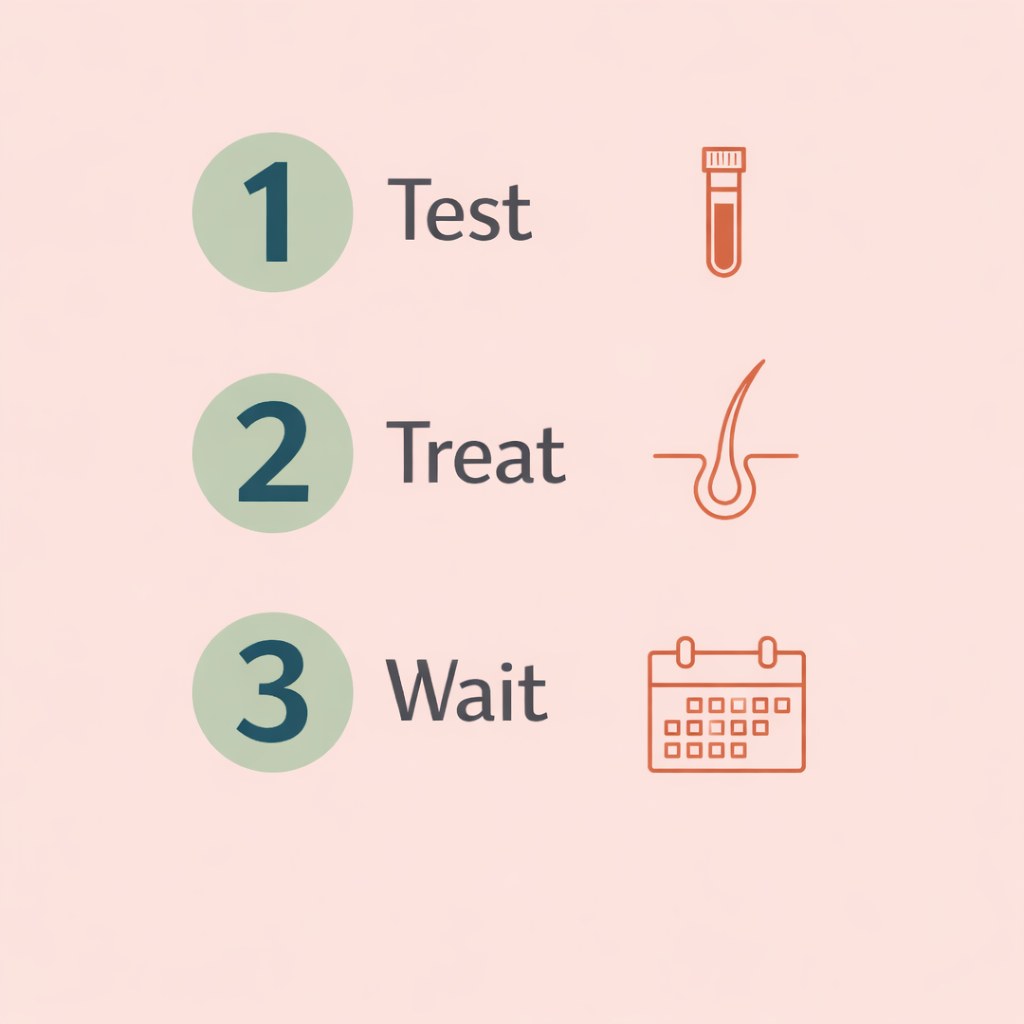
Thinning hair is common, and it is not a vanity issue when it changes how you feel walking into a room. The path forward starts with knowing which kind of hair loss you have. From there, minoxidil remains the most reliable first step, with oral minoxidil and spironolactone as strong options under a doctor’s care. Laser devices and PRP may add something for some women, while oils and supplements are best treated as extras. Whatever you choose, give it time and track it with photos. Your hair thinned slowly, and it will respond slowly too.
Related Posts