Feb
Beauty, Skincare, Trends & Opinions
Morning Skincare Routine for Dry Mature Skin That Actually Works
If you click on links we provide, we may receive compensation.
By age 60, skin produces significantly less oil than it did at 20. Estrogen drops. Collagen declines. Cell turnover slows. According to the American Academy of Dermatology, collagen production decreases about 1 percent per year starting in your 20s. Over decades, that loss adds up. Dryness becomes chronic. Fine lines settle in. And the tight feeling after washing your face is no longer rare. It is daily life.
If you have dry mature skin, your morning routine cannot be aggressive. It cannot strip. And it cannot rely on trends built for 25-year-old barrier resilience. It needs to protect what you still have. It needs to replace what you are losing. And it needs to respect that thinner, drier skin reacts faster and heals slower.
A good morning routine does not need ten steps. It needs the right steps. In the right order. With ingredients that support hydration, barrier repair, and firmness without irritation.

Why does mature skin become drier in the first place
Dry mature skin is not only about age. It is about biology. As estrogen declines during and after menopause, oil glands slow down. The stratum corneum, your outermost layer, loses lipids. Natural moisturizing factors decline. Ceramide levels drop. The result is increased transepidermal water loss. Water escapes more easily. Skin feels rough. Fine lines look deeper because they are not cushioned by moisture.
Environmental exposure compounds this problem. Decades of UV exposure break down collagen and elastin. Pollution generates oxidative stress. Even indoor heating systems pull moisture from the air. Mature skin is thinner. It has fewer melanocytes. It bruises more easily. And it takes longer to repair after stress.
This is why your morning routine must focus on hydration and defense. It is not about chasing glow. It is about maintaining structure and preventing further loss.
Should you cleanse dry mature skin every morning
This question matters. If your skin feels tight after cleansing, you are likely overdoing it. During the night, your skin is not exposed to dirt or pollution. For many with dry mature skin, a full cleanser in the morning is unnecessary.
If you feel clean upon waking, you can rinse with lukewarm water. Pat dry with a soft towel. Do not rub. If you feel the need to cleanse, choose a cream or milk cleanser. Avoid foaming surfactants. Avoid strong acids. Avoid anything that leaves a squeaky finish.
Look for ingredients like glycerin, aloe, oat extract, or chamomile. These calm while they cleanse. They do not disrupt your barrier. And they leave behind a slight emollient feel. That is good. Tightness is not a sign of cleanliness. It is a sign of barrier disruption.
Advertisement
If you use retinoids at night, your morning cleanse must be even gentler. Over-cleansing amplifies irritation. And irritated mature skin loses moisture faster.
What comes first after cleansing?
Hydration. Immediately.
Damp skin absorbs humectants more effectively. Within one minute of cleansing, apply a hydrating toner or essence. Look for hyaluronic acid, sodium PCA, panthenol, or beta-glucan. These bind water. They plump the surface. They prepare skin for heavier layers.
Hyaluronic acid is well studied. It can hold up to 1,000 times its weight in water. But it needs to be sealed in. In dry climates, humectants alone can pull moisture out if not layered properly. So think of this step as water loading. The next steps will trap it.
Press, do not rub. Use your palms. Give it 30 seconds. Let it absorb.
Do you still need a serum if your skin is dry?
Yes. But choose wisely.
For dry mature skin in the morning, you want antioxidant protection and barrier support. Vitamin C is useful. It neutralizes free radicals created by UV exposure. It also supports collagen synthesis. The Journal of Clinical and Aesthetic Dermatology has published data showing topical vitamin C improves fine lines and photodamage with consistent use. A stable form such as L-ascorbic acid at 10 to 15 percent works well for many. If you are sensitive, try magnesium ascorbyl phosphate or ascorbyl glucoside.
Niacinamide is another strong option. It improves barrier function and increases ceramide production. It also reduces redness and improves uneven tone. Concentrations around 2 to 5 percent are often well tolerated by mature skin.
Peptides can support firmness. They signal skin to produce more collagen. They are not magic. But over months, they can support smoother texture.
If your skin is reactive, you do not need every active at once. Choose one antioxidant. Choose one barrier support ingredient. Keep it simple.
How do you layer moisture correctly?
This is where many routines fail. Dry mature skin needs both water and oil. If you apply oil without hydration underneath, you trap dryness. If you apply hydration without sealing it, water evaporates.
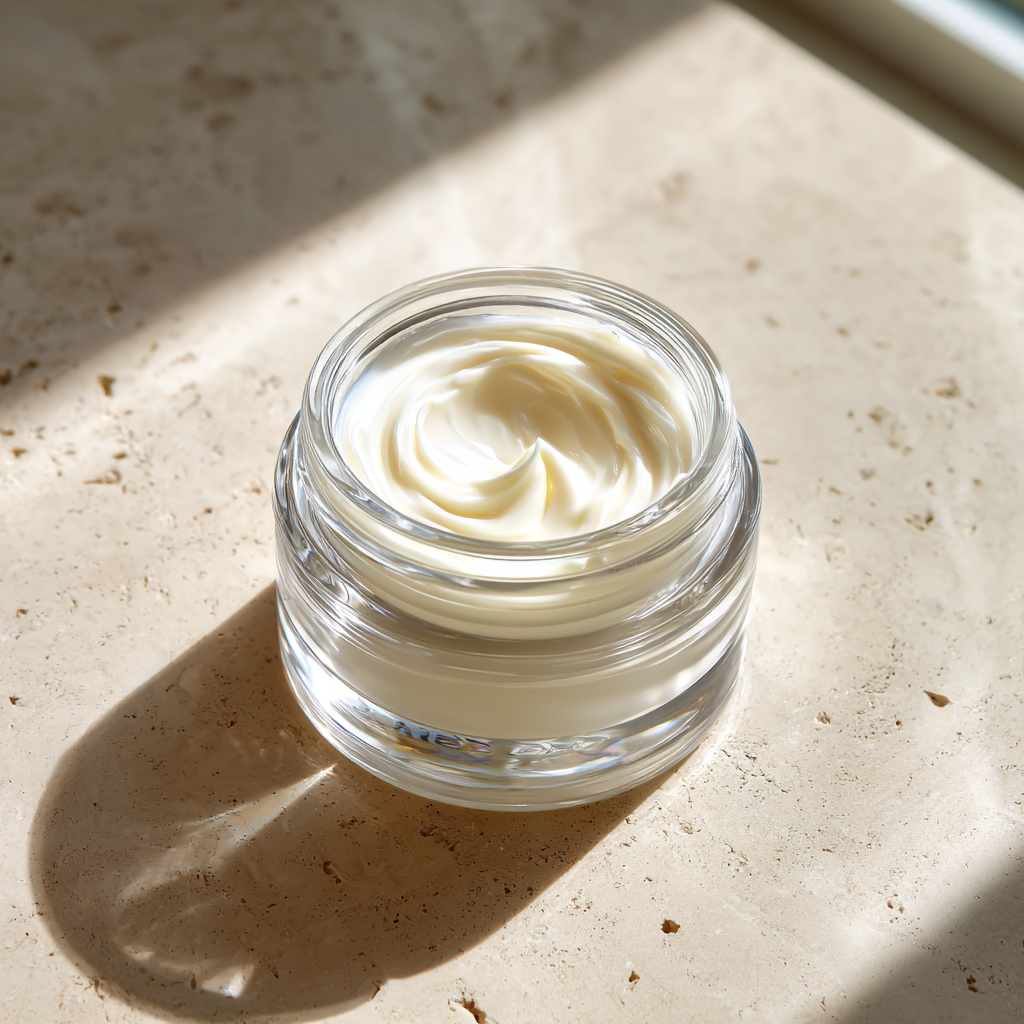
After serum, apply a rich but absorbable moisturizer. Look for ceramides, cholesterol, and fatty acids. These mirror your natural barrier lipids. Look for shea butter, squalane, or jojoba oil. These replenish surface oils without suffocating skin.
Squalane is particularly helpful. It mimics your natural sebum. It is lightweight. And it improves softness quickly. Ceramides help repair micro-cracks in the barrier. Cholesterol supports elasticity. Together, they reduce water loss.
Apply moisturizer while skin still feels slightly damp from serum. Massage gently upward. Do not tug. Neck and décolletage matter. These areas show dryness early and often.
Is facial oil helpful in the morning?
It can be. But it depends on your climate and makeup habits.
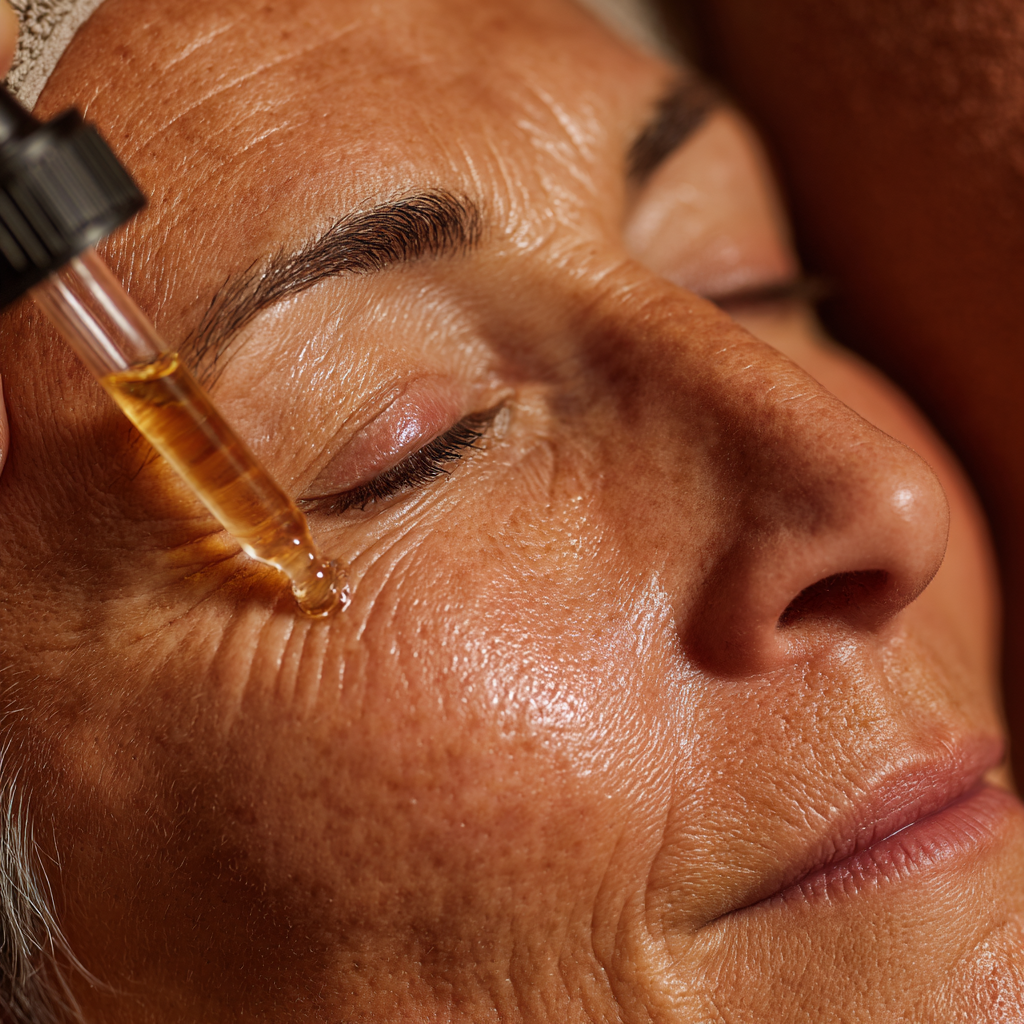
If you live in a dry, cold region, a thin layer of facial oil over moisturizer can prevent midday tightness. Rosehip oil contains linoleic acid and natural vitamin A derivatives. Argan oil provides vitamin E. Marula oil feels richer and suits extremely dry skin.
Use two to three drops. Warm between palms. Press into skin. Do not smear.
If you wear foundation, test compatibility. Some oils break down makeup. In that case, choose a cream with built-in lipids instead of layering a separate oil.
Why sunscreen matters even more for mature skin?
Ultraviolet radiation accounts for up to 80 percent of visible facial aging, according to data cited by the Skin Cancer Foundation. Even on cloudy days, UVA penetrates. It breaks down collagen. It worsens dryness. It increases hyperpigmentation.
You need broad-spectrum protection every morning. SPF 30 is the minimum. SPF 50 offers more margin if you spend time outdoors. Choose a moisturizing formula. Mineral sunscreens with zinc oxide suit sensitive skin. Modern chemical filters feel lighter under makeup.
Apply a full nickel-sized amount for the face. Do not forget ears and neck. Wait five minutes before applying makeup. Reapply if you are outside longer than two hours.
Without sunscreen, every other step loses impact. Hydration and peptides cannot overcome daily UV breakdown.
Should you exfoliate in the morning?
For dry mature skin, morning exfoliation is rarely necessary. Cell turnover slows with age. But aggressive exfoliation thins the barrier further.
If you choose to exfoliate, limit it to one or two evenings per week. Use mild lactic acid. Avoid harsh scrubs. And never combine strong exfoliation with retinoids on the same night. Morning is for support. Evening is for renewal.
What about eye cream for dryness and crepey texture?
The under-eye area has fewer oil glands. It becomes dry faster. Fine lines appear deeper with dehydration.
Choose an eye cream with peptides, hyaluronic acid, and light-reflecting minerals. Avoid high fragrance. Tap gently with your ring finger. Do not drag the skin.
If puffiness concerns you, caffeine can help temporarily constrict vessels. But hydration remains the foundation. Crepey texture improves when water content increases.
How does lifestyle affect your morning results?
Topical care works better when internal hydration supports it. Drink water. Eat omega-3 fatty acids from fish or flax. Use a humidifier in winter. Sleep on a silk pillowcase to reduce friction. These are small changes. But they compound over time.
Chronic stress increases cortisol. Elevated cortisol breaks down collagen. It also disrupts barrier function. Morning skincare cannot counter high stress alone. But it can reduce one layer of daily damage.
A routine is not about perfection. It is about consistency.
Can you simplify this routine?
Yes. Here is the streamlined version in narrative form.
Rinse or cleanse gently. Apply hydrating toner or serum while skin is damp. Follow with antioxidant serum. Seal with ceramide-rich moisturizer. Add facial oil if needed. Finish with broad-spectrum SPF.
That is five steps. Not ten. Not twelve. Each step has purpose.
Over time, skin becomes softer. Makeup sits better. Fine lines look less pronounced because they are filled with moisture. Barrier strength improves. And reactivity decreases.
When should you adjust your routine?
If your skin stings persistently, reduce actives. If flaking increases, add more occlusion at night. If hyperpigmentation worsens, consider increasing antioxidant strength or consulting a dermatologist for prescription options.
Season changes matter. Winter often requires heavier creams. Summer allows lighter emulsions but never lighter sunscreen commitment.
Listen to your skin. Dry mature skin speaks through tightness and dullness. Respond with nourishment, not exfoliation.
FAQs
Is it too late to improve dry mature skin?
No. While collagen loss cannot be fully reversed, hydration, peptides, and consistent sun protection improve texture and comfort at any age. Skin responds to care even in your 60s and 70s.
Can I use retinol in the morning?
No. Retinoids increase sun sensitivity. Use them at night. In the morning, focus on antioxidants and SPF.
Why does my skin pill under makeup?
Layering too quickly causes pilling. Allow each product to absorb for at least 30 to 60 seconds. Use less product. Press instead of rubbing.
Do I need a separate neck cream?
Not necessarily. You can extend your facial products to the neck and chest. The key is consistent application.
How long before I see improvement?
Hydration improvements appear within days. Barrier repair can take two to four weeks. Collagen-supporting ingredients require three months or longer for visible change.
Morning skincare for dry mature skin is not about chasing youth. It is about maintaining resilience. It is about comfort. And it is about protecting the structure you still have. When you layer water, lipids, antioxidants, and sun protection in the right order, your skin feels supported instead of stressed. Consistency wins. Gentle wins. Protection wins.
Related Posts