
Sep
If you click on links we provide, we may receive compensation.
More than half of adults over 60 have it, and most have never heard the name. Xerosis cutis – the clinical term for pathologically dry skin – is so widespread in older populations that a 2023 systematic review in Geriatric Nursing put its pooled prevalence at 53%, with some nursing home studies finding it in nearly every resident. It isn’t just a cosmetic nuisance. Left untreated, xerosis can crack, itch relentlessly, and open the door to bacterial infections and secondary dermatitis. The good news is that most cases respond well to a consistent moisturizing routine, provided you know what you’re actually treating.
What Exactly Is Xerosis Cutis?
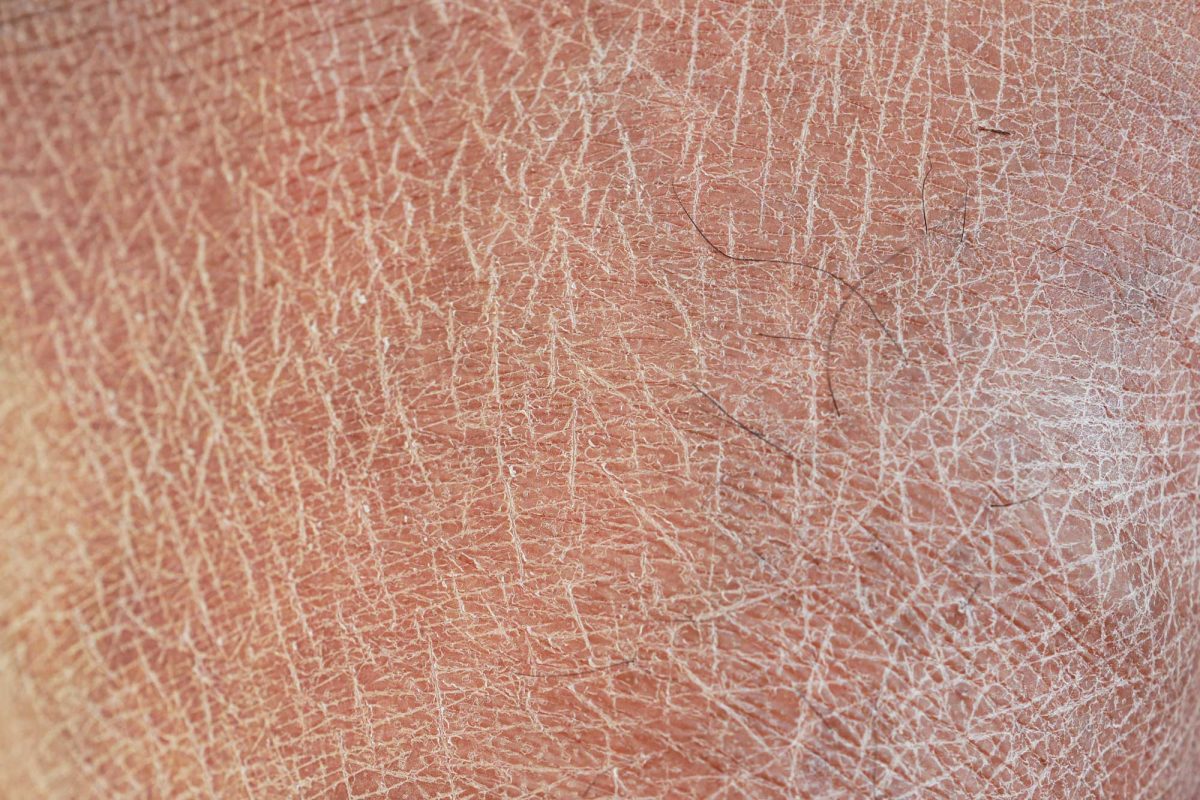
The word xerosis comes from the Greek xeros, meaning dry. Cutis simply means skin. Together they describe a condition in which the skin’s outer layer – the stratum corneum – has lost so much water that it can no longer perform its basic job: forming a flexible, intact barrier between your body and the world. Ordinary dry skin after a hot shower is not xerosis cutis. Xerosis cutis is a clinical diagnosis, recognized by sustained dryness that doesn’t resolve with brief moisturizing, often accompanied by roughness, scaling, and itching that affects daily comfort. Dermatologists assess its severity on a graded scale called the Overall Dry Skin (ODS) score, running from slight dryness all the way up to extreme xerosis – a state marked by deep cracks, heavy scaling, pronounced redness, and significant roughness. When doctors and nurses use the term, they are distinguishing it from simple dehydration and calling for targeted intervention rather than a quick slather of hand cream.
Xerosis cutis is a clinical diagnosis, recognized by sustained dryness that doesn’t resolve with brief moisturizing…
What Causes Xerosis Cutis?
Xerosis cutis develops when the skin’s hydrolipid film breaks down – a thin, protective layer made of water, sebum, and shed skin cells that sits on the very surface of the epidermis. Two things hold moisture inside the stratum corneum: ceramides and natural moisturizing factors (NMFs). Ceramides are fatty lipid molecules that fill the spaces between skin cells like grout between tiles, and they account for roughly 40 to 50 percent of all the lipids in the horny layer, according to research published in JCAD. When ceramide levels drop, water evaporates freely through the skin – a process called transepidermal water loss (TEWL). NMFs are a collection of water-binding molecules inside the skin cells themselves: amino acids, urea, lactate, and pyrrolidone carboxylic acid. They act like tiny sponges, pulling in moisture from the environment and keeping the stratum corneum plump and pliable.
Age, harsh cleansers, hot water, low humidity, and certain medications deplete both ceramides and NMFs faster than the skin can replenish them. Some medical conditions – hypothyroidism, diabetes, chronic kidney disease, and psoriasis among them – also strip the barrier and are worth ruling out when xerosis appears suddenly or fails to respond to standard treatment. A cross-sectional study of 5,547 middle-aged and elderly participants with an average age of 70 found that 60 percent had dry skin, with female sex, lower body mass index, cold outside temperatures, and history of eczema among the key risk factors. Chemotherapy drugs are also documented to exacerbate xerosis significantly as a side effect.
What Does Xerosis Cutis Look and Feel Like?
The first thing most people notice is tightness – that stretched, uncomfortable sensation after bathing or stepping out of air-conditioned spaces. Fine white or grey flakes appear on the shins, forearms, and hands first, because those areas have fewer sebaceous glands and lose moisture fastest. As severity increases, skin takes on a rough, paper-like texture and the itch can be intense, often worse at night when the body is warm and distractions are gone. In more advanced cases, small cracks form in the surface of the skin, particularly around the knuckles, heels, and lower legs. When those cracks deepen, they can sting, bleed, and invite bacteria in.
The Overall Dry Skin score captures this spectrum precisely. Slight xerosis involves only mild roughness and occasional flaking. Extreme xerosis involves cracks, heavy scale, erythema – redness – and pain. Most people seen in a primary care or dermatology setting fall somewhere in the moderate range: dry enough to be disruptive, but not yet cracking badly. In dark skin tones, xerosis can present as an ashy, chalky appearance rather than the white-flake pattern more visible on lighter skin – and it can go undiagnosed for longer as a result. If you have deeper skin tone and your skin constantly looks dull or ash-grey in the same spots, xerosis cutis is the likely explanation.

Could Something More Serious Be Causing Your Dry Skin?
This is worth asking before starting a treatment routine, because several other skin conditions look a lot like xerosis cutis and need different approaches. Ichthyosis vulgaris is an autosomal dominant genetic condition in which the skin forms and sheds improperly, creating fish-scale-like plaques that typically appear in childhood. Atopic dermatitis involves immune system activation and causes raw, weeping patches alongside extreme dryness – it requires anti-inflammatory treatment, not just moisturizer. Asteatotic eczema, sometimes called eczema craquelé, is a specific pattern most common in older adults, presenting as a cracked, crazy-paving appearance on the lower legs. Contact dermatitis – whether allergic or irritant – can mimic xerosis while having a completely different cause, such as a soap, fabric softener, or metal.
If your dry skin is severe, localized in an unusual pattern, failing to respond to moisturizers after four to six weeks, or accompanied by redness that looks inflamed rather than simply irritated, it’s worth seeing a dermatologist for a proper assessment. Systemic conditions such as hypothyroidism, diabetes, and chronic renal failure all present with xerosis as a symptom, and treating only the skin without addressing the underlying cause brings limited relief. A confirmed diagnosis of xerosis cutis is actually reassuring – it means there’s a clear and manageable path forward with no more serious driver behind it.
What Are the Most Effective Treatments for Xerosis Cutis?
Treatment works best when it addresses all three layers of the problem: sealing in water, restoring barrier lipids, and replenishing NMFs. Occlusive ingredients – petrolatum, dimethicone, lanolin – sit on the skin’s surface and physically prevent water from escaping. They are highly effective, particularly at night, and petroleum jelly remains one of the most efficient moisture-sealing agents available. Emollients such as shea butter, squalane, and triglycerides fill the micro-gaps in rough skin and smooth its texture. Humectants – hyaluronic acid, glycerin, urea, panthenol – draw water toward the skin from deeper layers or from the air. A good moisturizer for xerosis combines all three classes in one formulation.
Urea deserves special attention here. Dermatologists consistently refer to it as the gold standard for xerosis cutis, and the evidence is solid. At concentrations of 5 to 10 percent, urea works simultaneously as a humectant and a gentle keratolytic – it softens and dissolves the dead skin cells that give xerotic skin its rough, scaling appearance. At 20 to 40 percent, it treats thickened skin and nail conditions. For most people with everyday xerosis, a urea concentration of 5 to 15 percent is the right range. For very itchy xerosis, a low-potency topical steroid such as 1% hydrocortisone can relieve the itch cycle while a regular moisturizing routine addresses the underlying barrier damage. Do not use topical steroids long-term on the face or in skin folds without medical guidance.
What Should You Look for in a Moisturizer for Xerosis?
The ingredient list tells you most of what you need to know. Ceramides are now widely available in over-the-counter formulations – look for ceramide NP, ceramide AP, or ceramide EOP on the label. Niacinamide at concentrations of 2 to 5 percent stimulates ceramide synthesis within the skin itself and reduces inflammatory cytokine release, making it a useful companion ingredient. Panthenol (provitamin B5) has demonstrated humectant, anti-inflammatory, and skin-restoring properties in clinical trials. Glycerin should appear high on the ingredient list; it’s one of the most thoroughly studied humectants and effective at concentrations as low as 10 percent. Glyceryl glucoside – a relative newcomer to barrier care – has shown promise in combination formulations alongside ceramides and NMFs.
Avoid moisturizers with high concentrations of drying alcohols (listed as alcohol denat. or SD alcohol), artificial fragrance, or harsh preservatives such as methylisothiazolinone, all of which can worsen a damaged barrier. Format matters too. Ointments are the most occlusive and best for cracked, severely dry skin – they feel heavy but work. Creams are thinner than ointments but more potent than lotions and suit most cases of moderate xerosis well. Lotions work for maintenance on large body areas. Apply your moisturizer twice daily at minimum, and ideally within three minutes of bathing while the skin is still slightly damp, to trap water in the stratum corneum before it can evaporate away.
What Does Xerosis Cutis Mean If You Are in Your 50s or Older?
If you’re a woman in your 50s, 60s, or beyond, xerosis cutis hits differently – and the biology explains why. The years around and after menopause bring a significant drop in estrogen, the hormone that, among many roles, regulates collagen production, sebum output, and skin hydration. Research suggests that in the first five years after menopause, skin can lose up to 30 percent of its collagen, which thins the dermis and makes the surface more fragile. Sebaceous gland activity slows in parallel, reducing the skin’s own oil production. The NMF content of the stratum corneum also declines with age. Sweat gland output falls too, so the skin gets less of the natural humectants it once produced on its own. The result is a compounding deficit: the barrier is thinner, less oily, less hydrated, and slower to repair itself.
That’s why xerosis that might have been manageable in your 40s can become genuinely troublesome in your 60s, even if nothing in your environment has changed. For women in this life stage, a richer moisturizer with ceramides, urea, and peptides makes more sense than a lightweight lotion, even in warm weather. Applying moisturizer immediately after every shower – not just when the skin feels tight – is more prevention than treatment at this point. Some women in this age group find that prescription-strength urea creams (10 to 20 percent) produce results that over-the-counter formulations cannot match; a dermatologist can prescribe these. Hormone replacement therapy has been shown to improve skin hydration and barrier function in some studies, but that’s a decision made alongside a physician for reasons that extend well beyond skin dryness. What matters most is consistency: building moisturizing into a daily routine rather than treating it as a seasonal or reactive measure.

What Daily Habits Make Xerosis Worse – and What Helps?
How you bathe is as important as what you apply afterward. Hot showers strip the skin’s hydrolipid film in minutes – tepid water, warm enough to be comfortable but not steaming, is gentler and still gets the job done. Keep bathing time under ten minutes when possible. Use a soap-free or syndet (synthetic detergent) cleanser with a neutral pH rather than traditional bar soap, and avoid foaming cleansers with sulfates on skin that’s already dry. Pat the skin dry with a soft towel rather than rubbing, which further disrupts the barrier. Use a humidifier in the bedroom during winter; central heating can drive indoor humidity as low as 10 to 20 percent, far below the skin-comfortable range of 45 to 55 percent.
Drink water consistently, though note that systemic hydration has a modest and indirect effect on the skin’s water content – it helps, but it won’t repair a compromised barrier on its own. Cotton clothing is gentler than synthetic fabrics or wool against already-sensitized skin. If you swim regularly, rinse off chlorine immediately afterward and reapply moisturizer as soon as your skin is dry. Avoid alcohol-based hand sanitizers whenever possible, as they are among the most reliable ways to strip barrier lipids repeatedly throughout the day. And review your medications: diuretics, statins, topical retinoids, antihistamines, and some blood pressure drugs are all documented to increase skin dryness as a side effect. If your xerosis worsened after starting a new medication, mention it to your prescribing doctor.

FAQs
Is xerosis cutis the same as eczema?
Not exactly. Xerosis cutis refers to clinically dry skin in which the barrier is compromised but not necessarily inflamed. Eczema (atopic dermatitis) involves an immune-mediated inflammatory process that typically causes xerosis as one feature alongside red, weeping, or crusted patches. Xerosis cutis can exist without eczema, but the two often overlap – dry, cracked skin can become eczematous if left untreated for long enough.
Can xerosis cutis go away on its own?
In mild cases caused by seasonal low humidity or a temporary disruption in routine – such as excessive hand washing – it can improve once the trigger is removed. Chronic xerosis cutis in older adults, or xerosis linked to an underlying systemic condition, rarely resolves without active treatment. A consistent moisturizing routine is usually required on an ongoing basis rather than only when the skin feels bad.
What percentage of urea is best for xerosis cutis?
Five to 10 percent urea works well for the face and sensitive areas, where it hydrates without feeling harsh. Ten to 15 percent is effective for the body, especially rough patches on elbows, knees, and heels. Twenty percent and above is generally reserved for thickened skin conditions such as keratosis pilaris or plantar hyperkeratosis and is best used under medical guidance.
When should I see a doctor about xerosis cutis?
See a dermatologist if your dry skin is severe, widespread, or intensely itchy; if it hasn’t improved after four to six weeks of consistent moisturizing; if cracks are opening and becoming raw or infected; if the pattern is unusual or the dryness appeared suddenly without a clear trigger; or if the skin looks inflamed rather than simply dry. An underlying medical cause is always worth ruling out.
Are there prescription treatments for xerosis cutis?
Yes. Dermatologists can prescribe high-concentration urea formulations (20 to 40 percent) for stubborn or severe cases. Prescription-strength ammonium lactate and lactic acid lotions are also used. For xerosis associated with atopic dermatitis or psoriasis, prescription topical steroids, calcineurin inhibitors, or biologics may be appropriate depending on the severity and the underlying condition.
Xerosis cutis is one of the most common conditions a dermatologist sees, and one of the most under-discussed. Knowing the name matters because it shifts your thinking from my skin is just dry to my skin barrier needs specific repair – and that changes what you reach for. Ceramides, urea, and consistent daily application make a genuine difference, often within weeks. The investment in a few well-chosen products and a gentler shower routine pays off in skin that’s more comfortable, more resilient, and far less likely to progress to cracking or secondary infection. If you’re in your 50s or 60s and noticing dryness that feels like it appeared overnight, it didn’t – it built up slowly through hormonal shifts and years of barrier wear. The skin responds to care at every age, and starting now is always the right moment.
References
- https://pubmed.ncbi.nlm.nih.gov/37844538/
- https://jcadonline.com/treatment-of-xerosis-with-a-topical-formulation-containing-glyceryl-glucoside-natural-moisturizing-factors-and-ceramide/
- https://pubmed.ncbi.nlm.nih.gov/30586613/
- https://onlinelibrary.wiley.com/doi/10.1111/ddg.13906
- https://pmc.ncbi.nlm.nih.gov/articles/PMC13502372/
Related Posts