Apr
If you click on links we provide, we may receive compensation.
Specialty beauty retail in the United States generates over $20 billion a year, and a significant chunk of that flows through just two types of stores – the sprawling multi-brand playground and the intimate skincare clinic. You may not have thought of them that way. But if you have ever walked into Sephora and walked out overwhelmed, or stepped into BlueMercury and left with exactly what your skin needed, you have already experienced the difference firsthand. These two retailers sell some of the same brands. They both occupy premium real estate. They both call themselves beauty destinations. And yet they are doing fundamentally different things.
The question is not which store is better. The question is which one is better for you. That depends on what you are actually shopping for, how you like to shop, and what your skin needs right now. Here is a clear-eyed look at both.
What Are These Two Stores Actually Doing?
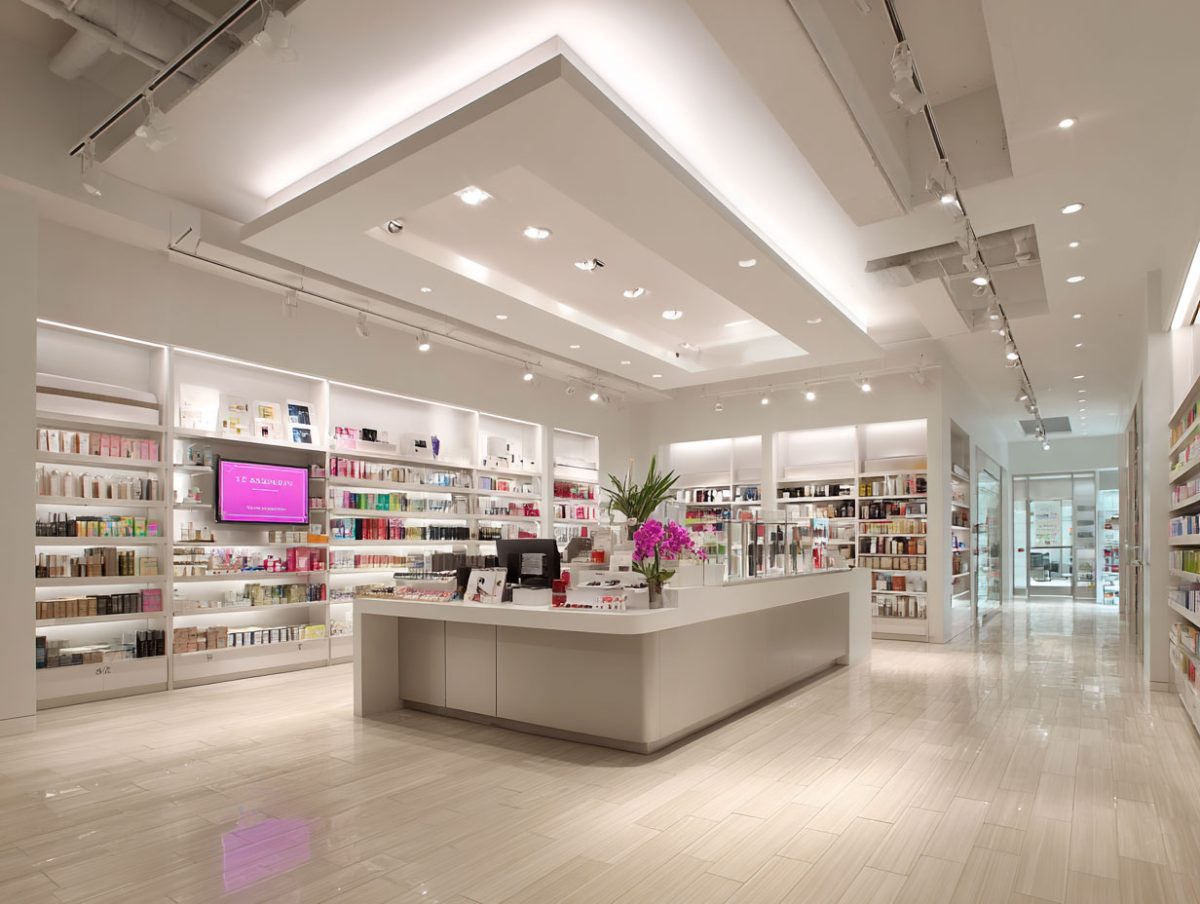
Sephora is the largest specialty beauty retailer in the world, owned by LVMH and operating more than 2,700 locations globally. It carries over 340 brands across skincare, makeup, fragrance, haircare, and body. Its loyalty program – Beauty Insider – has become one of the most recognized in all of retail. The model is breadth. You go to Sephora to compare, discover, and choose from a very large selection. The store trusts you to navigate.
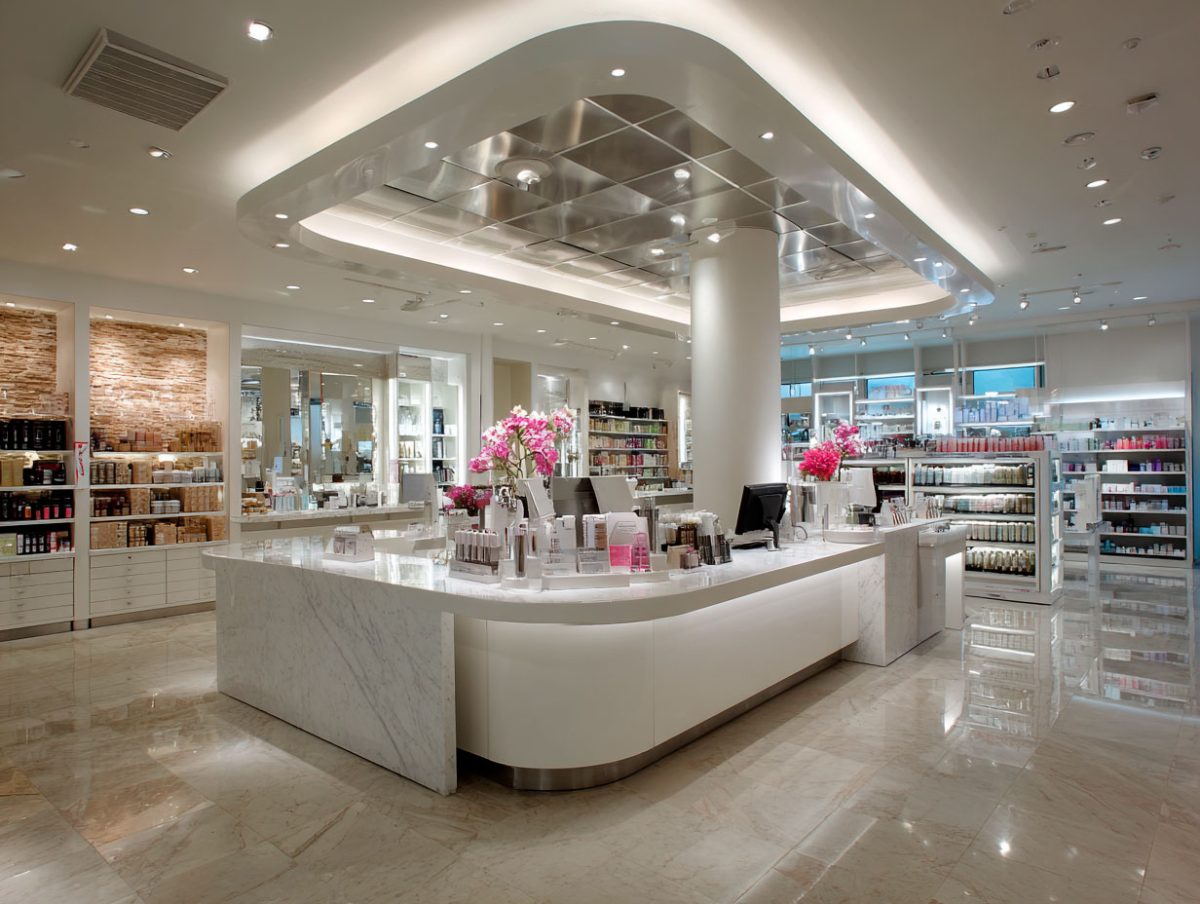
BlueMercury is a different animal. Founded in Washington D.C. in 1999 by Marla and Barry Beck and acquired by Macy’s in 2015, it operates around 175 locations in the United States. The positioning is explicitly spa-forward. Every BlueMercury location offers in-store facial and skin services alongside its retail floor. The staff model is built around personalized expertise – not brand-by-brand representation but skin-first guidance. You go to BlueMercury to get help. The store is designed around that.

How Do the Brand Selections Compare?
Sephora wins on breadth, and it is not close. With over 340 brands, you can compare five retinol serums from five different companies side by side. You can find everything from e.l.f. to La Mer to Augustinus Bader under one roof. If you already know what you want or you want to explore a wide range of options, that variety is genuinely useful. New launches tend to land at Sephora fast. It is where brands go when they want visibility and scale.
BlueMercury carries far fewer brands – typically around 100 – but has curated them with real rigor. The selection skews heavily toward skincare and wellness. Brands like Tata Harper, Malin + Goetz, May Lindstrom, and Natura Bisse are BlueMercury staples that are difficult to find at Sephora. If you are looking for clean, botanically anchored, or clinically serious skincare that sits outside mainstream retail channels, BlueMercury is often where those brands land first. The trade-off is obvious. You will not find everything. But what you do find has usually been vetted with more care than a standard buyer meeting.
Which Store Has Better Skincare Expertise?
This is where BlueMercury separates itself most clearly. The retailer hires and trains its staff as licensed aestheticians and skincare specialists, not brand ambassadors. When you describe your skin concerns at a BlueMercury counter, the person you are talking to is likely to give you a genuinely personalized recommendation that pulls from multiple brands – not a pitch for whoever is running an in-store promotion that month. That distinction matters more than most people realize. It means the person helping you is not financially incentivized to sell you a specific product. They are incentivized to get your skin right.
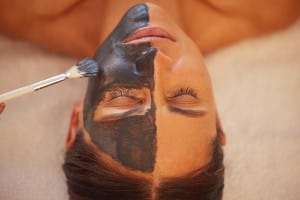
Sephora’s staff are knowledgeable and often genuinely passionate about beauty. But the model is different. With over 340 brands to cover and a high-traffic retail environment, the depth of expertise varies widely. You can get an excellent consultation at Sephora. You can also get a recommendation for whatever is trending on social media that week. The in-store services at BlueMercury are the real differentiator here. Its custom facials and skin analysis sessions function as professional skin assessments. For anyone dealing with a specific skin concern – rosacea, barrier damage, menopausal dryness, persistent sensitivity – that kind of guided diagnosis is worth more than another product recommendation.
Are the Price Points Really Different?
A common assumption is that BlueMercury is significantly more expensive than Sephora. In practice, the overlap is larger than most people expect. Both stores carry premium skincare ranging from around $30 to several hundred dollars per product. BlueMercury does skew toward the higher end of the market, but Sephora carries La Mer and Augustinus Bader too. Neither store has a monopoly on expensive skincare. What you are paying for at BlueMercury is not necessarily a pricier product – it is a different kind of shopping experience, and for some skin concerns, that experience is worth something real.
Where the price difference shows up more clearly is in the in-store services. BlueMercury facials and skin assessments are a paid add-on to your shopping visit. If you use them regularly, that cost accumulates. But many people find that a single session changes how they shop entirely – they stop buying products that do not fit their skin and start buying fewer things that actually work.
Which Loyalty Program Offers More Value?
Sephora’s Beauty Insider program is one of the strongest loyalty programs in specialty retail, and it is not a close competition. You earn one point per dollar spent, unlock better rewards as you move through the Insider, VIB, and Rouge tiers, and gain access to exclusive sales, early product launches, and free beauty classes. Rouge members – those who spend $1,000 or more annually – receive free shipping on all orders. The community feel around Beauty Insider, with its events and early access perks, has made it a genuine reason for loyal shoppers to choose Sephora over competitors.
BlueMercury’s loyalty program is simpler and less generous. It lacks the tiered benefits, the exclusive events, and the community dimension that Beauty Insider has built over two decades. If loyalty program value is a meaningful factor in where you spend your beauty budget, Sephora wins this one without much debate.
What About Makeup?
For makeup, Sephora is the clear choice. The brand roster covers every aesthetic, skin tone range, finish, and formula type. Testing stations, an extensive shade range, and the ability to directly compare products from competing brands make it the superior makeup retail environment by a wide margin. You can test foundation against your jawline, compare lip colors, and work through a half dozen blushes before buying. For color cosmetics, that kind of hands-on exploration matters.
BlueMercury carries makeup – primarily NARS, La Mer, and RMS Beauty – but it is secondary to the skincare focus. If you are going to BlueMercury primarily for lipstick or foundation, you are shopping at the wrong store. The makeup selection is curated for the customer who is already building a skin-first routine and needs a few clean or high-performance color products to complement it.
How Does Each Store Handle Fragrance?
BlueMercury has cultivated relationships with niche and artisan fragrance houses that Sephora does not typically carry. Malin + Goetz, Cire Trudon, and several independent perfumers occupy shelf space that feels genuinely different from standard department store or specialty retail offerings. For fragrance enthusiasts who find Sephora’s selection too commercial or too brand-driven, BlueMercury is worth a dedicated visit. The quieter, more considered retail environment also suits fragrance discovery better – you are not competing with a music playlist and a busy sales floor to smell something properly.
Sephora’s fragrance section is extensive and covers the major houses, niche-adjacent brands like Maison Margiela Replica, and its own curated discovery sets. For someone newer to fragrance or looking to explore a wide range of styles, Sephora is the more practical destination. The discovery sets and sample programs make low-risk exploration easy.
Which Store Is Better Online?
Sephora’s website and app are genuinely excellent. The filtering system allows you to sort by ingredient, skin concern, formula type, brand, price, and rating simultaneously – which is more useful than it sounds when you are trying to narrow a category. The user reviews are extensive and often include detailed skin type and tone information. The sample program, which lets you add multiple samples to any order, makes online shopping appropriately low-risk. You can try three new products before committing to a full size.
BlueMercury’s online presence is improving but still lags meaningfully. The website is navigable, but it does not match what Sephora offers in terms of filtering, review depth, or sample options. More importantly, the in-store expertise that makes BlueMercury worth visiting does not translate well to a digital environment. A chat window cannot replicate a skin assessment. If you primarily shop online, Sephora is the stronger choice.

Which Store Suits Mature Skin Better?
For shoppers focused on mature skin concerns – barrier support, hydration retention, gentle actives for thinning skin, menopausal dryness – BlueMercury tends to be the more useful destination. The staff model, which prioritizes skin expertise over brand volume, suits customers with specific concerns better than a high-traffic self-serve environment. Mature skin reacts faster to wrong choices and recovers more slowly. Getting a recommendation from someone trained to assess your skin is worth more at 60 than it was at 30.
The brands BlueMercury carries also skew toward ingredient thoughtfulness. Tata Harper, Natura Bisse, and May Lindstrom are all formulated with sensitive or reactive skin in mind. Many avoid synthetic fragrance. Most prioritize barrier integrity. That alignment with mature skin needs is not accidental – it reflects the kind of customer BlueMercury is actually designed to serve.
Sephora has strong mature skin offerings too. Brands like Estee Lauder, Charlotte Tilbury, and Tatcha are all available and well represented. But the self-navigation model of Sephora works best for shoppers who already know their skin well and can make confident choices without guidance. If you are still figuring out what your skin needs, or if your needs have shifted recently – after menopause, after a course of actives went wrong, after moving to a different climate – the guided model at BlueMercury is worth the trip.
Products Worth Seeking at Each Store
At BlueMercury, the Tata Harper Resurfacing Mask stands out as one of the finest enzyme exfoliants in clean beauty and is among the store’s signature offerings. Natura Bisse Diamond Extreme is a benchmark luxury moisturizer with outstanding barrier support. May Lindstrom The Blue Cocoon is a cult treatment balm for sensitive and reactive skin that is hard to find elsewhere. And the Malin + Goetz Vitamin C Face Serum delivers serious brightening in a clean, fragrance-free formula at a more accessible price than many prestige alternatives.
At Sephora, Charlotte Tilbury Magic Cream has built a remarkable track record as a high-performance luxury moisturizer with consistent reviews across skin types. Tatcha The Water Cream delivers oil-free hydration with a texture that is genuinely unlike most competitors and has been a consistent bestseller. For lip care, Summer Fridays Lip Butter Balm is among the most recommended products in the store. And for vitamin C, the Sephora Collection’s own formulations offer solid performance at accessible price points.

FAQs
Is BlueMercury worth going to if I only shop for skincare?
Yes. The skincare expertise and curated brand selection make it particularly strong for serious skin routines, especially for mature or sensitive skin.
Can I get a facial at Sephora?
Sephora offers some in-store services through its Beauty Studio, including makeovers and skin tone matching. These are different in scope from the professional skin assessments and treatment facials at BlueMercury.
Do both stores offer samples?
Sephora has a well-developed sample program, both in-store and online. BlueMercury is less consistent with samples, though in-store staff will often provide them during consultations.
Which store is better for a first skincare routine?
BlueMercury, if there is a location near you. The guided expertise model is particularly valuable when you are building a routine from scratch and do not yet know your skin well.
Are both stores available nationwide?
Sephora operates over 2,700 locations globally with a strong U.S. presence. BlueMercury operates around 175 U.S. locations, so availability varies significantly by region.
Does either store carry products for sensitive mature skin specifically?
Both do, but BlueMercury’s curation and staff expertise make it the more reliable destination for that specific concern. The brands it carries tend to align with barrier-first, fragrance-light formulations that suit mature and reactive skin.
Choosing Based on What You Actually Need
Sephora is a beauty playground – enormous, stimulating, and broad in a way that rewards self-directed shoppers who already know what they want. If variety matters, if makeup is central to your routine, if you shop online regularly, or if you value a strong loyalty program, Sephora earns your visit. The scale is a genuine advantage for the right kind of shopper.
BlueMercury is a skincare clinic that happens to sell products. It rewards shoppers who want guidance, who are dealing with specific skin concerns, who prefer restraint over abundance, and who value the kind of retail experience that takes its time. For mature skin especially – skin that needs more careful handling and more targeted support – that expertise has real value. The store is quieter. The shelves are calmer. And if your skin has been through a lot lately, that steadiness is exactly what you might need.
Neither is universally better. Both are good at what they are built for. The skill is knowing which one to walk into on any given day.
Related Posts