Oct
Trends & Opinions, Wellness
Sitting All Day Is Quietly Wearing You Down and Here’s How to Undo It
If you click on links we provide, we may receive compensation.
You know the feeling. You stand up after a long stretch at the desk and your hips feel welded in place. Your lower back complains for the first few steps, and your ankles look a little puffier than they did this morning. By late afternoon your face can look tired in a way that a good night’s sleep doesn’t quite explain. I’ve had more of those days than I’d like to admit! None of it feels dramatic, and that’s the problem, because sitting does its damage slowly and over years. The good news is that the fix is simpler than most people expect, and it doesn’t require quitting your job or buying a treadmill desk.
How much are we really sitting these days?
More than we used to, and the trend is heading the wrong way. Researchers at the University of Iowa looked at national health survey data and found that average daily sitting time for US adults rose from 5.7 hours in 2007-2008 to 6.4 hours in 2015-2016. Source: https://jamanetwork.com/journals/jamanetworkopen/fullarticle/2739044. That’s an average across all adults, so people with desk jobs often log far more. Add a commute, meals, and an evening on the couch, and many office workers pass ten hours without trying. The same study found that the share of adults meeting aerobic exercise guidelines barely moved over that decade. So we didn’t trade sitting for workouts. We just sat more.
Your body is built to move often, at low intensity, all day long. When you sit, the large muscles in your legs and glutes go almost completely quiet. Those muscles are some of the biggest users of blood sugar and fat in the body, so when they switch off, sugar and fats linger in the bloodstream longer after meals. Blood flow in the lower legs slows too, which is why ankles swell and legs feel heavy after a long flight or a long workday. One day of this doesn’t matter much. Years of it add up to real changes in metabolic health.
Then there’s the mechanical side. Hip flexors shorten when they’re held in a bent position for hours. The glutes get weaker from disuse, and the lower back picks up the slack. Your head drifts forward toward the screen, which loads the neck and upper back with extra weight. None of this is permanent. But it builds patterns into your body that are hard to notice until something starts to hurt.
Is sitting really the new smoking?
You’ve probably heard that line. It makes a good headline, but I don’t think it holds up, and it can scare people into believing their job is slowly killing them. Smoking is far more dangerous, and no amount of exercise cancels out a pack a day. Sitting is different because movement can offset most of the harm. That’s an important distinction, and it’s the most hopeful part of this whole topic. What the research points to is long, unbroken sitting combined with too little activity around it.
The largest look at this question came from a 2016 analysis in The Lancet that pooled data from more than one million adults across 16 studies. People who sat eight or more hours a day and moved very little had a higher risk of early death. But people who got about 60 to 75 minutes of moderate activity a day, like brisk walking or cycling, didn’t show that extra risk even when they sat for long hours. Source: https://doi.org/10.1016/S0140-6736(16)30370-1. The catch is that about three in four people in the data didn’t reach that level of activity. So the risk is real for most desk workers, and it’s also something you can do a lot about.
Sixty to 75 minutes sounds like a lot, and for many people it is. But it doesn’t have to happen in one block, and it doesn’t have to happen in a gym. A walk before work, a walk at lunch, and a bike ride or a long dog walk in the evening can get you most of the way there. Even if you fall short, more movement beats less. Think of it as tipping the balance in your favor rather than hitting a perfect score every day.
Why do short breaks matter so much?

Exercise before or after work helps, but it doesn’t fully solve the problem of sitting for hours in between. That’s where breaks come in. A 2023 study from Columbia University tested different walking routines in adults in their 40s, 50s and 60s who sat in a lab for eight hours. Walking for five minutes every 30 minutes cut blood sugar spikes after large meals by 58 percent compared with sitting all day. It also lowered blood pressure by about 4 to 5 points. Source: https://www.cuimc.columbia.edu/news/rx-prolonged-sitting-five-minute-stroll-every-half-hour.
The details are worth a closer look. Walking once an hour didn’t help blood sugar at all, so how often you move mattered more than people might guess. Most of the walking routines also improved mood and reduced fatigue, which anyone who’s fought an afternoon slump will appreciate. The study was small, with only 11 participants, so I wouldn’t treat the exact numbers as gospel. But it fits with earlier research showing that breaking up sitting helps the body handle meals better. And it gives you a simple rule to work with.
Advertisement
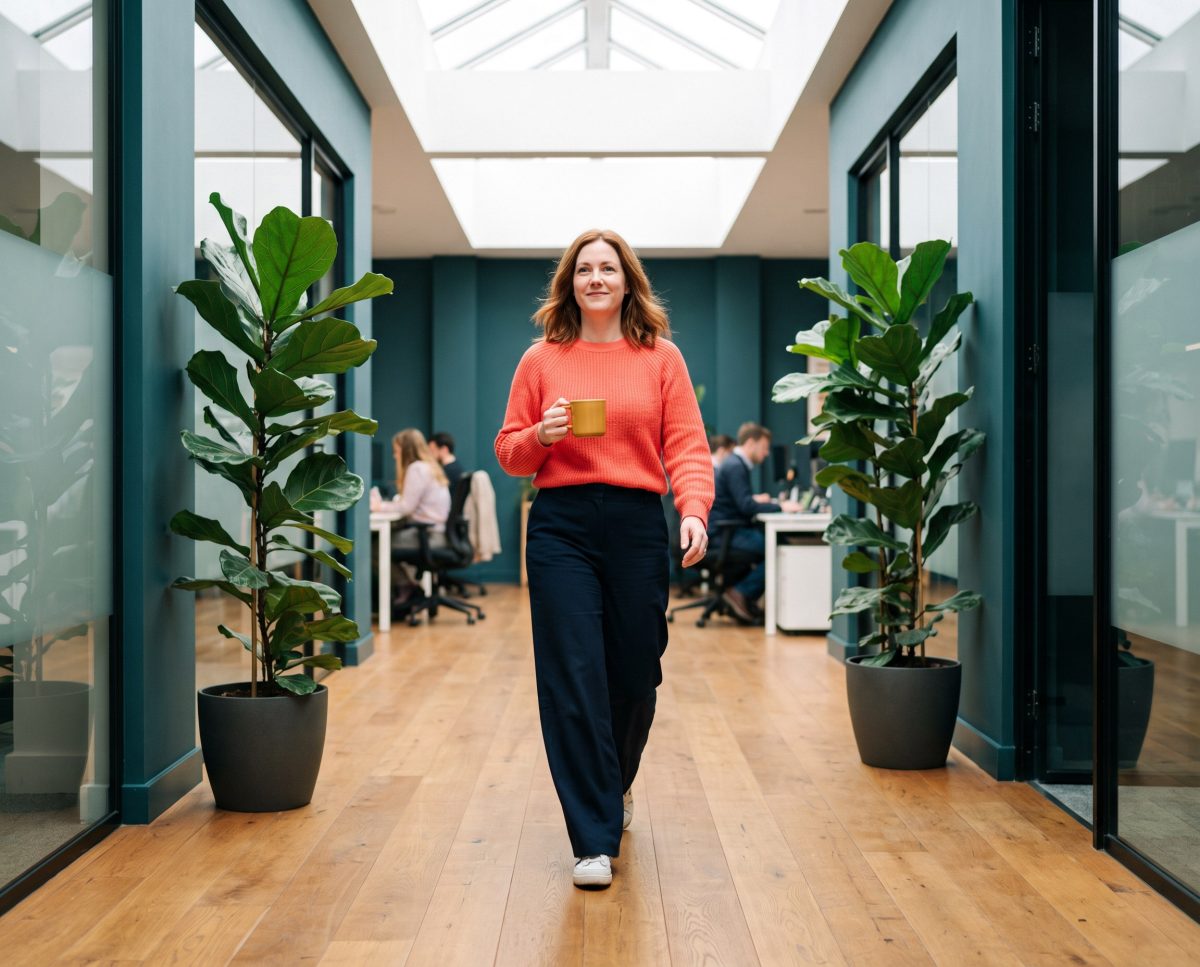
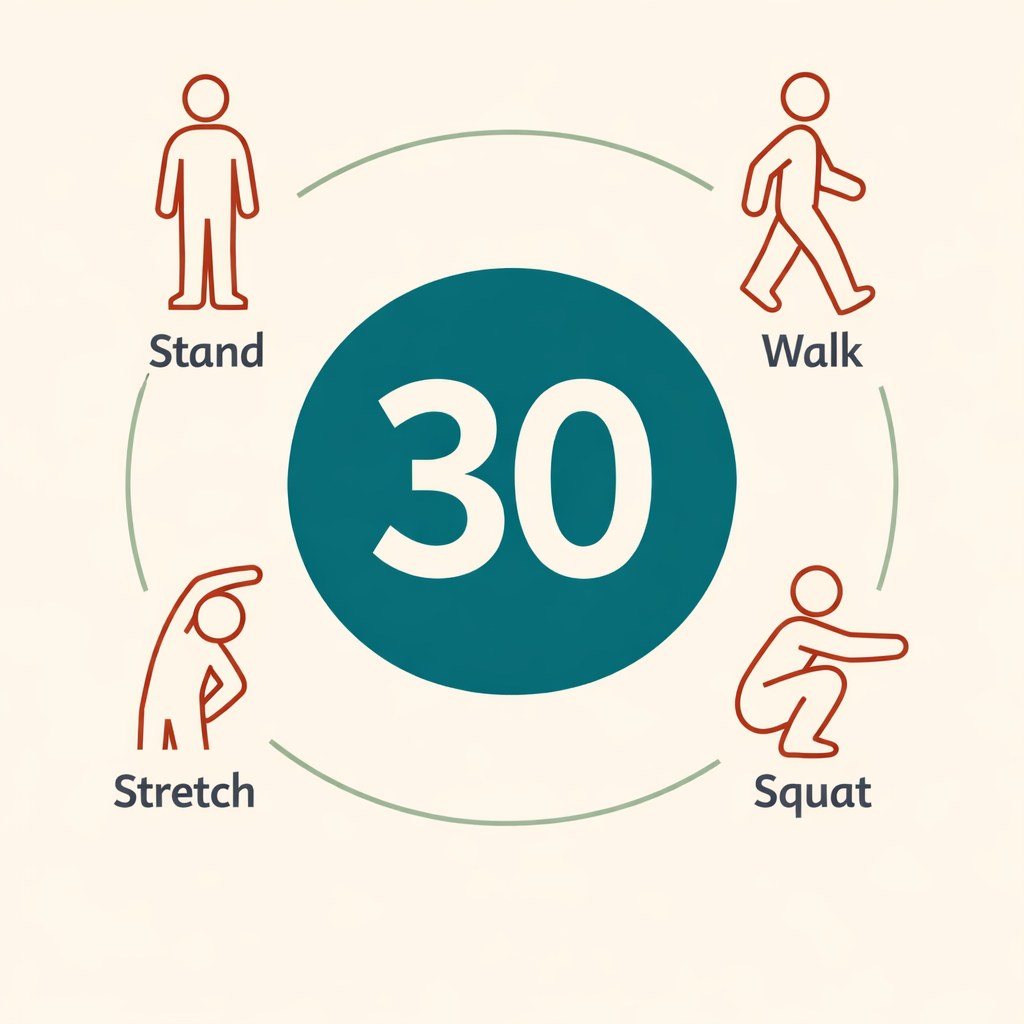
Five minutes every half hour isn’t realistic for every job. Meetings run long, and deadlines don’t care about your blood sugar. Treat it as a target and get as close as you can. Stand up for phone calls. Walk to a colleague’s desk instead of sending a message, and refill your water glass at the far end of the office. Set a quiet timer on your watch or computer, because time disappears fast when you’re focused.
What does sitting have to do with your skin?
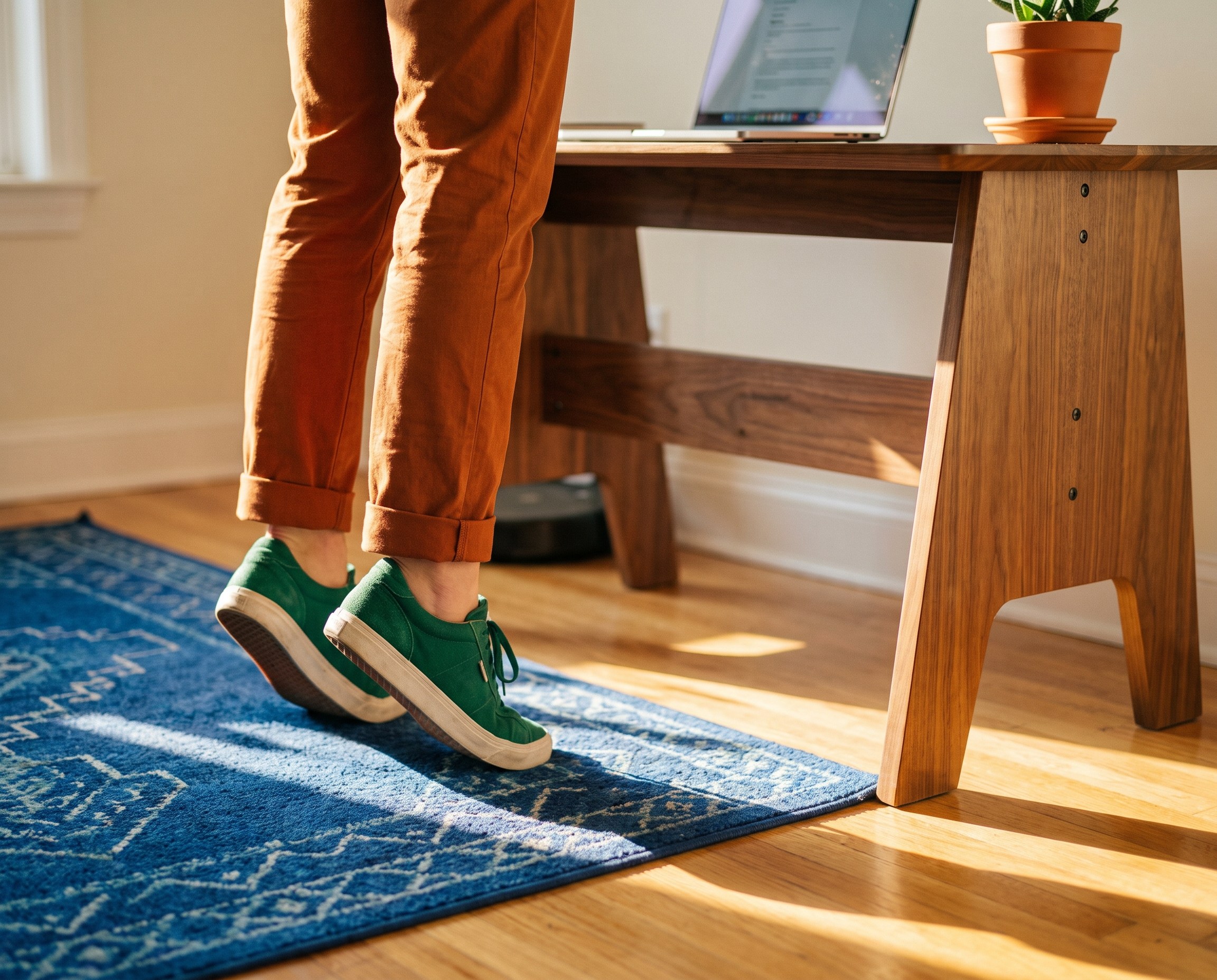
This is a beauty site, so you knew I’d get here eventually. The link between sitting and skin is less direct than the link between sitting and blood sugar, but it’s there. Skin depends on steady blood flow to bring in oxygen and nutrients and to carry away waste. Long, still hours slow circulation, especially in the lower body, and that can show up as puffiness and a dull look by the end of the day. Moving gets blood flowing again, which is part of why your face looks brighter after a walk.
There’s also growing evidence that regular exercise affects the structure of skin itself. A 2023 study in Scientific Reports followed 61 sedentary middle-aged women in Japan through 16 weeks of either aerobic training or resistance training. Both types of exercise improved skin elasticity, and resistance training also increased the thickness of the dermis, the layer that holds collagen. Source: https://doi.org/10.1038/s41598-023-37207-9. It’s a modest study, and it needs to be repeated in larger groups. Still, it suggests the habits that protect your heart may also help your skin hold up better over time.
Long desk days tend to bring other skin stressors along with them. Office air is often dry, and dry air pulls moisture out of the skin. People who sit for hours often snack more, drink less water and sleep worse, and all three show up on the face. Screen work keeps your brow furrowed and your jaw tight without you noticing. I’d keep a light moisturizer at your desk and use your movement breaks as a cue to drink some water too.
How do you build more movement into a desk job?
Start with the easiest changes, because the best plan is the one you’ll stick with. Pair movement with things you already do. Every time you finish a task, stand up. Every time you end a call, walk to the kitchen and back. Take the stairs when it’s one or two floors, and park farther from the door or get off the bus a stop early. These sound small, and they are, but they add up across a week.
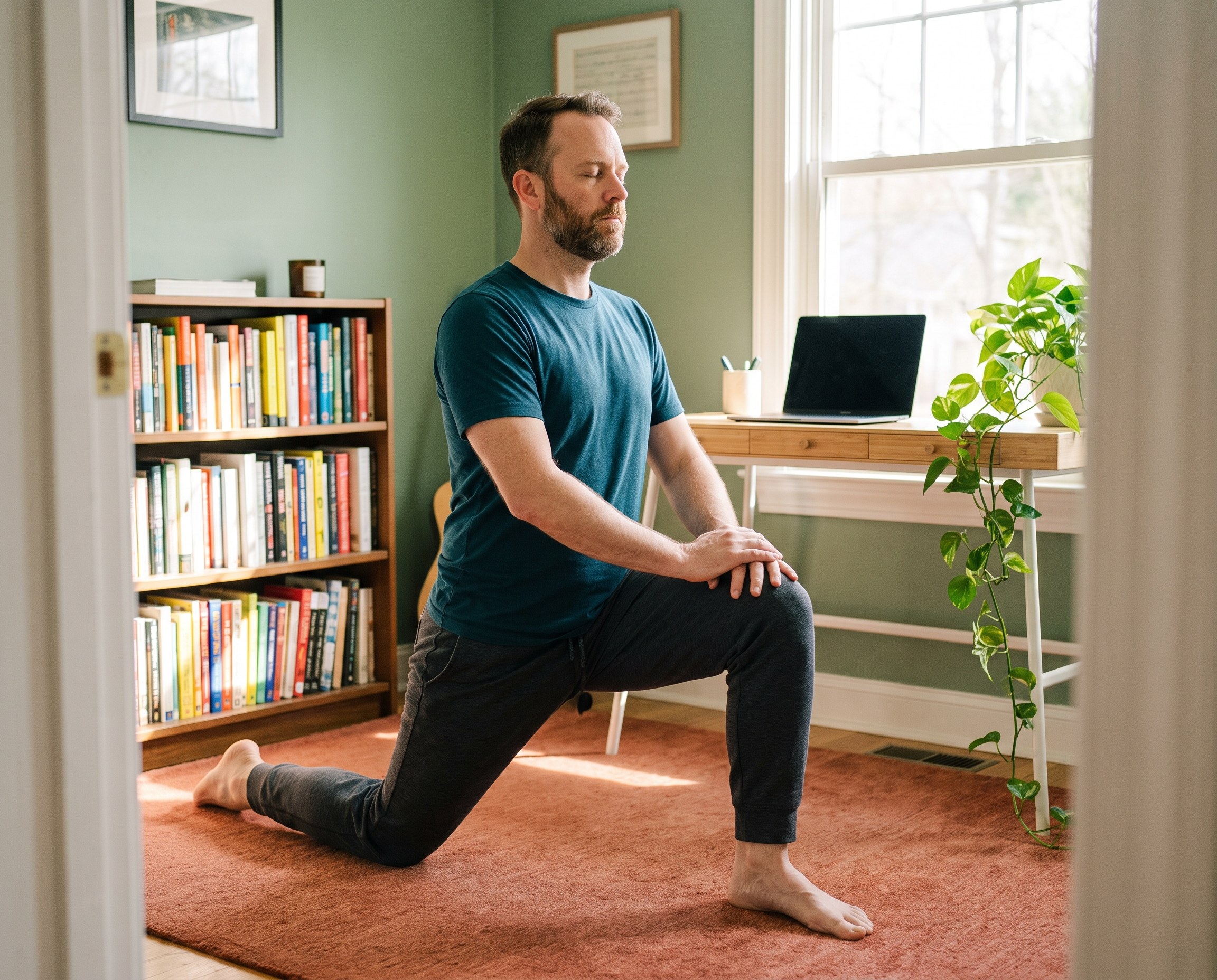
You can also move without leaving your desk. Stand and do ten slow calf raises to push blood up out of your lower legs. Do a few sit-to-stands from your chair, which work the same muscles as a squat. Roll your shoulders back and gently tuck your chin to undo that forward head posture. Stretch your hip flexors with a short lunge, holding it for about 30 seconds per side. None of this takes more than two minutes, and you don’t have to change clothes.
What about standing desks? They can help, but they’re not a cure. Standing still for hours has its own problems, including sore feet, an aching lower back and blood pooling in the legs. Studies of sit-stand desks show they do cut sitting time, but the evidence is still limited, and the health payoff isn’t as clear as the marketing suggests. The benefit comes from changing positions often. If you use one, switch between sitting and standing every 30 to 60 minutes and add walking breaks on top.
What should you do before and after work?

Breaks during the day help most when they sit alongside regular exercise. The World Health Organization recommends that adults get 150 to 300 minutes of moderate activity a week, plus muscle strengthening at least twice a week. Its 2020 guidelines also advise adults to limit sedentary time and replace it with physical activity of any intensity, including light activity. Source: https://www.who.int/publications/i/item/9789240015128. That last point matters, because it means a slow stroll counts. You don’t have to be an athlete to see a benefit.
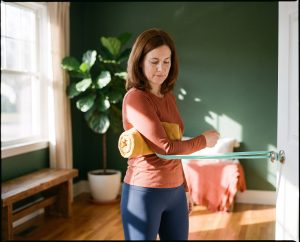
If you sit for a living, I’d put strength training near the top of your list. Sitting weakens the glutes, the core and the upper back, and those are the muscles that keep you upright and pain free. Two or three short sessions a week with bodyweight moves, resistance bands or light weights can make a big difference. Squats, lunges, glute bridges, rows and planks cover most of what a desk worker needs. And if the skin study above holds up, resistance training may do your face a favor too.
Watch your evenings as well. It’s easy to sit all day at work and then sit all evening in front of a screen. A short walk after dinner helps your body manage the meal and breaks up the evening. Stretch on the floor while you watch TV instead of sinking into the couch, and get up between episodes. Your body doesn’t care whether the sitting happens at work or at home, so the evening hours count just as much.
Does sitting affect mature skin and aging bodies differently?
Yes, and the stakes rise as we get older. Muscle mass naturally declines with age, and long hours of sitting speed that loss. Weaker leg muscles affect balance, which makes falls more likely and recovery slower. Bone also depends partly on regular weight-bearing movement to stay strong. For anyone over 50, breaking up sitting protects strength and steadiness along with blood sugar.
Mature skin feels the effects too. After menopause, skin gets thinner and drier and repairs itself more slowly. Blood flow to the skin also declines with age, so the boost you get from moving matters more. Pressure from long hours in one position can leave marks that linger on thinner skin, and dry indoor air hits mature skin harder than younger skin. A rich moisturizer with ceramides and glycerin at your desk, a humidifier at home, and steady movement through the day all work together.
If you’re retired or working fewer hours, pay attention here. Many people sit more after they stop working, because the commute and the walks around the office disappear. Building movement into the day on purpose becomes more important, not less. A morning walk, gardening, a class at the gym, or simply getting up every half hour while reading all help. The WHO also recommends balance and strength activities for adults over 65 at least three days a week, which helps prevent falls.
What are the warning signs you’re sitting too much?
Your body usually tells you before a blood test does. Stiff hips when you stand up, a lower back that aches by mid-afternoon, and a neck that always feels tight all point to too many hours in one position. Swollen ankles at the end of the day are another clue. So is feeling sluggish after lunch, which may partly reflect how your body handles a meal when you stay still. Pay attention to these signals instead of brushing them off.
Some symptoms need more than a walk. If one leg swells more than the other, or you notice pain, warmth or redness in a calf, see a doctor quickly, because that can signal a blood clot. Back or neck pain that spreads into your arms or legs also deserves a professional look. And if you have heart problems, diabetes or joint issues, check with your doctor before starting a new exercise routine. Small changes are safe for almost everyone, but it’s smart to get advice when health conditions are in the picture.
FAQs
How long is too long to sit without a break?
There’s no single cutoff, but the research points to about 30 minutes. In the Columbia study, walking breaks every 30 minutes improved blood sugar while breaks every hour didn’t. Aim to stand and move at least every half hour when your day allows it.
Can a daily workout cancel out a day of sitting?
Mostly, if you do enough of it. The Lancet analysis found that about 60 to 75 minutes of moderate activity a day offset the higher risk of early death linked to sitting eight or more hours. Shorter workouts still help, and breaking up your sitting adds benefits that a single workout can’t.
Is a standing desk worth buying?
It can be, if you use it to change positions often. Standing still all day trades one problem for another. Pair it with regular walking breaks to get the most from it.
Does sitting cause cellulite or spider veins?
Sitting doesn’t cause cellulite, which is driven mostly by genetics, hormones and skin structure. Long periods of sitting or standing can make leg vein symptoms worse, though, because blood pools when the calf muscles stay still. Moving often and doing calf raises can ease that heavy, swollen feeling.
What’s the easiest first step?
Set a repeating 30-minute reminder on your phone or computer. When it goes off, stand up and walk for a couple of minutes, even if it’s only to the kitchen and back. Once that becomes habit, add strength training and longer walks.
Sitting is part of modern life, and for most of us it isn’t going away. The harm comes mainly from long, unbroken hours and too little movement around them, and you can change both. Get up every half hour and walk when you can. Lift something heavy a couple of times a week. Drink your water and keep your skin moisturized against that dry office air. Your body and your skin will notice, probably sooner than you expect.
Related Posts