Dec
Beauty, Skincare, Trends & Opinions
Looking Back at Beauty Trends of 2025
If you click on links we provide, we may receive compensation.
Trends move fast in beauty, but some years leave a deeper imprint. 2025 did. It felt like a reset rather than a sprint. Less noise. Fewer gimmicks. More people asking simple questions about skin, hair, and makeup. Does this work. Does it feel good. Does it fit real life.
Search data backed this up. Google Trends showed sustained growth in terms tied to barrier repair, sensitive skin, and minimalist routines throughout 2025. According to Statista, global skincare sales grew about 7 percent year over year in 2025, while makeup growth stayed flatter, signaling a shift in priorities toward skin health over color experimentation.
What follows is a look back at the ideas that defined beauty in 2025, not from hype cycles or trend forecasts, but from how people actually used products day to day. Some trends faded quickly. Others changed how brands formulate and communicate. All of them tell a story about where beauty culture landed after years of excess.
Why 2025 felt different
The tone changed before the products did. Consumers arrived in 2025 tired. Inflation pressure lingered. Ingredient literacy stayed high. Trust stayed fragile. People read labels more closely. They expected brands to explain choices in plain language.
This shaped everything else. The appetite for fifteen step routines dropped. The fascination with extreme actives cooled. Even packaging softened visually. Neutral colors replaced neon. Serif fonts came back. Calm replaced urgency.
Social platforms still drove discovery, but the content shifted. Tutorials slowed down. Long captions replaced punchy slogans. Creators talked more about what they stopped using rather than what they added. Beauty in 2025 leaned inward.
The year skincare stopped chasing intensity
If one idea defined skincare in 2025, it was restraint. After years of acids, retinoids, and exfoliation overload, people began to connect irritation with overuse rather than sensitivity alone.
Barrier repair moved from niche concern to mainstream expectation. Ceramides, cholesterol, fatty acids, glycerin, sodium PCA, and colloidal oatmeal gained quiet dominance. These were not new ingredients. What changed was how central they became. Brands stopped positioning them as add ons and started treating them as nonnegotiable foundations.
Dermatologists echoed this shift. The American Academy of Dermatology published multiple consumer-facing articles in 2024 and 2025 warning about over exfoliation and compromised barriers, and those messages finally stuck.
Cleansers became creamier. Toners lost their sting. Serums leaned hydrating instead of corrective. Even retinoid marketing softened, focusing on tolerance and long-term use rather than speed.
People did not abandon results. They redefined them. Fewer breakouts. Less redness. Skin that felt comfortable at noon and again at night. Progress measured in weeks rather than days.
The rise of maintenance skincare
Maintenance replaced transformation as the dominant promise in 2025. Instead of before-and-after shock value, brands highlighted consistency. Morning and night. Same routine. Small adjustments with seasons. This trend aligned closely with aging demographics. As more consumers crossed forty and fifty, patience increased. So did skepticism toward dramatic claims.
Maintenance skincare centered around products people finished and repurchased. Moisturizers, gentle cleansers, hydrating serums, eye creams designed for comfort rather than lift. The success metric shifted from instant glow to how often someone bought the same item twice.
This also reshaped retail strategy. Subscription refills performed better than limited launches. Travel sizes sold well because people wanted familiarity when away from home. Beauty routines in 2025 fit into life instead of competing with it.

Makeup went quiet but intentional
Makeup did not disappear in 2025. It recalibrated. Coverage lightened. Textures softened. Multi-use products gained ground. Skin tints replaced foundations for many consumers. The goal shifted from covering skin to evening it out. Concealer use became more targeted. Blush and bronzer leaned cream and balm based, applied with fingers rather than brushes.
Eye makeup stayed restrained. Brown replaced black for liners and mascara. Shimmers turned satin. Lips favored balms, oils, and sheer stains over matte liquid formulas. This was not about minimalism as a look. It was about ease. Makeup routines shrank because time mattered. Comfort mattered. Products had to work without precision.
Interestingly, bold makeup did not vanish. It became situational. People saved drama for events, nights out, or creative expression rather than daily wear. The everyday face in 2025 felt softer, more human, and more forgiving.
Skin-first makeup formulations
One lasting change from 2025 was formulation crossover. Makeup borrowed heavily from skincare. SPF in base products improved. Humectants and emollients became standard in color cosmetics.
Consumers expected makeup to behave like skincare. No tightness. No flaking. No dryness by afternoon. Brands that ignored this lost relevance quickly. This blurred category lines further. Was a tinted moisturizer skincare or makeup. Was a lip oil treatment or color. Those distinctions mattered less. What mattered was how the product felt after eight hours.
Haircare embraced texture and scalp health
Hair trends in 2025 followed the same philosophy as skincare. Health first. Texture respected. Excess styling reduced. Scalp care moved fully into the mainstream. Exfoliating scalp treatments, soothing serums, and gentle shampoos gained shelf space. Consumers talked openly about flakes, itch, and buildup without stigma.
At the same time, air drying regained popularity. Heat tools did not vanish, but daily use declined. Cuts adapted to natural wave patterns. Frizz acceptance rose. Color trends softened too. Low contrast highlights. Gloss treatments instead of aggressive lightening. People chose hair choices that aged well and grew out gracefully. This was partly economic. Salon visits spaced out. Maintenance costs mattered. But it also reflected a deeper comfort with natural appearance.
Fragrance shifted toward skin scents
Fragrance trends in 2025 leaned intimate. Loud projection gave way to close-wearing formulas. Musks, soft woods, iris, and creamy florals dominated. The idea of scent as a personal comfort object took hold. People wore fragrance for themselves rather than for a room. Rollerballs, oils, and solids sold well. Layering became common.
This aligned with wellness culture without drifting into pseudoscience. Scent anchored routines. Morning focus. Evening calm. Familiar notes repeated daily. Packaging followed suit. Smaller bottles. Neutral tones. Less ornamentation. Fragrance in 2025 felt less performative and more private.
Beauty and wellness stopped pretending to merge
For years, beauty brands borrowed language from wellness. In 2025, the relationship clarified. Skin and hair health mattered. Medical claims faced scrutiny.
Consumers learned to separate comfort from cure. A calming cream could support skin function without promising systemic change. Supplements stayed popular, but trust depended on transparency and restraint.
This maturity benefited brands willing to draw clear boundaries. Overpromising lost credibility fast. Simple explanations gained loyalty.
Packaging grew quieter and more practical
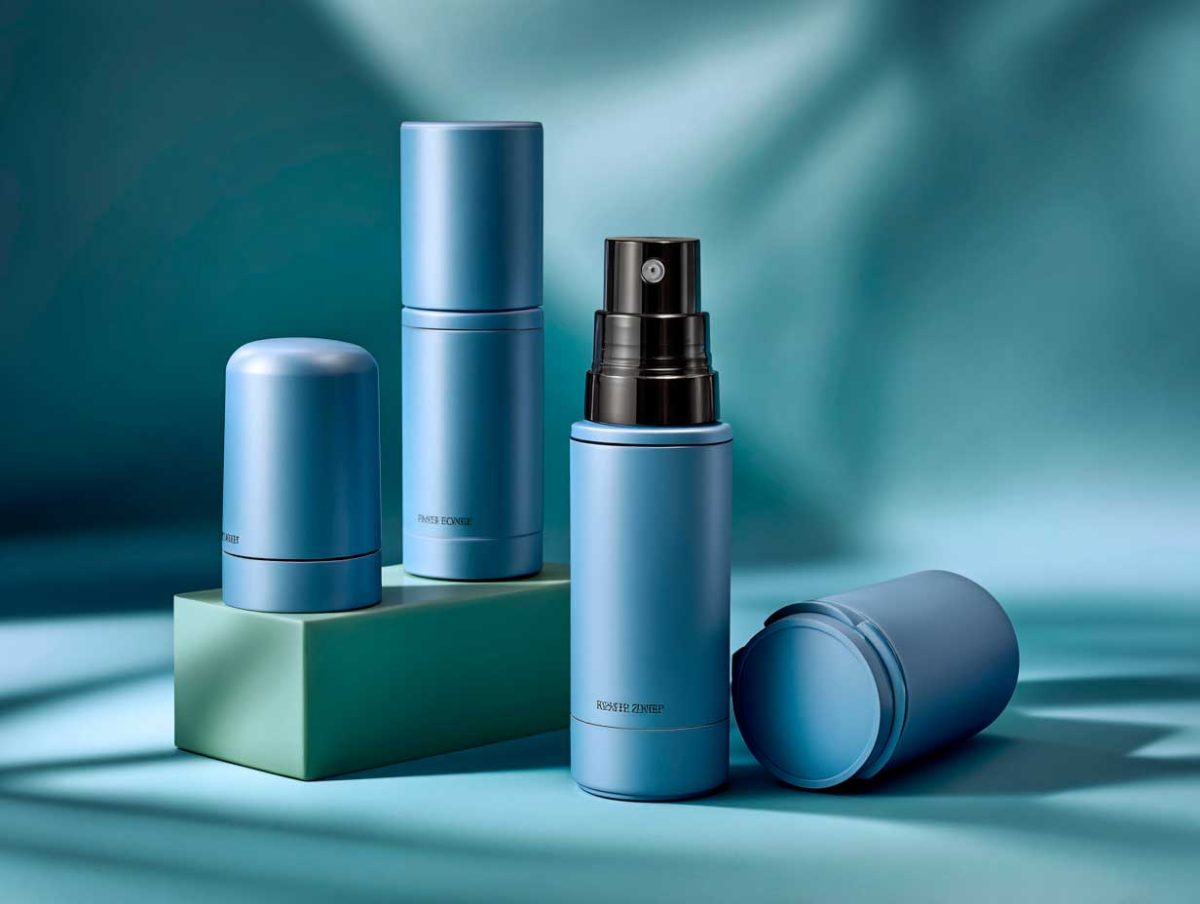
Sustainability conversations matured in 2025. Consumers stopped accepting vague claims. Recyclable where. Refillable how. Brands responded with clearer packaging strategies. Airless pumps to reduce waste. Refill pods for bestsellers. Smaller outer boxes or none at all.
Aesthetic trends mirrored this clarity. Matte finishes. Earth tones. Legible labels. Packaging stopped trying to shout from shelves and started trying to last on bathroom counters. This design shift also supported brand trust. When packaging looked calm, products felt safer. Visual noise faded.
Ingredient education became calmer and clearer
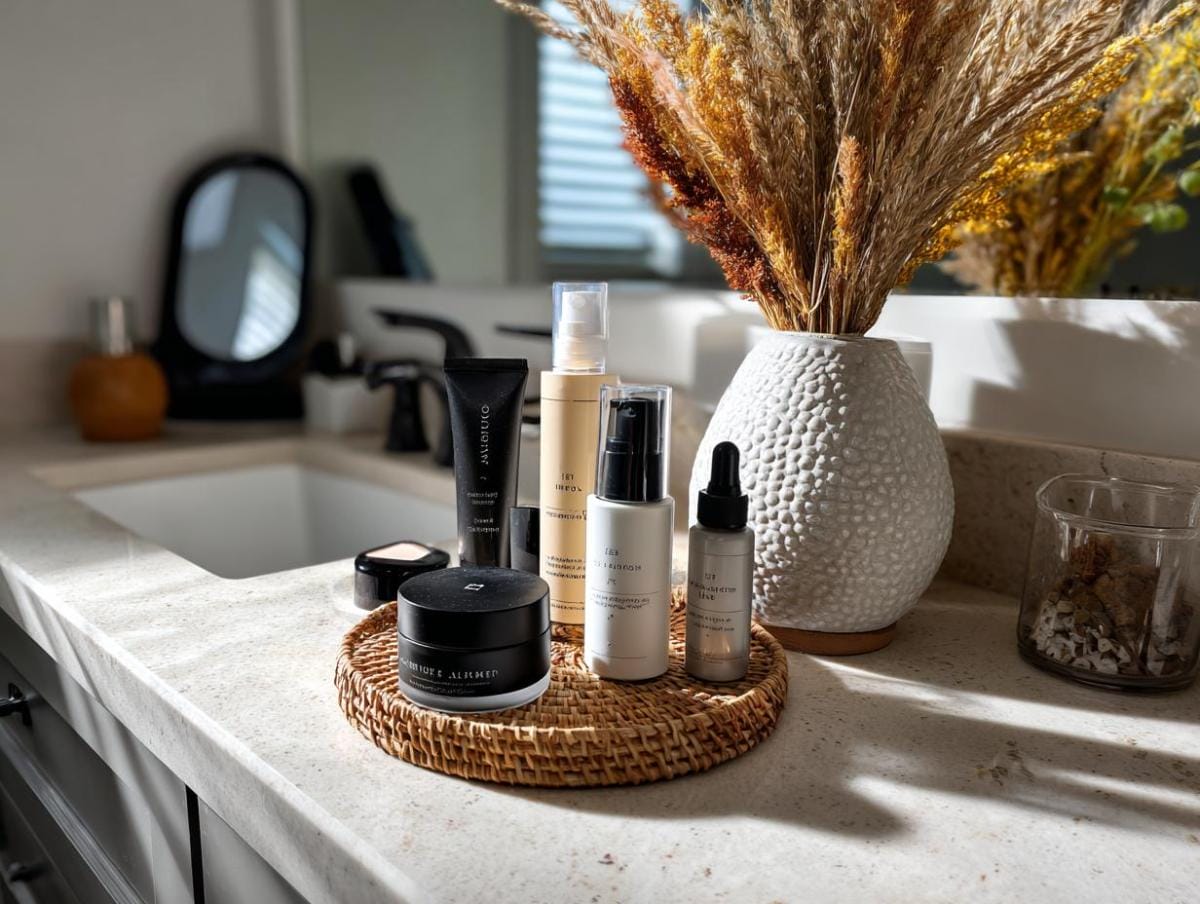
Ingredient literacy stayed high in 2025, but the tone changed. Lists and rankings gave way to context. Why an ingredient existed. What role it played. How it fit into a formula. People understood that no single ingredient carried a product. Formulation mattered. Concentration mattered. Delivery mattered. Brands that invested in education without fear tactics built stronger communities. Ingredient fear softened. Curiosity replaced alarm.
Professional influence regained ground
Estheticians, dermatologists, and formulators regained influence in 2025. Not through authority alone, but through calm explanation. Short videos from professionals discussing routine simplification performed well. Educational content with no selling hook earned trust. This helped balance social media extremes. Professional voices grounded conversations. Consumers listened.
What faded quietly in 2025
Some trends simply lost oxygen. Over exfoliation lost appeal. Hyper aggressive anti-aging language softened. Ten step routines shrank. Overly scented skincare declined. This did not happen through backlash. It happened through fatigue. People stopped buying replacements. Sales data reflected it.
What stuck and shaped the future
The most important takeaway from 2025 was not a product category or ingredient. It was mindset. Comfort over intensity. Consistency over novelty. Clarity over complexity. These values reshaped how brands planned launches, how retailers curated shelves, and how consumers defined success. The impact extended beyond one calendar year.
FAQs
Did beauty trends slowdown in 2025?
They did not stop, but they stabilized. Fewer rapid cycles. More sustained patterns. Consumers adopted trends selectively rather than wholesale.
Was 2025 anti-aging focused?
The language shifted away from anti-aging toward skin health and aging well. Products still addressed lines and firmness, but messaging emphasized support rather than reversal.
Did makeup decline in popularity?
Makeup sales held steady, but usage patterns changed. People used fewer products daily and saved bolder looks for specific occasions.
Why did barrier repair become so popular?
Overuse of actives in previous years caused irritation for many people. Education from professionals helped connect symptoms with routines, leading to gentler approaches.
Did sustainability matter more in 2025?
Yes, but with more scrutiny. Consumers expected specifics rather than slogans. Brands offering refill systems and clear material choices earned trust.
Looking back, 2025 felt like a pause that mattered. Beauty did not retreat. It recalibrated. The industry listened. Consumers simplified. And the result was a year that quietly reshaped habits long after trends stopped trending.
Related Posts