
Sep
Beauty, Skincare, Trends & Opinions
Your Scalp Needs a Seasonal Reset and Here Is Exactly How to Give It One
If you click on links we provide, we may receive compensation.
Between 20 and 30 percent of adults deal with dry scalp at any given time, and that number spikes sharply every autumn as temperatures slide and indoor heating kicks in. When you feel that familiar tightness, or start noticing fine white flakes on a dark sweater, your scalp is signaling that the environment around it has changed faster than its defenses can adapt. The skin on your scalp – yes, skin, not just a base for your hair – responds to humidity, temperature, and ultraviolet exposure every bit as much as the skin on your face. A shift in season rewrites all of those variables at once. And yet most of us reach for the same shampoo we used in July and wonder why our scalp rebels. The good news is that seasonal scalp flare-ups are predictable, which makes them very manageable once you know what is driving them.
What Actually Happens to Your Scalp When the Season Shifts?
Cold air is simply drier air. Physics dictates that colder temperatures hold less water vapor, so the moment you step outside in October you are bathing your scalp in air that pulls moisture out of skin rather than adding any in. Walk back indoors and the situation does not improve – central heating raises air temperature without adding humidity, which compounds the dehydration. Dermatologists at Optima Dermatology describe this as a double whammy: the external environment strips moisture from the scalp surface, and the heated indoor air picks up whatever the outside air left behind. The result is a scalp barrier that starts to crack and struggle. Source: https://optimadermatology.com/2026/03/09/scalp-health-101
Your sebaceous glands feel the temperature drop too. In warmer months those glands are active, producing the sebum your scalp needs to keep its protective barrier in good shape. When temperatures fall, sebum production slows. That means the scalp loses one of its own natural defenses at exactly the moment the environment is becoming more aggressive. The skin cell turnover cycle can also speed up in response to dryness and mild irritation, which is one reason flakes appear – dead skin cells shed faster than the eye considers neat. Trichologist Penny James, writing about autumn scalp itch, notes that this combination of depleted oils and accelerated shedding is behind many of the scalp complaints she sees every November. Source: https://pennyjamestrichologycenter.com/blogs/2025/11/6/why-your-scalp-itches-in-fall-and-winter
There is also a microbial dimension worth taking seriously. The scalp hosts a diverse community of bacteria and fungi. Among them is Malassezia, a yeast-like organism present on virtually every human scalp. Malassezia feeds on the fatty acids in sebum, and when sebum levels become uneven – too much in warm patches, too little in dry areas – Malassezia populations can grow out of balance with the bacteria that usually keep them in check. A 2025 study in the International Journal of Cosmetic Science noted that seasonal variation may directly contribute to the cascade of changes associated with dandruff flare-ups, affecting the scalp’s microbiome, barrier integrity, and perceived comfort all at once. Source: https://onlinelibrary.wiley.com/doi/10.1111/ics.13067
How Do You Tell Dry Scalp from Dandruff?
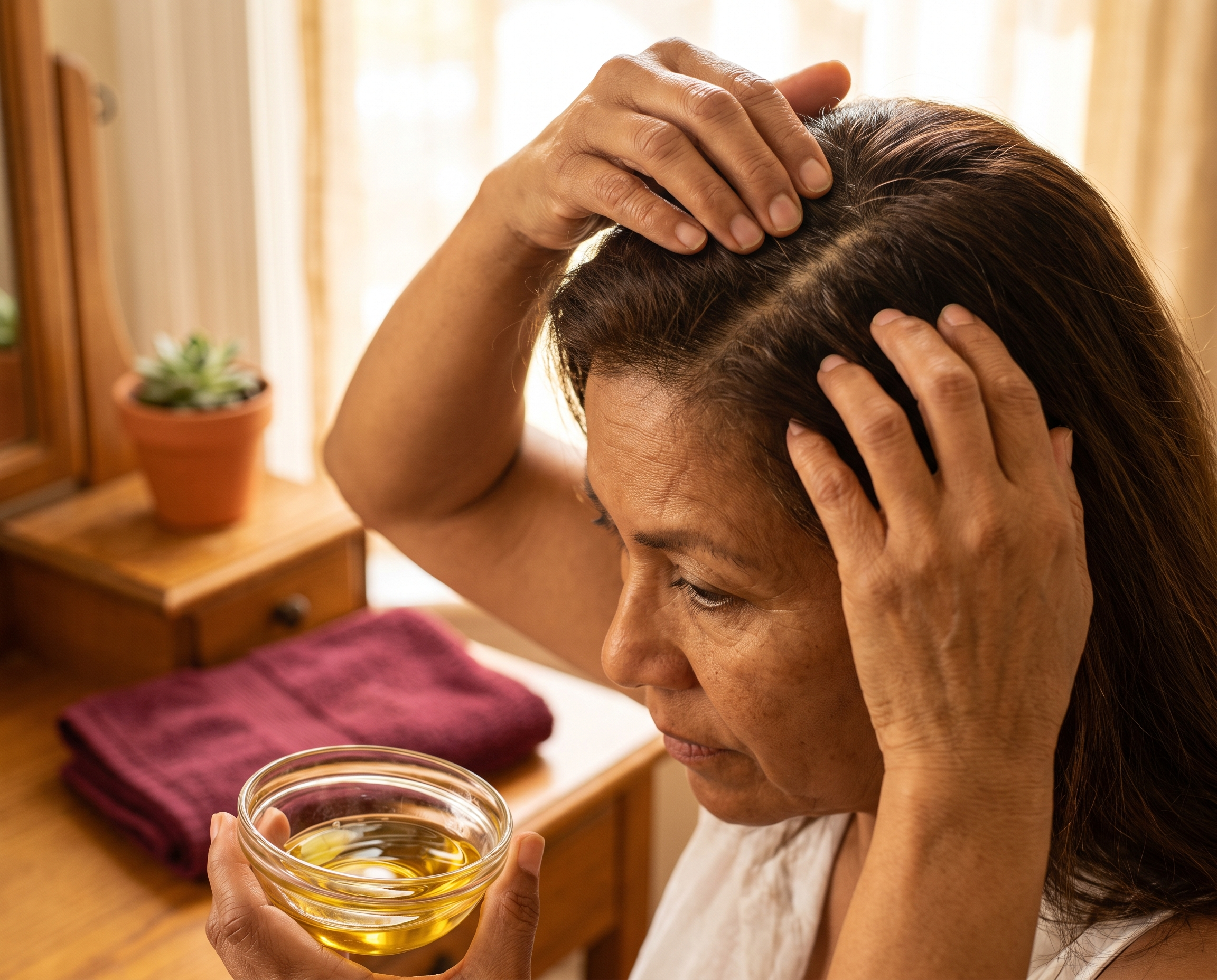
People often use the terms interchangeably, but they describe different conditions with different causes, and the distinction matters when you are choosing a remedy. Dry scalp is a moisture-deficiency condition. The scalp skin simply lacks water content, and the flakes it produces tend to be small, white, and powdery – they fall away easily and do not leave an oily residue on the hair shaft. Dandruff, on the other hand, involves Malassezia overgrowth and an inflammatory response. Its flakes are typically larger, yellower, and have a slight grease to them because they are mixed with excess sebum. The scalp itself may look slightly red or feel more noticeably itchy with dandruff than with plain dryness.
The practical test many dermatologists suggest is simple. If your scalp and your face both feel tight and parched after washing, dry scalp is the more likely culprit. If your scalp feels oily at the roots within a day of washing while still producing flakes, you are probably dealing with a Malassezia imbalance. Some people can have both at once during a season change, particularly if their routine has not adapted – they over-wash to address perceived greasiness, which strips oils, which triggers more compensatory sebum, which feeds more Malassezia. The cycle is worth interrupting early.
Knowing which condition you have changes the ingredients you reach for. Dry scalp responds well to hydrating, barrier-supporting actives like aloe vera, oat extract, and ceramides. Dandruff responds to antifungal agents like zinc pyrithione, ketoconazole, or selenium sulfide, alongside gentler cleansing. A targeted approach gets you out of the cycle faster than a general anti-flake shampoo that may not address your specific imbalance. When in doubt, a consultation with a dermatologist is worth every minute – scalp conditions that persist through a full seasonal cycle can sometimes point to seborrheic dermatitis, psoriasis, or contact dermatitis that needs clinical assessment.
Which Ingredients Calm an Irritated Seasonal Scalp?
Aloe vera is a strong first line of support for a scalp that feels hot, tight, or rashy after the first cold weeks. Its polysaccharides form a light film on the skin surface that slows transepidermal water loss, and its natural anti-inflammatory compounds – particularly acemannan – reduce the itch response without numbing the skin or causing rebound sensitivity. It is gentle enough for daily use and pairs well with oat extract, another ingredient with a long track record in sensitized skin care. Colloidal oatmeal has been recognized by the FDA as a skin-protectant ingredient, and on the scalp it works the same way it does on a reaction-prone arm – it calms the inflammatory signals that drive the itch-scratch cycle. Source: https://www.girlandhair.com/blogs/press/light-oils-scalp-massages-dry-season
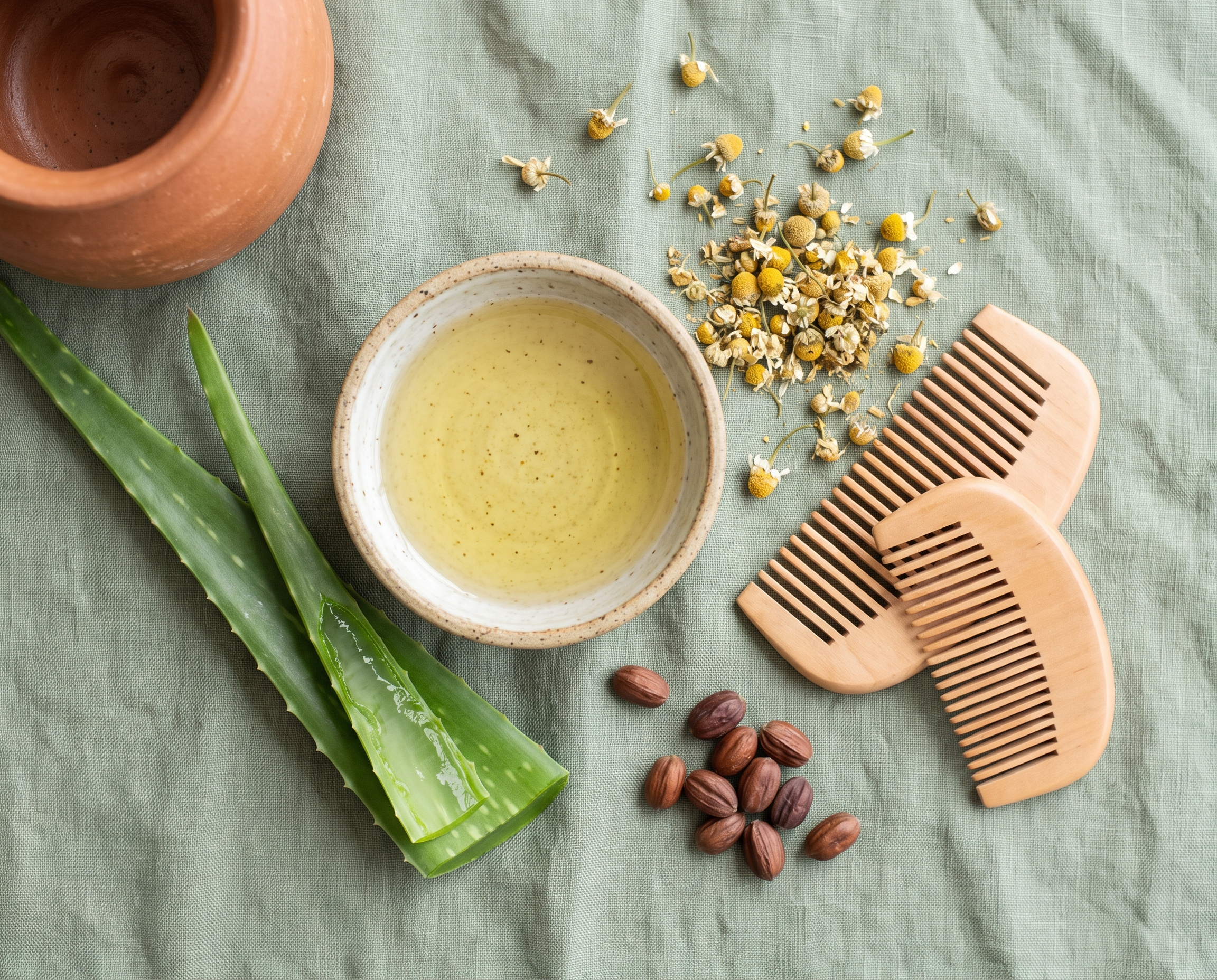
Jojoba oil earns its reputation in seasonal scalp care because its molecular structure is more wax ester than oil, which means it closely resembles the sebum the scalp produces naturally. It absorbs without leaving a greasy layer, and it gives the scalp surface something to work with while its own sebaceous glands readjust to the new temperature. Argan oil brings a slightly richer feel along with vitamin E and essential fatty acids that help restore barrier lipids. Both are good candidates for a pre-wash scalp treatment during the colder months – applied to dry or slightly damp scalp for twenty minutes before shampooing, they soften, hydrate, and allow the shampoo to do its job without stripping the skin all the way back to baseline.
Tea tree oil works differently. It is antifungal and antimicrobial, which makes it useful when Malassezia is part of the picture. A small amount – typically one to two percent diluted in a carrier – can help keep the fungal population in check without the dryness that comes with prescription antifungals used too frequently. Chamomile extract and bisabolol, its active component, add a calming layer on top, reducing redness and surface sensitivity. The combination of a mild antifungal and a genuine anti-inflammatory gives you coverage for both the infectious and the irritation side of dandruff-type flare-ups. Rosemary extract is worth a mention too: it supports circulation to the follicle bed, which becomes more sluggish in cold weather, and early human studies suggest it may support hair density over time. Source: https://www.teliaoils.com/blogs/news/seasonal-scalp-care-adjusting-oils-for-summer-and-winter
Does the Way You Wash Your Hair Make Things Worse?
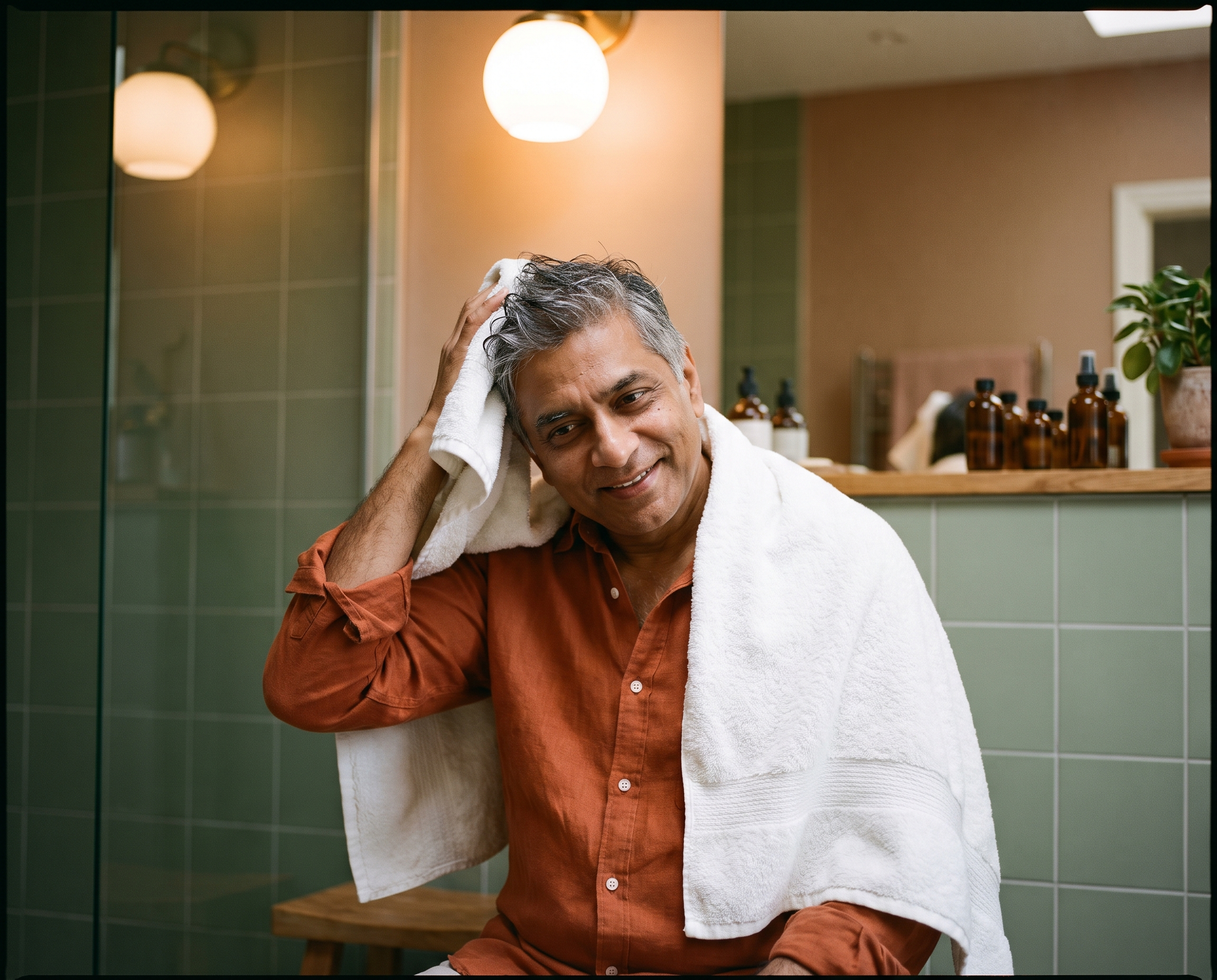
Washing frequency is where many people unknowingly aggravate a seasonal scalp. The instinct when you see flakes is to wash more often. But if those flakes are from dryness rather than excess oil, more frequent washing – especially with a sulfate-heavy shampoo – compounds the moisture loss that caused the problem in the first place. Most dermatologists advise pulling back to two or three washes per week during the months when the scalp is most likely to be under environmental stress, unless your scalp is genuinely oily and benefits from more frequent cleansing. Tuning in to your actual scalp – not a general rule – is the most useful habit.
Water temperature matters more than most people realize. Very hot water feels good in autumn and winter, but it dilates the capillaries near the scalp surface and increases inflammation in already-reactive skin. A shower warm enough to be comfortable but cool enough that you are not seeing steam rising from your head is the sweet spot. Finishing with a cooler rinse – not arctic, just below body temperature – can help close the cuticle, smooth the surface of each strand, and leave the scalp less flushed. That final cool rinse is one of the simplest seasonal switches you can make.
Surfactant choice in your shampoo is another variable. Sodium lauryl sulfate, found in many standard shampoos, has been shown in research published in the Journal of Clinical and Aesthetic Dermatology to significantly alter microbial diversity on the scalp and reduce barrier function integrity when used regularly. Switching to a sulfate-free formula built around milder surfactants like sodium lauroyl methyl isethionate or cocamidopropyl betaine preserves more of the scalp’s natural bacterial community while still cleaning effectively. It is a small change that adds up over weeks and months of consistent use. Source: https://jcadonline.com/new-topicals-to-support-a-healthy-scalp-while-preserving-the-microbiome-a-report-of-clinical-and-in-vitro-studies/
What Can a Scalp Massage Do That Products Cannot?
Scalp massage is one of the most underrated tools in a seasonal scalp routine, and it costs nothing. In cold weather, circulation to the peripheral skin – including the scalp – naturally slows as the body prioritizes keeping the core warm. Less blood flow means fewer nutrients reaching the hair follicle bed, slower cell renewal, and a less responsive scalp barrier. Gentle massage, done with the pads of the fingertips in slow circular motions for three to five minutes, actively encourages blood to move into that tissue. You can feel the warmth building under your fingertips within a minute, which is the capillary response doing exactly what you want.
Pairing massage with a warm oil amplifies both effects. The gentle heat from your fingertips softens the oil so it spreads more evenly across the scalp surface, and the mechanical action of massage works the oil into the pores and follicle openings rather than leaving it sitting on top. Jojoba and argan are ideal here because they absorb well and do not leave a heavy residue that requires aggressive washing to remove. Some people prefer to section the hair and work through in quadrants to make sure the entire scalp gets coverage – this is particularly helpful if your scalp is large in surface area or your hair is thick enough that oils do not reach the skin easily.
The benefits extend beyond immediate comfort. Regular scalp massage has been associated in small clinical studies with increased hair thickness over time, likely because of the improved follicle environment that consistent circulation supports. It also reduces the tension that many people hold in their scalp muscles – a surprisingly common source of chronic scalp discomfort that can make inflammatory conditions feel worse than they are. Making scalp massage a two or three times per week habit through autumn and winter is a low-effort, genuinely useful seasonal ritual.
What Do Aging Scalps Need That Younger Ones Do Not?
If you are past sixty, your scalp is dealing with the seasonal shift from a different baseline than a younger person’s. Collagen and elastin production in the skin slows significantly with age, and the scalp is no exception. The skin there becomes thinner, less elastic, and slower to repair minor damage. Sebaceous gland activity – already suppressed by cold weather – declines further with age, which means older adults produce measurably less sebum year-round and lose more to seasonal factors on top of that. Research from Assure Clinic notes that oil glands produce less sebum as we age, compounding dryness and making the scalp more vulnerable to environmental stressors. Source: https://assureclinic.com/blog/dry-scalp-treatment/
The practical upshot is that mature scalps need richer, more frequent hydration than their younger counterparts, and they are less forgiving of aggressive cleansing. A gentle oil treatment twice a week rather than once, a shampoo with added ceramides or panthenol, and a leave-in scalp serum with hyaluronic acid – which holds several hundred times its weight in water – can each make a visible difference in comfort and scalp appearance. Some people find that a silk or satin pillowcase also helps, as it reduces the friction that causes hair breakage and scalp irritation overnight, particularly when the skin is already dryer than usual.
Mature scalps are also more prone to seborrheic dermatitis, a condition where Malassezia triggers a pronounced inflammatory response that goes beyond standard dandruff flaking. The redness can extend to the ears, eyebrows, and sides of the nose. Seasonal changes tend to trigger flare-ups of seborrheic dermatitis even in people whose scalp is otherwise well managed. If you notice that your scalp symptoms intensify every autumn regardless of what you do topically, mention it to a dermatologist – prescription options like low-dose ketoconazole shampoos or short-term topical corticosteroids can bring the inflammation under control so that your maintenance routine can actually work.
Hair density is another aging-specific concern that interacts with scalp health. Thinner hair provides less insulation for the scalp, which can make the skin there more reactive to cold. Women going through or past menopause often see a simultaneous drop in estrogen levels reducing scalp oil production while the season removes ambient humidity. This is not cosmetic vanity – it is a genuine physiological shift that deserves a thoughtful, ingredient-led response rather than simply switching to a winter shampoo and hoping for the best. A trichologist or dermatologist who works with mature hair can help you build a protocol specific to where your scalp is right now.
How Can You Build a Seasonal Scalp Routine That Actually Sticks?
Routine consistency matters more than any single product in scalp care, because the microbiome and the barrier both take weeks to respond to changes. The dermatology research published in La Belle Vie Med Spa’s 2025 analysis noted that meaningful shifts in scalp microbiome balance typically take twelve to sixteen weeks of consistent treatment to show up clearly, with full benefit emerging over six to nine months. That timeline means starting your autumn scalp reset in September rather than December, so that by the time the coldest weeks hit your scalp has already adapted. Source: https://labelleviemed.com//scalp-microbiome-hair-growth-treatments-evidence-based-analysis-for-2025/
A simple autumn protocol looks like this: switch to a sulfate-free shampoo and use it two or three times a week. Add a pre-wash scalp oil treatment once or twice a week, using jojoba or argan as the base, massaged in for five minutes before you shower. Choose a conditioner or scalp serum that contains ceramides or hyaluronic acid, and apply it from the mid-length of your hair down so it does not weight the scalp down with unnecessary product. Drink enough water – dehydration shows up in skin including scalp skin faster than most people expect, and winter’s central heating makes it easy to forget to stay hydrated. And consider adding a humidifier to your bedroom. A simple ultrasonic humidifier running at night raises the ambient humidity in the air your scalp breathes for eight hours straight, and many people report a noticeable reduction in scalp tightness within a week of starting it.
Watch for signals that the routine is working. A scalp that felt tight the morning after washing should start to feel more comfortable within two to three weeks of consistent hydrating treatment. Flaking should reduce. If neither improvement appears after a month of a genuine protocol change, that is the signal to see a professional rather than adding more products. Layering treatments on an irritated scalp can sometimes make things worse, and a trained eye can tell you in one appointment whether what you are managing is seasonal dryness, dandruff, seborrheic dermatitis, or something else entirely.
Frequently Asked Questions
Why does my scalp only itch in autumn and winter?
Cold air holds less moisture than warm air, and indoor heating compounds the dryness by raising temperature without adding humidity back. Your scalp’s sebaceous glands also slow their oil production when temperatures drop, leaving the skin barrier less protected at exactly the moment the environment is most demanding. The itch is the barrier’s distress signal.
Can I use the same shampoo all year round?
You can, but a shampoo that works well in summer may over-strip your scalp in winter if it is sulfate-heavy. Many people find it worth switching to a gentler, sulfate-free formula for the cooler months and returning to their regular shampoo in spring. Your scalp will usually tell you which it prefers – if it feels tight or dry within hours of washing, the formula is too stripping for current conditions.
Is dandruff contagious?
No. Dandruff involves Malassezia, a fungus that lives naturally on every human scalp. The flaking happens when its population grows out of balance with the rest of the scalp’s microbial community, combined with individual inflammatory sensitivity. Since Malassezia is already present on your scalp, contact with someone who has dandruff does not give you more of it.
How long before a new scalp routine shows results?
Surface comfort – reduced tightness and less itch – can improve within one to three weeks of switching to a gentler, more hydrating routine. Flaking often takes four to six weeks to noticeably decrease. Deeper microbiome balance, which underlies longer-term scalp health, takes three to four months of consistency to reflect in how your scalp behaves day to day.
Should I use a scalp scrub in winter?
A gentle scalp scrub once every two weeks can help remove the buildup of shed skin cells and product residue that accumulates more quickly when the scalp is reacting to the season. Avoid scrubs with harsh physical particles like walnut shell powder, which can micro-tear the scalp skin. Sugar-based or enzyme-based exfoliants are kinder options, and always follow a scrub with a hydrating treatment rather than leaving the scalp bare.
At what age does seasonal scalp sensitivity get worse?
Many people notice that their scalp becomes more reactive to seasonal shifts in their forties and beyond, as collagen production slows and sebaceous glands naturally produce less oil. By the sixties, the scalp skin is measurably thinner and slower to repair, which is why a thoughtful seasonal protocol matters more, not less, as you age.
Your scalp is skin, and skin responds to seasons. The shift from warm to cold is not just a wardrobe change – it is a cue to adjust what you put on your head and how often. Start the reset early, stay consistent, pay attention to what your scalp is actually telling you, and you will get through the colder months with far less friction than you probably have before. A little attention in September saves a lot of discomfort by January.
Related Posts