
May
If you click on links we provide, we may receive compensation.
People spend years protecting their faces from the sun and the effects of aging. They use SPF, serums, and retinoids. They hydrate, treat, and layer. And then they look down at their hands. Hands often tell a more accurate story of age than a well-maintained face does. The skin on the back of the hand is thin, has few oil glands, and is constantly exposed to UV, environmental damage, and the drying effects of frequent washing. It shows volume loss, tendon visibility, pigmentation, and rough texture in ways that many people notice suddenly – as if their hands aged overnight while they were focused elsewhere.
According to a study published in Plastic and Reconstructive Surgery, study participants consistently rated hand age as a reliable predictor of overall perceived age, in some cases more reliable than facial age. The finding is not surprising to anyone who has looked at a pair of hands that have spent decades in the sun without protection. What is interesting is how receptive hand skin is to the right care when it finally gets it. Many of the same mechanisms that respond to facial anti-aging treatment respond to hand care as well – it just rarely gets the same attention.
Why do hands age so visibly?
The skin on the dorsum (back) of the hand is notably thin – thinner than most facial skin – and has fewer sebaceous glands to provide natural lubrication. This means it dries faster, becomes rougher sooner, and is more vulnerable to the mechanical and environmental stresses it faces every day. Constant UV exposure without protection drives photoaging – the same collagen-degrading, pigmentation-generating process that ages the face, concentrated in an area that almost never wears sunscreen.
Volume loss is the other major aging mechanism specific to hands. As we age, the fat pads and soft tissue under the dorsal hand skin diminish. The result is that tendons, veins, and knuckle bones become more visible, giving hands the skeletal appearance associated with advanced age. This structural change is driven by biological aging and accelerated by the cumulative effects of UV damage on the dermal layer. Topical treatments cannot restore lost volume – that requires professional procedures like filler injections. But they can significantly improve the surface changes: texture, pigmentation, and hydration.

What skincare ingredients work on aging hands?
The same ingredients that work on the face work on the hands. Retinoids – both over-the-counter retinol and prescription tretinoin – stimulate collagen synthesis, improve cell turnover, and reduce hyperpigmentation over time. The caveat is that hand skin may be more sensitive than facial skin in some people, requiring gradual introduction. Starting with retinol applied at night two to three times per week, building toward nightly use over several weeks, is the appropriate approach.
Vitamin C serums applied daily before sunscreen address both ongoing UV protection and existing pigmentation. Stable forms applied to the backs of the hands in the morning, followed by broad-spectrum SPF, create a one-two combination that addresses the primary drivers of visible hand aging. Niacinamide – well tolerated by virtually all skin types – reduces pigmentation transfer to the surface, improves barrier function, and supports a more even tone over weeks to months of consistent use.
Hydration is particularly critical for hand skin given its low natural oil production and constant exposure to water and soap. A hand cream with ceramides, glycerin, and an occlusive component applied after every hand wash – or at minimum at bedtime – makes a significant difference in the texture and appearance of hand skin within weeks. The nighttime application is the most impactful because hands are not being washed during sleep and the cream has extended time to penetrate. Wearing lightweight cotton gloves over a generous application of hand cream overnight – the so-called “slugging” approach applied to hands – produces rapid improvement in severely dry or rough skin.
How important is sunscreen for hands?
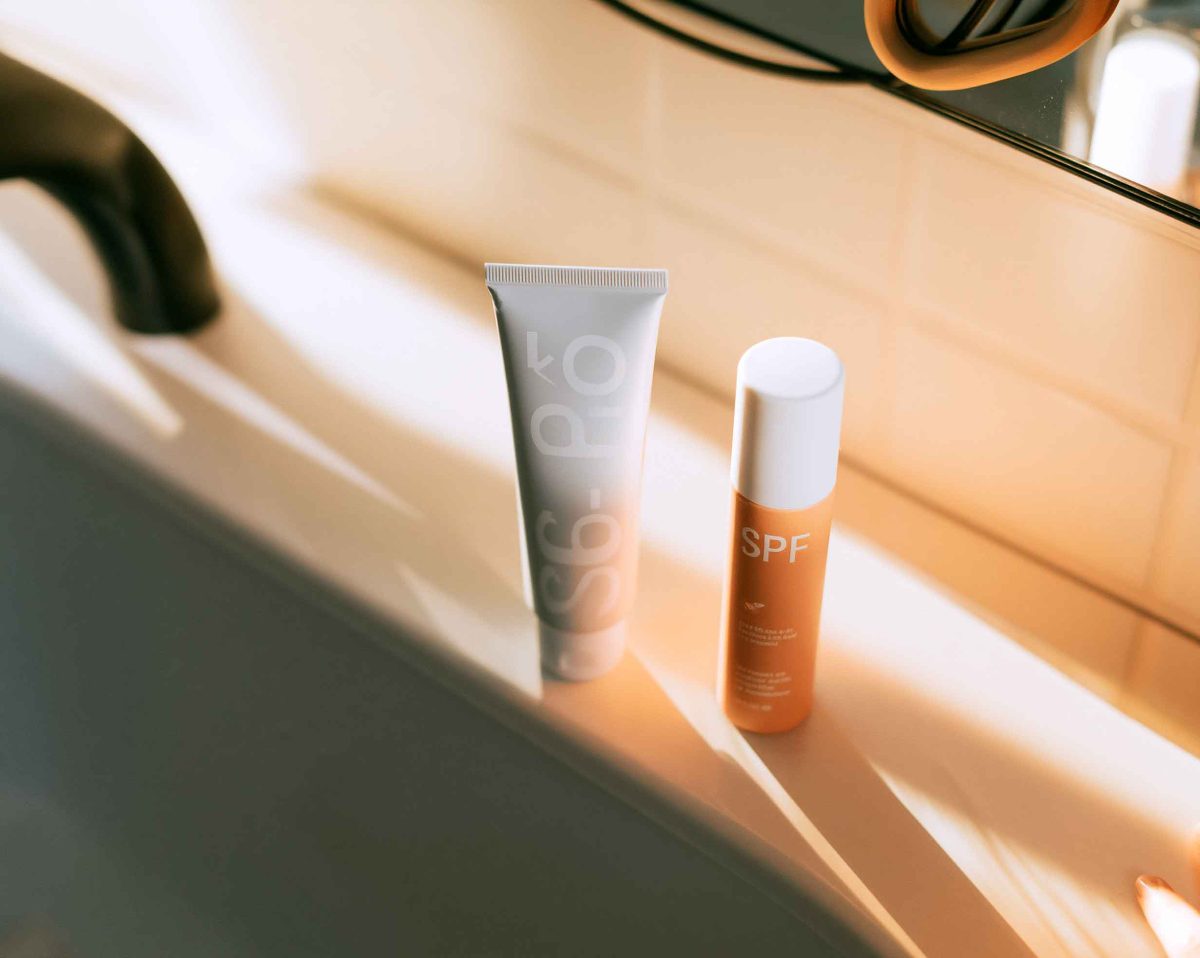
It is the single most impactful hand care practice available, and the most consistently overlooked one. Most people apply facial sunscreen and stop at the jaw. The hands, which are at least as exposed to UV radiation as the face during a typical day, receive essentially no protection. This neglect accumulates over decades into the significant photoaging and pigmentation that characterize aged hands.
The practical challenge is that hand sunscreen washes off constantly. But one application in the morning during the morning routine, reapplied after any extended outdoor exposure, represents a meaningful shift from the standard of zero. SPF 50 broad-spectrum formulas in lightweight lotions apply easily and absorb without significant residue. Keeping a small tube in a commonly used bag or on a desk as a reminder for reapplication after hand washing is a practical habit to build.
What about dark spots and age spots on hands?
Solar lentigines – commonly called age spots or liver spots – are among the most visible signs of photoaging on the hands. They are caused by localized excess melanin production in response to cumulative UV exposure. They are not harmful and do not require medical treatment, but they are a common concern for people who want their hands to look younger.
Topical brightening treatments that work on facial hyperpigmentation work on hands as well – vitamin C, niacinamide, alpha arbutin, kojic acid, and azelaic acid all inhibit melanin production to varying degrees. Consistency and patience are required – these marks took decades to develop and do not fade in weeks. But with daily application of a brightening serum or treatment and consistent sunscreen use to prevent further darkening, noticeable improvement over three to six months is realistic.
For stubborn or deep pigmentation that does not respond to topical treatment, professional options include chemical peels, laser treatment (Q-switched and fractional lasers), and intense pulsed light (IPL). These are dermatological procedures that produce faster and more significant results than topical care alone. They are particularly effective for solar lentigines that are clearly defined and have not yet developed irregular borders (irregular borders warrant evaluation rather than cosmetic treatment).

What lifestyle habits help preserve hand skin?
Wearing gloves for household tasks – dishes, cleaning, gardening – prevents the harsh surfactants in cleaning products from stripping the skin barrier repeatedly throughout the day. This is one of the simplest and most overlooked hand care habits. Cold water for hand washing is less stripping than hot. Gentle fragrance-free hand soap is less disruptive than antibacterial or foaming formulas. And minimizing hand sanitizer use when soap and water is available reduces the alcohol-driven dehydration that frequent sanitizer use causes.
Wearing gloves in cold weather prevents the wind-driven moisture loss and low-humidity damage that winter inflicts on hand skin. In summer, reapplying SPF to the backs of the hands after spending time driving (UVA penetrates car glass) or outdoors is a practical habit with meaningful cumulative benefit. Small changes in daily behavior around hand exposure make a larger difference than most people expect because the impact accumulates in both directions.
Frequently Asked Questions
Can hand skin actually improve with topical care?
Yes. Surface changes – texture, pigmentation, dryness, and roughness – respond meaningfully to consistent topical care with retinoids, vitamin C, and ceramide-rich moisturizers. Volume loss and tendon visibility require professional procedures.
Is it too late to start caring for hands at 60 or 70?
No. Skin responds to care at any age. Consistent moisturizing, SPF, and retinoid use at 60 produces measurable improvements in texture and tone, and prevents further photoaging from accelerating.
Can I use my face serum on my hands?
Yes. Vitamin C serum, retinol, and niacinamide formulations designed for the face work effectively on hand skin as well. Extending your morning and evening application to include the backs of the hands is the most efficient approach.
Are hand creams at the drugstore effective?
Many drugstore hand creams contain effective ingredients including glycerin, ceramides, urea, and petrolatum. Cerave, Eucerin, and Gold Bond in particular offer clinically relevant formulations at accessible price points.
Does massage help aging hands?
Gentle massage increases circulation in the area and may temporarily improve appearance and comfort. Combined with a rich hand cream, it improves product absorption. It does not address structural aging but is a beneficial complement to topical care.
Related Posts